India’s first creatively trained printmaker and pioneer of dry point etching in the country, Mukul Chandra Dey was born on 23 July 1895 in Sridharkhola, Bengal. He joined Santiniketan’s Brahmacharya Ashram school at the age of eleven and trained in art under the Tagore family stalwarts, becoming a close associate of Abanindranath Tagore. Learn More
Moti Zharotia was born in Delhi and remembers taking impressions of patterns carved on potatoes in childhood as his earliest artistic activity. He loved creating works of art but dreamt of becoming a lawyer, and therefore graduated in political science from Delhi University. Learn More
Born in Bombay, Mohan Samant showed early proficiency for both music and art. A lifelong player of sarangi—an Indian bowed, string instrument—Samant chose painting as a career and obtained a diploma from Sir J. J. School of Art, Bombay, in 1952. In the early 1950s, he was influenced by his teacher Shankar Palsikar, a painter of the traditional school, but moved soon towards an expressionistic mode in an attempt to discover his own style, fusing the expressive, the primitive and the abstract in his art. Learn More
Born in Ahmedabad, Gujarat, Manu Parekh studied at Sir J. J. School of Art, Bombay. With influences as varied as Arshile Gorky, Roberto Matta, S. B. Palsikar and Rabindranath Tagore, Parekh has always sought to explore his inner landscape through art. Learn More
Born in Dhuri, Punjab, Manjit Bawa was encouraged by his brothers to pursue art and he studied at Delhi Polytechnic from 1958-63 under eminent artist-teachers Somnath Hore, Dhanraj Bhagat, B. C. Sanyal, and Abani Sen. He moved to England in 1964, where he worked as a silkscreen printmaker and studied at London School of Painting. Learn More
A watercolourist par excellence known for his paintings on silk, Maniklal Banerjee was born in Borisal in present-day Bangladesh. He studied at Government College of Art in Calcutta and while still a student, became the first Indian artist to receive the Government of India’s scholarship for the arts. Learn More
Possibly the most popular academic Indian artist after Raja Ravi Varma, M. V. Dhurandhar was born in Kolhapur. An early interest in drawing led his father to admit him to Sir J. J. School of Art, Bombay, where he received special encouragement from its principal, John Griffiths. Learn More
Born in Nashik, Maharashtra, M. S. Joshi studied at Sir J. J. School of Art, Bombay, in the 1930s. Joshi combined his training in academic realism with a sense of vitality, precision and aesthetics to reveal India’s rich cityscapes and landscapes in his watercolour and gouache works. There was immense depth in the rendering of his subjects, which included people, places, architectural elements, all done in a subdued yet textured palette. Learn More
Born in Margao, Goa, on 21 January 1926, Laxman Pai studied and later taught at Sir J. J. School of Art, Bombay. He participated in Mahatma Gandhi’s Satyagraha movement against the British rule that led to his imprisonment. Later, he participated in the movement to liberate Goa from centuries of Portuguese rule. Learn More
A dynamic artist, intellectual, and educator, L. Munuswamy was a prominent practitioner within the Madras Art Movement who made abstraction a personal language in his artistic vocabulary. What made his works appealing was the international character, his individualistic vision and single-minded pursuit in his artistic endeavours. Learn More
Born in Lyallpur in pre-Partition Punjab, Krishen Khanna grew up in Lahore. He studied at Imperial Service College, England, from 1938-42 as a Rudyard Kipling scholar. Returning to Lahore for a course in English literature at the Government College, he simultaneously took evening classes at the Mayo School of Art. Khanna briefly worked as a printer at Kapur Art Press, Lahore, before his family moved to Simla upon Partition. He worked at the Grindlays Bank in Bombay and Madras from 1946-61, subsequently resigning from his job to devote himself to art. Learn More
Forced to paint signboards at the age of eleven when his father died, Krishna Shamrao Kulkarni battled numerous early struggles to achieve a pre-eminent place in modern Indian art. Born in a village in Belgaum in Karnataka in 1916, Kulkarni engaged with modernist techniques and mediums to create a highly individuated pictorial language. Learn More



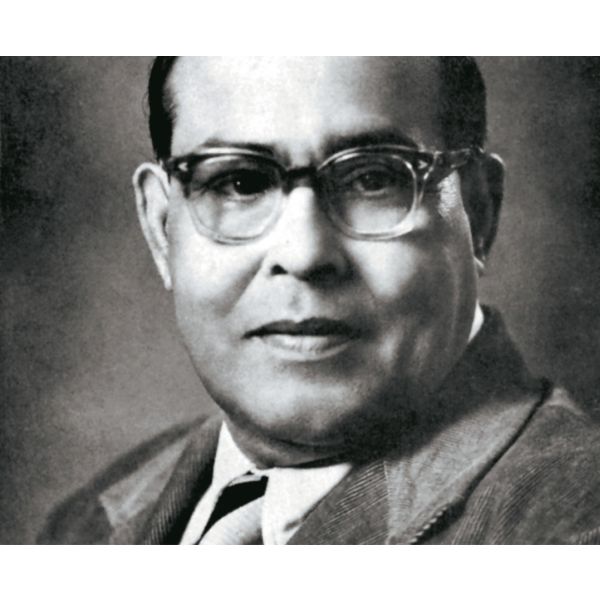 ArtistsMukul Dey$0.00India’s first creatively trained printmaker and pioneer of dry point etching in the country, Mukul Chandra Dey was born on 23 July 1895 in Sridharkhola, Bengal. He joined Santiniketan’s Brahmacharya Ashram school at the age of eleven and trained in art under the Tagore family stalwarts, becoming a close associate of Abanindranath Tagore. Learn More
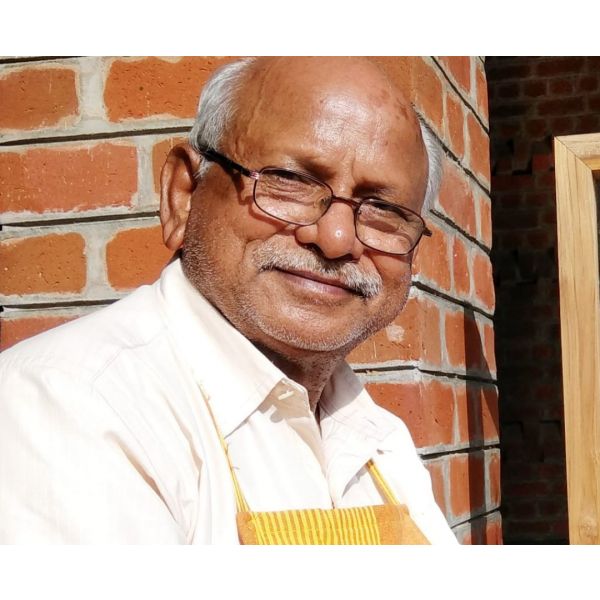 ArtistsMoti Zharotia$0.00Moti Zharotia was born in Delhi and remembers taking impressions of patterns carved on potatoes in childhood as his earliest artistic activity. He loved creating works of art but dreamt of becoming a lawyer, and therefore graduated in political science from Delhi University. Learn More
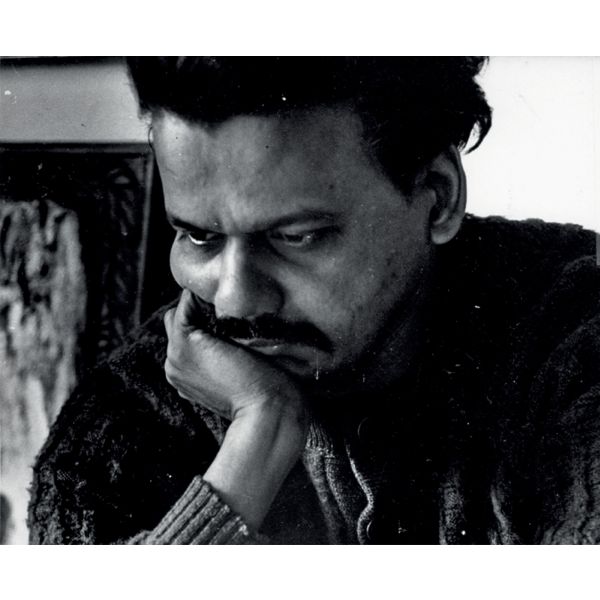 ArtistsMohan Samant$0.00Born in Bombay, Mohan Samant showed early proficiency for both music and art. A lifelong player of sarangi—an Indian bowed, string instrument—Samant chose painting as a career and obtained a diploma from Sir J. J. School of Art, Bombay, in 1952. In the early 1950s, he was influenced by his teacher Shankar Palsikar, a painter of the traditional school, but moved soon towards an expressionistic mode in an attempt to discover his own style, fusing the expressive, the primitive and the abstract in his art. Learn More
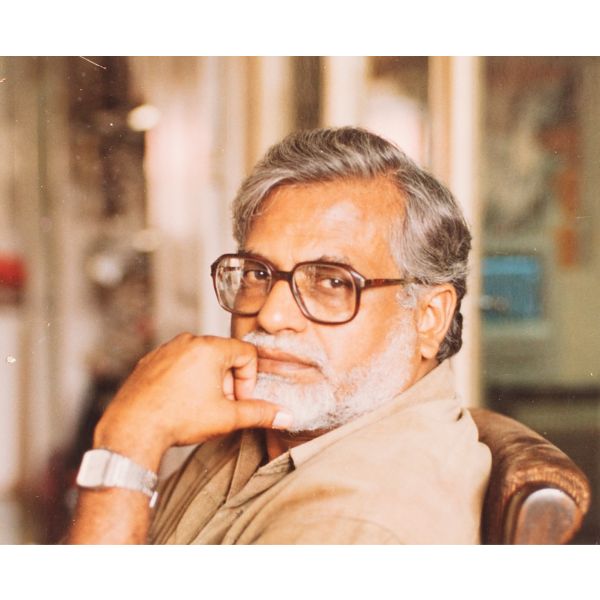 ArtistsManu Parekh$0.00Born in Ahmedabad, Gujarat, Manu Parekh studied at Sir J. J. School of Art, Bombay. With influences as varied as Arshile Gorky, Roberto Matta, S. B. Palsikar and Rabindranath Tagore, Parekh has always sought to explore his inner landscape through art. Learn More
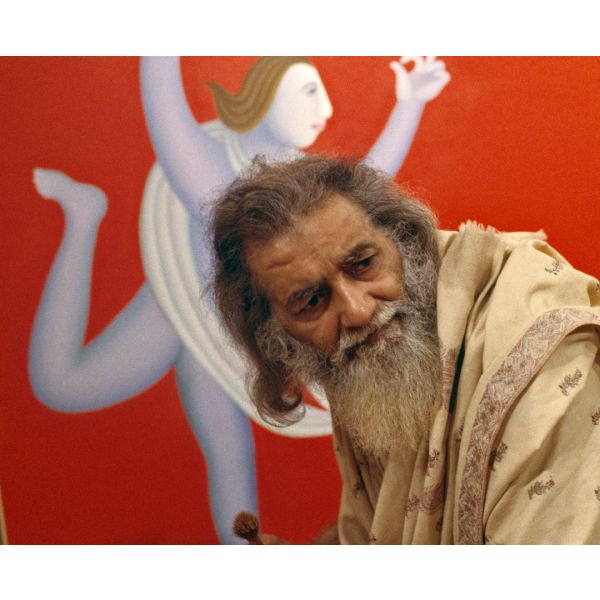 ArtistsManjit Bawa$0.00Born in Dhuri, Punjab, Manjit Bawa was encouraged by his brothers to pursue art and he studied at Delhi Polytechnic from 1958-63 under eminent artist-teachers Somnath Hore, Dhanraj Bhagat, B. C. Sanyal, and Abani Sen. He moved to England in 1964, where he worked as a silkscreen printmaker and studied at London School of Painting. Learn More
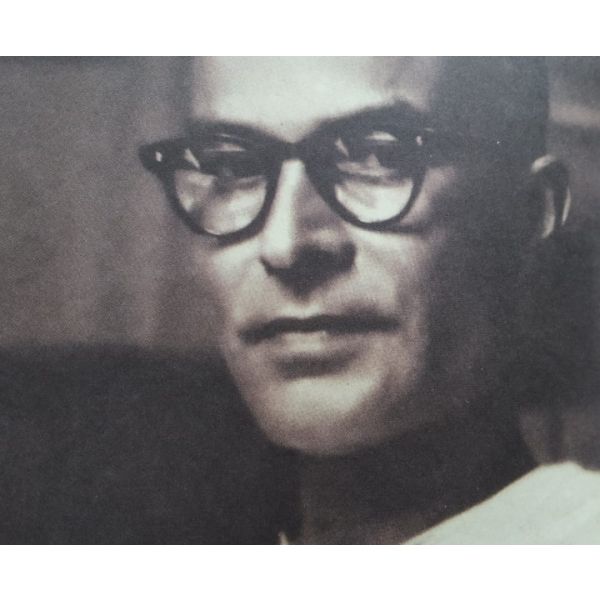 ArtistsManiklal Banerjee$0.00A watercolourist par excellence known for his paintings on silk, Maniklal Banerjee was born in Borisal in present-day Bangladesh. He studied at Government College of Art in Calcutta and while still a student, became the first Indian artist to receive the Government of India’s scholarship for the arts. Learn More
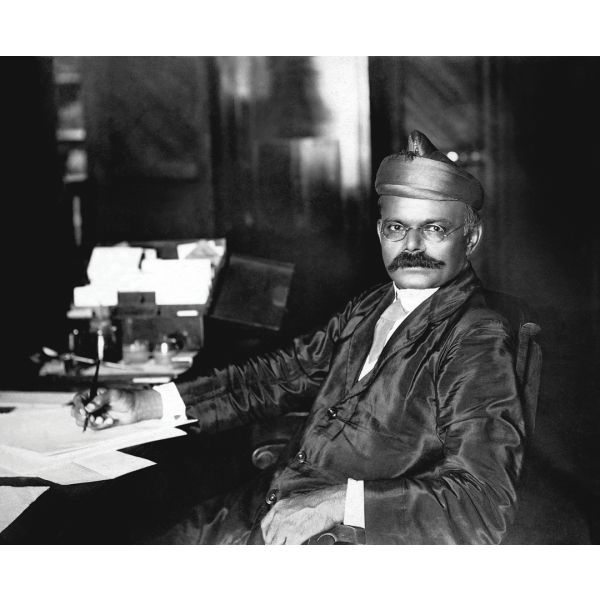 ArtistsM. V. Dhurandhar$0.00Possibly the most popular academic Indian artist after Raja Ravi Varma, M. V. Dhurandhar was born in Kolhapur. An early interest in drawing led his father to admit him to Sir J. J. School of Art, Bombay, where he received special encouragement from its principal, John Griffiths. Learn More
 ArtistsM. S. Joshi$0.00Born in Nashik, Maharashtra, M. S. Joshi studied at Sir J. J. School of Art, Bombay, in the 1930s. Joshi combined his training in academic realism with a sense of vitality, precision and aesthetics to reveal India’s rich cityscapes and landscapes in his watercolour and gouache works. There was immense depth in the rendering of his subjects, which included people, places, architectural elements, all done in a subdued yet textured palette. Learn More
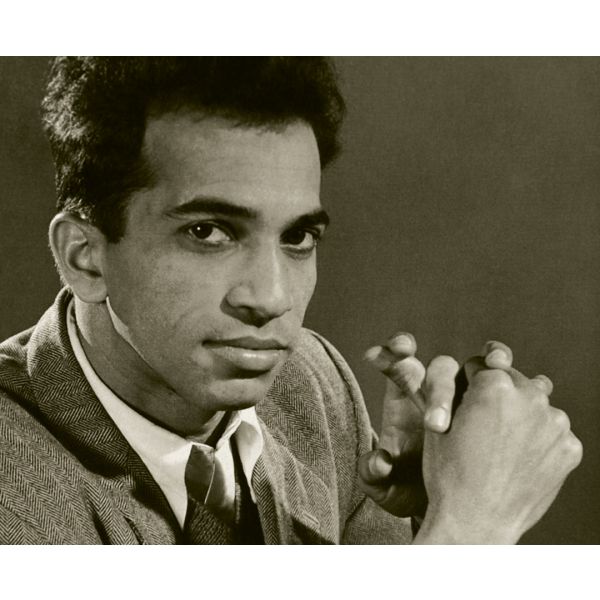 ArtistsLaxman Pai$0.00Born in Margao, Goa, on 21 January 1926, Laxman Pai studied and later taught at Sir J. J. School of Art, Bombay. He participated in Mahatma Gandhi’s Satyagraha movement against the British rule that led to his imprisonment. Later, he participated in the movement to liberate Goa from centuries of Portuguese rule. Learn More
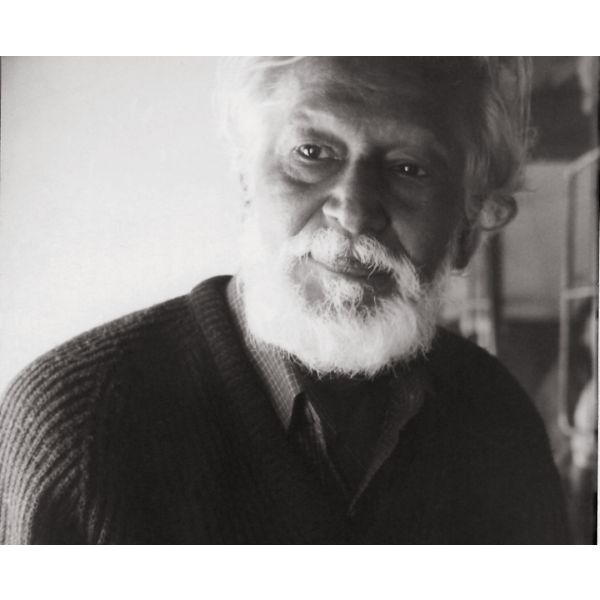 ArtistsL. Munuswamy$0.00A dynamic artist, intellectual, and educator, L. Munuswamy was a prominent practitioner within the Madras Art Movement who made abstraction a personal language in his artistic vocabulary. What made his works appealing was the international character, his individualistic vision and single-minded pursuit in his artistic endeavours. Learn More
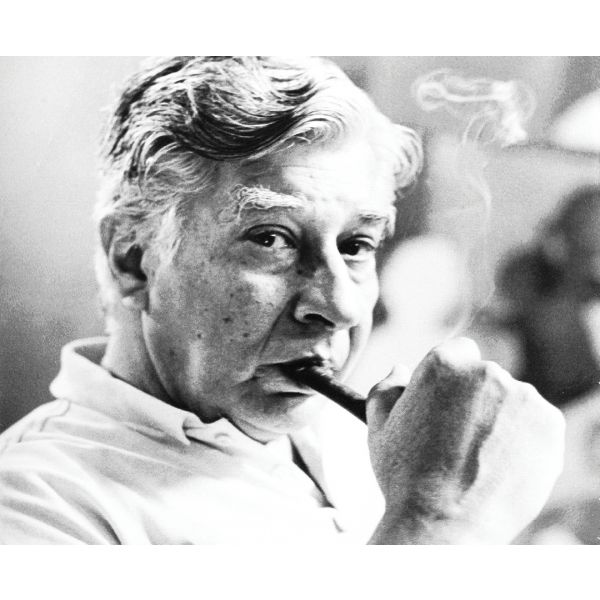 ArtistsKrishen Khanna$0.00Born in Lyallpur in pre-Partition Punjab, Krishen Khanna grew up in Lahore. He studied at Imperial Service College, England, from 1938-42 as a Rudyard Kipling scholar. Returning to Lahore for a course in English literature at the Government College, he simultaneously took evening classes at the Mayo School of Art. Khanna briefly worked as a printer at Kapur Art Press, Lahore, before his family moved to Simla upon Partition. He worked at the Grindlays Bank in Bombay and Madras from 1946-61, subsequently resigning from his job to devote himself to art. Learn More
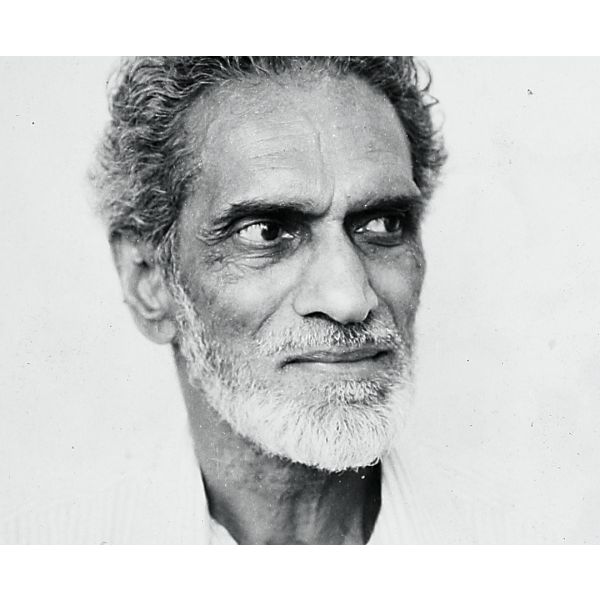 ArtistsK. S. Kulkarni$0.00Forced to paint signboards at the age of eleven when his father died, Krishna Shamrao Kulkarni battled numerous early struggles to achieve a pre-eminent place in modern Indian art. Born in a village in Belgaum in Karnataka in 1916, Kulkarni engaged with modernist techniques and mediums to create a highly individuated pictorial language. Learn More