Search results for: 'Street wa'
-
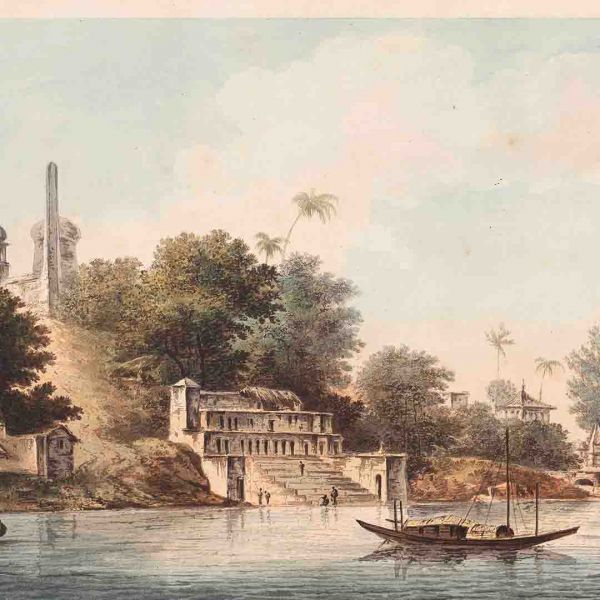
ExhibitionsWilliam Hodges & the Prospect of IndiaAs low as $1.00William Hodges (1744-97) was a pioneer in more ways than one. He was the first British landscape painter to visit India, and to portray scenery across the whole breadth of the Gangetic plain. As a writer, he gave the first detailed descriptions of numerous historic Indian buildings, and he theorised about the origins and evolution of Indian architectural design. His art illustrates his exploration into terrain which—in its breadth and scope—was at the time almost as unfamiliar to Indian as to Western eyes.
Learn More -
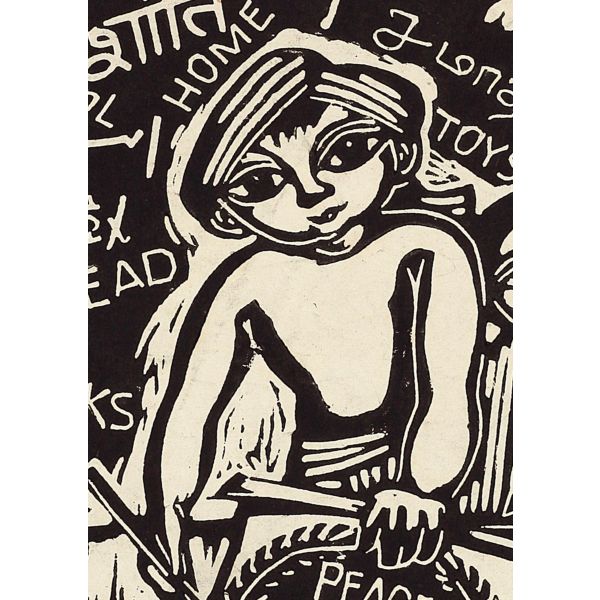
ExhibitionsLiving Traditions & The Art of Jamini RoyAs low as $1.00Jamini Roy’s was an art of quiet resistance that assimilated so seamlessly into the folk and craft traditions of Bengal that it did not cause any discernible ripples among the prevalent artistic mood. All around him, art was being nurtured, questioned, uprooted—it was, after all, a period when nationalist feelings ran high and a search for an indigenous lexicon was paramount—but Jaminida’s ability to look to tradition for a modern approach, though revolutionary, was instinctively natural and organic. It was art that everyone understood and wanted to take home. No wonder Jamini babu became a household name in his native Calcutta and went on to be honoured as one of the pre-eminent National Treasure artists of the country whose art has the greatest acceptance of any known Indian modernist.
Learn More -
-
ExhibitionsThe Seventies ShowAs low as $1.00The 1970s was a decade like no other for a young India gaining in confidence nationally as well as on the global firmament. In 1971, Prime Minister Indira Gandhi led the country to a decisive victory against Pakistan, leading to the creation of Bangladesh. The Green Revolution had borne fruit, and Operation Flood now launched a milk revolution in the country, and the culmination of the privy purse turned it into a socialist republic with a strong handle on its economic button. Internationally, much was made of India’s resilience, and the country’s soft power began to win it recognition for its films, fashion, food and culture. India had arrived. ALTAF AMBADAS AMITAVA AVINASH CHANDRA BIKASH BHATTACHARJEE BIREN DE BIRESWAR SEN ERIC BOWEN F. N. SOUZA G. R. SANTOSH GANESH HALOI GOGI SAROJ PAL INDRA DUGAR J. SULTAN ALI J. SWAMINATHAN K C S PANIKER K. K. HEBBAR K. LAXMA GOUD KRISHNA REDDY LAXMAN PAI M. F. HUSAIN MADHVI PAREKH NAVJOT ALTAF P. T. REDDY PARITOSH SEN PRABHAKAR BARWE PRODOSH DASGUPTA PROKASH KARMAKAR RABIN MONDAL RAJENDRA DHAWAN RAM KUMAR S G VASUDEV SATISH GUJRAL SHANTI DAVE SHYAMAL DUTTA RAY SOHAN QADRI TYEB MEHTA V. VISWANADHAN ZARINA HASHMI
Learn More -
JournalThe Journal Goes Live$0.00On the thirtieth year of DAG’s presence in the Indian art landscape, we are especially delighted to share with our readers the first issue of our Journal. DAG has upheld a high quality of research through exhibitions and publications that have shaped how people understand Indian modern art. Through this journal, we want to keep those discussions going and point towards newer ways to approach the period of modernism—joining the dots that lead those significant artistic breakthroughs into the contemporary. We also want to create a space where readers can gain privileged access into the people and organizations who works around the clock to keep the art world ticking.
Learn More -
JournalRadical as a way of Being: Inaugural Contemporary Fellow Nalini Malani at London's National Gallery$0.00What is the role of collectors and collections or archives in the world of art today? Does it simply allude to practices of producing a consumable past today or does it also aspire to question the ways in which history has been shaped by powerful interventions in the form of artworks, performances and installations? In this series of conversations, we wanted to explore the idea of collecting recent or contemporary art—and how it inevitably takes us back to the moderns who influenced such practices heavily.
Learn More