Search results for: 'best things to be seen at the world's fair use'
-
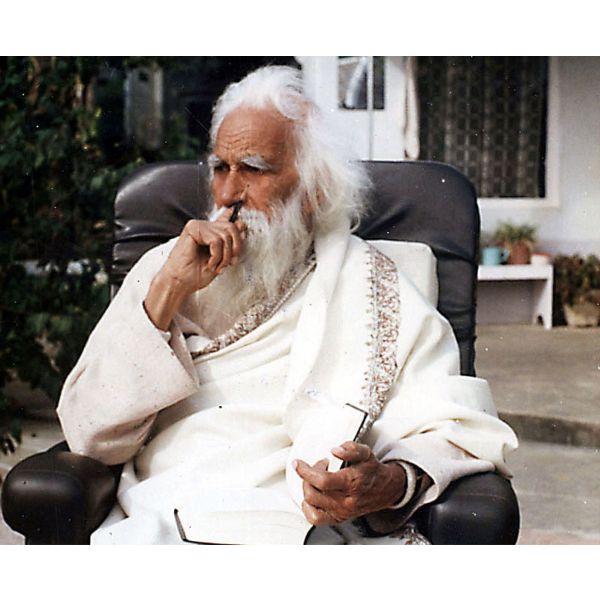 ArtistsSobha Singh$0.00The most definitive painter of the portraits of the Sikh gurus, Sobha Singh was born on 29 November 1901 at Gurdaspur in the Punjab. Interested in the arts since childhood, he learnt to draw and sculpt on his own, the early death of his parents depriving him of formal training in art. He joined the British Indian army as a draughtsman and continued to learn from studying the works of English and European artists. Learn More
 -
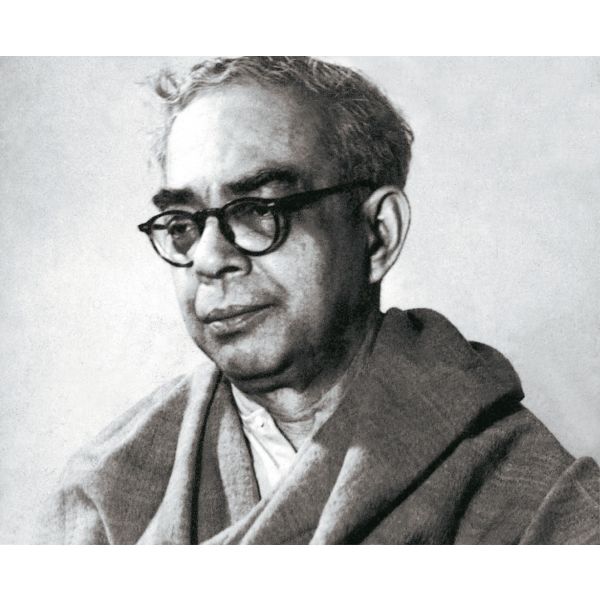 ArtistsSatish Sinha$0.00Born on 15 August 1894 in the north Calcutta neighbourhood of Nather Bagan, Satish Sinha showed an aptitude for the arts since childhood. He enrolled at the Government School of Art at the age of eighteen as a pupil of Abanindranath Tagore. However, he had to give up studying within three years due to his father’s death. He joined an insurance company as an agent to earn his livelihood but continued to study painting privately. Learn More
 -
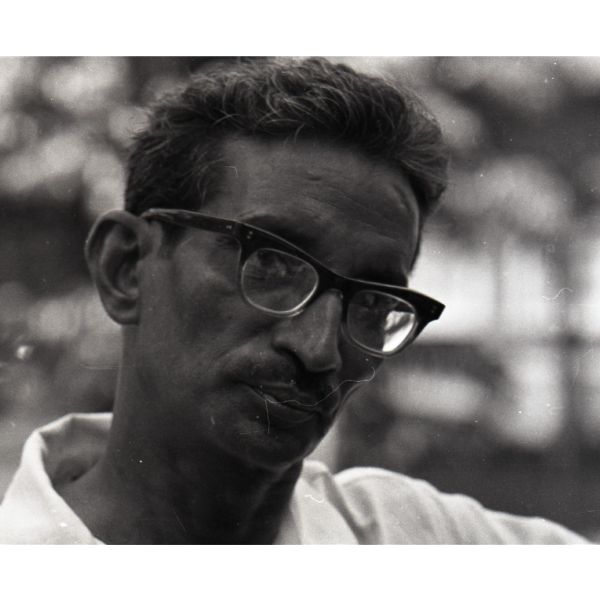 ArtistsSankho Chaudhuri$0.00One of India’s foremost sculptors, Sankho Chaudhuri’s work is an important key in the evolution of modern, abstract sculpture in the country, breaking away from traditional figuration and mid-Victorian academic naturalism. Learn More
 -
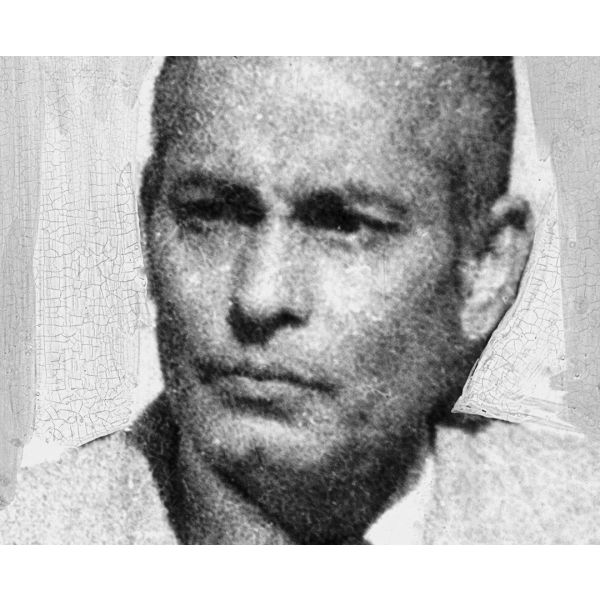 ArtistsSailoz Mookherjea$0.00
Perhaps the least celebrated of the nine National Treasure artists of India, Sailoz Mookherjea was one of the earliest modern painters of the country, and also one of the earliest to study in Paris, in 1937.
Learn More -
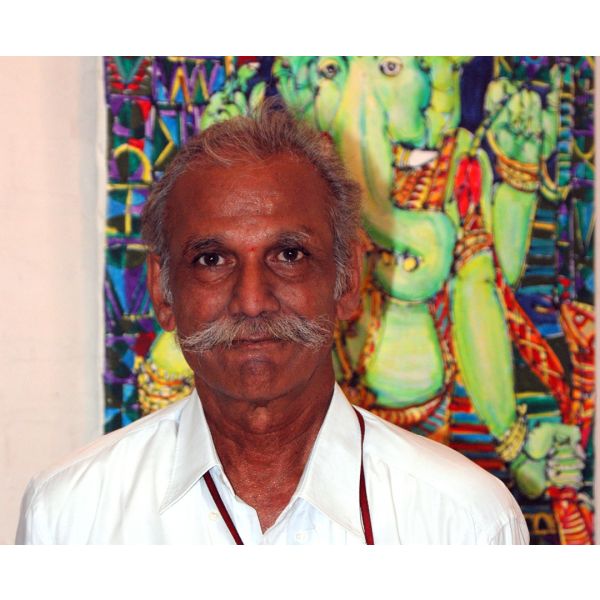 ArtistsM. Suriyamoorthy$0.00An important artist of the Madras Group that synthesised modernism by melding Indian traditions with Western modernist techniques under the direction of K. C. S. Paniker, M. Suriyamoorthy’s visual language employed emphatic regional and folk imagery. Learn More
 -
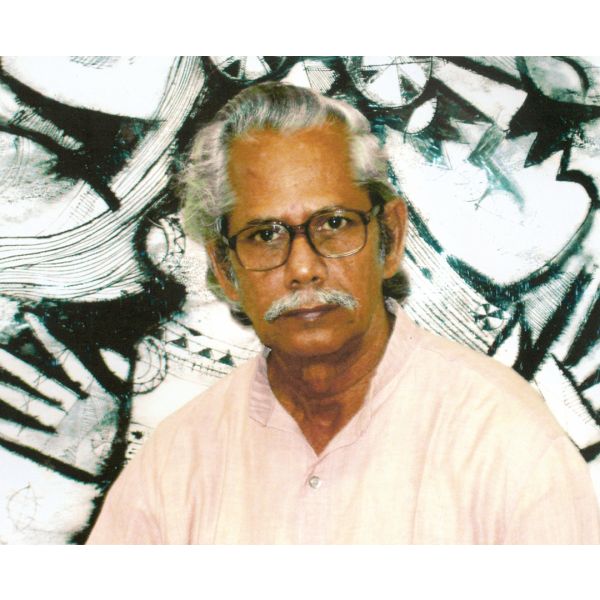 ArtistsM. Senathipathi$0.00A student of K. C. S. Paniker—the influential artist-teacher and founding father of the Madras Art Movement—M. Senathipathi is known for his richly textured works drawn from mythology and contextualised in contemporary social issues. Learn More
 -
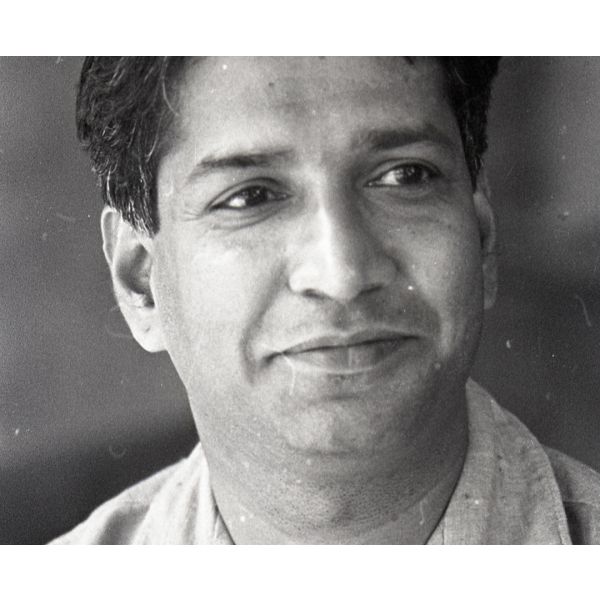 ArtistsK. G. Subramanyan$0.00Born in Kerala on 15 February 1924, K. G. Subramanyan was studying economics at the Presidency College, Madras, when he joined India’s struggle for freedom, and was imprisoned and debarred from government colleges. Learn More
 -
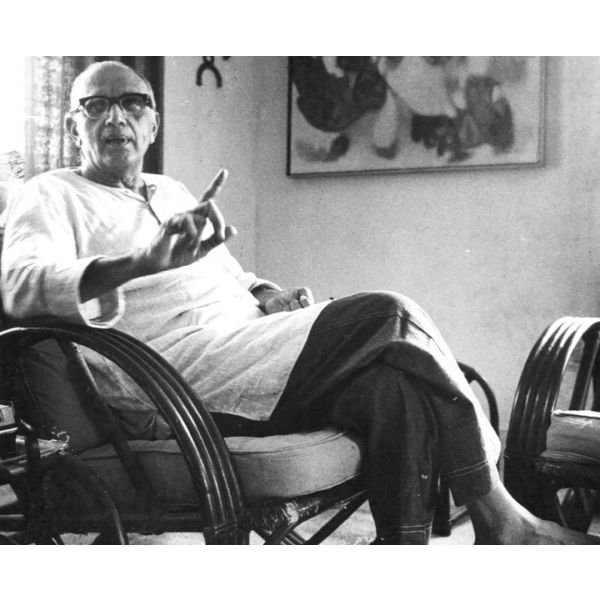 ArtistsJ. Sultan Ali$0.00Born in a Bombay-based business family, J. Sultan Ali’s first act of rebellion was to leave the safety of the family trade and join sculptor-teacher D. P. Roy Chowdhury at the Government College of Art in Madras in 1945. He also studied textile design at the Madras Government Textile Institute, and pursued a photography course in London. Learn More
 -
-
-
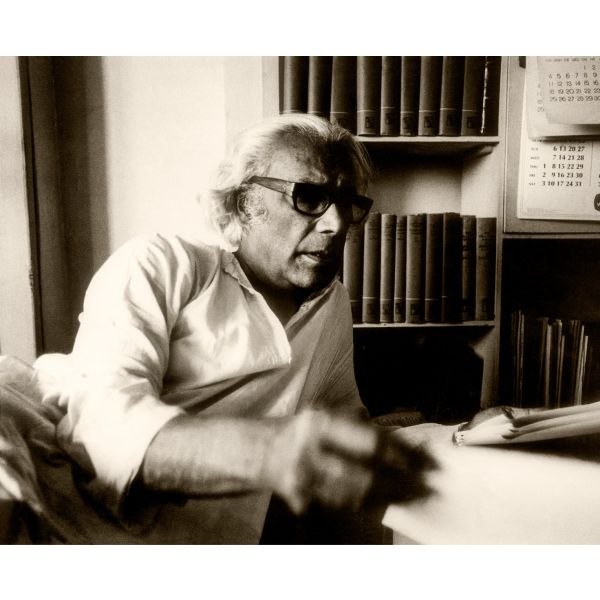 ArtistsProdosh Das Gupta$0.00Born in Dacca (now Dhaka) in present-day Bangladesh, Prodosh Das Gupta studied sculpture under Hiranmoy Roy Chowdhary at the Lucknow School of Arts and Crafts (1932-33), and under D. P. Roy Chowdhury at Government School of Art and Craft, Madras (1933-37). Over the next two years, he studied bronze casting at LCC Central School, London, and sculpture at Royal Academy of Arts, London, and Académie de la Grande Chaumière, Paris. He returned to India in 1940 and set up his studio in Calcutta. He subsequently taught at M. S. University, Baroda, and at Calcutta’s Government College of Arts and Crafts. Learn More