


Search results for: 'Receta de palak paneer c'
-
 JournalConscious Collecting with Asia Art Archive and Durjoy Rahman$0.00
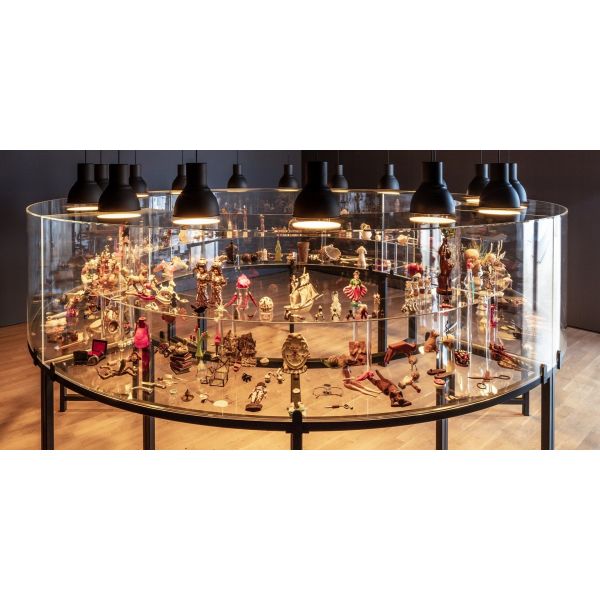
What is the role of collectors and collections or archives in the world of art today? Does it simply allude to practices of producing a consumable past today or does it also aspire to question the ways in which history has been shaped by powerful interventions in the form of artworks, performances and installations? In this series of conversations, we wanted to explore the idea of collecting recent or contemporary art—and how it inevitably takes us back to the moderns who influenced such practices heavily.
Learn More -
 JournalFour Famous Collectors who shaped Indian art history$0.00
How did the idea of Indian art come to be constructed over the last century and more? The painstaking work of collectors and curators went a long way towards establishing the history of art in India. In this article we highlight some of the most significant collectors of art from South Asia over the course of the twentieth century. Usually starting as personal collections, most of them would eventually donate their works to museums in India or abroad, allowing these rare works to be seen regularly by new generations of art enthusiasts across the world. Their collections, curated exhibitions and publications fashioned the canons of Indian modern and pre-modern art
Learn More -
 JournalThe Artist as Collector: At Home with Shuvaprasanna$0.00
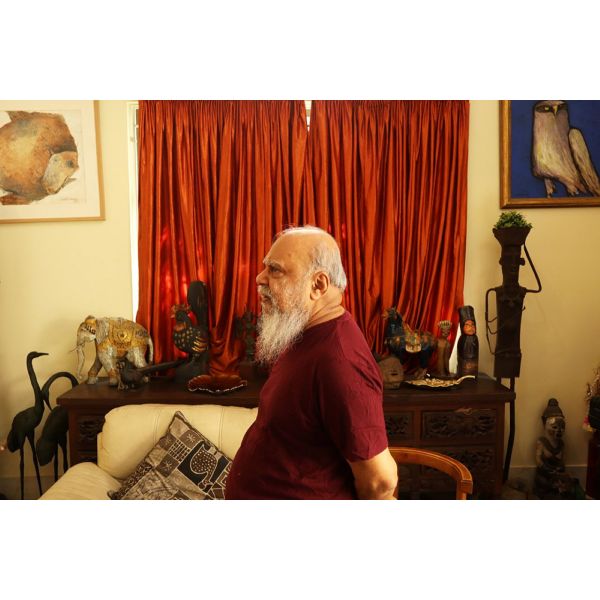
Artist and institution-builder Shuvaprasanna’s residence is located in a leafy corner of Kolkata’s suburban township, Bidhannagar or ‘Salt lake City’, which was envisaged by the former Chief Minister of West Bengal, Dr. Bidhan Chandra Roy in the late 1950s. Having grown up elsewhere—in College Street, in fact—the artist only moved here in 2002-03 with his family, which included his wife and fellow-artist, Shipra Bhattacharya. In this photo-essay we will learn about Shuvaprasanna’s personal collection and the relationship between his collecting practices and his art-making.
Learn More -
 JournalThe French Connection: S. H. Raza at Paris' Centre Pompidou$0.00
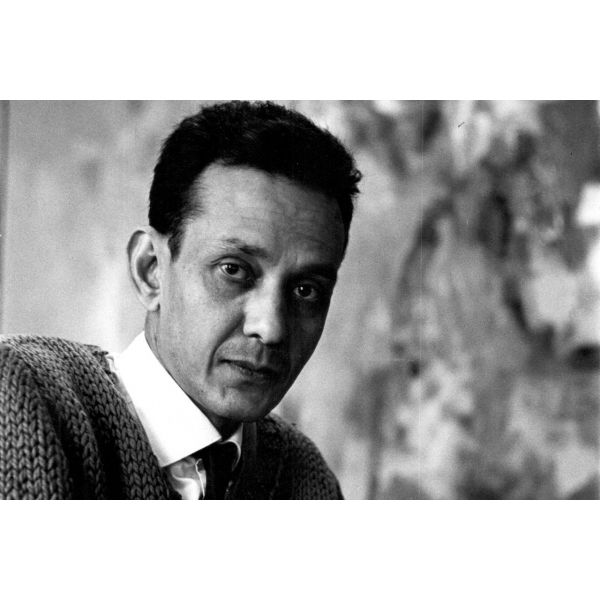
In February, Paris' Centre Pompidou--a premier centre for modern art since its construction in 1977--mounted an extensive solo show looking back at S. H. Raza’s career in painting. It represents a historic moment for Indian modern art’s international story as it unfolded over the twentieth century, and also marked Raza's own symbolic return to the place where he stayed for most of his working life. The fertile post-independent period saw cross-cultural connections being forged by Indian artists in Europe and America on their own terms and this show is a testament to Raza’s evolving encounters with land and mythology. The curators, Catherine David and Diane Toubert, spoke to DAG highlighting some of the takeaways from this major retrospective.
Learn More -
 JournalThe City as a Museum: Edition 2, Kolkata 2023$0.00
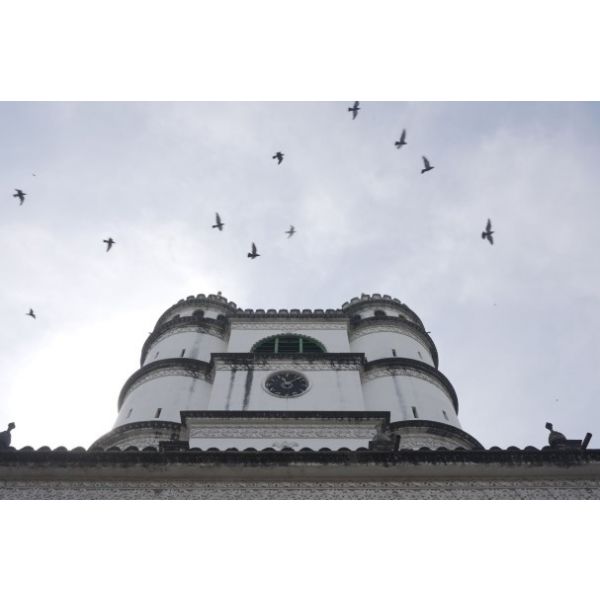
'The City as a Museum' in an annual art and heritage festival by DAG's Museums Programme. The second edition returned to Kolkata to celebrate the city's rich history of artistic practices and exchange. We travelled across the city and beyond to heritage spaces, artists' homes, and rare collections through unique walks, workshops, talks, performances and more. Explore a snapshot of this journey through photographs by Parameshwar Halder.
Learn More -
 JournalDrishyakala by DAG in collaboration with ASI$0.00
DAG in collaboration with ASI (Archaeological Survey of India) presents Drishyakala. An incredible array of over 400 artworks spread over 25,000 square ft. by India’s leading artists from the DAG collection—made all the more unique for its presentation within a UNESCO World Heritage Site—the Red Fort.
Learn More -
 Collection StoriesAfter the Storm: Chittaprosad’s late oeuvre$0.00
Chittaprosad Bhattacharya (1913-1978) was a versatile artist and a lifelong adherent of the socialistic worldview. In 1943, he traveled across the famine-stricken villages of Bengal and produced realistic sketches of human suffering that were regularly published in the pages of the Communist Party journal 'People’s war'. These sketches were later compiled and published as a booklet under the title 'Hungry Bengal'. Fascinated by his artistic skills, the General Secretary of Communist Party of India, Puran Chand Joshi took Chittaprosad to the Party’s headquarters in Bombay (now Mumbai).
Learn More -
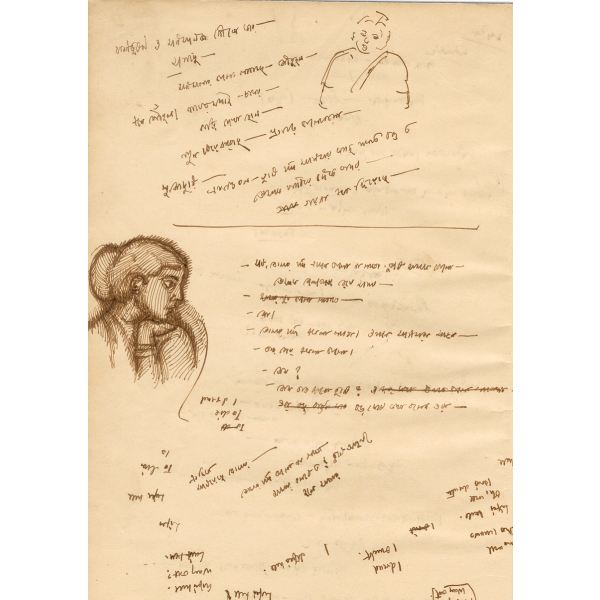 Collection StoriesScripting the Camera: Satyajit Ray’s cinema as ‘archive’$0.00
The DAG Archive has over 90,000 photographs taken by Nemai Ghosh, a bulk of which includes still photographs and behind the scenes images of films as well as candid and staged portraits of Satyajit Ray. In conjunction to these materials, DAG Archive has also acquired a set of two notebooks of Ray which contains the hand-written film scripts of <i>Ghare Baire</I> (The Home and The World, 1984) and Samapti (The Conclusion) which is one of the short films from the anthology, Teen Kanya (Three Women, 1961). Interestingly, both these films are adaptations from Rabindranath Tagore’s literary works.
Learn More -
 ArtistsCompany Paintings$0.00
Ethnographic mapping and documentation of a vast country like India was an important part of the political and economic expansion of the East India Company from the middle of the seventeenth century onwards.
Learn More -
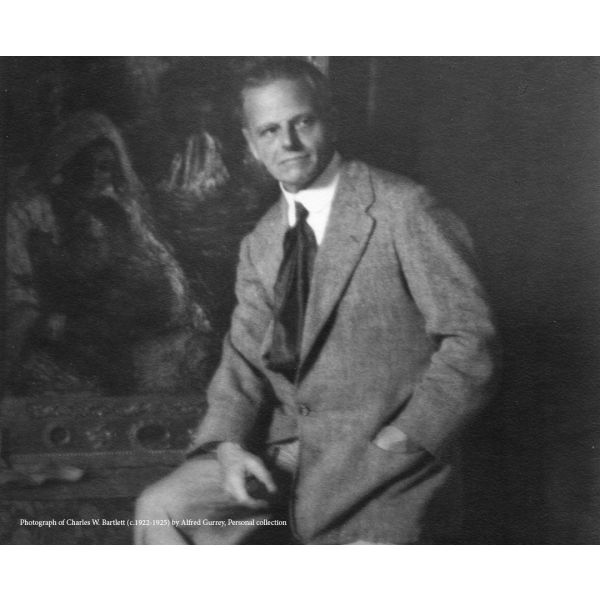 ArtistsCharles W. Bartlett$0.00
English painter Charles William Bartlett remains one of the most exceptional, non-Japanese woodblock artists of the twentieth century.
Learn More -
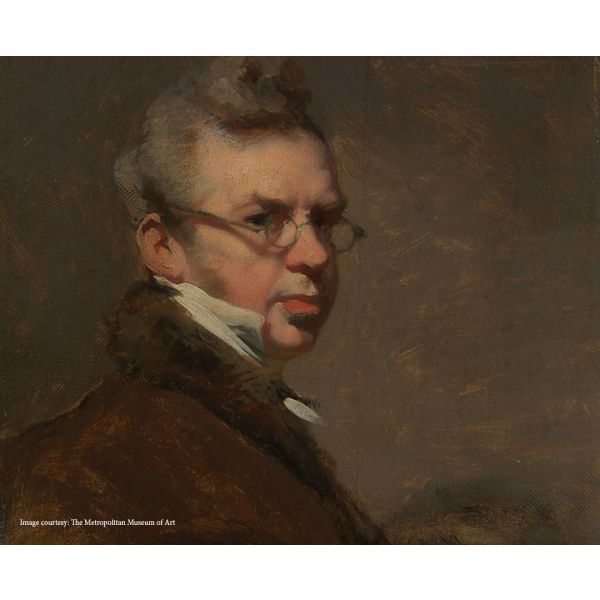 ArtistsGeorge Chinnery$0.00
English painter George Chinnery, who spent almost his entire career in the East and is today celebrated for his Oriental pictures of idyllic, daily scenes from India and China, was born in London on 7 January 1774.
Learn More -
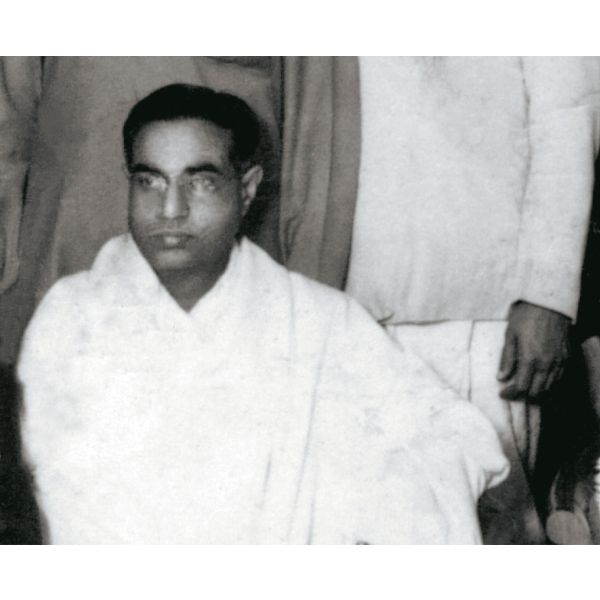 ArtistsSarada Charan Ukil$0.00An artist whose eponymously named art institution groomed some important Indian modern artists such as Ram Kumar and J. Swaminathan, Sarada Charan Ukil was an early pioneer of the Bengal School. Born on 14 November 1888 in Bikrampur near present-day Dhaka, Ukil shifted later to Calcutta with his family and studied at the city’s Government Art School under Abanindranath Tagore. Learn More