Born in Calcutta on 20 October 1947, Shuvaprasanna is a quintessential painter of the eastern metropolis that he unabashedly loves. He graduated from Indian College of Art, Rabindra Bharati University, Calcutta, in 1969. An active member of Calcutta Painters group, urban themes are a constant in his work. Beset by problems and politics, but possessing great potential, Kolkata has remained his abiding inspiration as he absorbs and responds to its upheavals, the tumult of its masses, and its frequent political turbulence. Learn More
Born in a family of limited means, Shanti Dave grew up in a village called Badpura in north Gujarat. Moving later to Ahmedabad, he earned a living by painting signboards and billboards for films before enrolling at the Faculty of Fine Arts, M. S. University, Baroda, where he studied under eminent artist-teacher N. S. Bendre, completing his graduation (1950-56) and post piploma in Fine Art (1956-58). Learn More
One of the last proponents of the Bengal School, Sanat Kumar Chatterjee was born in 1935 in Lucknow, and grew up in various cities of British India as his father had a transferable job with Indian Railways. Encouraged by his parents, he obtained a diploma in fine arts from the Government College of Arts and Crafts, Lucknow, in 1960. Learn More
S. L. Haldankar was born in Sawantwadi, a princely state in the Bombay Presidency of the British Raj, or present-day Maharashtra. His talent for the arts was spotted by his school headmaster and Haldankar received a scholarship to study at Sir J. J. School of Art, from where he took a diploma in painting in 1903. Learn More
A founder-member of the Progressive Artists’ Group, Sadanandji K. Bakre was born in Baroda, Gujarat, on 10 November 1920. He obtained a diploma in modelling and stone carving from Sir J. J. School of Art, Bombay, following which he was a pilot with the Air Force during the Second World War. Learn More
Born in Dacca (now Dhaka) in present-day Bangladesh, Prodosh Das Gupta studied sculpture under Hiranmoy Roy Chowdhary at the Lucknow School of Arts and Crafts (1932-33), and under D. P. Roy Chowdhury at Government School of Art and Craft, Madras (1933-37). Over the next two years, he studied bronze casting at LCC Central School, London, and sculpture at Royal Academy of Arts, London, and Académie de la Grande Chaumière, Paris. He returned to India in 1940 and set up his studio in Calcutta. He subsequently taught at M. S. University, Baroda, and at Calcutta’s Government College of Arts and Crafts. Learn More
Born in an educator’s family on 7 April 1934 in a small town in Gujarat, Natvar Bhavsar studied to be a drawing teacher and began his career in Chanasma. He then joined the C. N. School in Ahmedabad for its five-year diploma course in art offered by Sir J. J. School of Art; simultaneously, he continued to study for his master’s in teaching art. Learn More
Nandalal Bose’s growth as a painter is closely associated with the Tagore family. Hailing from Munger in Bihar, Bose was fifteen when he came to Calcutta to continue his education, where his passion for art ultimately took him to the Government College of Arts and Crafts, to be groomed by Abanindranath Tagore from 1905-10. Learn More
Born in Shivpur Diyar in Ballia district of Uttar Pradesh, Muni Singh studied at College of Art, Lucknow. In 1963, he received formal training in fresco-making from Banasthali Vidyapith, Rajasthan. A contemporary of Badri Nath Arya, R. S. Bisht, and Sanat Chatterjee, Singh’s preferred medium was watercolour. He mastered the miniature style of painting—Mughal, Rajput, and Pahari—and translated it into his own idiom and technique. Learn More
Born in Bombay, Mohan Samant showed early proficiency for both music and art. A lifelong player of sarangi—an Indian bowed, string instrument—Samant chose painting as a career and obtained a diploma from Sir J. J. School of Art, Bombay, in 1952. In the early 1950s, he was influenced by his teacher Shankar Palsikar, a painter of the traditional school, but moved soon towards an expressionistic mode in an attempt to discover his own style, fusing the expressive, the primitive and the abstract in his art. Learn More
Born in Margao, Goa, on 21 January 1926, Laxman Pai studied and later taught at Sir J. J. School of Art, Bombay. He participated in Mahatma Gandhi’s Satyagraha movement against the British rule that led to his imprisonment. Later, he participated in the movement to liberate Goa from centuries of Portuguese rule. Learn More
Forced to paint signboards at the age of eleven when his father died, Krishna Shamrao Kulkarni battled numerous early struggles to achieve a pre-eminent place in modern Indian art. Born in a village in Belgaum in Karnataka in 1916, Kulkarni engaged with modernist techniques and mediums to create a highly individuated pictorial language. Learn More



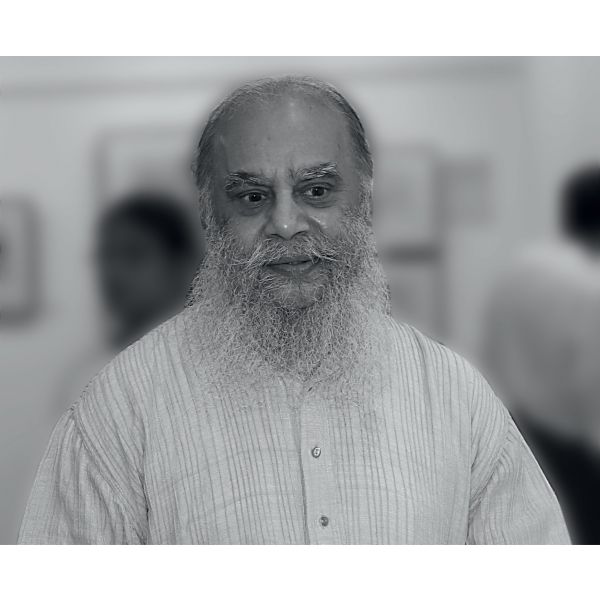 ArtistsShuvaprasanna$0.00Born in Calcutta on 20 October 1947, Shuvaprasanna is a quintessential painter of the eastern metropolis that he unabashedly loves. He graduated from Indian College of Art, Rabindra Bharati University, Calcutta, in 1969. An active member of Calcutta Painters group, urban themes are a constant in his work. Beset by problems and politics, but possessing great potential, Kolkata has remained his abiding inspiration as he absorbs and responds to its upheavals, the tumult of its masses, and its frequent political turbulence. Learn More
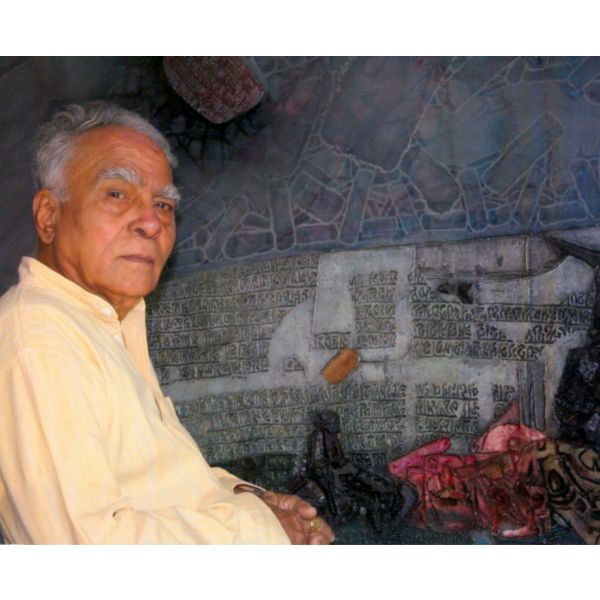 ArtistsShanti Dave$0.00Born in a family of limited means, Shanti Dave grew up in a village called Badpura in north Gujarat. Moving later to Ahmedabad, he earned a living by painting signboards and billboards for films before enrolling at the Faculty of Fine Arts, M. S. University, Baroda, where he studied under eminent artist-teacher N. S. Bendre, completing his graduation (1950-56) and post piploma in Fine Art (1956-58). Learn More
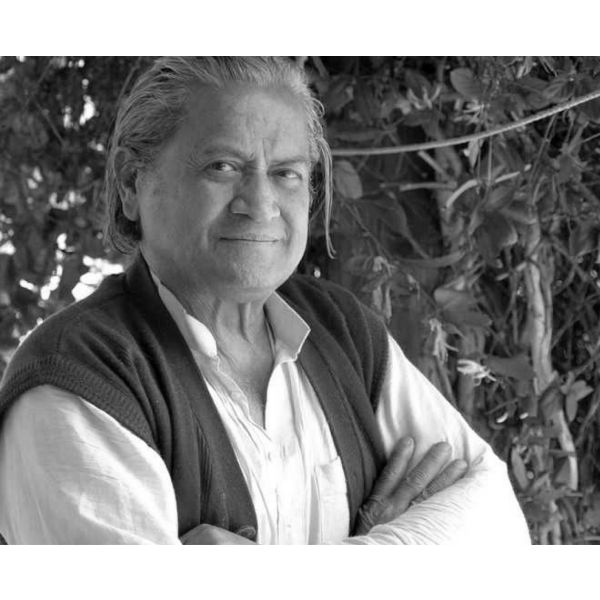 ArtistsSanat Chatterjee$0.00One of the last proponents of the Bengal School, Sanat Kumar Chatterjee was born in 1935 in Lucknow, and grew up in various cities of British India as his father had a transferable job with Indian Railways. Encouraged by his parents, he obtained a diploma in fine arts from the Government College of Arts and Crafts, Lucknow, in 1960. Learn More
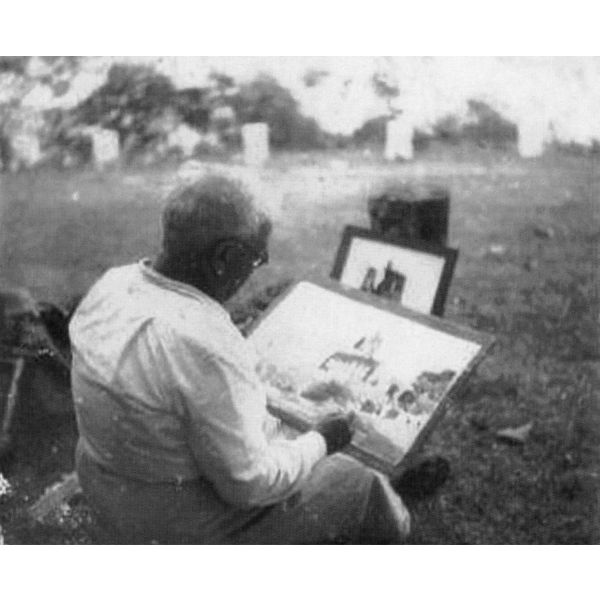 ArtistsS. L. Haldankar$0.00S. L. Haldankar was born in Sawantwadi, a princely state in the Bombay Presidency of the British Raj, or present-day Maharashtra. His talent for the arts was spotted by his school headmaster and Haldankar received a scholarship to study at Sir J. J. School of Art, from where he took a diploma in painting in 1903. Learn More
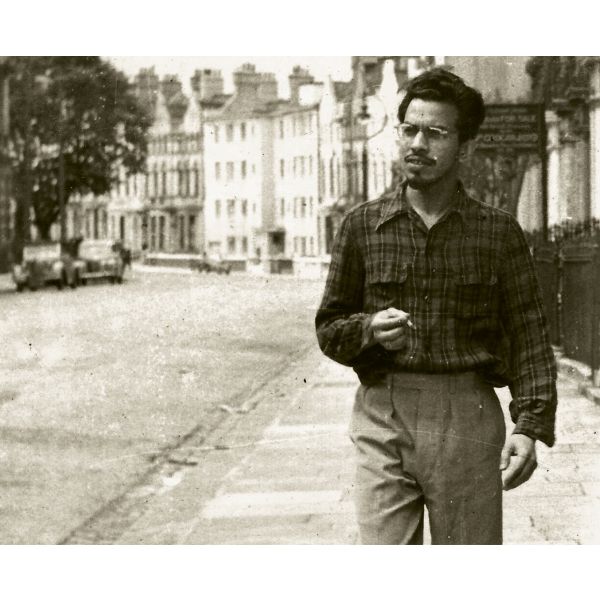 ArtistsS. K. Bakre$0.00A founder-member of the Progressive Artists’ Group, Sadanandji K. Bakre was born in Baroda, Gujarat, on 10 November 1920. He obtained a diploma in modelling and stone carving from Sir J. J. School of Art, Bombay, following which he was a pilot with the Air Force during the Second World War. Learn More
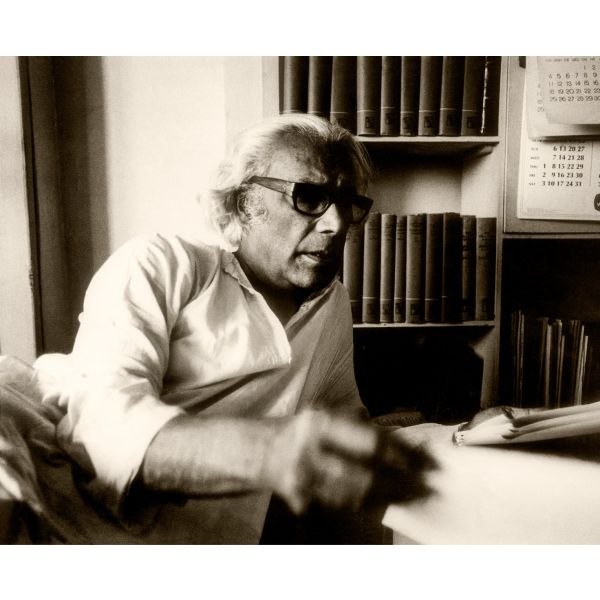 ArtistsProdosh Das Gupta$0.00Born in Dacca (now Dhaka) in present-day Bangladesh, Prodosh Das Gupta studied sculpture under Hiranmoy Roy Chowdhary at the Lucknow School of Arts and Crafts (1932-33), and under D. P. Roy Chowdhury at Government School of Art and Craft, Madras (1933-37). Over the next two years, he studied bronze casting at LCC Central School, London, and sculpture at Royal Academy of Arts, London, and Académie de la Grande Chaumière, Paris. He returned to India in 1940 and set up his studio in Calcutta. He subsequently taught at M. S. University, Baroda, and at Calcutta’s Government College of Arts and Crafts. Learn More
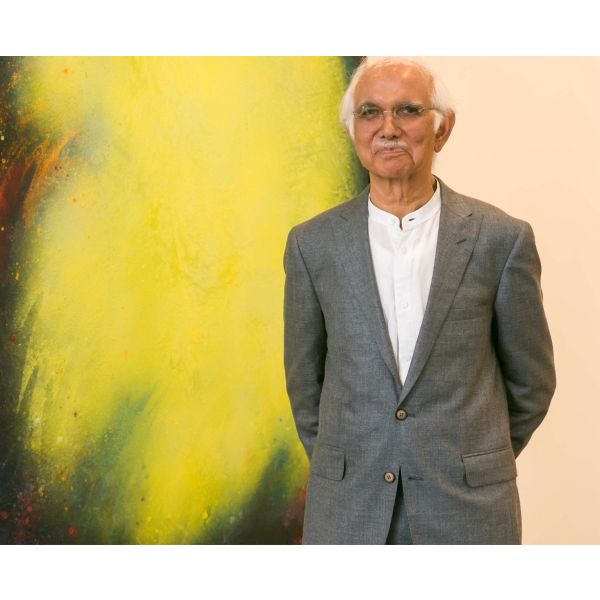 ArtistsNatvar Bhavsar$0.00Born in an educator’s family on 7 April 1934 in a small town in Gujarat, Natvar Bhavsar studied to be a drawing teacher and began his career in Chanasma. He then joined the C. N. School in Ahmedabad for its five-year diploma course in art offered by Sir J. J. School of Art; simultaneously, he continued to study for his master’s in teaching art. Learn More
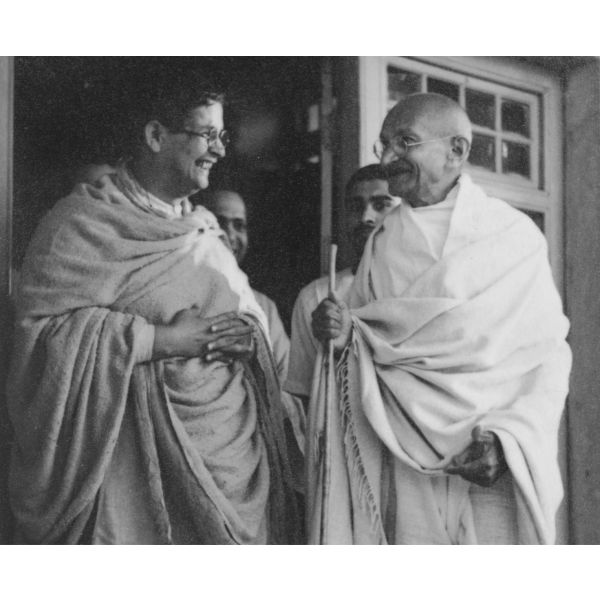 ArtistsNandalal Bose$0.00Nandalal Bose’s growth as a painter is closely associated with the Tagore family. Hailing from Munger in Bihar, Bose was fifteen when he came to Calcutta to continue his education, where his passion for art ultimately took him to the Government College of Arts and Crafts, to be groomed by Abanindranath Tagore from 1905-10. Learn More
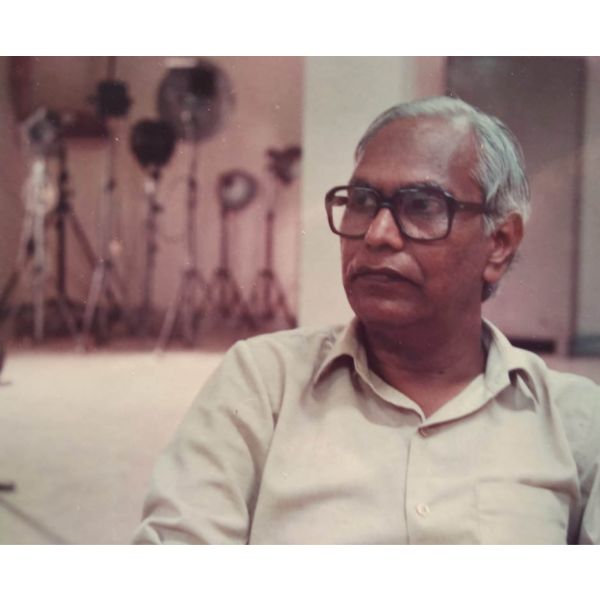 ArtistsMuni Singh$0.00Born in Shivpur Diyar in Ballia district of Uttar Pradesh, Muni Singh studied at College of Art, Lucknow. In 1963, he received formal training in fresco-making from Banasthali Vidyapith, Rajasthan. A contemporary of Badri Nath Arya, R. S. Bisht, and Sanat Chatterjee, Singh’s preferred medium was watercolour. He mastered the miniature style of painting—Mughal, Rajput, and Pahari—and translated it into his own idiom and technique. Learn More
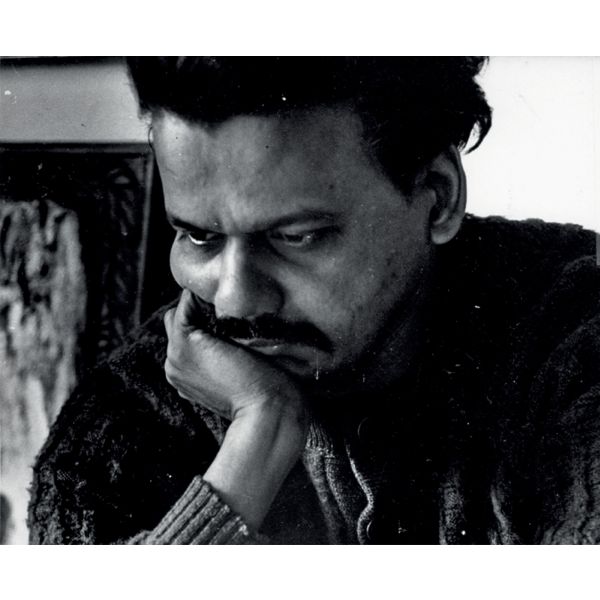 ArtistsMohan Samant$0.00Born in Bombay, Mohan Samant showed early proficiency for both music and art. A lifelong player of sarangi—an Indian bowed, string instrument—Samant chose painting as a career and obtained a diploma from Sir J. J. School of Art, Bombay, in 1952. In the early 1950s, he was influenced by his teacher Shankar Palsikar, a painter of the traditional school, but moved soon towards an expressionistic mode in an attempt to discover his own style, fusing the expressive, the primitive and the abstract in his art. Learn More
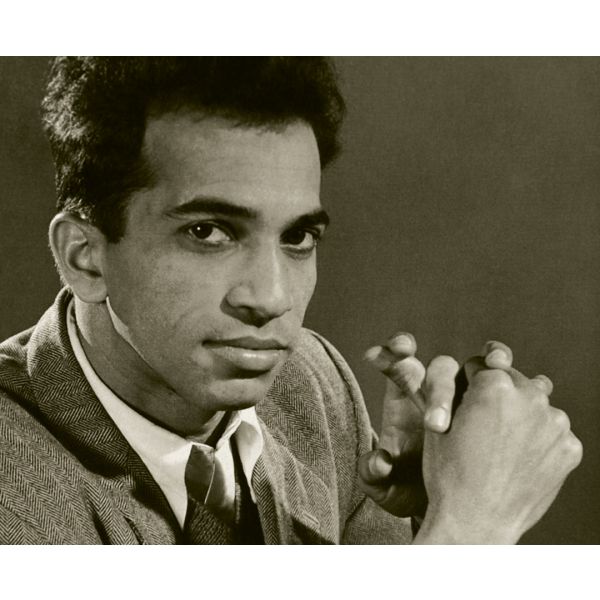 ArtistsLaxman Pai$0.00Born in Margao, Goa, on 21 January 1926, Laxman Pai studied and later taught at Sir J. J. School of Art, Bombay. He participated in Mahatma Gandhi’s Satyagraha movement against the British rule that led to his imprisonment. Later, he participated in the movement to liberate Goa from centuries of Portuguese rule. Learn More
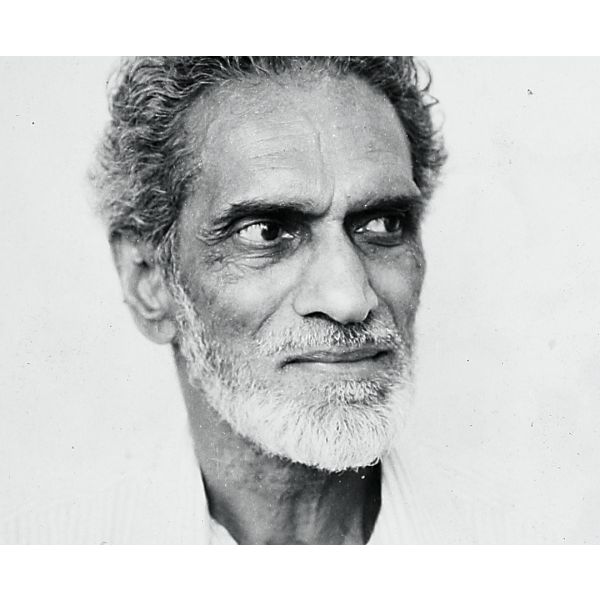 ArtistsK. S. Kulkarni$0.00Forced to paint signboards at the age of eleven when his father died, Krishna Shamrao Kulkarni battled numerous early struggles to achieve a pre-eminent place in modern Indian art. Born in a village in Belgaum in Karnataka in 1916, Kulkarni engaged with modernist techniques and mediums to create a highly individuated pictorial language. Learn More