


Search results for: 'nhị hổ có chết không'
-
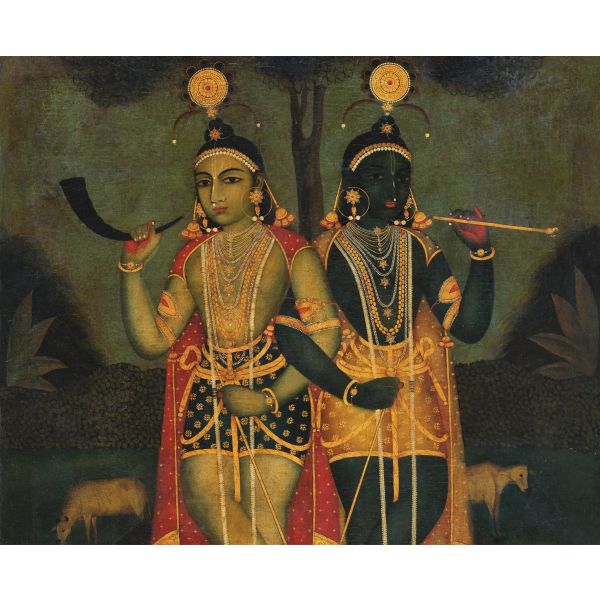 ArtistsEarly Bengal Oils$0.00A large number of anonymous oils on religious and mythological themes began to emerge in Bengal in the late eighteenth–early nineteenth century from the French colony of Chandernagore and the Dutch colony of Chinsurah. Variously called French or Dutch Bengal oils, they also came from other areas like Chitpur and Garanhata localities of Calcutta and thus came to be known as Early Bengal Oils. Learn More
 -
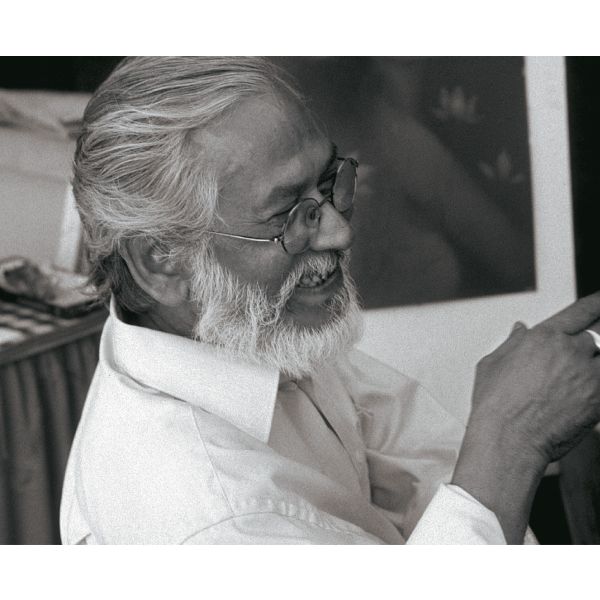 ArtistsSuhas Roy$0.00Born in Dacca (now Dhaka) in present-day Bangladesh, Suhas Roy had a difficult childhood after the early demise of his father. Yet, he pursued his passion for the arts with the support of his mother and studied at Indian College of Arts and Draughtsmanship, Calcutta, where he would eventually return as college principal. Learn More
 -
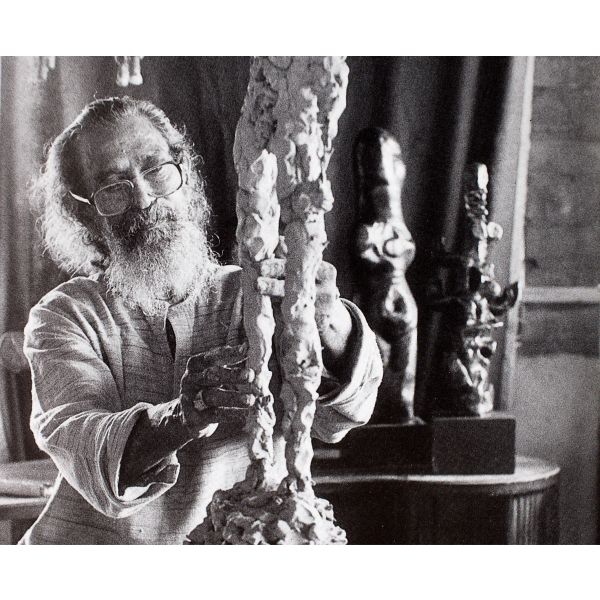 ArtistsS. Dhanapal$0.00Born on 3 March 1919 in Madras, S. Dhanapal trained under sculptor-teacher D. P. Roy Chowdhury at the city’s Government College of Art and Craft. He joined the faculty of his college after completing his studies, and, in 1957, when K. C. S. Paniker was principal, Dhanapal was appointed the head of the sculpture department. He eventually became principal of his alma mater in 1972. Learn More
 -
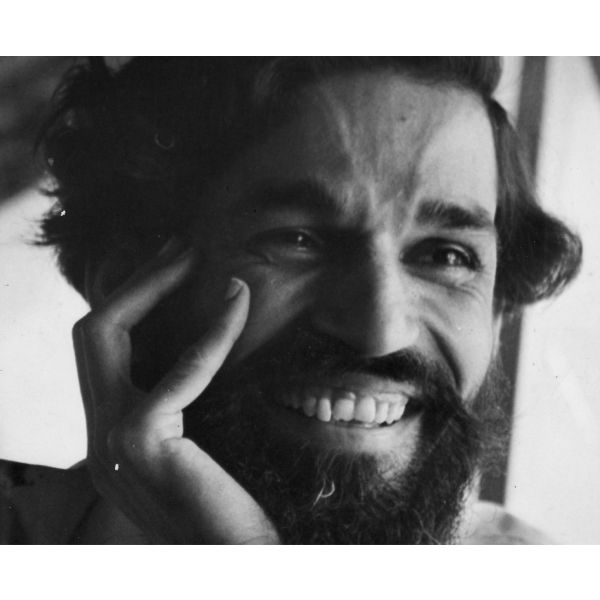 ArtistsRameshwar Broota$0.00A graduate of Delhi College of Art, Rameshwar Broota has been an art teacher throughout his career. He was a lecturer at his alma mater before moving to Jamia Millia Islamia University and then Sarda Ukil College, eventually taking over as head of department at Triveni Kala Sangam, a position he has held since 1984. Learn More
 -
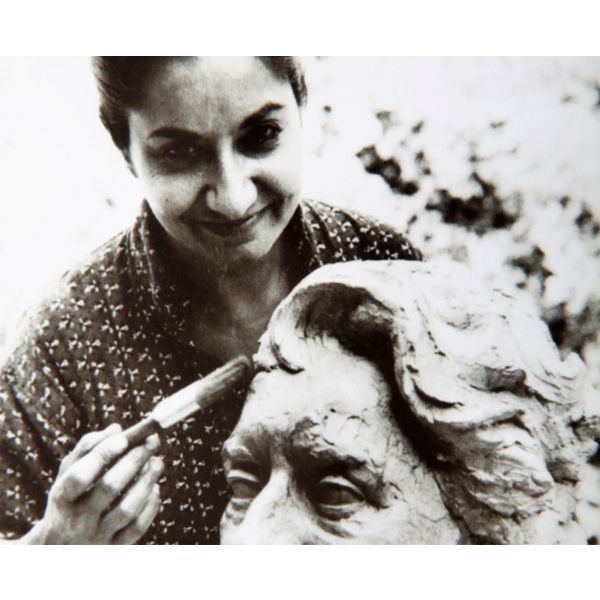 ArtistsLatika Katt$0.00Growing up in Dehradun, Latika Katt learnt to observe everything closely through the numerous trekking expeditions she took with her botanist father. She completed her bachelor’s in fine arts from Banaras Hindu University and later completed her master’s from the Faculty of Fine Arts, M. S. University, Baroda, in 1971. Interestingly, hers was the first art degree batch of the prestigious institution and she was the first female student to receive a gold medal in sculpture from the university. Later, in 1981, she received a research scholarship from the Slade School of Art, London. Learn More
 -
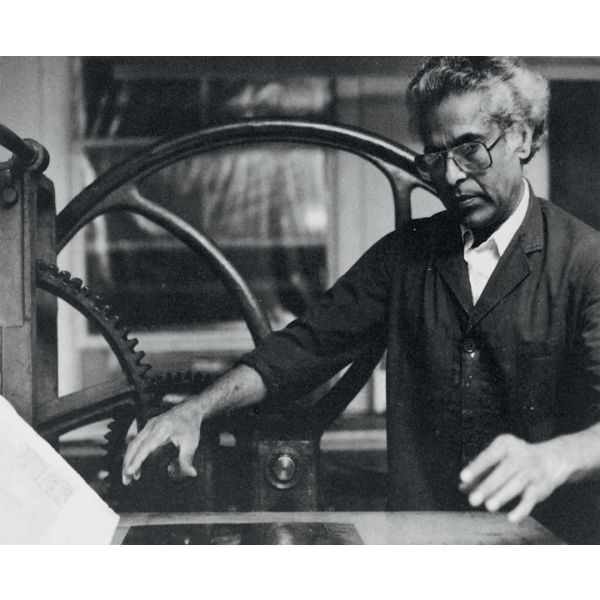 ArtistsKrishna Reddy$0.00Born in Chittoor, Andhra Pradesh, on 15 July 1925, Krishna Reddy is best remembered for pioneering the simultaneous colour printing technique, or the colour viscosity process, along with S. W. Hayter, in Paris. His journey to that seminal moment in Paris was preceded by a stint at Santiniketan, studying under Nandalal Bose (1942-47), and then, as head of the art section at Kalakshetra, Madras (1947-50). Learn More
 -
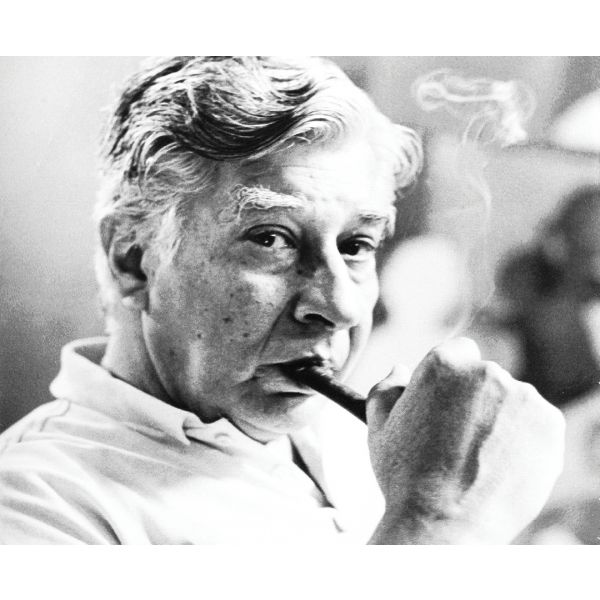 ArtistsKrishen Khanna$0.00Born in Lyallpur in pre-Partition Punjab, Krishen Khanna grew up in Lahore. He studied at Imperial Service College, England, from 1938-42 as a Rudyard Kipling scholar. Returning to Lahore for a course in English literature at the Government College, he simultaneously took evening classes at the Mayo School of Art. Khanna briefly worked as a printer at Kapur Art Press, Lahore, before his family moved to Simla upon Partition. He worked at the Grindlays Bank in Bombay and Madras from 1946-61, subsequently resigning from his job to devote himself to art. Learn More
 -
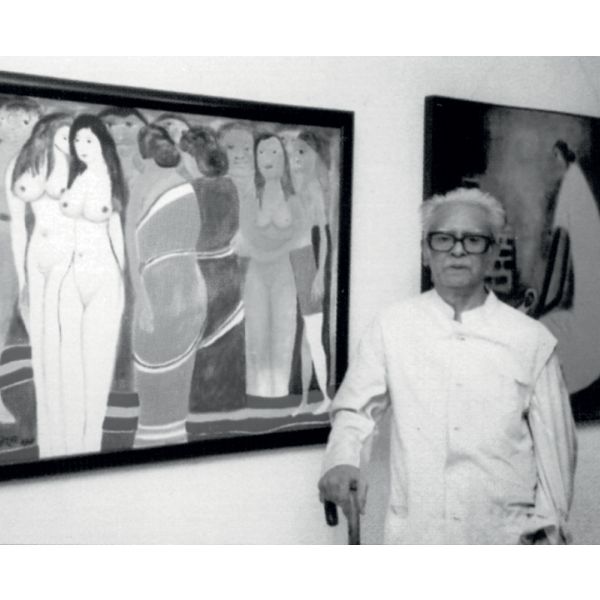 ArtistsKartick Chandra Pyne$0.00Born into an aristocratic family of gold merchants, Kartick Chandra Pyne took an interest in art at an early age. The older cousin of Ganesh Pyne, another remarkable Indian modernist, K. C. Pyne graduated in fine arts from the Government College of Arts and Crafts, Calcutta, in 1955. Later, he taught at Calcutta’s Indian College of Arts and Draughtsmanship in the 1970s, and the Academy of Fine Arts in the ’80s. Learn More
 -
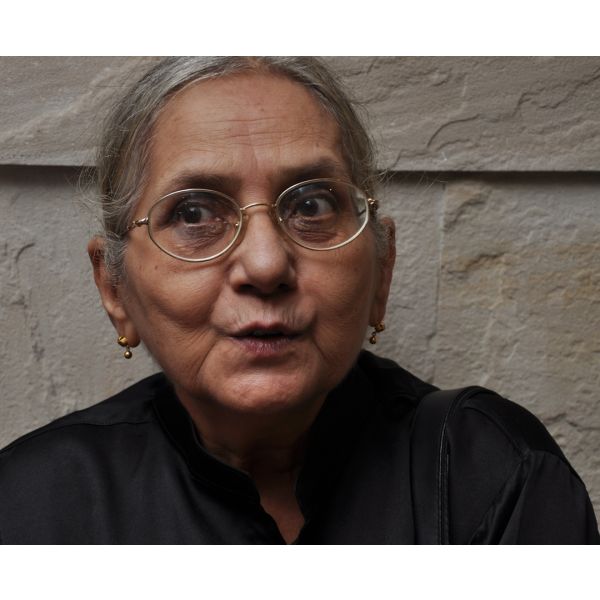 ArtistsGogi Saroj Pal$0.00Born in Uttar Pradesh in 1945, Gogi Saroj Pal studied art in Banasthali, Rajasthan, took a diploma at the Government College of Arts and Crafts, Lucknow, and a postgraduate diploma in painting from the College of Art, New Delhi. Learn More
 -
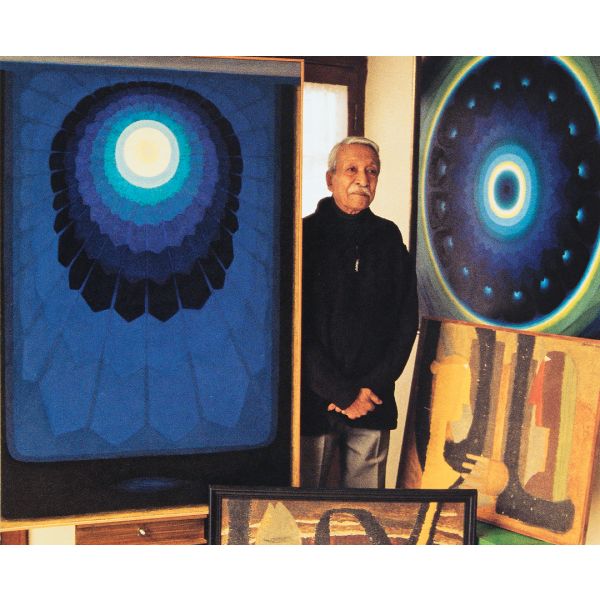 ArtistsBiren De$0.00Born on 8 October 1926, in Faridpur (in present day Bangladesh), Biren De shifted to Calcutta with his family before Partition and studied at the Government College of Arts and Crafts. Later, he moved to New Delhi to teach at College of Art. Years spent in New York and extensive travelling over continents subsequently enriched his artistic expression with new forms. Learn More
 -
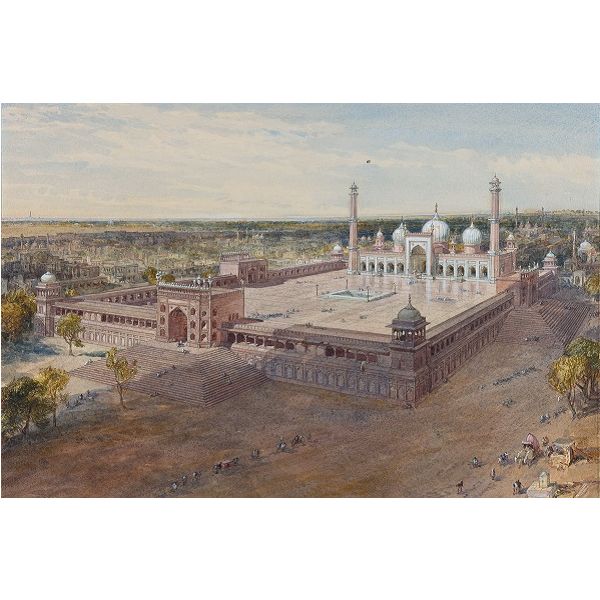 JournalRepresenting Architecture: How art influenced architecture$0.00European artists and architects were deeply influenced by the rich cultural heritage and artistic traditions of India, which, in turn, influenced their architectural designs. Artistic representations served as a bridge between cultures, leading to the incorporation of Indian motifs, styles, and decorative elements in colonial architecture. Learn More
 -
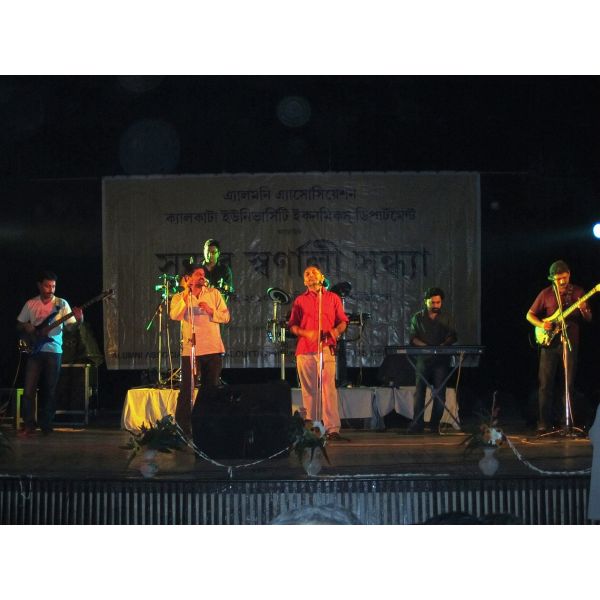 Events and ProgrammesByanga Darshan: Concert$1.00
An exhibition and workshop drawing from Cartoon Dol’s archives of Bengal’s caricature art, on confronting social-political issues through humour and satire, with a closing performance by Chandrabindoo.
Learn More