Search results for: 'free printable animated chocolate bar images with thumbs up and thumbs down'
-
 Collection StoriesThe Afterlife of the Taj Gardens: Changes in the Landscape$1.00
Often described as ‘Poetry in Stone’, the Taj Mahal was laid out between 1631-43 by Mughal Emperor Shah Jahan as a mausoleum for his wife Mumtaz Mahal. It is the architectural elements of the Taj complex that grab the most attention, but in fact the garden is the heart of the complex . The visitors today are so transfixed by the Taj itself that they remember very little of the garden. DAG Archive attempts to illustrate the life and ‘afterlife’ of the Taj gardens, once its control was taken over by the British. This archive deep dive showcases the objects from A. E. P. Griessen’s (1875–1935) collection.
Learn More -
 JournalPersonalising the Epics: Amar Nath Sehgal's 'Mythologies'$0.00
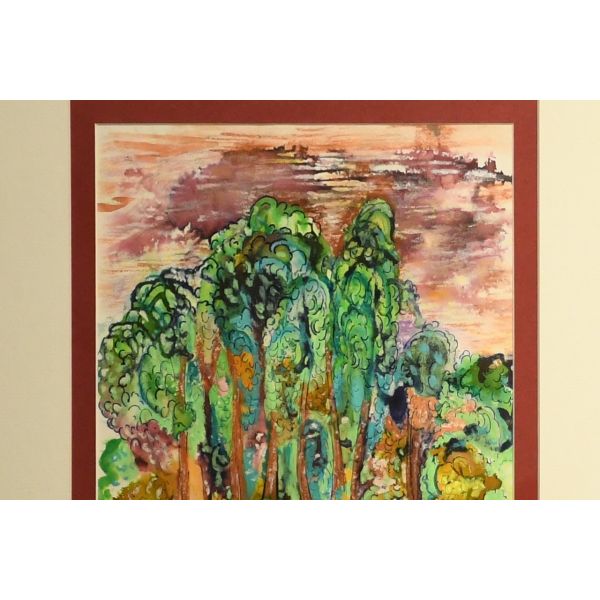
The India International Centre at New Delhi, in collaboration with the Amar Nath Sahgal Trust, presented a large suite of works by Amar Nath Sahgal (1922—2007), one of post-independent India’s foremost sculptors, in order to celebrate his centenary year in March 2023.
Learn More -
 ExhibitionsA Place In The Sun: Women Artists From 20th Century IndiaAs low as $1.00
Sunayani Devi picked up a paintbrush in 1905 when she was thirty years old while supervising her kitchen duties, self-taught, but with enough talent to attract the critical attention of Stella Kramrisch who organised an exhibition of her paintings in Germany in 1927. It was in her worthy footsteps that India’s women artists followed. Devayani Krishna was born five years after Sunayani Devi began painting; Amrita Sher-Gil already had a career in Paris by the time India’s first art school-trained woman artist, Ambika Dhurandhar, earned her diploma in Bombay. B. Prabha followed next, her work reflecting the realities of the marginalised in a piquant language. By the time Nasreen Mohamedi and Zarina Hashmi, both born a decade before Independence, established their careers, women were joining art schools in greater numbers, validating their practice not on the basis of their gender but on its context. Anupam Sud Devayani Krishna Gogi Saroj Pal Latika Katt Madhvi Parekh Mrinalini Mukherjee Navjot Rekha Rodwittiya Shobha Broota Zarina Hashmi
Learn More -
-
 JournalConscious Collecting with Asia Art Archive and Durjoy Rahman$0.00
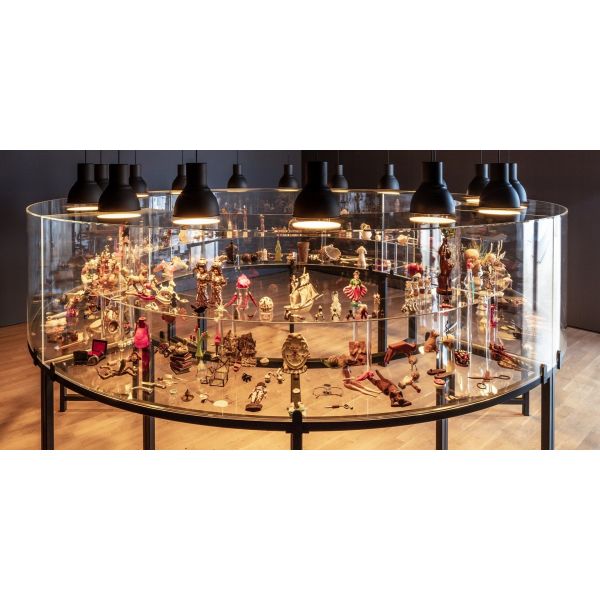
What is the role of collectors and collections or archives in the world of art today? Does it simply allude to practices of producing a consumable past today or does it also aspire to question the ways in which history has been shaped by powerful interventions in the form of artworks, performances and installations? In this series of conversations, we wanted to explore the idea of collecting recent or contemporary art—and how it inevitably takes us back to the moderns who influenced such practices heavily.
Learn More -
 Art FairsArt SG$1.00
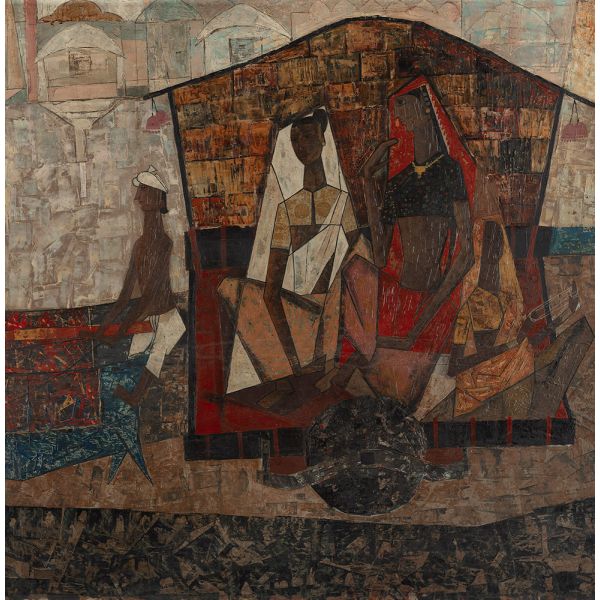
As with its history, trade, and culture, so with its art, India has always stood at the crossroads of assimilation, adaptation, change, and experimentation. Ancient and medieval art practices have informed her artists in the 20th century—a point when European and Asian movements found acceptance before being turned into a vibrant lexicon that has remained central to the pursuit of art in the subcontinent. Singapore
AVINASH CHANDRA BIRESWAR SEN F. N. SOUZA G. R. SANTOSH GOGI SAROJ PAL GOPAL GHOSE J. SULTAN ALI LAXMAN PAI M. F. HUSAIN MADHVI PAREKH NATVAR BHAVSAR S. H. RAZA SHANTI DAVE SHOBHA BROOTA SOHAN QADRI Learn More -
 Events and ProgrammesAn Origin Story$1.00
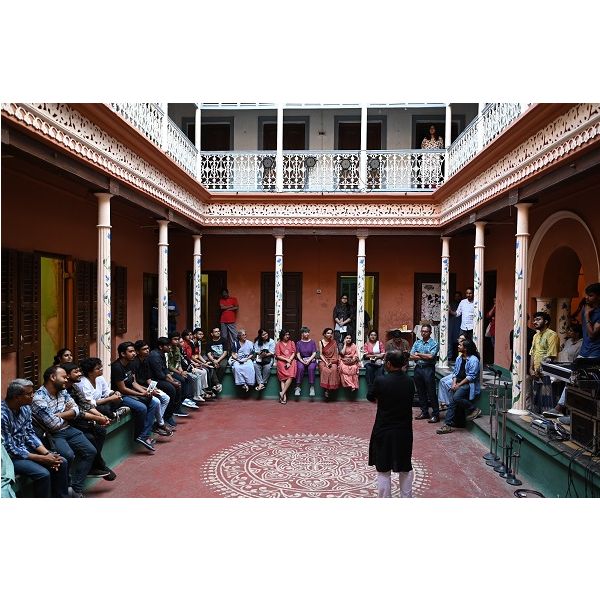
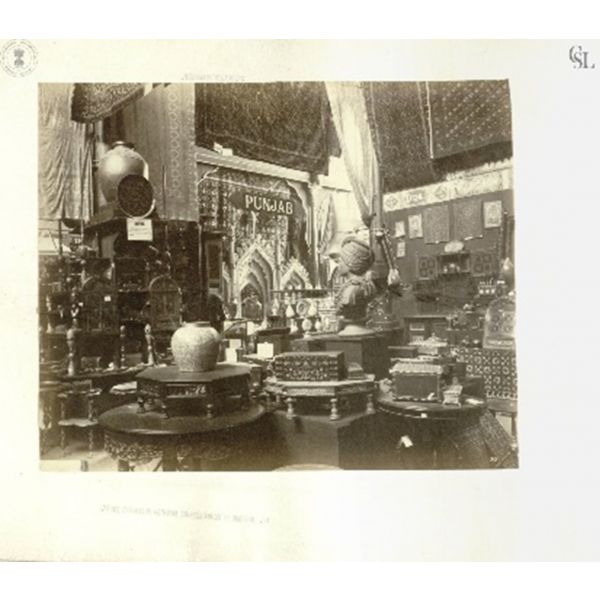
Join Tapati Guha-Thakurta for a museum visit and presentation as we explore the beginnings of the colonial traditions of art and design in India through the twin histories of the Indian Museum and the Government College of Art and Craft.
Learn More -
 Events and ProgrammesMapping the Colony$1.00
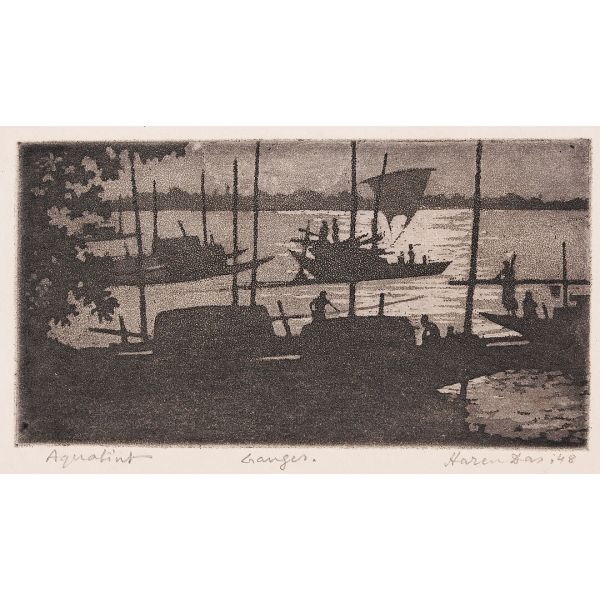
A workshop by Priyank Patel, from the Department of Geography, Presidency University, for ages 16 and above, on mapmaking in the colonial and postcolonial era and how maps of Calcutta (and later, Kolkata) were shaped through these different ways of knowing the world.
Learn More