Search results for: 'Kimberly Politi. Mia goth yelling for him to get out of the bus was so annoying'
-
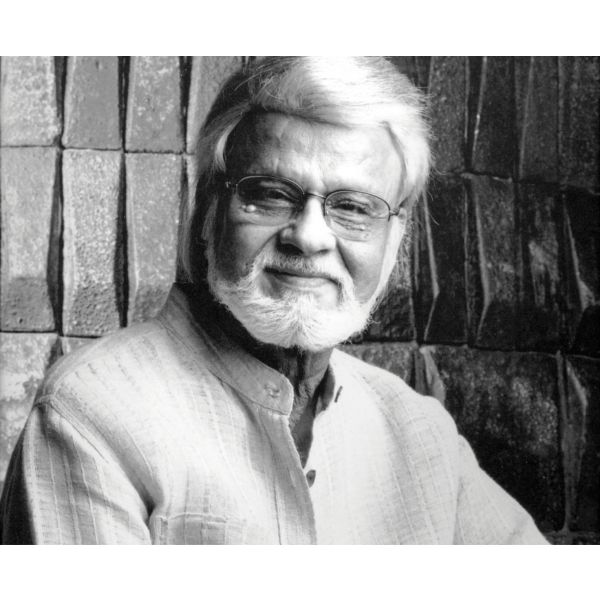 ArtistsSatish Gujral$0.00Renowned for his versatility as painter, sculptor, muralist, and architect, Satish Gujral was born in Jhelum in pre-Partition Punjab on 25 December 1925. His parents nurtured his inclination towards the creative arts while he was recovering from an accident as a child that cost him his hearing and speech. He trained at Mayo School of Art, Lahore, and briefly at Sir J. J. School of Art, Bombay. He also came in contact with the Progressive Artists’ Group but parted ways to chart his own course in search of an Indian modernism. Learn More
 -
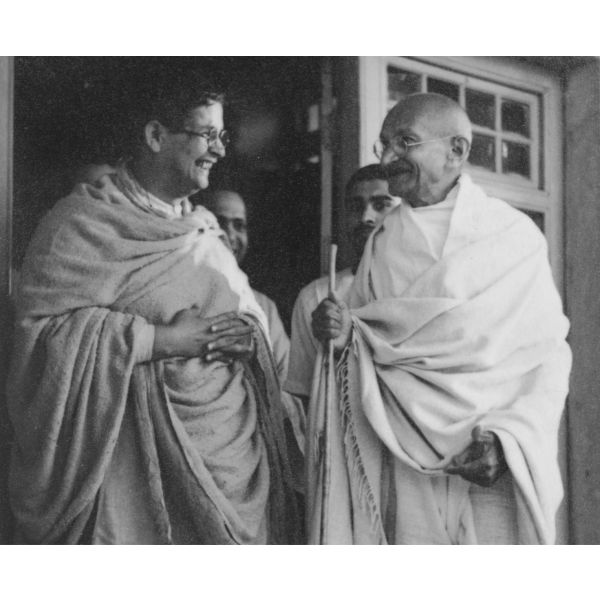 ArtistsNandalal Bose$0.00Nandalal Bose’s growth as a painter is closely associated with the Tagore family. Hailing from Munger in Bihar, Bose was fifteen when he came to Calcutta to continue his education, where his passion for art ultimately took him to the Government College of Arts and Crafts, to be groomed by Abanindranath Tagore from 1905-10. Learn More
 -
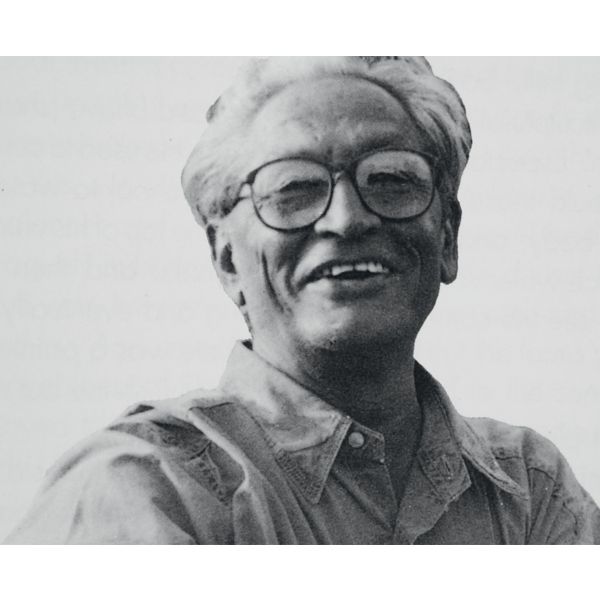 ArtistsNagji Patel$0.00Born in Gujarat to a family of farmers, Nagji Patel grew up making clay toys as part of playing with village children. He joined the painting course at Faculty of Fine Arts, M. S. University, Baroda, but eventually switched to sculpture, which he found less daunting than painting. He obtained an M.F.A. in sculpture in 1964 and in the same year won a travelling scholarship from the Government of India, which allowed him to visit quarries across the country and interact with stone carvers. Learn More
 -
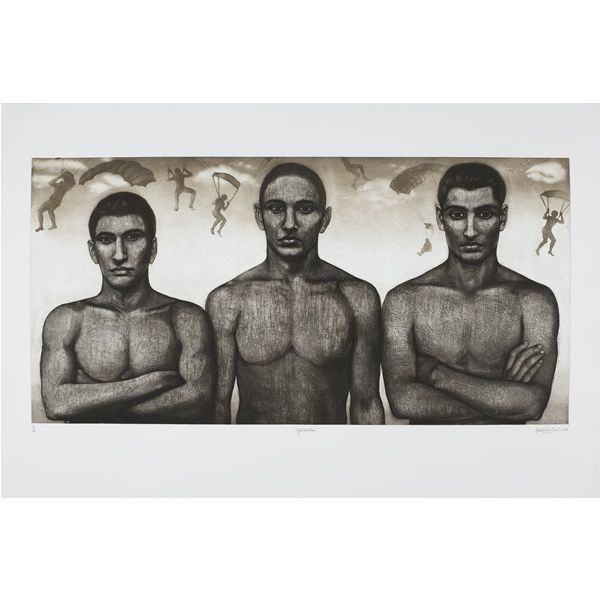
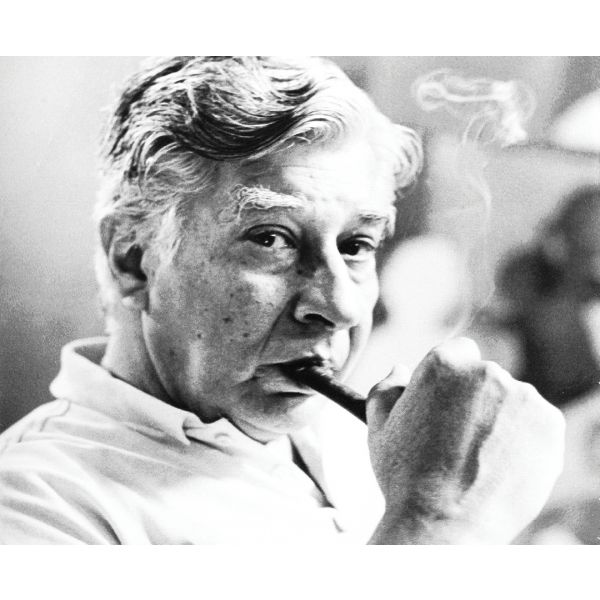 ArtistsKrishen Khanna$0.00Born in Lyallpur in pre-Partition Punjab, Krishen Khanna grew up in Lahore. He studied at Imperial Service College, England, from 1938-42 as a Rudyard Kipling scholar. Returning to Lahore for a course in English literature at the Government College, he simultaneously took evening classes at the Mayo School of Art. Khanna briefly worked as a printer at Kapur Art Press, Lahore, before his family moved to Simla upon Partition. He worked at the Grindlays Bank in Bombay and Madras from 1946-61, subsequently resigning from his job to devote himself to art. Learn More
 -
-
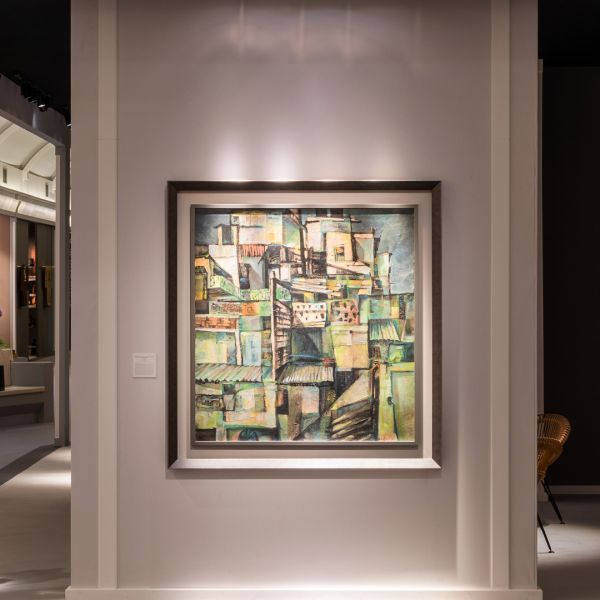 Art FairsMasterpiece$0.00
For its fourth consecutive outing at Masterpiece London, DAG continued with the tradition of showing artists who had grown in appeal at the city’s truly cross-collecting ‘masterpiece’ fair, but with enough surprises to interest even the most fair-hardened visitor. From a large and vivid G. R. Santosh to a collection of small-sized Bireswar Sen watercolours, the selection was sensitively curated keeping in mind the cosmopolitan nature of London city and the visitors to the fair. Along with the Progressives, the exhibition included one of the finest sculptures created by Adi Davierwalla, remarkable paintings by Tyeb Mehta, Bikash Bhattacharjee, J. Sultan Ali, Avinash Chandra, and Hemen Mazumdar. As always, the emphasis in the booth lay in creating a rarefied visitor experience in which a handful of works allowed visitors to enjoy them at leisure without causing visual fatigue. The response was overwhelming. G. R. SANTOSH BIRESWAR SEN MADHVI PAREKH S. H. RAZA F. N. SOUZA TYEB MEHTA J. SULTAN ALI DHANRAJ BHAGAT BIKASH BHATTACHARJEE AVINASH CHANDRA SHANTI DAVE ADI DAVIERWALLA SATISH GUJRAL HEMEN MAZUMDAR SOHAN QADRI BIREN DE
Learn More -
-
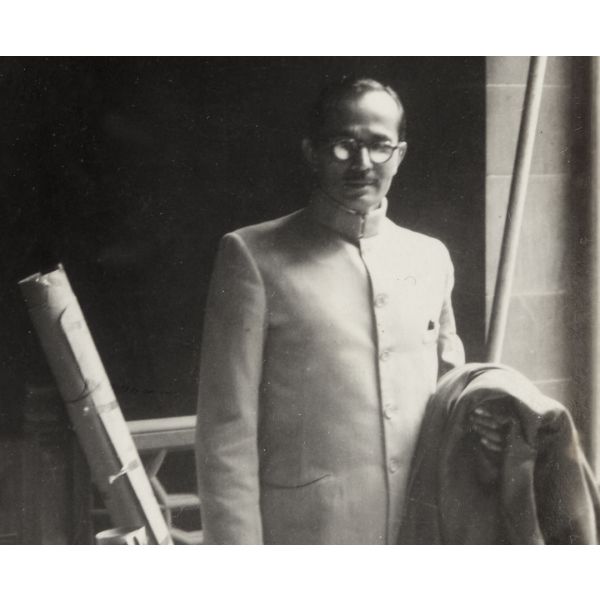 ArtistsK. C. S. Paniker$0.00K. C. S. Paniker, a towering personality in the world of Indian modern art, is remembered most for spearheading the Madras Art Movement and founding the Cholamandal Artists’ Village on the outskirts of Madras in 1966. Learn More
 -
 JournalNavratna: India’s National Treasure artists$0.00It was in the 1970s that the government of India declared nine artists as National Treasures, attesting to the significance of their contribution to the shaping of modern Indian art identity. ‘Navratna: Nine Gems of Indian Art’ was a unique opportunity to see seminal works by all the nine together, to understand the uniqueness of their collective contribution, at Drishyakala, a joint collaboration between DAG and the Archaeological Survey of India. Learn More
 -
-
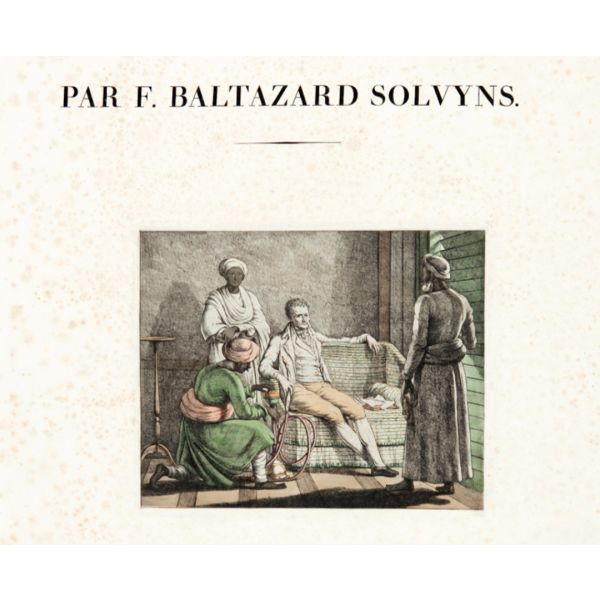 ArtistsF. B. Solvyns$1.00
Flemish marine painter and one of the early pioneers of printmaking in India, François Balthazar Solvyns was born in Antwerp, Belgium, on 6 July 1760, in a prominent merchant family.
Learn More