


Search results for: 'ingles the girls of 18 had one magic smile'
-
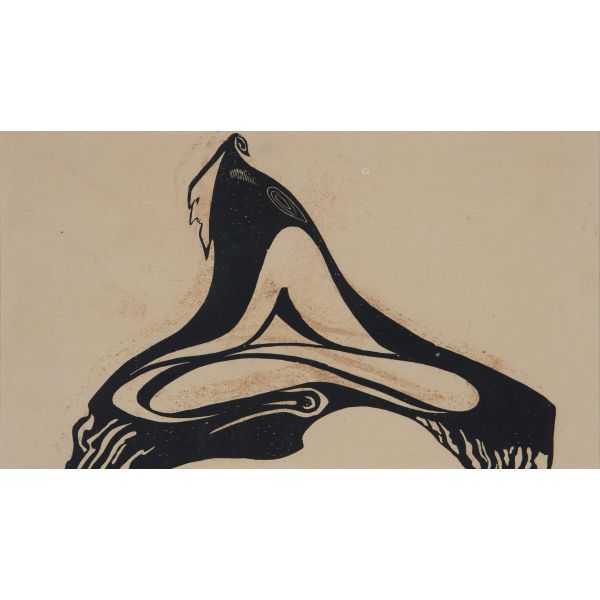 Institutional CollaborationsNavratna: India’s National Treasure Artists$1.00
Nine artists find special mention in India as ‘art treasures, having regard to their artistic and aesthetic value’, a directive by the Archaeological Survey of India in the 1970s. Spanning a period of one hundred years of art practice, these artists represent a diversity of art traditions and movements but are unified by one common thread: a return to Indian roots through context, theme, subject, and an engagement with identity.
Learn More -
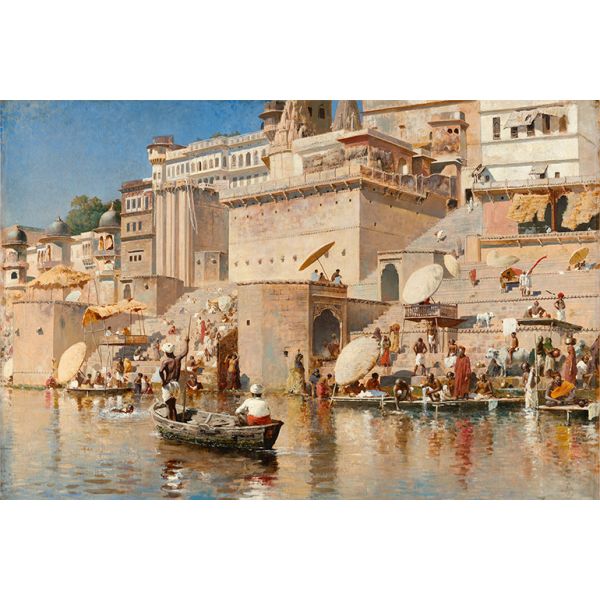 JournalOn the River Ganges, Benares by Edwin Lord Weeks$1.00
Let us take a moment to appreciate this magnificent riverside scene that can be instantly recognised as a view of Benares by the distinctive steep steps, or ghats, running down to the Ganga. American artist and Orientalist Edwin Lord Weeks had a remarkable ability to create an impression of a real-time scene unfolding before viewers, enhanced by the subtle plays of light and colour. A prolific artist who created a visual diary of his travels through his paintings—of which his India works are arguably his finest with an appeal that has transcended time.
Learn More -
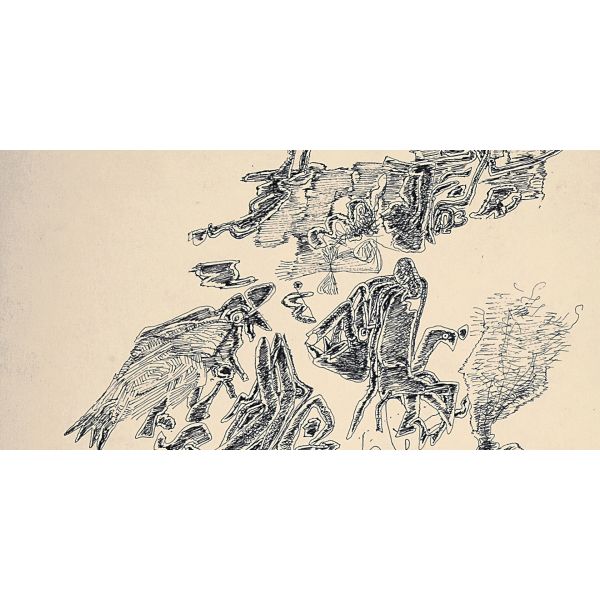 JournalRemembering Ambadas with art critic Prayag Shukla$0.00
A well-known poet and essayist, Prayag Shukla is also one the foremost writers on art in Hindi. He has authored monographs on artists like J. Swaminathan, M. F. Husain and Ambadas, expanding upon these artists’ relationships with local institutions and contexts of art-making in India since the 1960s.
Learn More -
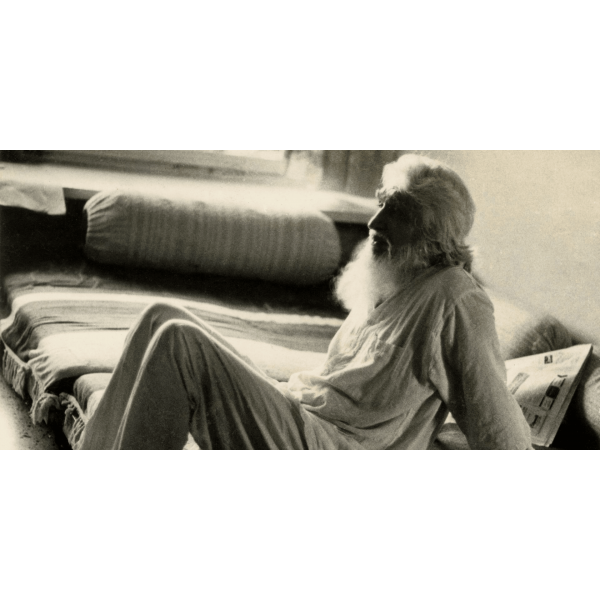 JournalThe Painters’ Camera: Husain and Mehta's Moving Images$0.00Twenty years after India’s independence, Films Division, the government’s documentary and propaganda filmmaking body, was seeking to re-invent itself. It had the mandate of recording the nation’s history on film. It was also a project of moulding the citizen through films that were screened in cinema theatres, before the entertainment feature. The films covered varied subjects from development, self-reliance, social issues, to art and culture, making them an invaluable archive of the Indian state’s record of the nation’s history as a modern, progressive nation. The films remained largely unpopular, like homework, among the unwilling audience of people who waited for the entertainment film to follow the documentary. Learn More
 -
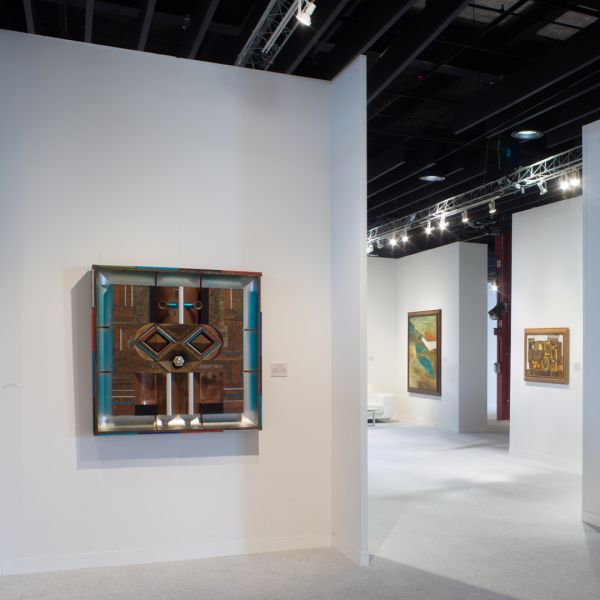 Art FairsThe Armory Show$0.00
New York’s popular Armory Show required DAG to put forth its most emphatically modernist artists. These included several who had been fellows of the John D. Rockefeller III Fund and would thus have a resonance among art connoisseurs in America for their language and context. Instead of concentrating on the Progressives, therefore, DAG decided to curate a selection that included works by Avinash Chandra and Natvar Bhavsar with extensive careers in New York, and an important body of works by artists such as S. H. Raza, Ram Kumar, Krishen Khanna, Paritosh Sen, and Satish Gujral, among others. Avinash Chandra Jyoti Bhatt K G Subrmanyan Krishen Khanna Natvar Bhavsar Paritosh Sen Ram Kumar Tyeb Mehta Rekha Rodwittiya S. H. Raza Satish Gujral
Learn More -
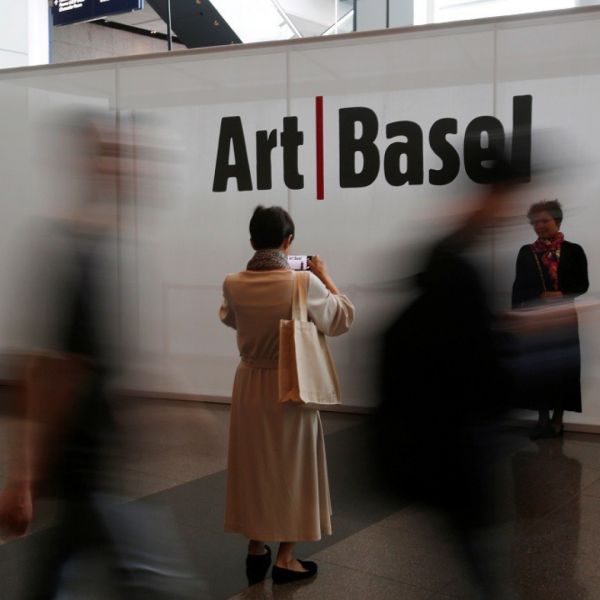 Art FairsArt Basel$0.00
DAG’s booth at Art Basel Hong Kong at its second outing there consolidated its gains from the previous edition by building on the artists it had first presented at the seminal fair. It matched the fair’s focus of a vibrant Asian art with its premier selection of Indian modern art of the twentieth century. The selection presented twenty-five of the most significant Indian modern artists—consisting of painters and sculptors, figurative and abstract artists—who, with the innovations they brought to their art, contributed significantly to the rich diversity and expanse of Indian modern art as we know it today. Akbar Padamsee Ambadas Avinash Chandra B. Prabha Bikash Bhattacharjee Biren De F. N. Souza G. R. Santosh George Keyt Himmat Shah J. Sultan Ali K. H. Ara K. K. Hebbar K. Laxma Goud Krishen Khanna Laxman Pai M. F. Husain N. S. Bendre Rabin Mondal Ram Kumar S. H. Raza S. K. Bakre Sakti Burman Sohan Qadri Sunil Das
Learn More -
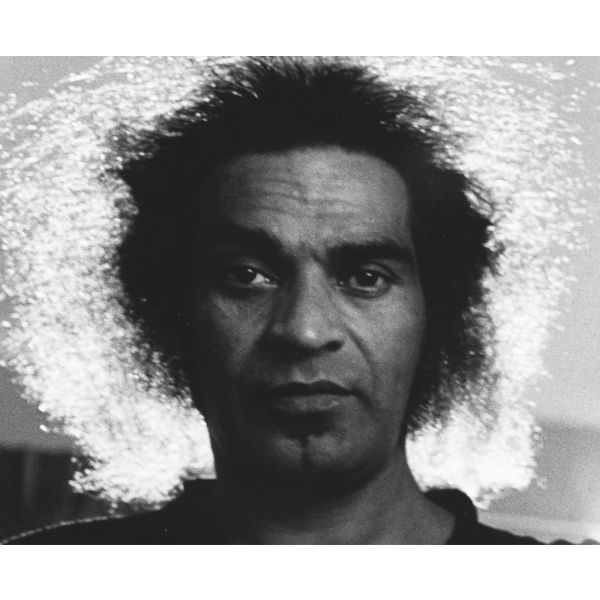 ArtistsSohan Qadri$0.00Sohan Qadri was born in a wealthy farming family in Punjab’s Chachoki village on 2 November 1932. When he was seven, he came across two spiritualists living on the family farm—Bikham Giri, a Bengali Tantric-Vajrayan Yogi, and Ahmed Ali Shah Qadri, a Sufi. Both gurus had a tremendous impact on young Qadri and taught him spiritual ideals through meditation, dance, and music. His association with them heralded a lifelong commitment to spirituality and art. Learn More
 -
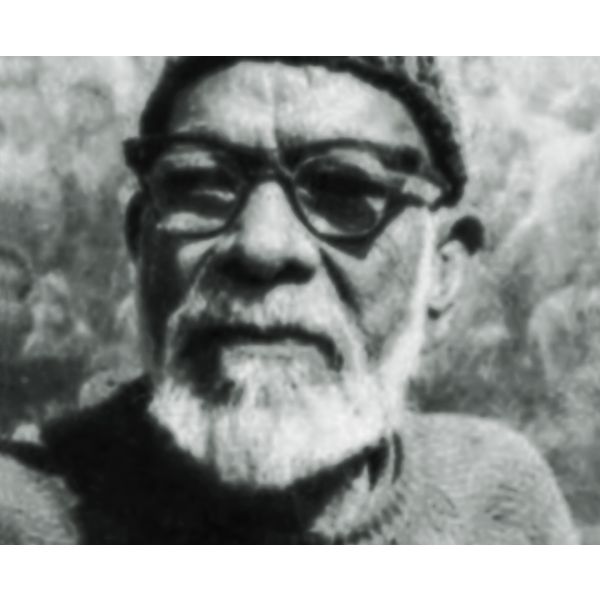 ArtistsAllah Bux$1.00
Ustad Allah Bux was born in Wazirabad in the Punjab province of undivided India (in present-day Pakistan) in the early 1890s.
Learn More -
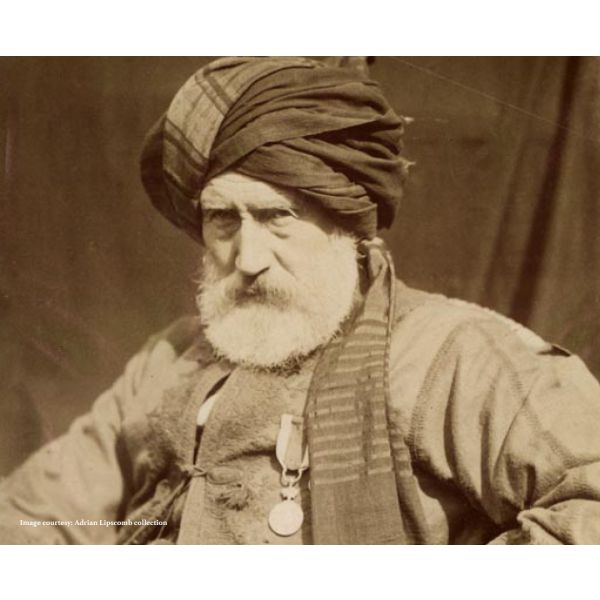 ArtistsWilliam Simpson$0.00
British draughtsman, lithographer, watercolourist, journalist, and antiquarian, William Simpson was born on 28 October 1823 in Glasgow, Scotland. He is best remembered for his sketches of various wars made for the Illustrated London News.
Learn More -
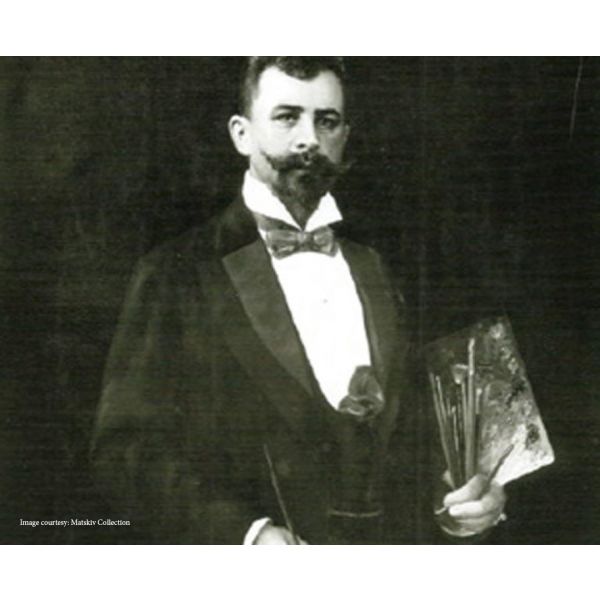 ArtistsHugo Vilfred Pedersen$0.00
Danish artist Hugo Vilfred Pedersen was born on 25 January 1870 in Copenhagen, where he studied at the Royal Academy of Fine Arts before heading to the East on painting expeditions.
Learn More -
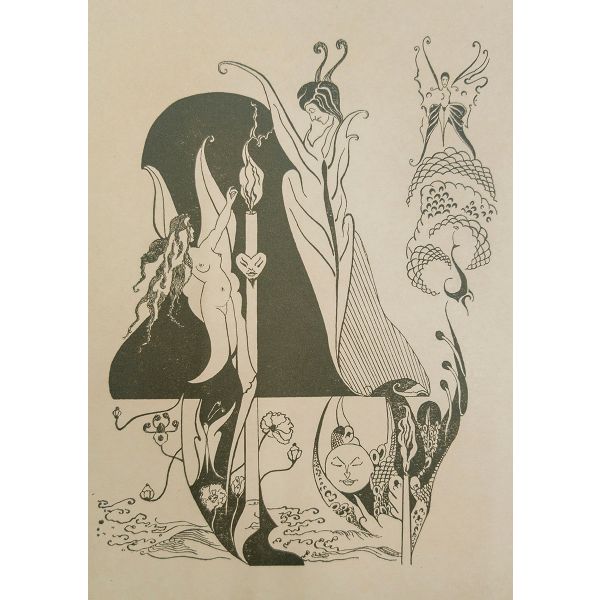 Collection StoriesThe Three Indian Illustrators of the Rubaiyat: A book transcending cultures and time$1.00
The Rubaiyat of Omar Khayyam by Edward FitzGerald is an anthology of four-line verses first published in 1859. The poems were inspired by Persian quatrains credited to Omar Khayyam (1048-1131), which became a global phenomenon at the turn of the twentieth century. The first edition of FitzGerald’s Rubaiyat has been uniquely published over 3700 times, and the verses translated over 1000 times.
Learn More -
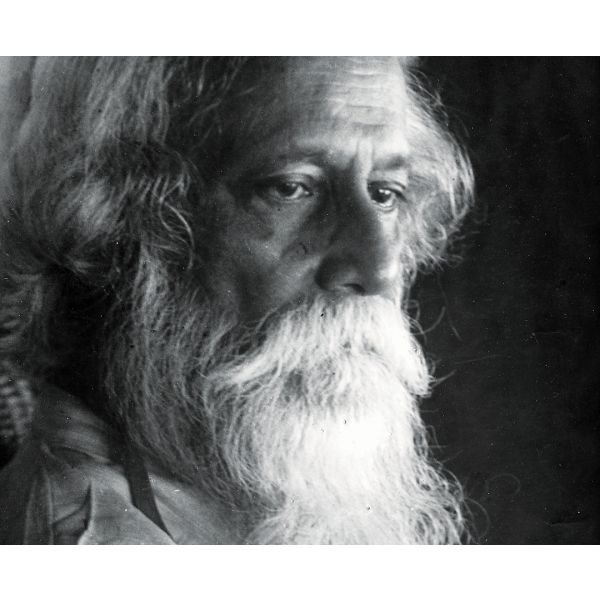 ArtistsRabindranath Tagore$0.00
Poet, novelist, musician, playwright, and Asia’s first Nobel Prize awardee—which he won for literature in 1913—Rabindranath Tagore was born on 7 May 1861, and took to painting and drawing only in his sixties.
Learn More