Search results for: 'FOR INDIAN ART'
-
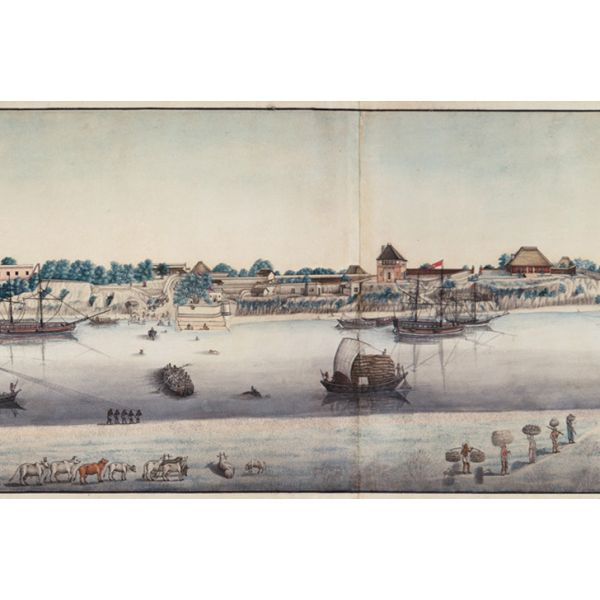 JournalWilliam Dalrymple on 'Indian Painting for the East India Company'$1.00
Also known as Company School, this genre is the Indo-European style of painting made in India by Indian artists, most of whom worked under the patronage of the East India Company. Focusing on a spectacular painting, William Dalrymple takes us through a journey of this neglected yet outstanding genre of art from nineteenth century India.
Learn More -
 Art FairsArt Stage Singapore$0.00
Given Singapore’s sizeable Indian population and its position as a leading financial centre, DAG’s debut at Art Stage Singapore was an obvious corollary. Indian artists are avidly collected in this city-state but DAG’s attempt, as always, was to introduce the masters to visitors at the fair. While keeping in mind the best modernists, it also curated a selection most likely to appeal to Eastern sensibilities—thereby displaying its range and the diversity of Indian art. Akbar Padamsee Ambadas Avinash Chandra B. Prabha Bikash Bhattacharjee Dhanraj Bhagat F. N. Souza G. R. Santosh Gogi Saroj Pal Himmat Shah J. Sultan Ali Jeram Patel K. H. Ara K. K. Hebbar Laxman Pai M. F. Husain N. S. Bendre P. T. Reddy Paramjit Singh Prokash Karmakar Rabin Mondal Ram Kumar S. Dhanapal S. H. Raza Sakti Burman Sohan Qadri Sunil Das
Learn More -
 Collection OnlineTHE TAGORES$1.00
One of the most distinguished families in Bengal, the Tagores exercised unparalleled influence over the cultural landscape of the region. The Nobel Laureate, Rabindranath Tagore (1861 - 1941), and two of his nephews, Gaganendranath Tagore (1867-1938) and Abanindranath Tagore (1871 - 1951) were recognised as India’s National Art Treasure artists. Sunayani Devi (1875 -1962), their sister, is regarded as one of modern India’s first women painters known by name. Her lyrical paintings and embroideries often looked inward to an imagined world of fables and myths. At the turn of the twentieth century, we see Abanindranath emerging as the founder of the Bengal School as he envisioned a new Indian art that was free of colonial influence, rooted in pan-Asianism. Gaganendranath, on the other hand, was a prolific satirist and cartoonist, who imagined new forms and perspectives inspired by Cubism. Together they formed the influential Indian Society of Oriental Art in 1907, while Rabindranath’s school and university at Santiniketan would continue to shape modern art in Bengal for generations to come.
Learn More -
 ExhibitionsShanti Dave: Neither Earth, Nor SkyAs low as $1.00
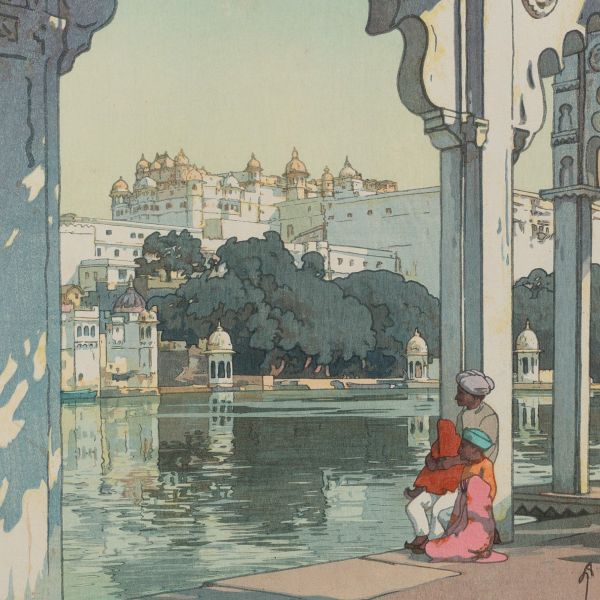
For Shanti Dave, creativity is a consistent and persistent exploration of the word or akshara—a term defined in the Natyashastra as a stroke in musical notes—which he perceives as the source of all creation. Dave’s abstract iconography, beginning in the early 1950s, adapted to modernism, aesthetic continuity and transcultural exchange. He altered, rejected and improvised the archaic image into a resonant form resembling an ancient script.
Learn More -
-
 ExhibitionsMadhvi Parekh: The Curious SeekerAs low as $1.00
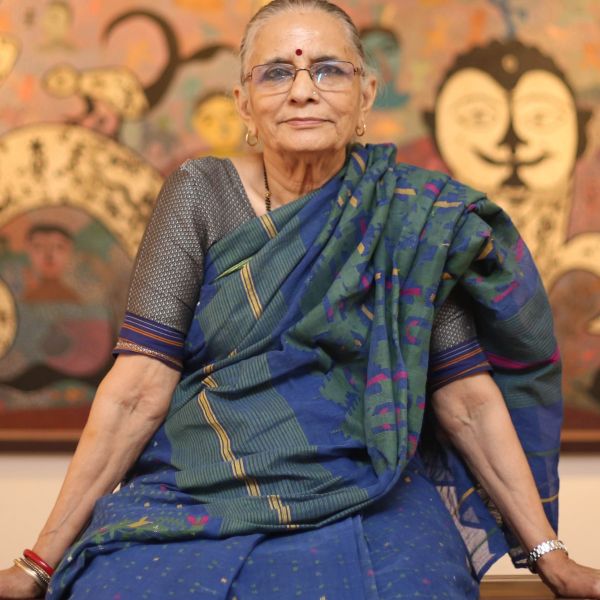
Spanning five decades of her painterly career, this retrospective includes iconic works by Madhvi Parekh which represent every phase of her illustrious career. The show also includes rare drawings and paintings from the 1960s, when the influence of Paul Klee’s abstraction on her early work was evident. Given the solid representation of Parekh’s paintings from every decade, the exhibition allows viewers to see the continuity in her vision and focus.
Learn More -
 JournalThe French Connection: S. H. Raza at Paris' Centre Pompidou$0.00
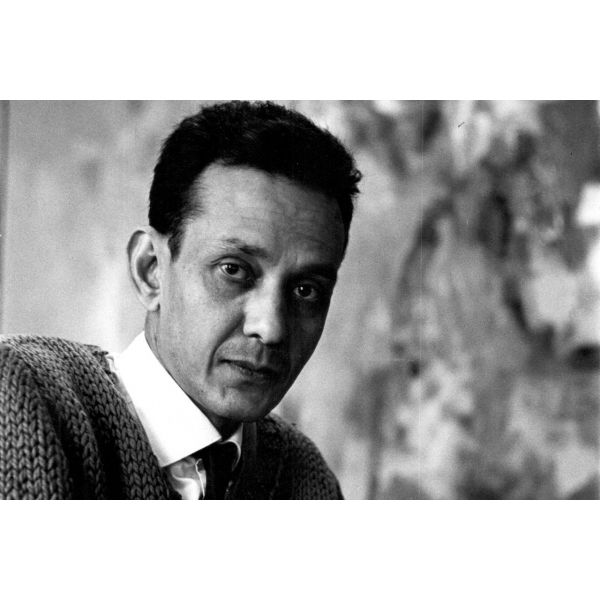
In February, Paris' Centre Pompidou--a premier centre for modern art since its construction in 1977--mounted an extensive solo show looking back at S. H. Raza’s career in painting. It represents a historic moment for Indian modern art’s international story as it unfolded over the twentieth century, and also marked Raza's own symbolic return to the place where he stayed for most of his working life. The fertile post-independent period saw cross-cultural connections being forged by Indian artists in Europe and America on their own terms and this show is a testament to Raza’s evolving encounters with land and mythology. The curators, Catherine David and Diane Toubert, spoke to DAG highlighting some of the takeaways from this major retrospective.
Learn More -
 ExhibitionsManifestations 5: 75 ArtistsAs low as $1.00
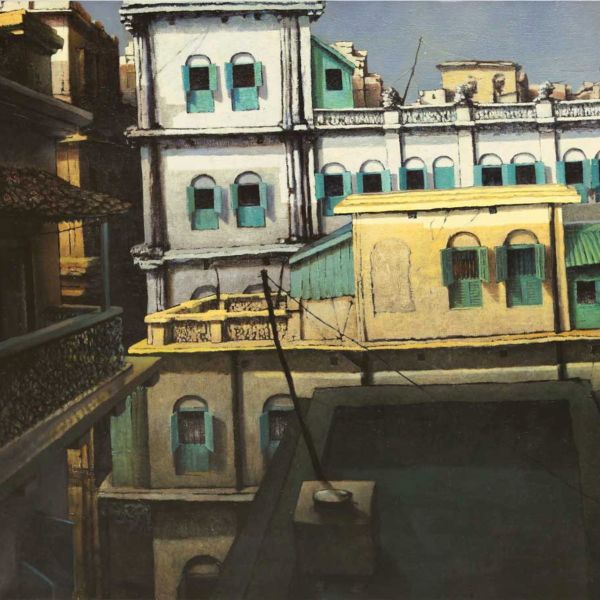
The fifth edition in the Manifestations series continues the tradition of showcasing the very best of Indian modern art. Seventy-five artists feature in Manifestations 5, bringing together the country’s best known and most established modern artists. To reduce the work of one whole century (give or take a few decades more or less) could be flawed, for this most dynamic period in Indian art history covers many genres, styles, mediums, and influences, and is difficult to paraphrase, especially in the absence of a theme for the collection. It is for this reason that the selection has to be incisive, open to change till the very end, where the addition, or deletion, can change the contextual bird’s eye-view we hope to provide in every series. The exhibition is accompanied by our traditional publication that helps to create a comprehensive understanding about the exhibition’s curatorial decisions. A. H. Muller Altaf Ambadas Amit Ambalal Amitava Arpita Singh Avinash Chandra Badri Narayan Bhupen Khakhar Bikash Bhattacharjee Bimal Dasgupta Biren De Bireswar Sen C. Douglas Chintamani Kar Chittaprosad D. P. Roy Chowdhury Dhanraj Bhagat Dharamnarayan Dasgupta F. N. Souza G. R. Santosh Ganesh Haloi Ganesh Pyne Gogi Saroj Pal Gopal Ghose Himmat Shah Indra Dugar J. C. Seal J. Sultan Ali J. Swaminathan Jamini Roy Jeram Patel Jogen Chowdhury Jyoti Bhatt K. C. S. Panicker K. H. Ara K. K. Hebbar K. Laxma Goud K. S. Kulkarni Krishen Khanna Kshitindranath Majumdar L. Munuswamy Lalu Prasad Shaw Laxman Pai M. F. Husain M. V. Dhurandhar Nandalal Bose Navjot Nikhil Biswas P. Khemraj Paritosh Sen Partha Pratim Deb Prabhakar Barwe Prodosh Das Gupta Prokash Karmakar Prosanto Roy Rabin Mondal Rabindranath Tagore Rameshwar Broota Ramkinkar Baij Rekha Rodwittiya S. H. Raza S. L. Haldankar Satish Gujral Shobha Broota Sohan Qadri Sunil Das Sunil Madhav Sen Surendran Nair V. S. Gaitonde Vasudha Thozhur Ved Nayar Viswanadhan Vivan Sundaram Zarina Hashmi
Learn More -
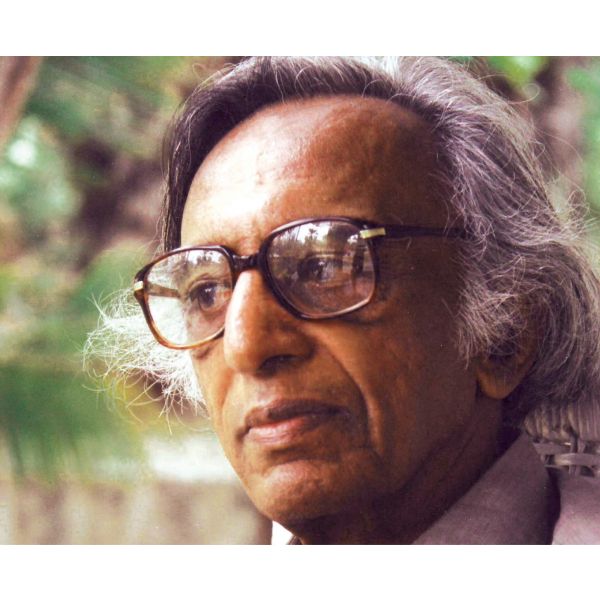 ArtistsTyeb Mehta$0.00It is ironical that works by Tyeb Mehta, who did not attach much merit to the financial value of art, were the first by a living Indian artist to sell for more than Rs 1 crore, and, soon, for more than a million dollars, indicating a beginning of interest in Indian art in the international market. His works Celebration, Kali and Mahishasura marked the beginning of the boom in the Indian art market at the start of this century. Learn More
 -
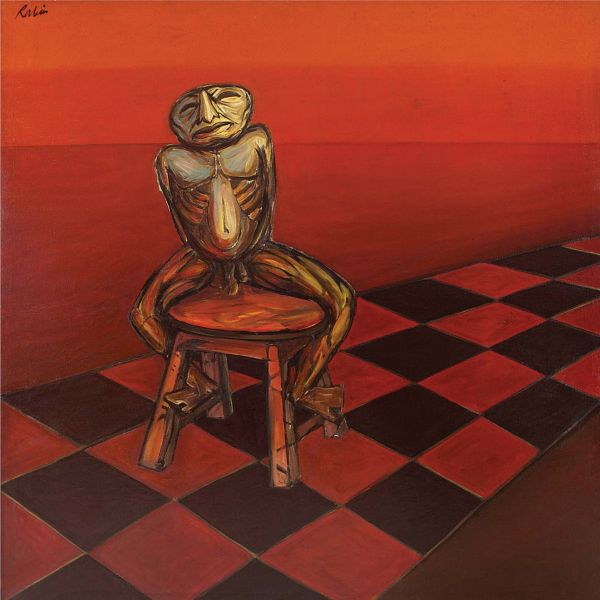 ExhibitionsRabin Mondal: Kingdom of ExileAs low as $1.00
Rabin Mondal is like a striding colossus of our times, scorching up the firmament with images that reflect societal malaise and his own inner turmoil. His determination to paint in a market-unfriendly manner is characteristic of his resolve. His canvases provide no safety net for the unwary viewer. Here is a confident artist aware of his self and his role with no fig leaf to offer those seeking beauty in art—not that his work is unbeautiful.
Learn More