


Search results for: 'Somnath Hi o'
-
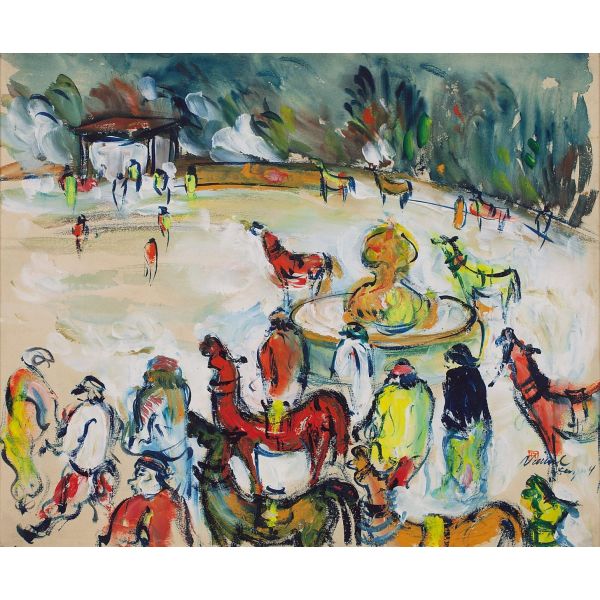 Events and ProgrammesPlay Fair 2024: Quiz$1.00
DAG Museums in collaboration with the Victoria Memorial returns with the second edition of 'Play Fair,' a two-day carnival of games inspired by the art and artists from the DAG collection. Spread over two days on the splendid lawns of the memorial, this lusory experience is an invitation to immerse yourself in Bengal art, culminating with an after-hours concert by The Big Other.
Learn More -
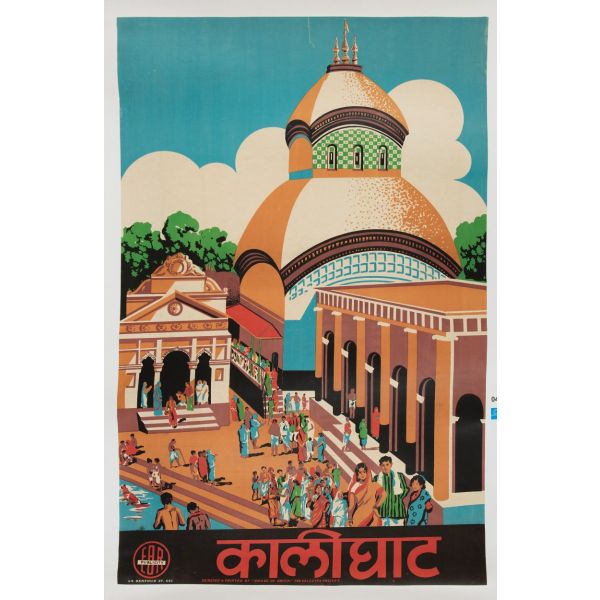 Events and ProgrammesMosaic Metropolis$1.00
A hop-in hop-off trail through the Calcutta underground metro rail, exploring the story of the murals that adorn the metro stations and enliven the everyday commute of millions of people.
Learn More -
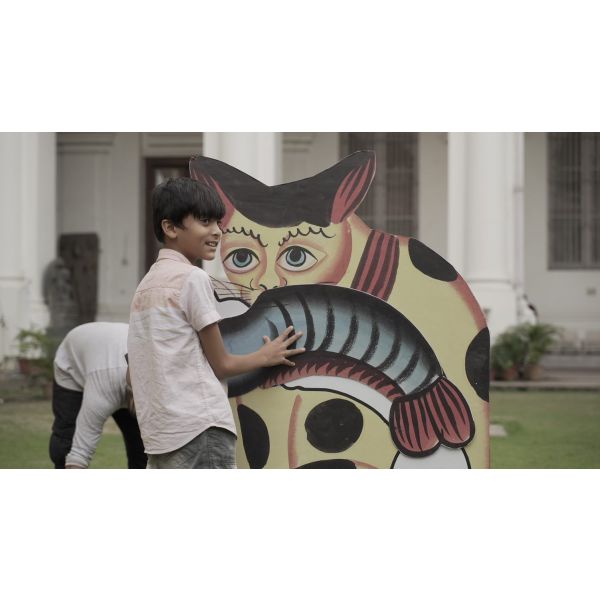 Events and ProgrammesPlayfair$1.00
DAG, in collaboration with the Indian Museum, presents a carnival of games inspired by the artists and art from the DAG collection. Spread over two days on the magnificent lawns of the museum, 'Play Fair' is an invitation to immerse yourself in Bengal art, ending with an after hours concert by The Big Other.
Learn More -
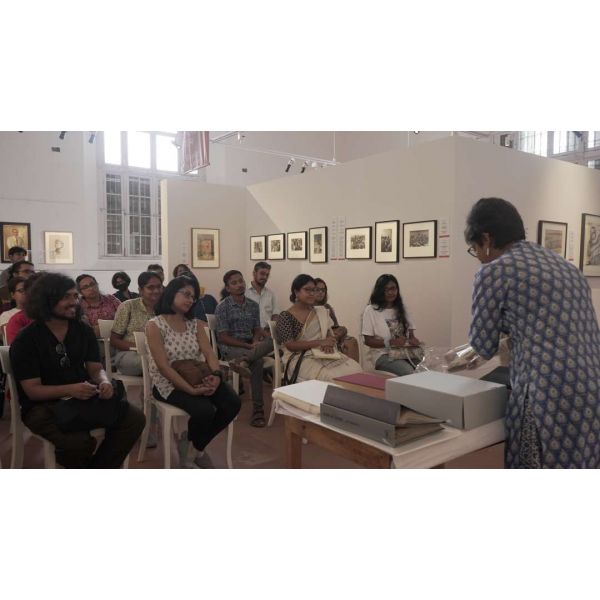 Events and ProgrammesPreserving the Past$1.00
A workshop by archivist Kamalika Mukherjee on the importance of family archives, and DIY methods that can help preserve our own paper-based for the next generation.
Learn More -
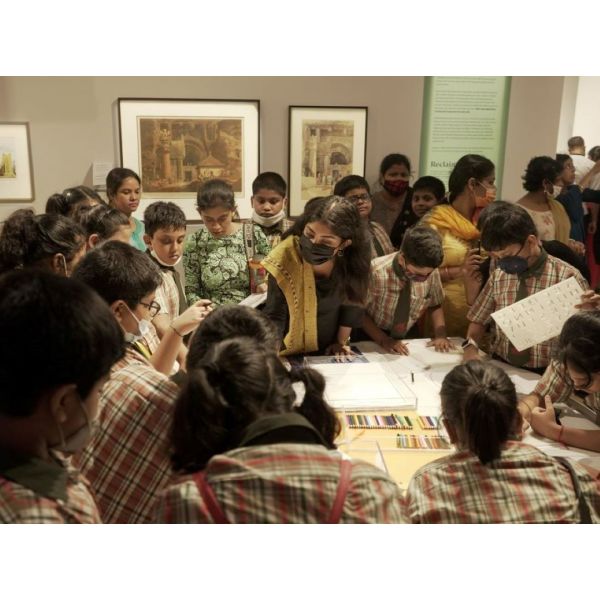 Events and ProgrammesApprenticeship Programme$1.00
A paid opportunity for young students from diverse disciplines to participate in the exciting world of museums and arts organizations by introducing them to the whole gamut of activities that go into building audience engagement around an exhibition or programme.
Learn More -
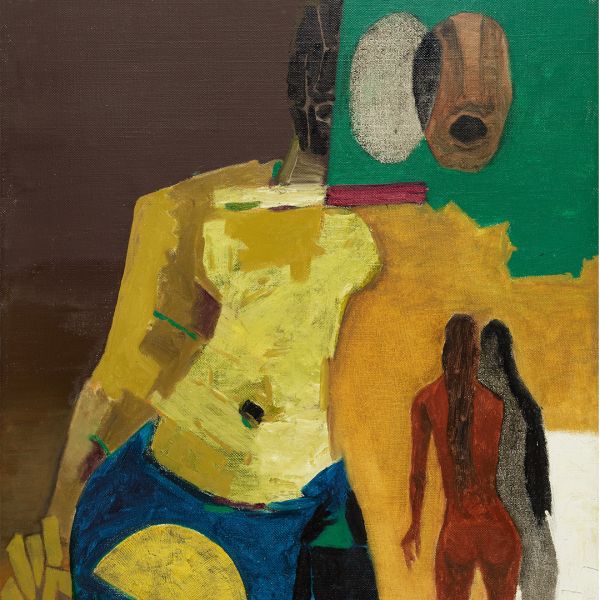 Art FairsAD Design Show 2023$1.00
At the three-day show, DAG will present Celebrating the Modern, an ode to the vibrancy of Indian art with a hand-picked selection that guides us through the development of Indian modernism through diverse movements and genres—a tribute to its appeal that has extended beyond time to be part of a distinctive global language.
Learn More -
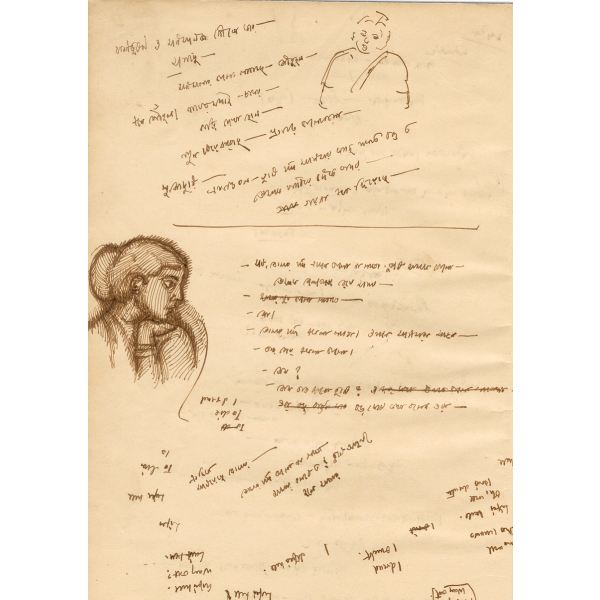 Collection StoriesScripting the Camera: Satyajit Ray’s cinema as ‘archive’$0.00
The DAG Archive has over 90,000 photographs taken by Nemai Ghosh, a bulk of which includes still photographs and behind the scenes images of films as well as candid and staged portraits of Satyajit Ray. In conjunction to these materials, DAG Archive has also acquired a set of two notebooks of Ray which contains the hand-written film scripts of <i>Ghare Baire</I> (The Home and The World, 1984) and Samapti (The Conclusion) which is one of the short films from the anthology, Teen Kanya (Three Women, 1961). Interestingly, both these films are adaptations from Rabindranath Tagore’s literary works.
Learn More -
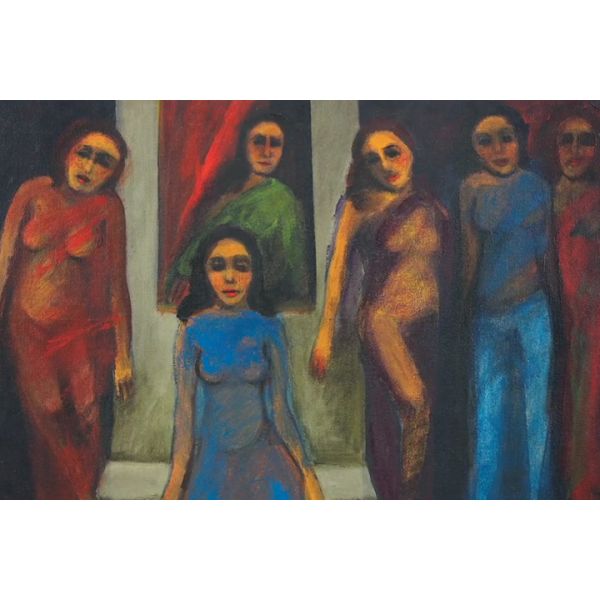 JournalArtists (Un)Scripted – Gogi Saroj Pal$0.00Gogi Saroj Pal was one of the earliest women artists of India to paint the female body as a receptacle of patriarchal gaze, a trope that she has continued to explore right through the seventh decade of her life. She speaks with commendable candour in this short video on how art helped liberate her as an individual. Learn More
 -
 Art FairsAD Design Show$1.00
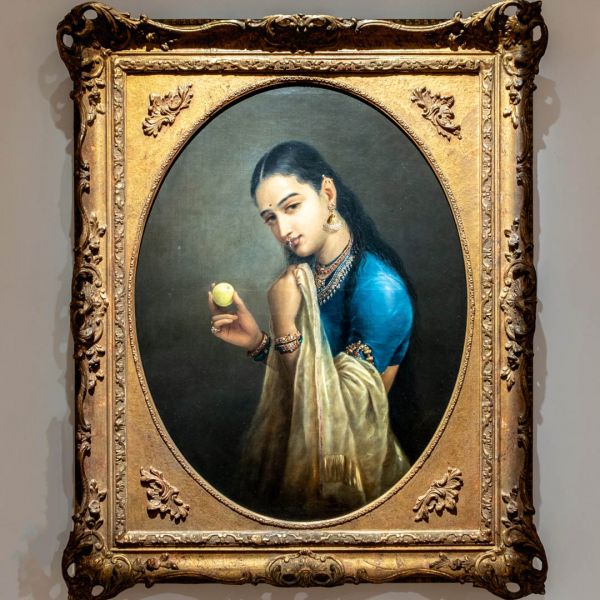
‘Celebrating the Modern’ is DAG’s ode to the vibrancy of Indian art with a hand-picked selection spanning a century that saw the development of Indian modernism through diverse movements and genres—a tribute to its appeal that has extended beyond time to be part of a distinctive global language.
Learn More -
 ArtistsCompany Paintings$0.00
Ethnographic mapping and documentation of a vast country like India was an important part of the political and economic expansion of the East India Company from the middle of the seventeenth century onwards.
Learn More -
 ArtistsCharles W. Bartlett$0.00
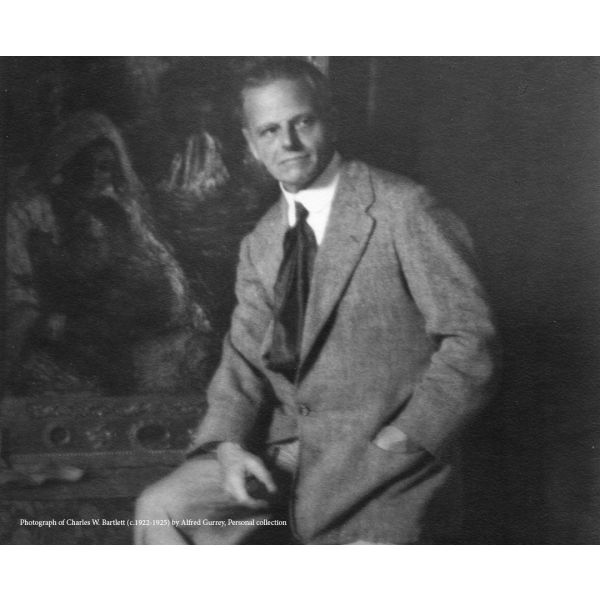
English painter Charles William Bartlett remains one of the most exceptional, non-Japanese woodblock artists of the twentieth century.
Learn More -
 Collection StoriesAn Imperial Spectacle: The Delhi Durbars and its Ceremonies$1.00
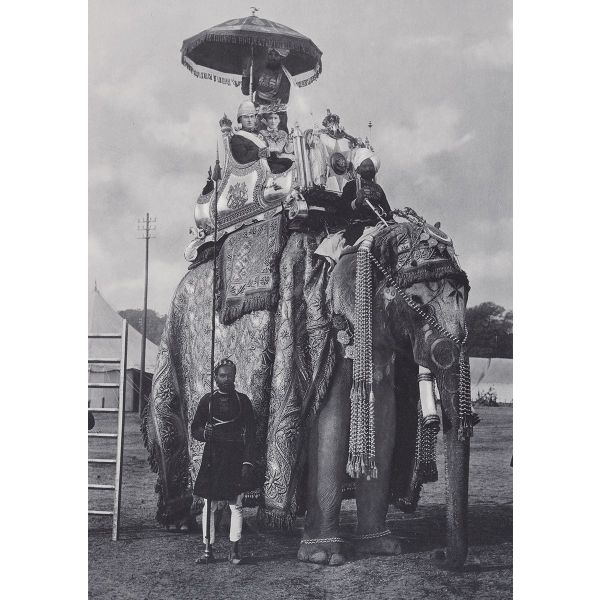
The Delhi Durbars were a series of coronation events held by the British in India which formally declared the British monarch as the Emperor or Empress of India. They took place thrice—first, in 1887, acknowledging Queen Victoria as the Empress of India, followed by one in 1903, for King Edward VII, and finally in 1911 for King George V, which saw the monarch’s attendance in person.
Learn More