


Search results for: 'Home is a place interiority in Indian art 12 April 23 May 2021'
-
 Events and ProgrammesPlay Fair 2024: Hatyakhela$1.00
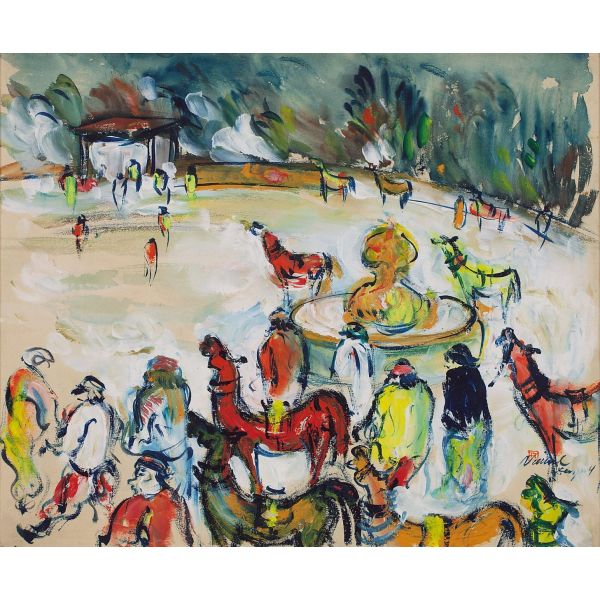
DAG Museums in collaboration with the Victoria Memorial returns with the second edition of 'Play Fair,' a two-day carnival of games inspired by the art and artists from the DAG collection. Spread over two days on the splendid lawns of the memorial, this lusory experience is an invitation to immerse yourself in Bengal art, culminating with an after-hours concert by The Big Other.
Learn More -
 Events and ProgrammesPlay Fair 2024: Quiz$1.00
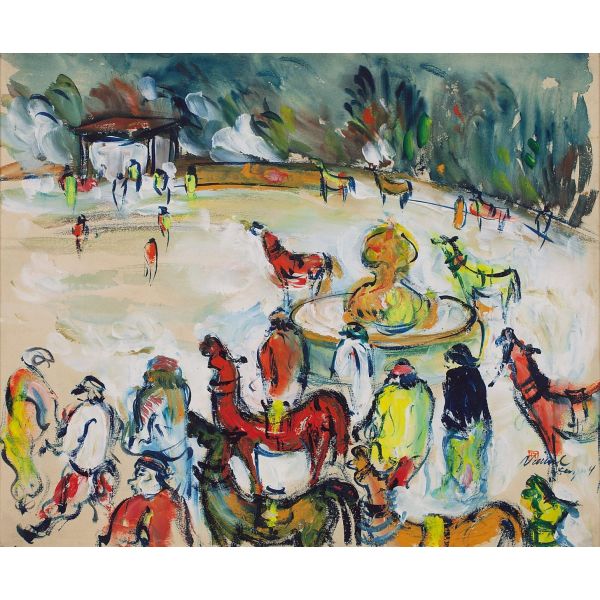
DAG Museums in collaboration with the Victoria Memorial returns with the second edition of 'Play Fair,' a two-day carnival of games inspired by the art and artists from the DAG collection. Spread over two days on the splendid lawns of the memorial, this lusory experience is an invitation to immerse yourself in Bengal art, culminating with an after-hours concert by The Big Other.
Learn More -

-
 Institutional CollaborationsDRISHYAKALA$1.00
How did the multiple trajectories of visual arts develop in the subcontinent? Where did they originate and how did their paths converge? Drishyakala offers a sweeping journey into the heterogenous histories of visual arts in India, from the first European travelling artists who drew landscapes to popular prints of the earliest woodcuts and lithographs evolving into the thriving advertising visuals of the 20th century. The exhibition is broadly divided into four categories, each exploring an unique area of development—the art of portraiture through photography and painting, oriental sceneries drawn by European travelling artists, popular prints from the late eighteenth century to post-independence and artworks of the nine National Treasure Artists. Together, these sections give brief glimpses into the dizzying variety of forms, styles and languages of South Asian art.
Learn More -
 Institutional CollaborationsETERNAL BANARAS$1.00
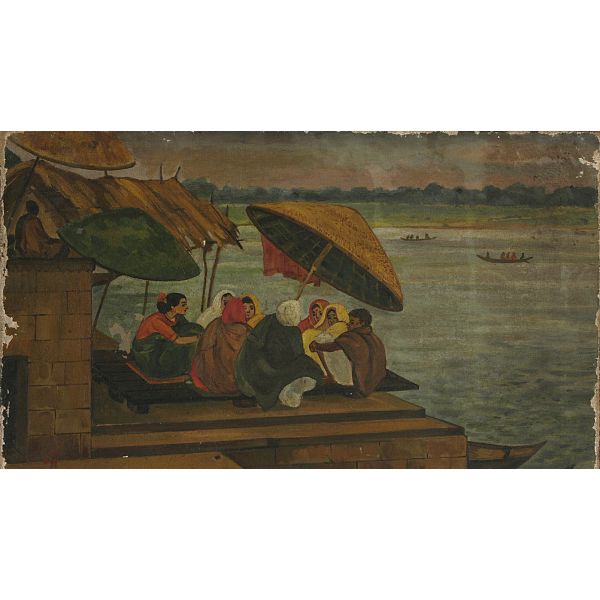
For millennia, Banaras has captured the imagination of poets, writers, philosophers, and artists. Its sacredness, music, textiles, and food have been extensively explored and commented upon. It has been a muse for countless artists, who have found an abundance of inspiration on the ghats that skirt the Ganga, and in the city's narrow streets and crowded alleyways.
Learn More -
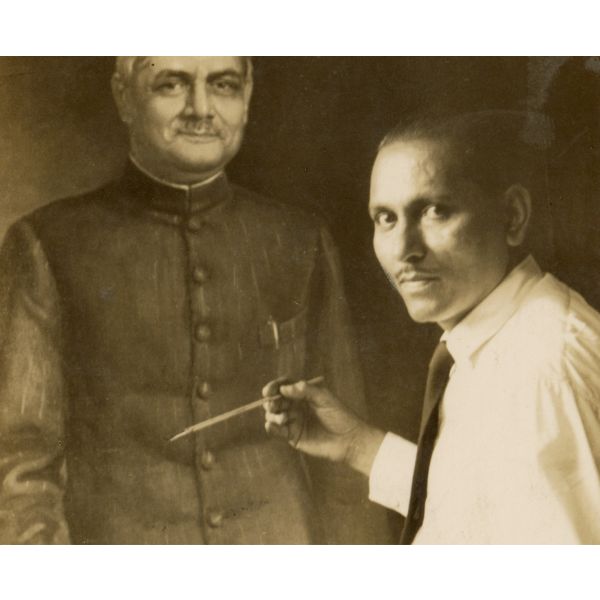 ArtistsV. A. Mali$0.00Born into a family of painters in Kolhapur, Vasant Anant Mali studied art professionally at Sir J. J. School of Art, Bombay, in the 1920s. It was here that he grasped the nuances of painting through academic realism. Working mostly in the medium of watercolour and oil, Mali keenly observed how some of his teachers, including Walter Langhammer, worked with various tools and applied bold brushstrokes with knife. Mali’s work had a forcefulness, a depth that was unique and could be seen, particularly, in portraits done by him. Learn More
 -
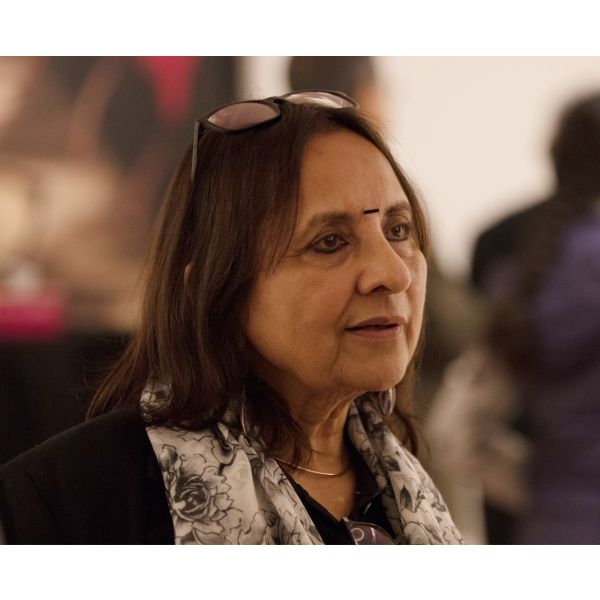 ArtistsNavjot$0.00Born in Meerut, Navjot Altaf studied fine and applied arts at Sir J. J. School of Art, Bombay, from 1967-72. A painter, sculptor, installation artist, and filmmaker inspired by Marxist ideologies, Navjot has consciously questioned various frameworks of social norms and created art to bring focus to the plight of the depressed classes. Learn More
 -
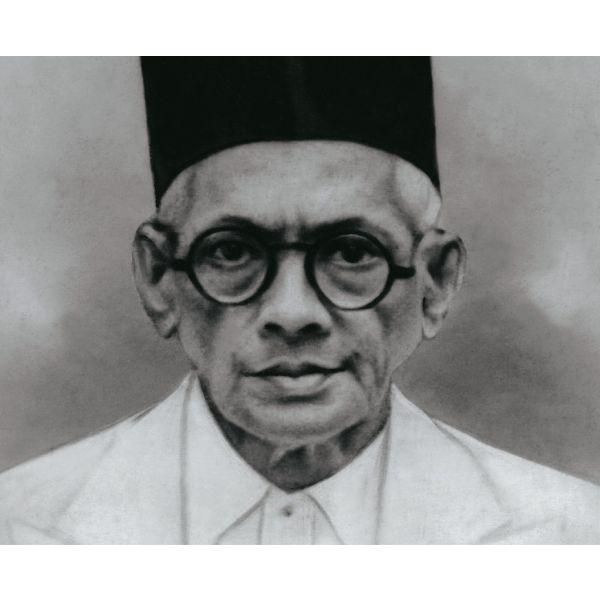 ArtistsN. R. Sardesai$0.00N. R. Sardesai was born in 1885 in Ratnagiri, Maharashtra, and completed his early education at the Ratnagiri School of Industry. Here, he studied carpentry and drawing in 1906, before joining Sir J. J. School of Art, Bombay, for formal training in art. Thereafter, he began work as a drawing teacher in a school in Fort, Bombay. In 1915, he had a short stint as a drawing teacher at his alma mater too. Learn More
 -
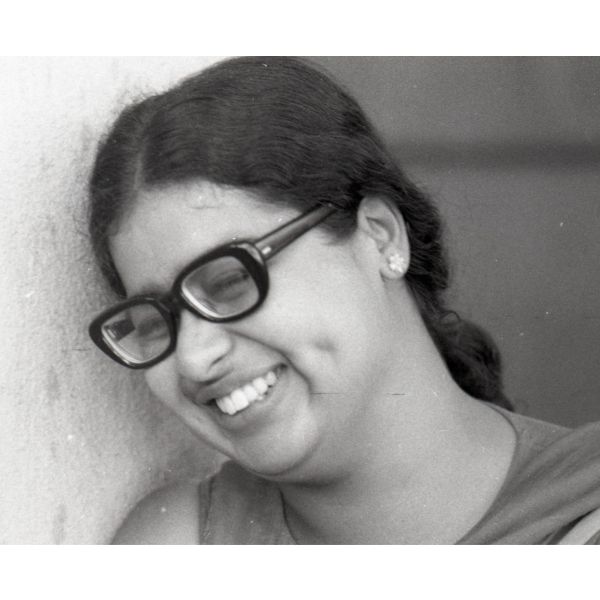 ArtistsMrinalini Mukherjee$0.00Born in Bombay to eminent artist-couple Benode Behari and Leela Mukherjee, Mrinalini Mukherjee gave a new dimension to modern sculpture in India with works made in natural materials such as woven vegetable fibres of hemp. She studied at the Faculty of Fine Arts, M. S. University, Baroda, under artist-teacher K. G. Subramanyan, receiving a post diploma in mural design. Learn More
 -
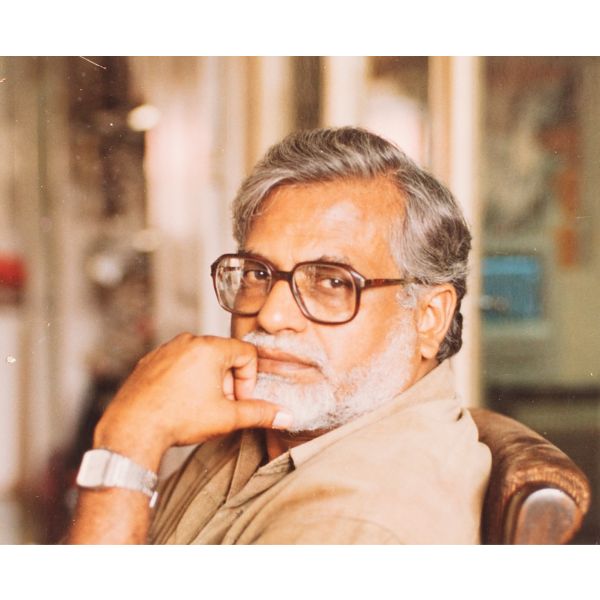 ArtistsManu Parekh$0.00Born in Ahmedabad, Gujarat, Manu Parekh studied at Sir J. J. School of Art, Bombay. With influences as varied as Arshile Gorky, Roberto Matta, S. B. Palsikar and Rabindranath Tagore, Parekh has always sought to explore his inner landscape through art. Learn More
 -
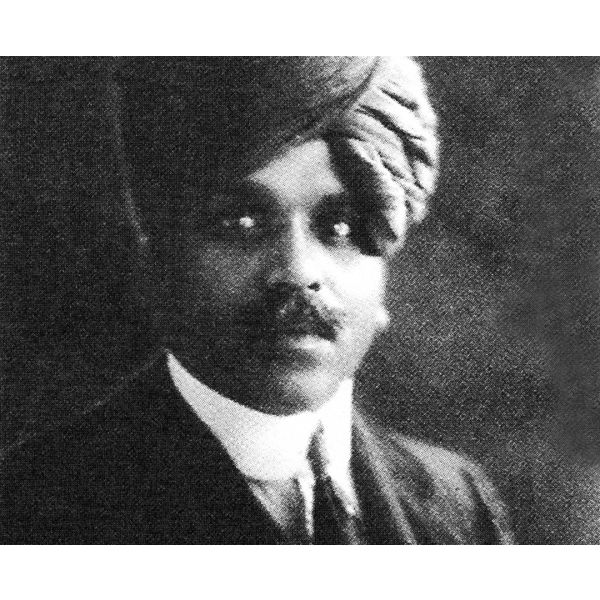 ArtistsA. M. Mali$0.00A. M. Mali was born in Kolhapur, Maharashtra, to a professional artist-father who painted mythological illustrations on the walls of local temples. Mali’s initial training in painting was under the well-known landscape artist Abalall Rahiman. Learn More
 -
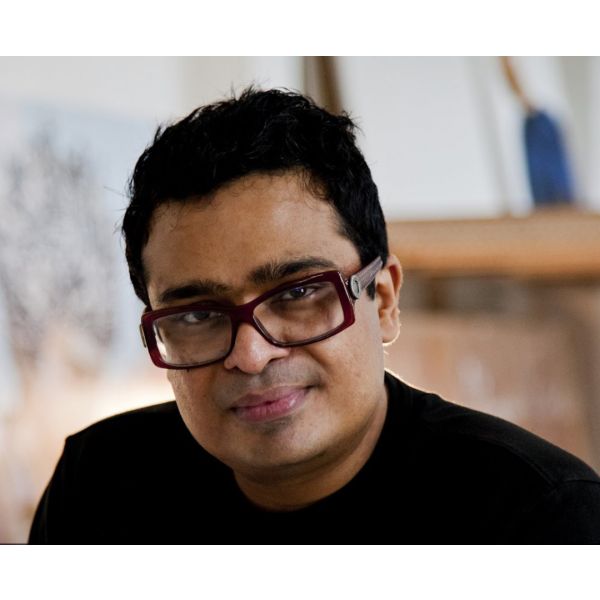 ArtistsJitish Kallat$0.00Born in Bombay, Jitish Kallat’s earliest memory of art was of helping his elder sister as a five-year-old for a drawing in her biology book. By the time he was in his mid-teens, he was, in his own words, ‘persistently and obsessively drawing’. Kallat secured a degree in fine arts in 1996 from Sir J. J. School of Art. An internationally acclaimed artist, his work includes painting, photography, collages, sculpture, installations, and multimedia. Learn More