Search results for: 'vinho de lote o que é'
-
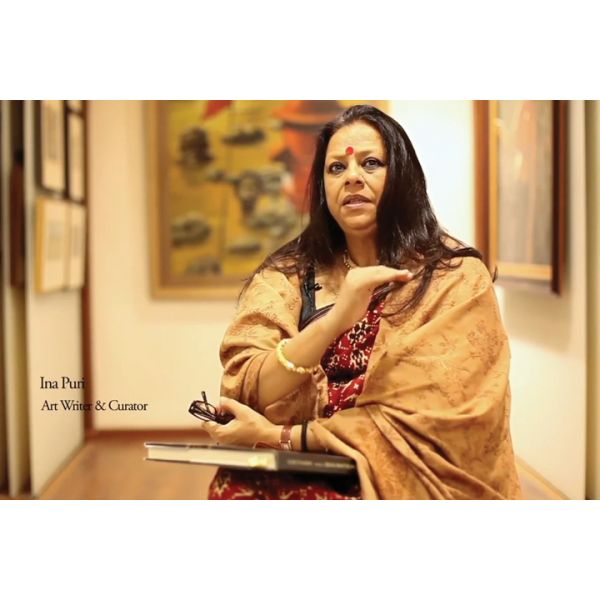 JournalBikash Bhattacharjee$0.00What do you make of a work of art? What was the artist attempting to communicate? These video shorts offer brief overviews on artists and their work in the way of expert opinions by scholars, curators art writers—and by the artists themselves. Learn More
 -
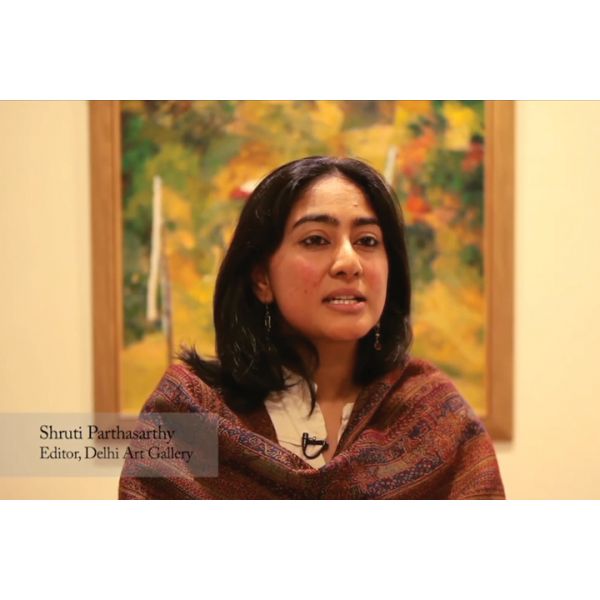 JournalRam Kumar$0.00What do you make of a work of art? What was the artist attempting to communicate? These video shorts offer brief overviews on artists and their work in the way of expert opinions by scholars, curators art writers—and by the artists themselves. Learn More
 -
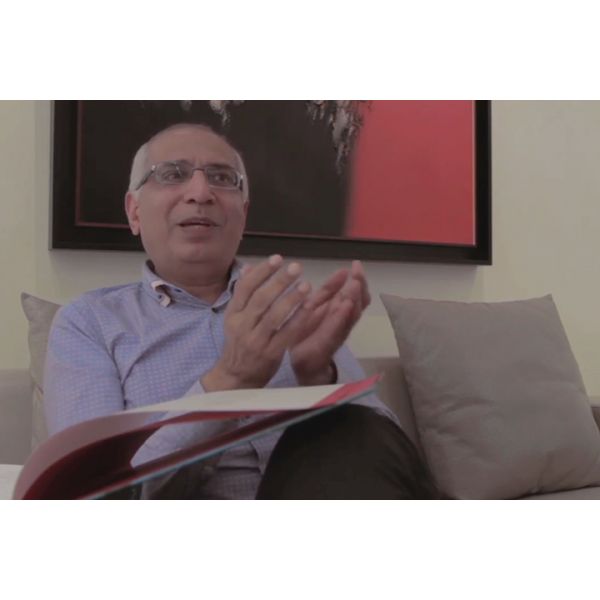 JournalMemory and Identity - Indian Artists Abroad$0.00What do you make of a work of art? What was the artist attempting to communicate? These video shorts offer brief overviews on artists and their work in the way of expert opinions by scholars, curators art writers—and by the artists themselves. Learn More
 -
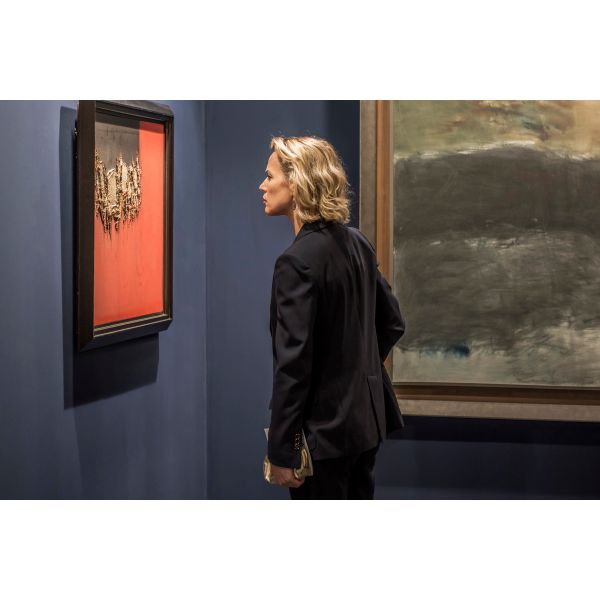 JournalThink Art. Think DAG.$0.00
Thirty years is not a long time in the life of an institution, especially when its scope of work is as overarching as DAG’s is. This short video encapsulates the gallery’s monumental journey, providing a snapshot of the prodigious work it has undertaken in such a short span of time.
Learn More -
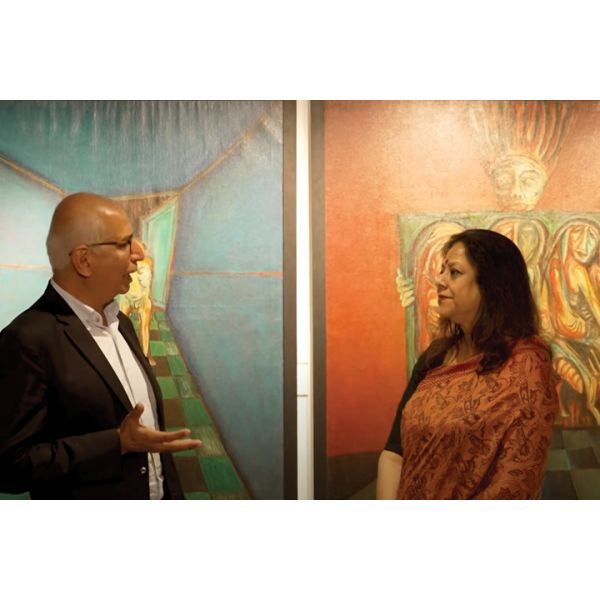 JournalThe Art of Rabin Mondal$0.00A great admirer of Indian modernist Rabin Mondal's works and curator of ‘Kingdom of Exile, a major retrospective on the artist, Kishore Singh of DAG is joined by Ina Puri, documentarian, collector and an old acquaintance of the artist as, together, they explore the circumstances of Mondal’s painterly life, particularly his vaunted King Series. A set of eight powerful paintings on the theme and hubris of power, now going on view at the upcoming Art Dubai 2022 Learn More
 -
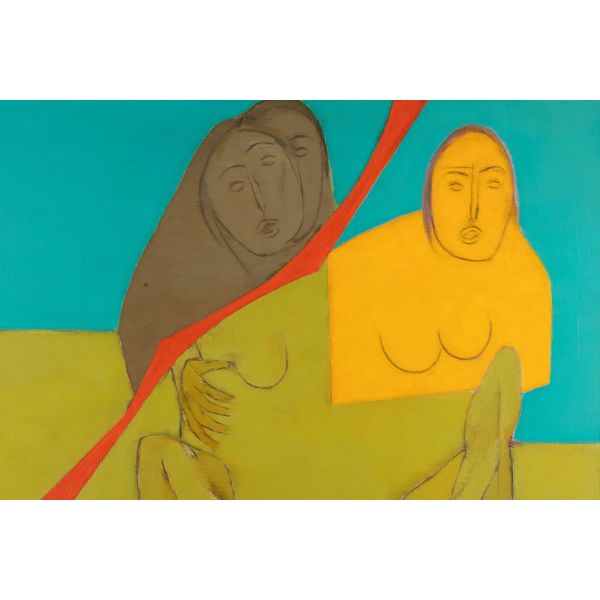 JournalTerm Of The Month: The Diagonal Method$0.00
As one of India’s most well-known artists, Tyeb Mehta still commands our attention for his commitment to experimentation. His ‘Diagonal series’ established him as a dynamic figure within the world of modern art, but how did this diagonal method come to be an important tool of composition in the last century? It all started with the invention of another compoitional tool called the 'rule of thirds'. Read below as we explore the origins of this artistic tool and see how it has evolved over time.
Learn More -
 Collection Stories150 years of Abanindranath Tagore$1.00
At the turn of the twentieth century, Abanindranath Tagore asked himself if the emerging artists of modern India should continue to paint in the manner of their European colonizers; or was there a new path waiting to be forged? His answers led him to envision a pan-Asian cultural identity, spanning traditions from Persia to Japan, and culminating in a ‘new “Indian” art.’ Regarded as the founder of the Bengal School, Abanindranath left an unparalleled legacy both in terms of his own diverse body of work, and through his pupils, like Nandalal Bose, who shaped the contours of art across the subcontinent in the twentieth century.
Learn More -
 Collection OnlineTHE WASH TECHNIQUE$1.00
The wash technique has come to be associated in India with the art of the Bengal School, but the story of its origins in India takes us back to an era of rich cultural exchanges. In the early twentieth century artists like Abanindranath Tagore were trying to imagine a pan-Asian cultural identity, and they turned for inspiration to traditions from across Persia to Japan. Rabindranath Tagore's friendship with Okakura Kakuzō occasioned the arrival of several Japanese artists in Kolkata, such as Yokoyama Taikan, Hishida Shunsō and Katsuta Shōkin. While the latter found inspiration in the Hindu epics, artists in Bengal adapted techniques that were used by the Japanese, such as the wash technique or the subtle use of ink and brush. Since then, the wash technique has been interpreted widely by individual artists, offering an ethereal quality of light to their works, or, in some cases, like for Gaganendranath Tagore and Prosanto Roy, new possibilities of painting in various shades of darkness.
Learn More -
 Events and ProgrammesAn Enquiry into the Freedom Movement$1.00
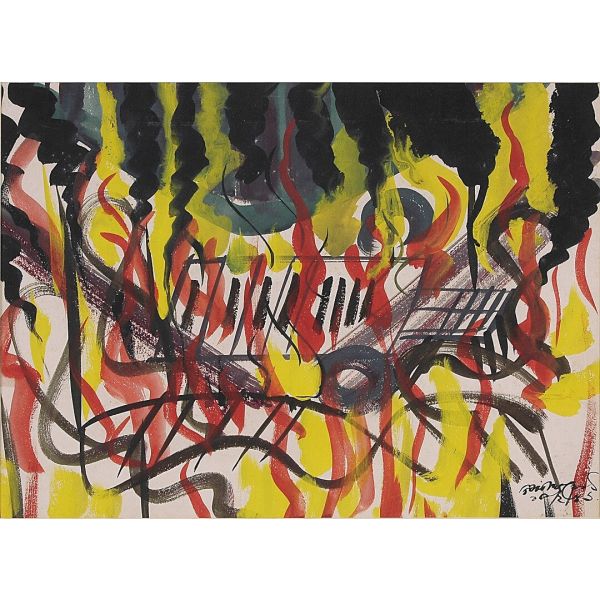
A workshop for middle school educators on implementing an arts-led and project-based module for learners, using artworks and archival objects from ‘March to Freedom’, DAG’s historic exhibition on the 75th year of Indian Independence.
Learn More -
 ArtistsEdwin Lord Weeks$0.00
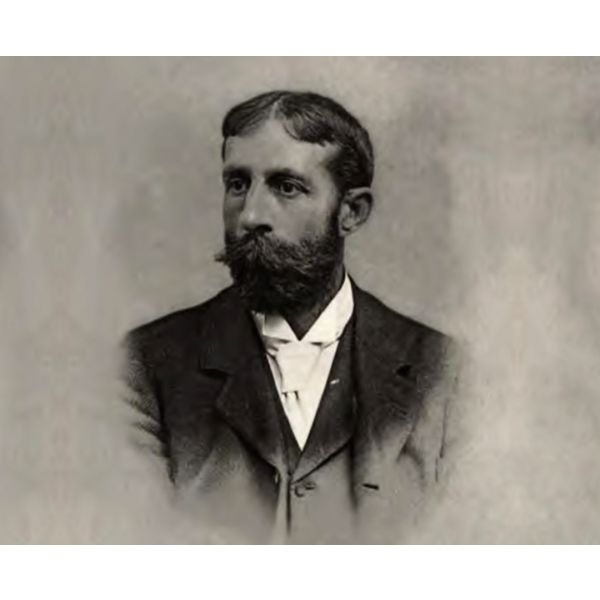
Born in Boston, Massachusetts, in 1849, into an affluent American family of spice and tea merchants from Newton, a suburb of Boston, Edwin Lord Weeks’s earliest known painting was made when he was eighteen-years old.
Learn More -