Search results for: 'Taj Mahal Hotel to Gateway of India Mumbai distance and travel time'
-
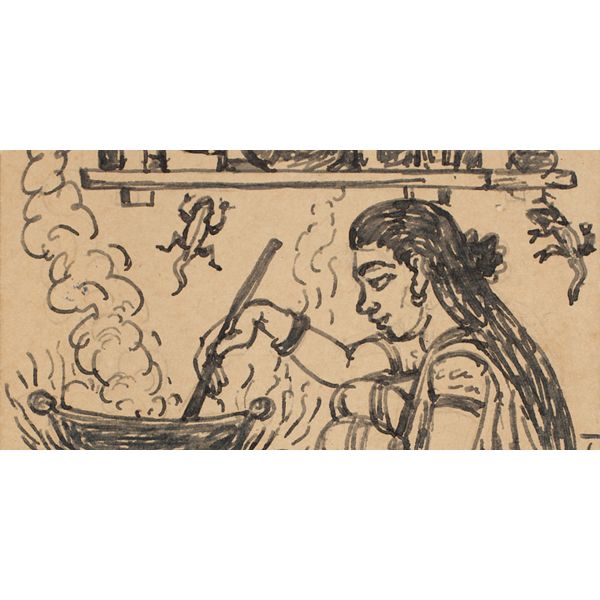
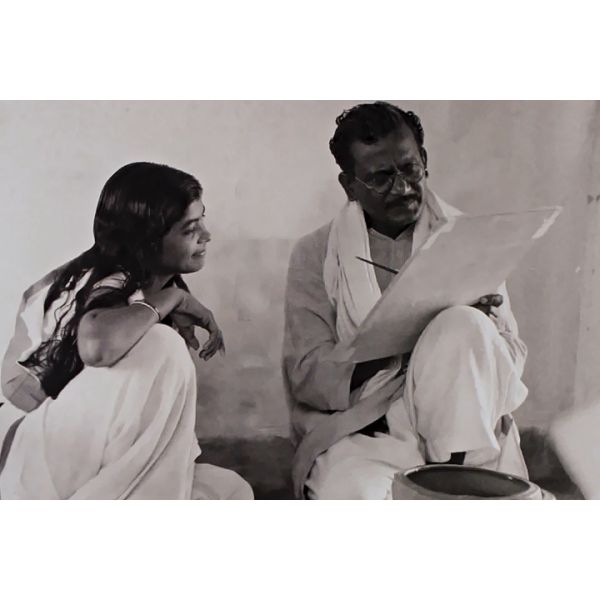 JournalDr. Tapati Guha-Thakurta on Nandalal Bose$1.00'Iconic Masterpieces of Indian Modern Art, Edition 2' opened on 11 February, featuring fifty artworks which shaped the trajectory of pre-modern and modern art in the country. As part of the exhibition, Tapati Guha-Thakurta discusses Nandalal Bose seminal role in cultivating a new ethos of art practice at Kala Bhavan and reflects on his untitled work commonly known as ‘The Artist’s Studio’ drawn in the caricaturist mode. Learn More
 -
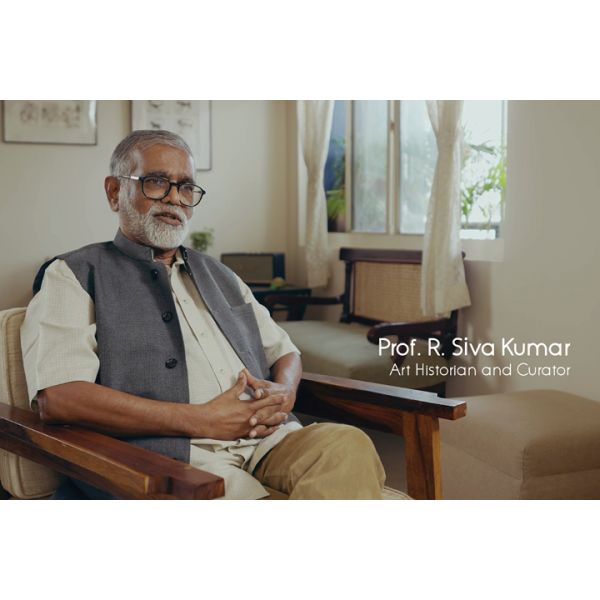 JournalProf. R Siva Kumar on Abanindranath Tagore$1.00'Iconic Masterpieces of Indian Modern Art, Edition 2' opened on 11 February, featuring fifty artworks which shaped the trajectory of pre-modern and modern art in the country. As part of the exhibition, R. Siva Kumar elaborates on Abanindranath Tagore’s wash technique and reflects on ‘The Dreamer’, a painting which conveys Tagore’s belief in the power of an artist to effect social changes. Learn More
 -
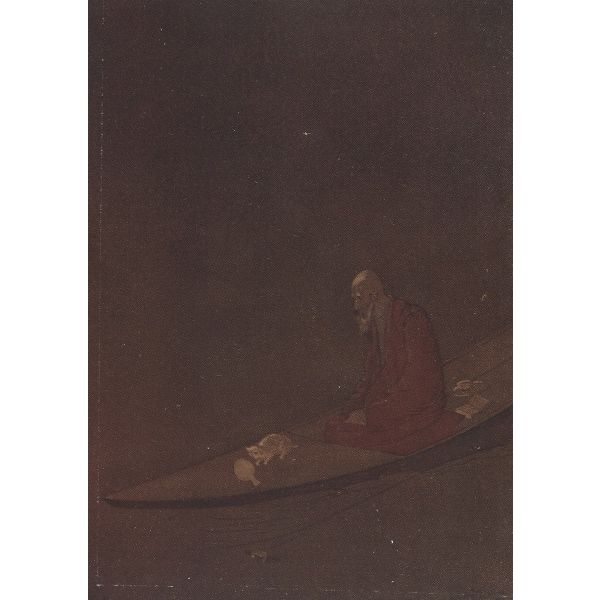 Collection Stories150 years of Abanindranath Tagore$1.00
At the turn of the twentieth century, Abanindranath Tagore asked himself if the emerging artists of modern India should continue to paint in the manner of their European colonizers; or was there a new path waiting to be forged? His answers led him to envision a pan-Asian cultural identity, spanning traditions from Persia to Japan, and culminating in a ‘new “Indian” art.’ Regarded as the founder of the Bengal School, Abanindranath left an unparalleled legacy both in terms of his own diverse body of work, and through his pupils, like Nandalal Bose, who shaped the contours of art across the subcontinent in the twentieth century.
Learn More -
-
-
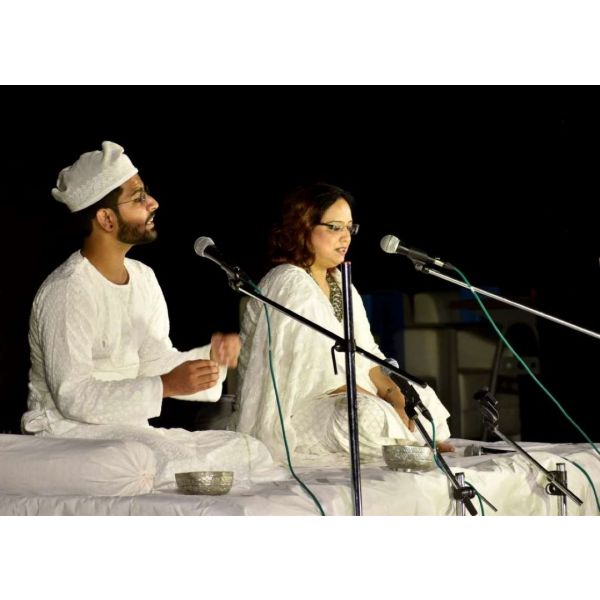 Events and ProgrammesMarch to Freedom: Delhi Opening$1.00
‘March to Freedom’, DAG’s acclaimed exhibition on the 75th anniversary of India’s independence, opens in Delhi with ‘Dastan-e-Gandhi', an evocative dastangoi performance written by Danish Iqbal and performed by Fouzia Dastango and and Ritesh Yadav, two of the leading artists of this tradition.
Learn More -
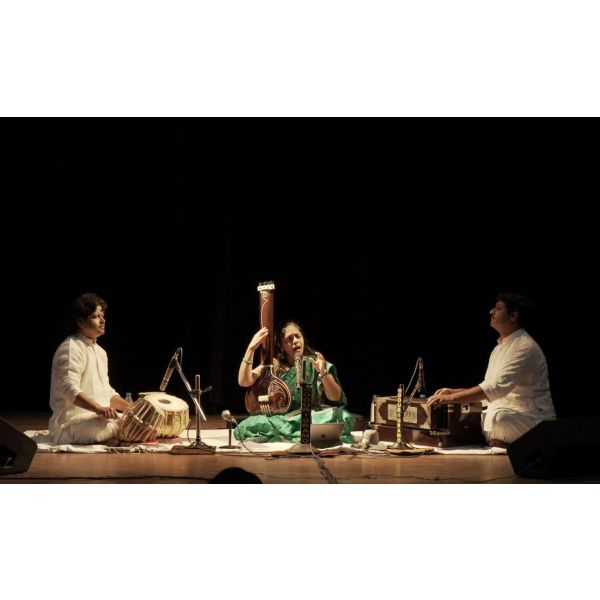 Events and ProgrammesImprovising the Khyal$1.00
A khyal performance by Ranjani Ramachandran, drawing from the repertoire of the Gwalior and Jaipur gharanas, that will focus on her interpretive style and the legacy of women performers in post-independence India. Introduced by Lakshmi Subramanian, a historian of music and trade.
Learn More -
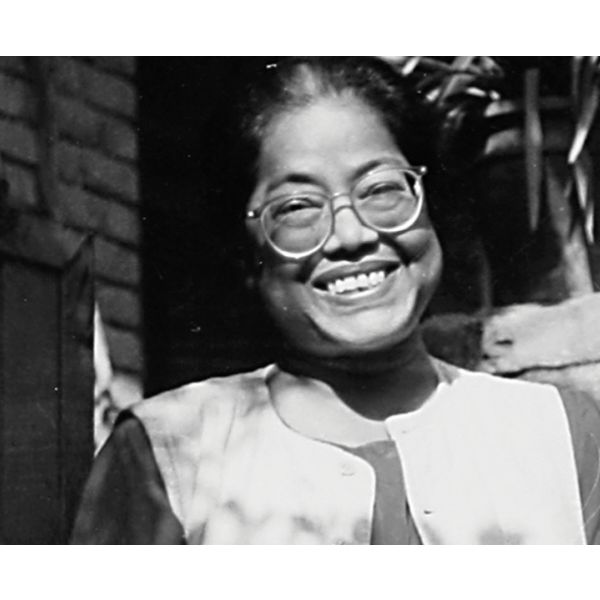 ArtistsArpita Singh$0.00An influential artist who is known for her richly detailed oils and watercolours, Arpita Singh was born in Calcutta in 1937. She studied art at Delhi Polytechnic (now College of Art) from 1954-59, and then joined the Government of India’s cottage industries restoration programme in 1959, which allowed her to meet weavers and artisans. Learn More
 -
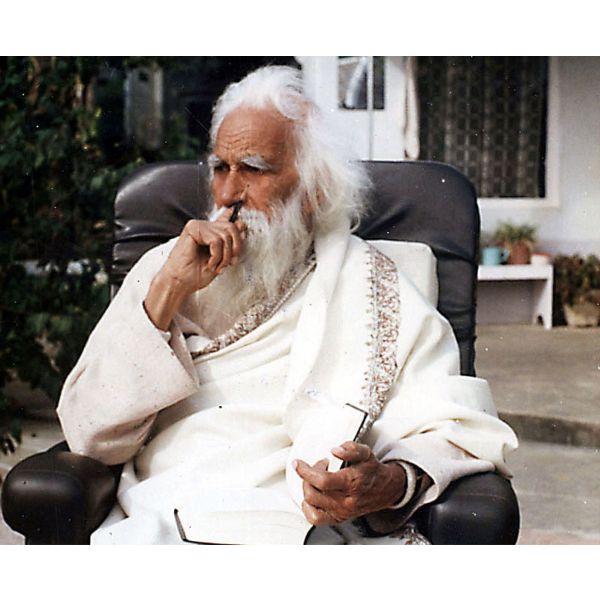 ArtistsSobha Singh$0.00The most definitive painter of the portraits of the Sikh gurus, Sobha Singh was born on 29 November 1901 at Gurdaspur in the Punjab. Interested in the arts since childhood, he learnt to draw and sculpt on his own, the early death of his parents depriving him of formal training in art. He joined the British Indian army as a draughtsman and continued to learn from studying the works of English and European artists. Learn More