Search results for: 'Art dealers and advisory in Hong Kong and Singapore'
-
 JournalUntitled (Tigers) by Amrita Sher Gil$1.00
The birth of Amrita Sher-Gil to an Indian father and Hungarian mother bequeathed to the nation one of its most incandescent artists. Known for her luminous paintings, her work changed the face of modern Indian art and paved the course it was to take in the country. In a rare sculpture of tigers made, poignantly enough, in the last year of her life, Amrita Sher-Gil is revealed as someone exploring new directions before her tragic demise in 1941.
Learn More -
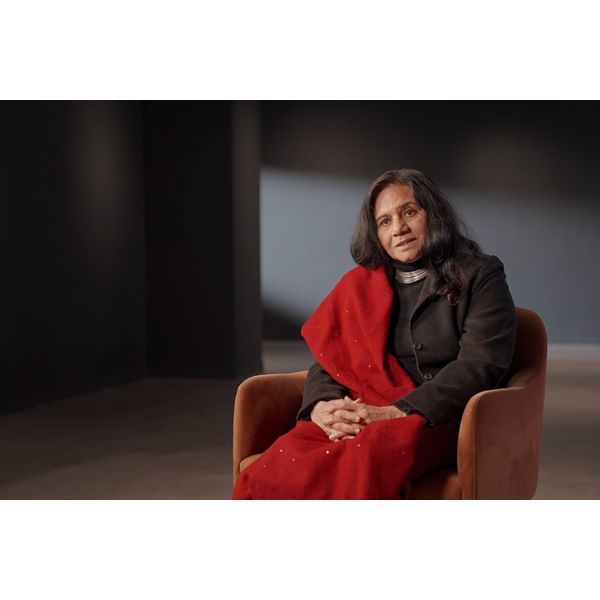
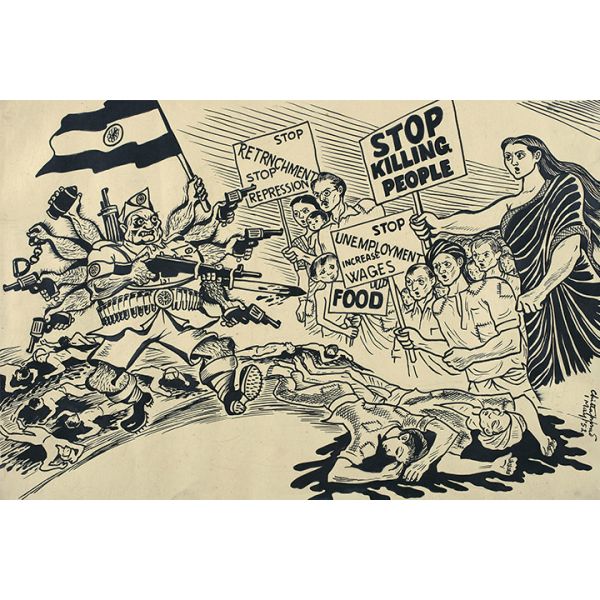 JournalChittaprosad by Nadia Samdani$1.00
Chittaprosad couldn’t have created a more germane work in honour of the people who successfully fought their oppressors to create an independent nation. A close examination of his masterpiece, Bangladesh War, reveals the artist’s use of symbols of hope against persecution and domination, art collector and philanthropist Nadia Samdani tells us.
Learn More -
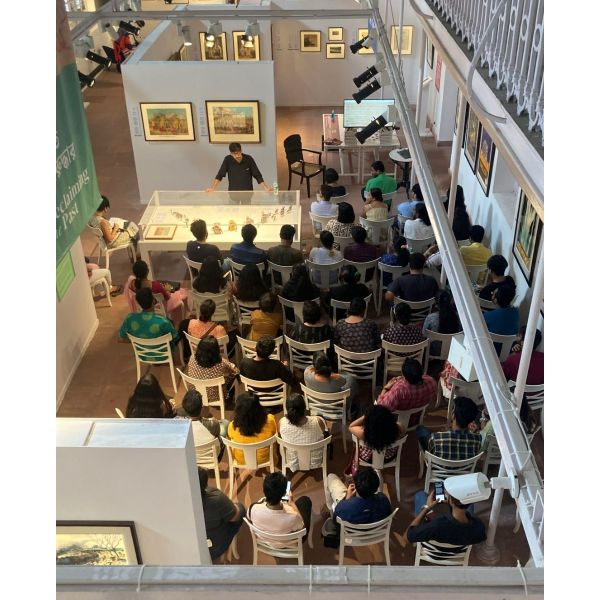 Events and ProgrammesGallery Teach-In$1.00
A unique academic engagement where professors from diverse disciplines bring their classrooms into the galleries, explore connections between their curriculum and the collection on view and experiment with new ways of teaching through art.
Learn More -
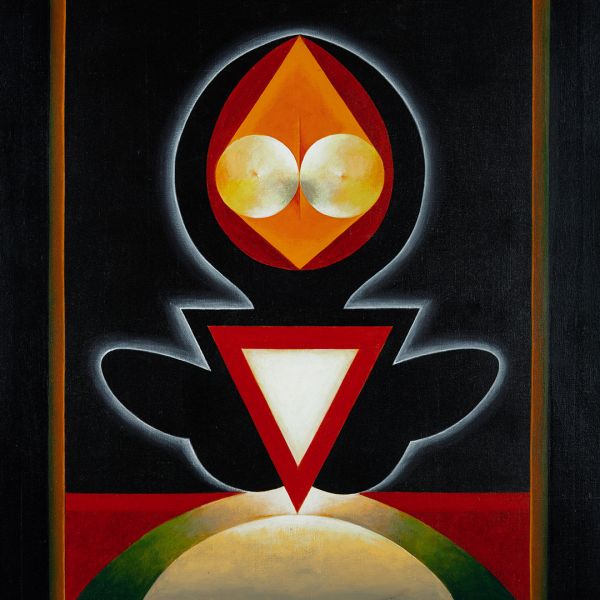 Art FairsFrieze Masters 2023$1.00The medieval ages saw the rise in India and parts of Asia of philosophical, theological, cultural, literary and visual manifestations that derived from diverse faiths but with one aim—to attain enlightened liberation. Its resistance to Brahmanical texts and hegemony resulted in the creation of geometrical aesthetics that were interpreted by way of texts, paintings, and architecture and had a monumental impact on society. At the centre of its geometric configurations—the triangle, the square, and the circle—lay the idea of Creation itself, the source of primal energy that could to be diverted towards a higher consciousness, and all universe was manifest in this. Learn More
 -
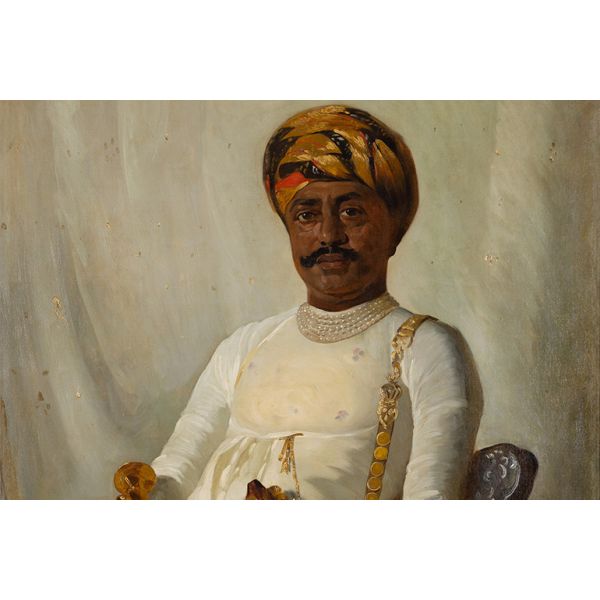 JournalThakor Becharsinhji of Chuda by Frank Brooks$1.00
Did you know that the portrait painter Frank Brooks whose two trips to India won him commissions from the rulers of principalities in the Bombay Presidency, trained Raja Ravi Varma’s brother in the art of figure painting? For his second India voyage (1892-93), he was invited specially to paint the heads of the twenty-eight rulers of the Kathiawar Agency. The subject of this stunning portrait is Thakur Becharsinhji of Chuda, a state so small it did not even merit a gun salute for its ruler. Explore in detail with Kishore Singh, SVP, DAG.
Learn More -
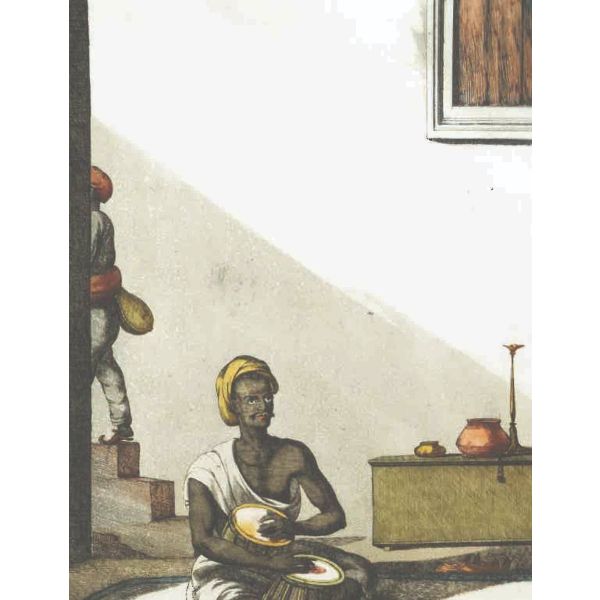 Events and ProgrammesGab-Sur-Kinaar: Of Making and Playing the Tabla$1.00
An exploration of the instrument by tabla artists, Asif Khan and Rohen Bose, followed by a concert where they are joined by Alla Rakha Kalawant on the sarangi at the Jorasanko Thakur Dalan.
Learn More -
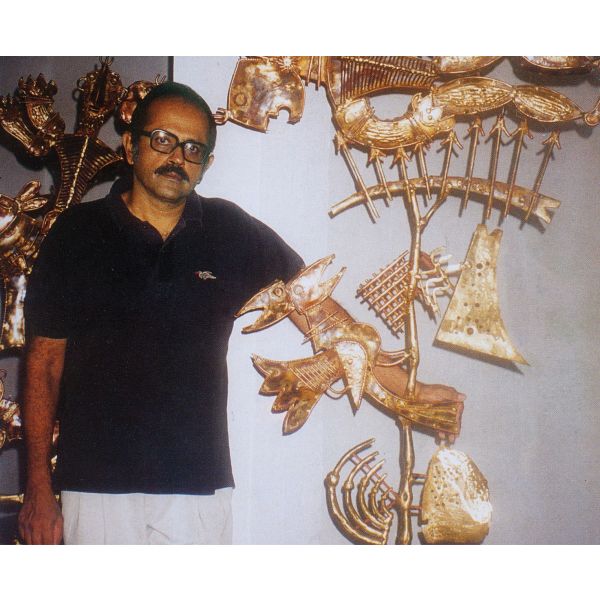 ArtistsS. Nandagopal$0.00Born in Bangalore to the illustrious K. C. S. Paniker, the father of the Madras Art Movement and the visionary behind Cholamandal Artists’ Village, S. Nandagopal’s tryst with art, unsurprisingly, began early on. Just like his father, Nandagopal’s work was a synthesis of tradition and modernity. Learn More
 -
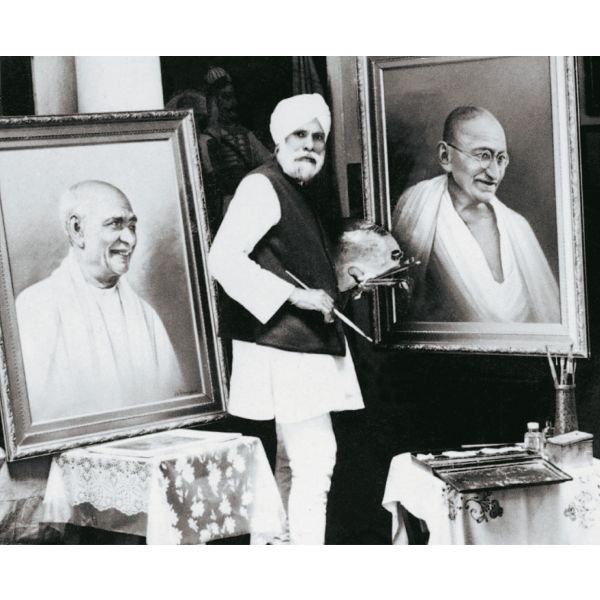 ArtistsS. G. Thakar Singh$0.00Born in 1899 in the village of Verka near Amritsar, S. G. Thakar Singh showed early aptitude for the arts by drawing on the walls of his home with coal. With no formal training, he went on to excel in the academic style of painting, rendering stunning landscapes, portraits and still-lifes. He apprenticed under local artist Mohd. Alam and moved with him to Bombay when the latter found a job as a stage artist with a theatre company. Learn More
 -
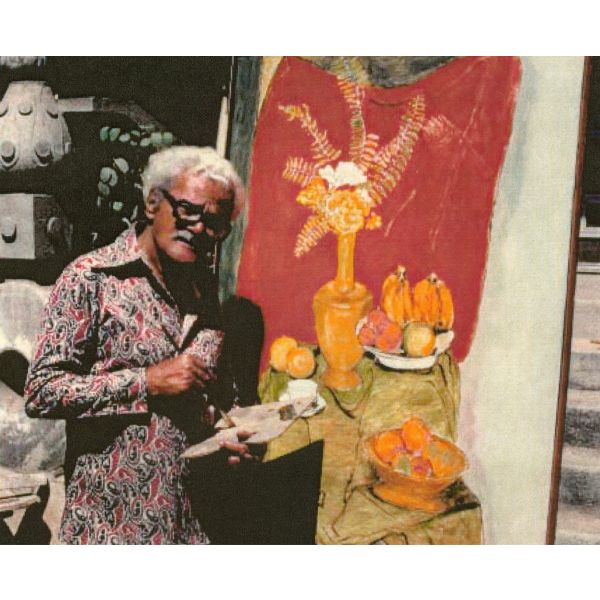 ArtistsP. T. Reddy$0.00Pakala Thirumal Reddy was born to a farmer’s family in Andhra Pradesh’s Karimnagar district. Defying his family’s opposition to art as a professional practice and fascinated with colour and form in his childhood, Reddy joined Sir J. J. School of Art, Bombay, on a scholarship, to study painting. Learn More
 -
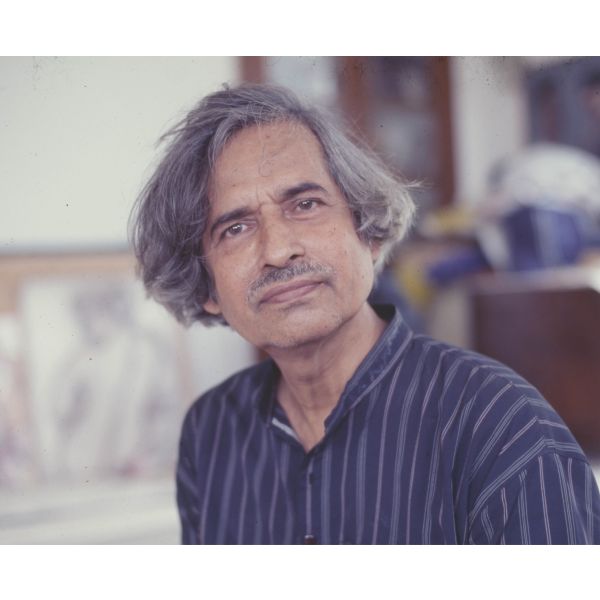 ArtistsJogen Chowdhury$0.00Born on 15 February 1939 in Faridpur (now in Bangladesh), Jogen Chowdhury’s family moved to Calcutta following the Partition. He studied art at the Government College of Art and Crafts, Calcutta, and subsequently at École Nationale Supérieure des Beaux-Arts, Paris. Learn More