


Search results for: 'Father feared drowned in river after rescuing his son'
-
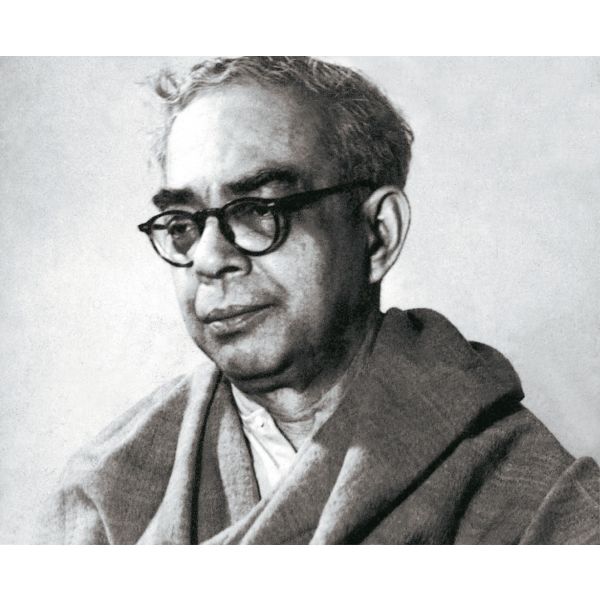 ArtistsSatish Sinha$0.00Born on 15 August 1894 in the north Calcutta neighbourhood of Nather Bagan, Satish Sinha showed an aptitude for the arts since childhood. He enrolled at the Government School of Art at the age of eighteen as a pupil of Abanindranath Tagore. However, he had to give up studying within three years due to his father’s death. He joined an insurance company as an agent to earn his livelihood but continued to study painting privately. Learn More
 -
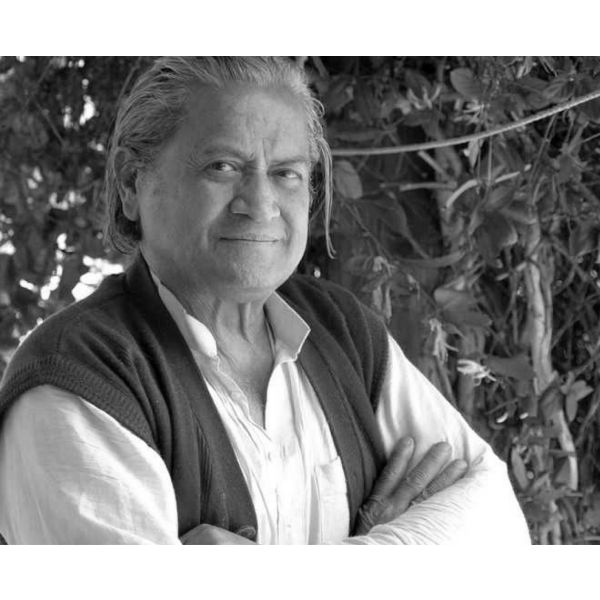 ArtistsSanat Chatterjee$0.00One of the last proponents of the Bengal School, Sanat Kumar Chatterjee was born in 1935 in Lucknow, and grew up in various cities of British India as his father had a transferable job with Indian Railways. Encouraged by his parents, he obtained a diploma in fine arts from the Government College of Arts and Crafts, Lucknow, in 1960. Learn More
 -
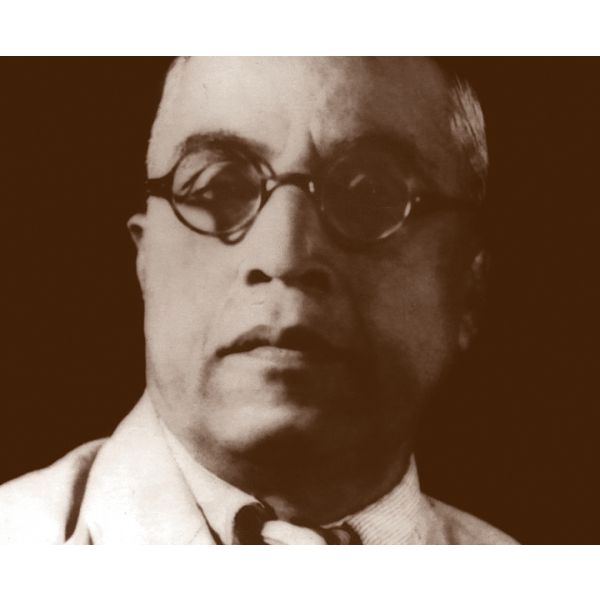 ArtistsM. K. Parandekar$0.00Born in Kolhapur, Maharashtra, M. K. Parandekar was a prolific painter—he made panoramic views of archaeological sites, landscapes and portraits. His initial training was under his father, a Sanskrit scholar and painter, and he followed that up with formal study at Sir J. J. School of Art, Bombay. Learn More
 -
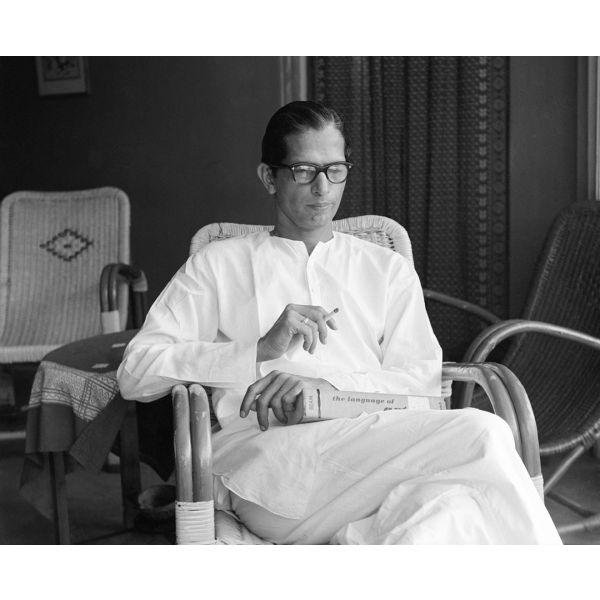 ArtistsK. K. Hebbar$0.00Kattingeri Krishna Hebbar, born on 15 June 1911 near Udupi in Karnataka, showed an inclination for the arts from his childhood—his father used to make Ganesha idols. Learn More
 -
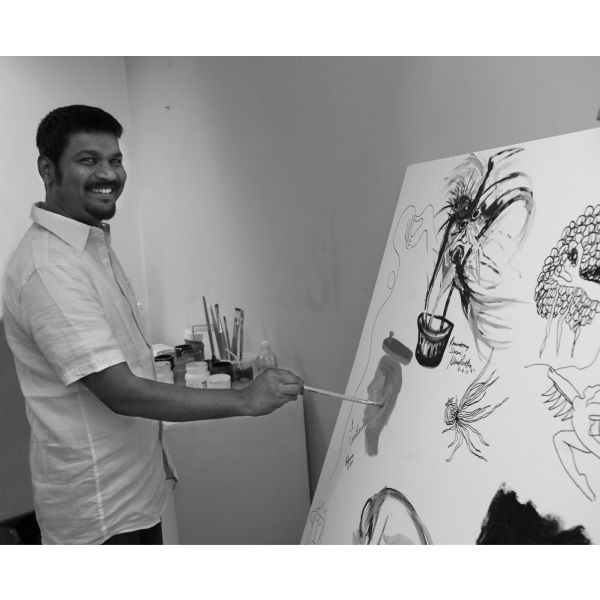 ArtistsG. R. Iranna$0.00Born in Sindgi, Karnataka, Iranna G. Rukumpur, popularly known as G. R. Iranna, grew up on his father’s farm, worked in the fields, and studied in Sarang Math (a traditional village school or an ashram) where he discovered his early interest in drawing and painting. As a child, freshly laid-out roads were Iranna’s earliest canvases on which he drew images of Hanuman, the monkey-god, with chalk. Learn More
 -
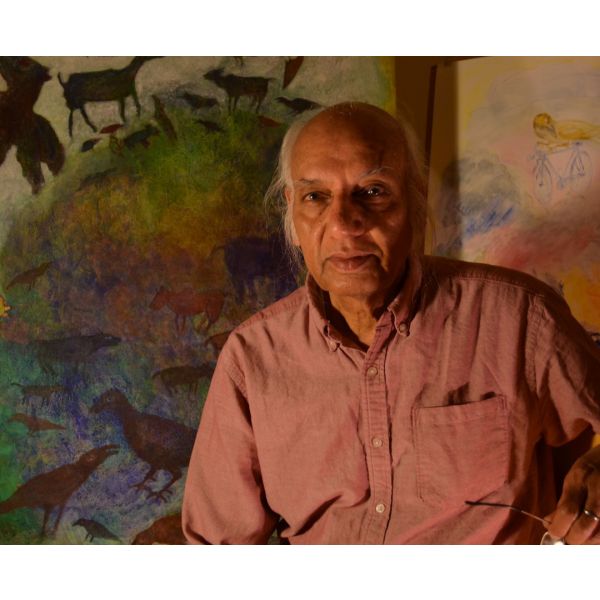 ArtistsDevraj Dakoji$0.00Devraj Dakoji was born in Dharmaji Gudem village in West Godavari district of Andhra Pradesh to a family of Ayurveda practitioners. Picking herbs for his father every morning before going to school proved to be a lasting influence in Dakoji’s life, making nature the leitmotif of his art. Learn More
 -
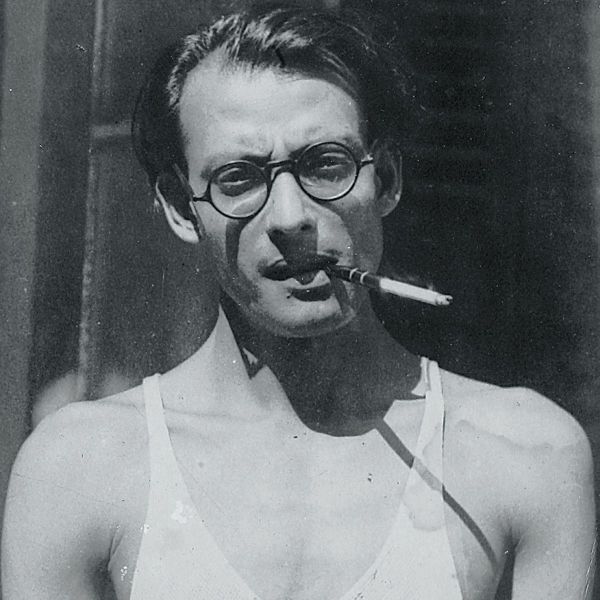 ExhibitionsChittaprosadAs low as $1.00
One of India’s most important artists, Chittaprosad recorded pivotal political and social movements in the country, such as the Great Bengal Famine of 1943-44 and its fallout, in heart-wrenching sketches and drawings, alongside protests against colonialism, economic exploitation, urban poverty and depravity, just as beautifully as the many drawings, linocuts and scraper board illustrations he made for children, recording a beatific phase of plenitude and family values, and involving himself with marionettes for their entertainment.
Learn More -
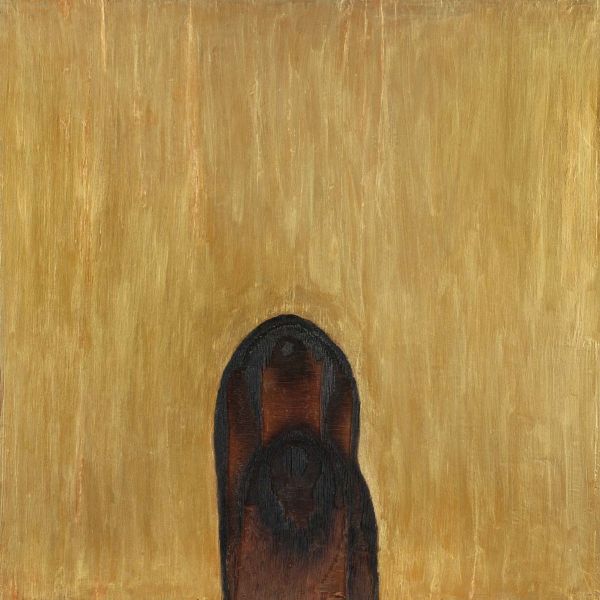 ExhibitionsGroup 1890As low as $1.00
A great number of short-lived but nonetheless significant art movements arose in India over the twentieth century as Indian artists struggled with evolving or arriving at their identity as modern artists and an appropriate visual language of Indian modernism. One of the most significant amongst these is the artist collective, Group 1890, formed in 1962 with twelve young artists, led by the artist and art critic J. Swaminathan. The group consisted of J. Swaminathan, Gulammohammed Sheikh, Himmat Shah, Jeram Patel, Ambadas, Jyoti Bhatt, Raghav Kaneria, M. Reddeppa Naidu, Rajesh Mehra, Eric Bowen, S. G. Nikam and Balkrishna Patel. Ambadas Balkrishna Patel Eric Bowen Gulammohammed Sheikh Himmat Shah J. swaminathan Jeram Patel Jyoti Bhatt Raghav Kaneria Rajesh Mehra Reddappa Naidu S. G. Nikam
Learn More -
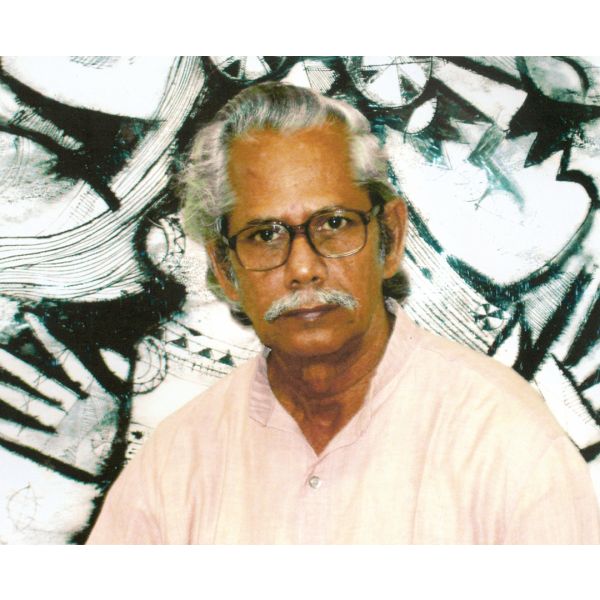 ArtistsM. Senathipathi$0.00A student of K. C. S. Paniker—the influential artist-teacher and founding father of the Madras Art Movement—M. Senathipathi is known for his richly textured works drawn from mythology and contextualised in contemporary social issues. Learn More
 -
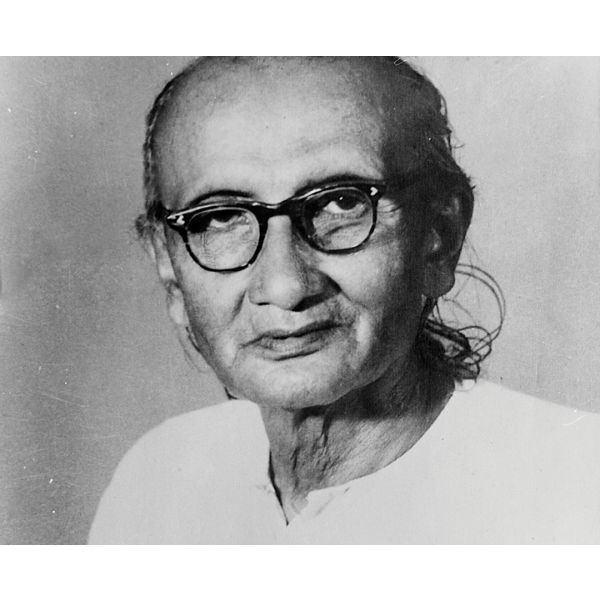 ArtistsKshitindranath Majumdar$0.00Kshitindranath Majumdar, born on July 31, 1891, in Jagtai village of Murshidabad in West Bengal, is often referred to as a saint-artist who considered art as a form of devotion. Strongly influenced by Vaishnavism as propounded by the fifteenth century saint, Chaitanya Mahaprabhu, Majumdar trained in hymn singing, interpreted legends from Indian epics, and acted in productions of the theatre group owned by his father. Learn More
 -
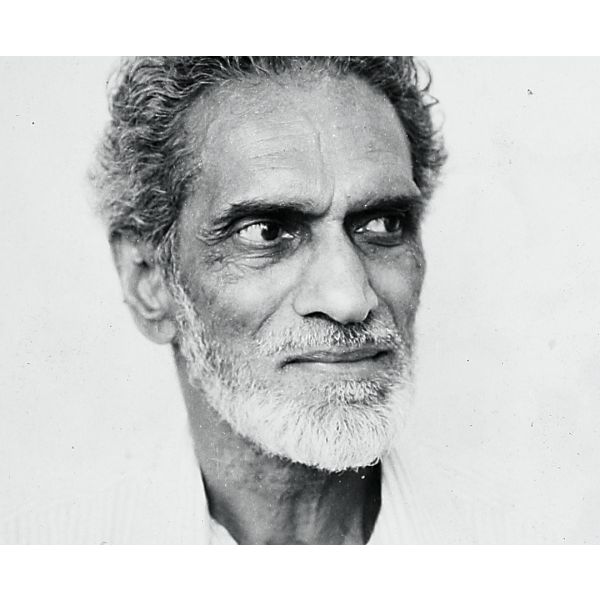 ArtistsK. S. Kulkarni$0.00Forced to paint signboards at the age of eleven when his father died, Krishna Shamrao Kulkarni battled numerous early struggles to achieve a pre-eminent place in modern Indian art. Born in a village in Belgaum in Karnataka in 1916, Kulkarni engaged with modernist techniques and mediums to create a highly individuated pictorial language. Learn More
 -
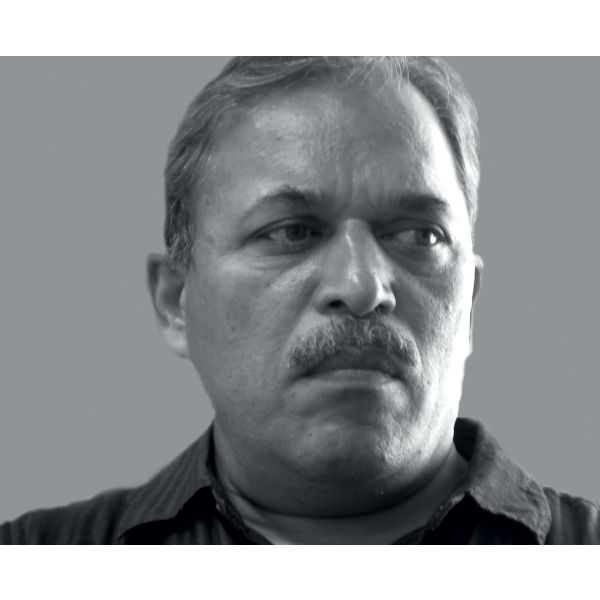 ArtistsDattatraya Apte$0.00Born on 11 April 1953 in Sangli, Maharashtra, Dattatraya Apte grew up in a culturally-charged household. His father was a teacher and used to make Ganehsa idols for puja at home, a skill that young Apte learnt early on. He also learnt to paint photographs and retouch negatives with an uncle who was a photographer. Learn More