Search results for: 'did the actress who plays Player 149, Jang Geum-ja die in real life'
-
 JournalModernists In Focus: Art Festivals, Early 2023$0.00
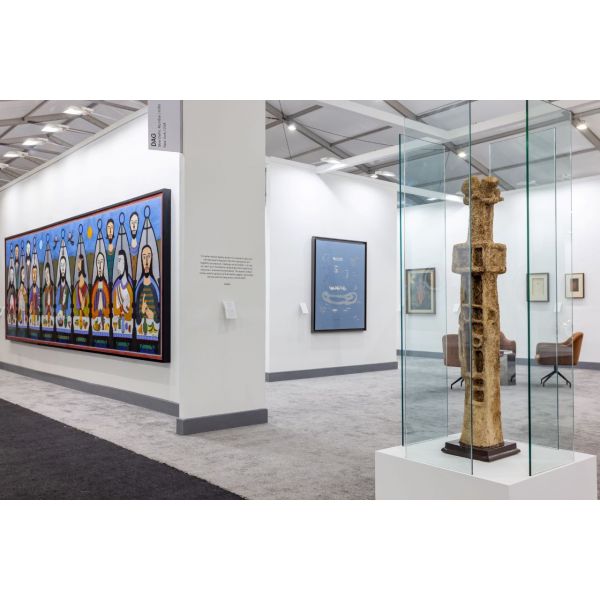
With the cultural calendar being packed till spring, join us as we travel through some of the most popular ongoing or upcoming art fairs and biennales. Take a close look at artists who bring modernist ideas to the contemporary art context. With some ubiquitous names from the twentieth century art world accompanied by a few of those that have been historically overlooked, discover how ideas around the Modern have evolved through these fairs and biennales, as we focus on notable artists from each art festival and delve into their practice.
Learn More -
 Collection OnlineDEVIS$1.00
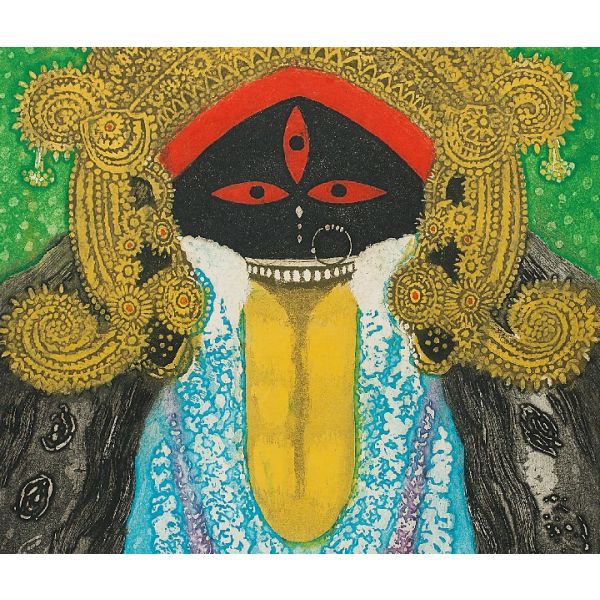
The Devi or the female power in Hindu mythology appears in various avatars in our everyday lives—as idols during the puja, on covers of magazines, product labels, calendars and posters. The modern history of visualising the Devi goes back to naturalistic depictions in oil paintings by the Early Bengal artists, which were surpassed in popularity and fame by Raja Ravi Varma and his studio. His representation, however, was regarded as too human-like by artists of the Bengal School in the early twentieth century, who created idealised forms based on a synthesis of classical visual traditions. In the twentieth century, we find artists responding to distinctive traits of the goddess to portray specific aspects of her power, or to convey the artist's own relationship with divinity. Few artists who have turned to Hindu myths have been able to escape the temptation to interpret the female power in their own way, and the diversity in style, medium, and mood is a testament to that.
Learn More -
 Collection OnlineCHITTAPROSAD$1.00
Chittaprosad (1915 – 1978) was an artist of the people. A firm believer in the power of political art to bring tangible change in society, he is remembered for political cartoons and caricatures lampooning the ruling elite while championing the cause of the working class.
He was also a dedicated journalist working for the Communist Party of India (CPI) and was sent by the party to document the effects of the Great Bengal Famine of 1943 in Bengal’s villages and towns. He would come back with harrowing stories and sketches of hunger and death and publish them in the CPI’s journal People’s War, something that would prove to be extremely important in the face of British censorship on news about the famine.
Post-Independence, Chittaprosad distanced himself from the CPI due to ideological differences and moved to the outskirts of Bombay. He continued registering protest through his art but focussed increasingly on art for children. He setup a puppet studio, Khela-ghar and created beautiful retellings of epics and folk tales in print.
Learn More -
 ExhibitionsArt Exhibitions$0.00
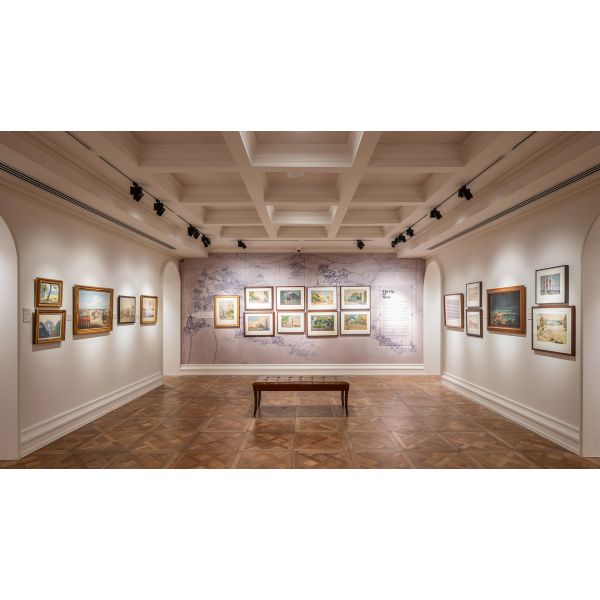
DAG has been a pioneer in curating exhibitions that have historical significance. These have ranged from themes around different genres and art movements to artist retrospectives as well as engagements with forgotten masters. Most exhibitions are sourced from its own inventory and in recent years DAG has begun to explore eighteenth and nineteenth century art and artists in addition to its presence as a stakeholder of twentieth century art. Exhibitions are routinely organised at its galleries in New Delhi, Mumbai, and New York, as well as in collaboration with museums and other institutions. All exhibitions are accompanied by well researched and designed books, adding considerably to the documentation of Indian art history.
Learn More -
 Art FairsThe Armory Show$0.00
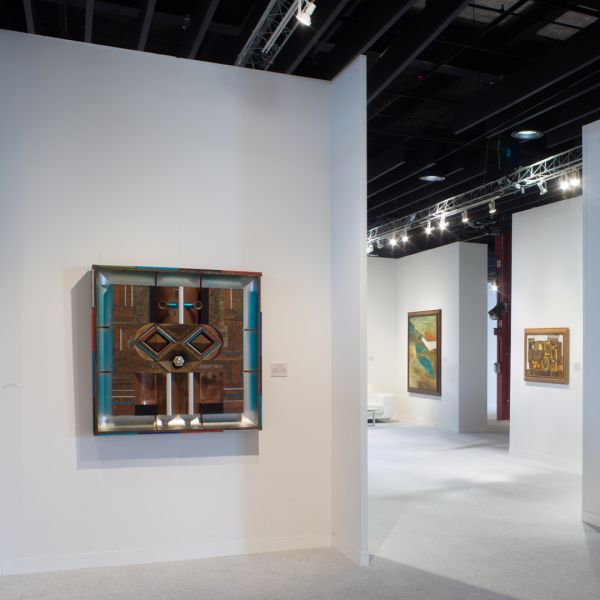
New York’s popular Armory Show required DAG to put forth its most emphatically modernist artists. These included several who had been fellows of the John D. Rockefeller III Fund and would thus have a resonance among art connoisseurs in America for their language and context. Instead of concentrating on the Progressives, therefore, DAG decided to curate a selection that included works by Avinash Chandra and Natvar Bhavsar with extensive careers in New York, and an important body of works by artists such as S. H. Raza, Ram Kumar, Krishen Khanna, Paritosh Sen, and Satish Gujral, among others. Avinash Chandra Jyoti Bhatt K G Subrmanyan Krishen Khanna Natvar Bhavsar Paritosh Sen Ram Kumar Tyeb Mehta Rekha Rodwittiya S. H. Raza Satish Gujral
Learn More -

-
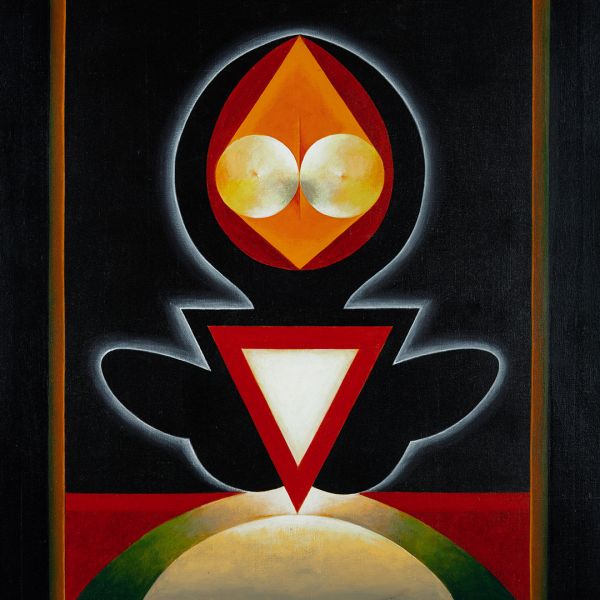 Art FairsFrieze Masters 2023$1.00The medieval ages saw the rise in India and parts of Asia of philosophical, theological, cultural, literary and visual manifestations that derived from diverse faiths but with one aim—to attain enlightened liberation. Its resistance to Brahmanical texts and hegemony resulted in the creation of geometrical aesthetics that were interpreted by way of texts, paintings, and architecture and had a monumental impact on society. At the centre of its geometric configurations—the triangle, the square, and the circle—lay the idea of Creation itself, the source of primal energy that could to be diverted towards a higher consciousness, and all universe was manifest in this. Learn More
 -
 Art FairsArt021 Shanghai$0.00
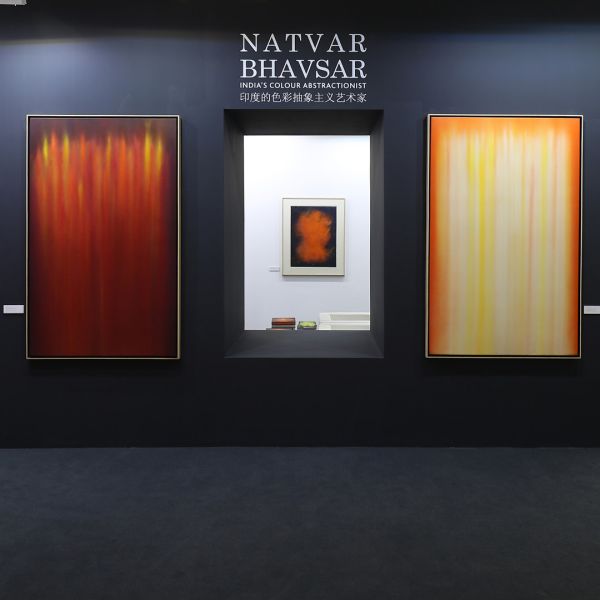
New York-based, Indian artist Natvar Bhavsar has been one of the most important painters of his generation. Influenced by the colour field artists of America in the 1960s, he became acquainted with them and took their language forward in his unique manner. A celebrated international artist, Bhavsar’s works have been widely collected by institutions and museums in America and the West.
Learn More -
 Art FairsArt Dubai$0.00
For its debut participation in the modern section of Art Dubai 2017, DAG focussed on the unconventional theme of Neo-Tantra as a way of bringing India’s unique school of abstraction to global attention. The booth featured works by two of the country’s leading practitioners of this school—G. R. Santosh and Biren De. The stunning, colour- and energy-filled canvases drew all eyes towards itself, making it the singularly most-visited booth in the section.
Learn More -
 Art FairsArt Stage Singapore$0.00
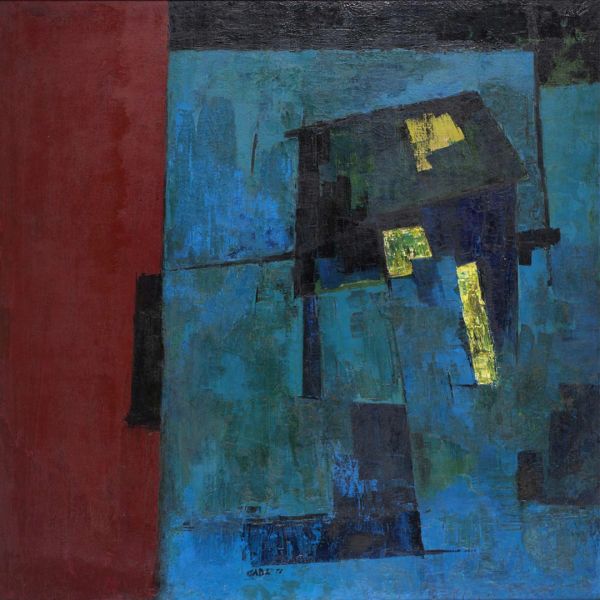
India’s return to Singapore to participate in Art Stage Singapore 2016 was fuelled by the strong curiosity it aroused the previous year, and it built on the relationships it had developed in the region with a strong selection of artworks by reputed artists as well as masters. It proved a felicitous experience and consolidated the gains from its previous sales and was a success. As is its norm, the large DAG booth had a big number of Indian artists represented by their finest work. A. A. Almelkar Ambadas Anjolie Ela Menon Avinash Chandra Bikash Bhattacharjee Biren De Francis Newton Souza G. R. Santosh Ganesh Haloi George Keyt Gogi Saroj Pal Gopal Ghose H. A. Gade J. Sultan Ali Jeram Patel Jogen Chowdhury K. H. Ara K. K. Hebbar K. Laxma Goud Laxman Pai Madhvi Parekh Maqbool Fida Husain P. Khemraj P. T. Reddy Rabin Mondal Ram Kumar Sakti Burman Shanti Dave Shyamal Dutta Ray Sohan Qadri Somnath Hore Sunil Das Syed Hyder Raza
Learn More -
 Art FairsART15$0.00
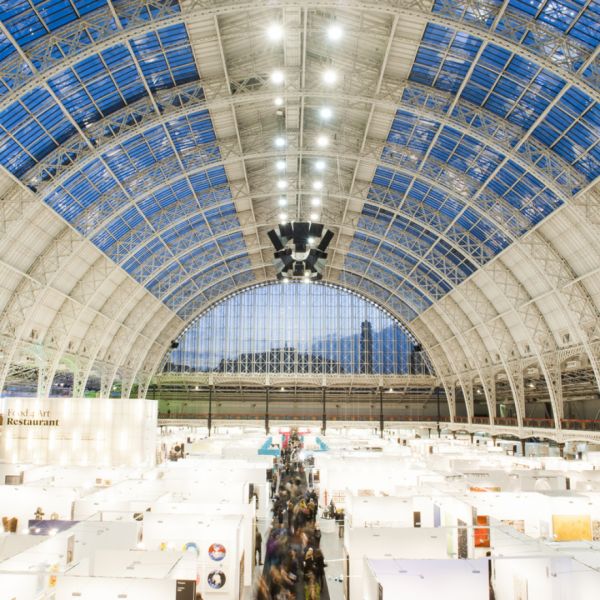
For its debut in London, DAG created a booth-in-booth display space at the historical exhibition venue, Olympia London, that offered glimpses of the artworks from all around, thereby improving its visibility and attracting visitors. Its choice of art too reflected the best from its collection of the twentieth century modern masters of Indian art, who, in turn, had been influenced by movements and artists in the West. Several of these had worked, briefly or for the duration of their careers, in London and Europe. These included Avinash Chandra, F. N. Souza, Ram Kumar, S. H. Raza, Laxman Pai, Manjit Bawa,
Learn More
S. K. Bakre, Sakti Burman and Sohan Qadri among others. The room within the booth was reserved solely for the paintings by F. N. Souza. Akbar Padamsee Ambadas Anjolie Ela Menon Avinash Chandra B. Prabha Bikash Bhattacharjee Dharamnarayan Dasgupta F. N. Souza G.R. Santosh George Keyt Himmat Shah J. Sultan Ali Jogen Chowdhury K. H. Ara K. K. Hebbar K. Laxma Goud Krishen Khanna Laxman Pai M. F. Husain Manjit Bawa N. S. Bendre P. T. Reddy Prodosh Das Gupta Rabin Mondal Ram Kumar S. H. Raza S. K. Bakre Sakti Burman Sohan Qadri Sunil Das