A founder-member of the Progressive Artists’ Group, Sadanandji K. Bakre was born in Baroda, Gujarat, on 10 November 1920. He obtained a diploma in modelling and stone carving from Sir J. J. School of Art, Bombay, following which he was a pilot with the Air Force during the Second World War. Learn More
Born in Mysore, S. G. Vasudev completed his diploma in fine arts, from Government College of Art and Craft, Madras, in 1968, where he was deeply influenced by artist-teacher K. C. S. Paniker. While still a student, he won Lalit Kala Akademi’s national award in 1967. Learn More
Born on 31 October 1958 in Bangalore, Rekha Rodwittiya is an artist aligned with the Baroda School whose work engages with gender politics, socio-political subjugation, human degradation, violence and discrimination, all filtered through the prism of self-questioning. Learn More
An important artist of the Madras Group that synthesised modernism by melding Indian traditions with Western modernist techniques under the direction of K. C. S. Paniker, M. Suriyamoorthy’s visual language employed emphatic regional and folk imagery. Learn More
Born into a family of artists in Lahore on 21 September 1897, M. Abdur Rahman Chughtai learnt to draw from his father, Mia Karim Baksh. He joined Mayo School of Art in Lahore in 1911, where Samarendranath Gupta, a pupil of Abanindranath Tagore, was vice-principal. He obtained a diploma in photo lithography from Mayo School in 1914, where he went on to become the head instructor in chromo-lithography. He honed his printmaking skills during visits to London in the mid-1930s and exhibited his works across Europe; he also exhibited with Indian Society of Oriental Art in Calcutta around this time. Learn More
Born in Suri, Bengal, in 1937, Lalu Prasad Shaw obtained a diploma in painting from the Government College of Art and Craft, Calcutta, in 1959. Despite training in Company School art, traditional Kalighat pats and Ajanta cave frescos, Shaw evolved his distinctive style to work in watercolours and oil. His teachers were some of the leading artists of the time, such as Gopal Ghose, Rathin Maitra, and Maniklal Banerjee. Learn More
Krishnaji Howlaji Ara, a founder member of the Progressive Artists’ Group, was born in Secunderabad on 16 April 1914, but ran away to Bombay as a child. Much later, his skills as a painter were spotted by Austrian artist and art director of The Times of India, Walter Langhammer, who encouraged him in his artistic pursuit. Learn More
Eric Bowen was born in Allahabad on 3 May 1929 and received a diploma from the College of Art, New Delhi, in 1959. Though he joined the short-lived Group 1890, his journey to be a part of the significant art movements in the 1960s took root when he and Paramjit Singh started the Group Unknown, a Delhi-based collective of young artists and sculptors. Learn More
A seminal and well-known contemporary Indian sculptor, Dhruva Mistry’s art, in his own words, is a ‘dialogue of an artist as a maker pursuing enigma of an omnipresent consciousness’. Learn More
Born in Bengal in 1917, Bimal Dasgupta was raised by his uncle, a government employee posted in Delhi. His uncle’s family did not support his ambition of becoming an artist, so he joined Calcutta’s College of Arts and Crafts in 1937 with his father’s help. Learn More
Born in Nagpur, B. Prabha became an artist at a time when not many Indian women practiced it as a profession. She studied at the Nagpur School of Art and obtained a diploma from Sir J. J. School of Art, Bombay, in 1955. Learn More
An artist who died with the brush in his hand like a true devotee of his profession, Abani Sen graduated from the Government School of Art, Calcutta, under Percy Brown. Learn More



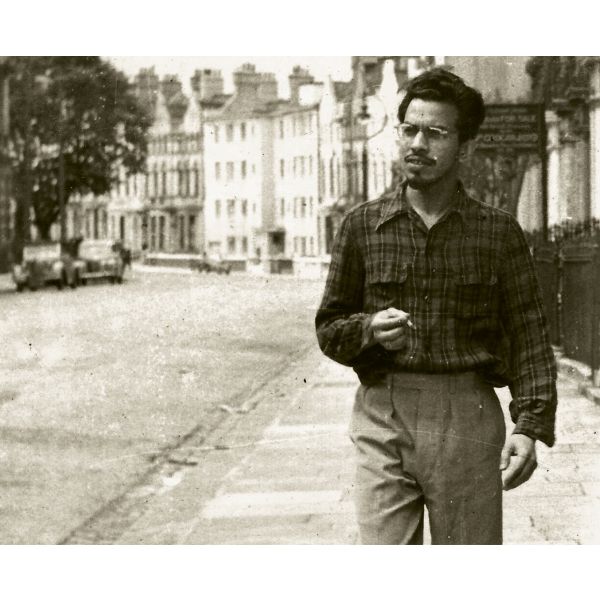 ArtistsS. K. Bakre$0.00A founder-member of the Progressive Artists’ Group, Sadanandji K. Bakre was born in Baroda, Gujarat, on 10 November 1920. He obtained a diploma in modelling and stone carving from Sir J. J. School of Art, Bombay, following which he was a pilot with the Air Force during the Second World War. Learn More
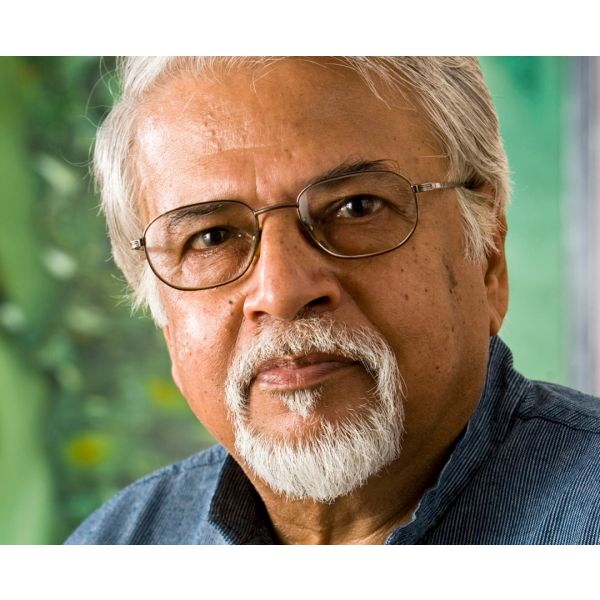 ArtistsS. G. Vasudev$0.00Born in Mysore, S. G. Vasudev completed his diploma in fine arts, from Government College of Art and Craft, Madras, in 1968, where he was deeply influenced by artist-teacher K. C. S. Paniker. While still a student, he won Lalit Kala Akademi’s national award in 1967. Learn More
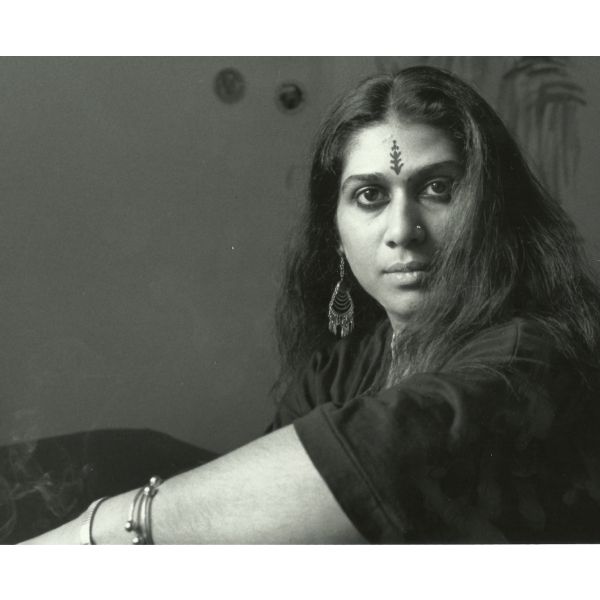 ArtistsRekha Rodwittiya$0.00Born on 31 October 1958 in Bangalore, Rekha Rodwittiya is an artist aligned with the Baroda School whose work engages with gender politics, socio-political subjugation, human degradation, violence and discrimination, all filtered through the prism of self-questioning. Learn More
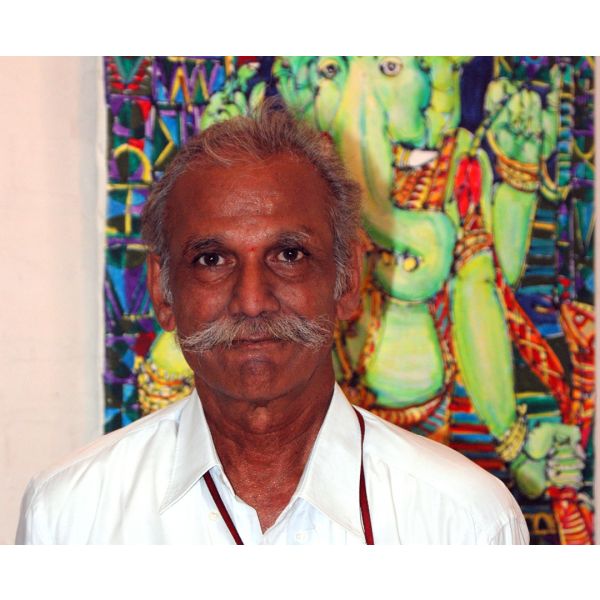 ArtistsM. Suriyamoorthy$0.00An important artist of the Madras Group that synthesised modernism by melding Indian traditions with Western modernist techniques under the direction of K. C. S. Paniker, M. Suriyamoorthy’s visual language employed emphatic regional and folk imagery. Learn More
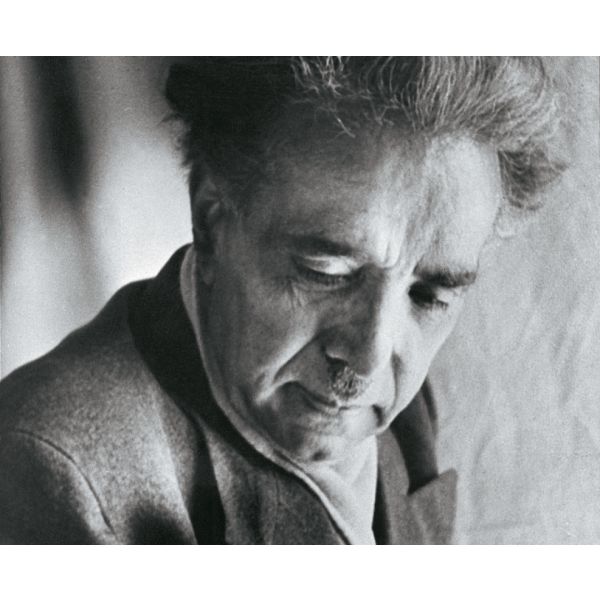 ArtistsM. A. R. Chughtai$0.00Born into a family of artists in Lahore on 21 September 1897, M. Abdur Rahman Chughtai learnt to draw from his father, Mia Karim Baksh. He joined Mayo School of Art in Lahore in 1911, where Samarendranath Gupta, a pupil of Abanindranath Tagore, was vice-principal. He obtained a diploma in photo lithography from Mayo School in 1914, where he went on to become the head instructor in chromo-lithography. He honed his printmaking skills during visits to London in the mid-1930s and exhibited his works across Europe; he also exhibited with Indian Society of Oriental Art in Calcutta around this time. Learn More
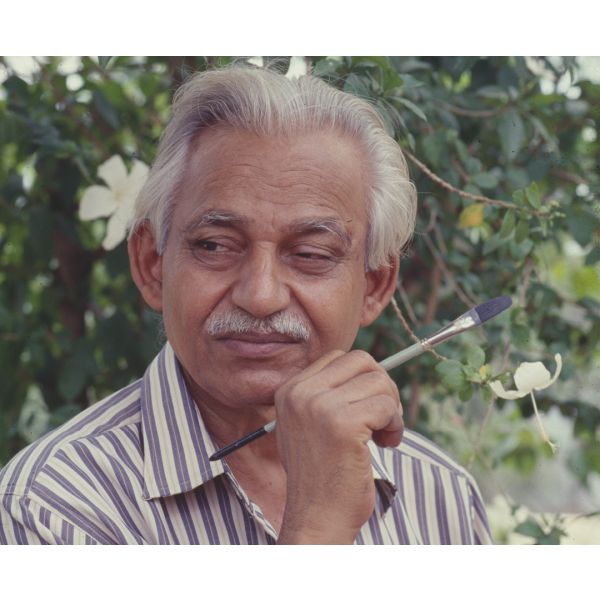 ArtistsLalu Prasad Shaw$0.00Born in Suri, Bengal, in 1937, Lalu Prasad Shaw obtained a diploma in painting from the Government College of Art and Craft, Calcutta, in 1959. Despite training in Company School art, traditional Kalighat pats and Ajanta cave frescos, Shaw evolved his distinctive style to work in watercolours and oil. His teachers were some of the leading artists of the time, such as Gopal Ghose, Rathin Maitra, and Maniklal Banerjee. Learn More
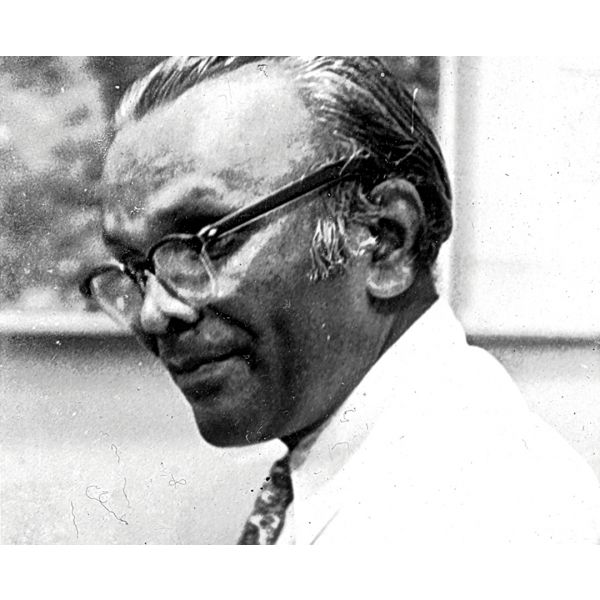 ArtistsK. H. Ara$0.00Krishnaji Howlaji Ara, a founder member of the Progressive Artists’ Group, was born in Secunderabad on 16 April 1914, but ran away to Bombay as a child. Much later, his skills as a painter were spotted by Austrian artist and art director of The Times of India, Walter Langhammer, who encouraged him in his artistic pursuit. Learn More
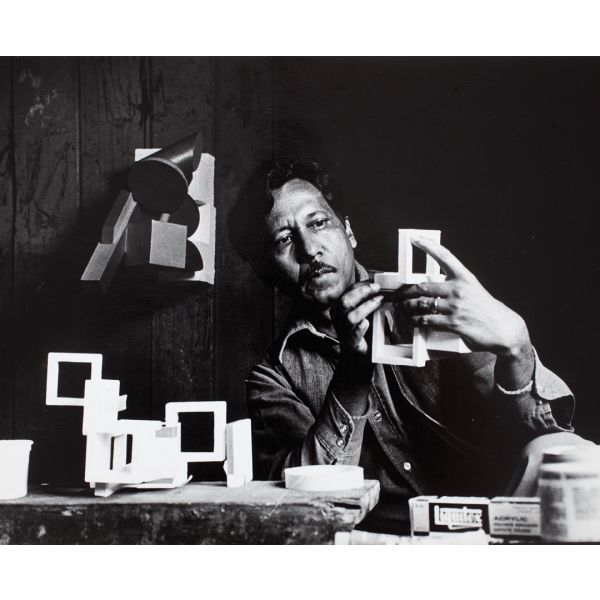 ArtistsEric Bowen$0.00Eric Bowen was born in Allahabad on 3 May 1929 and received a diploma from the College of Art, New Delhi, in 1959. Though he joined the short-lived Group 1890, his journey to be a part of the significant art movements in the 1960s took root when he and Paramjit Singh started the Group Unknown, a Delhi-based collective of young artists and sculptors. Learn More
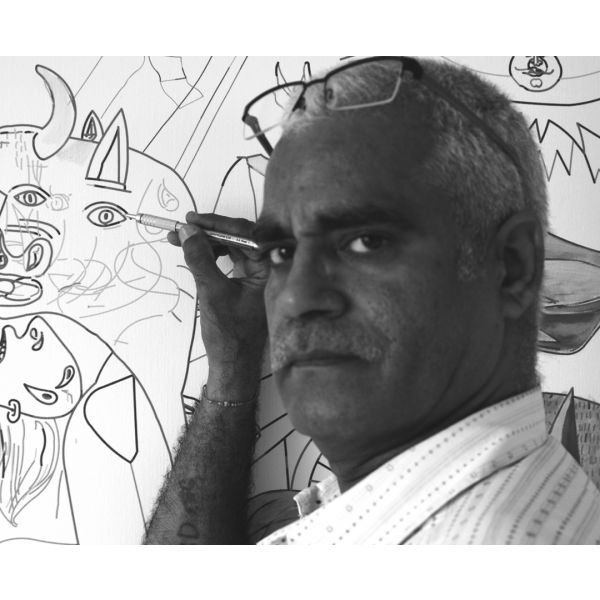 ArtistsDhruva Mistry$0.00A seminal and well-known contemporary Indian sculptor, Dhruva Mistry’s art, in his own words, is a ‘dialogue of an artist as a maker pursuing enigma of an omnipresent consciousness’. Learn More
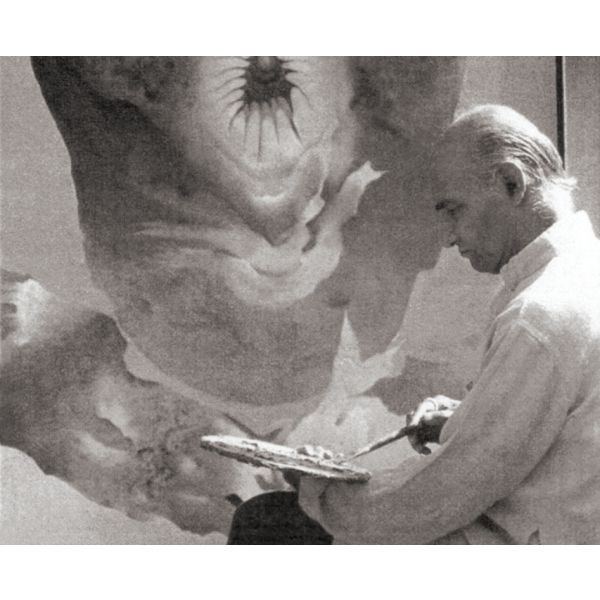 ArtistsBimal Dasgupta$0.00Born in Bengal in 1917, Bimal Dasgupta was raised by his uncle, a government employee posted in Delhi. His uncle’s family did not support his ambition of becoming an artist, so he joined Calcutta’s College of Arts and Crafts in 1937 with his father’s help. Learn More
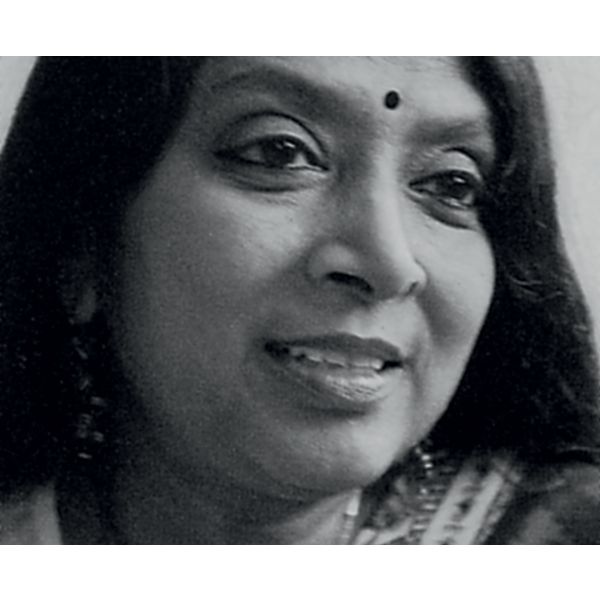 ArtistsB. Prabha$0.00Born in Nagpur, B. Prabha became an artist at a time when not many Indian women practiced it as a profession. She studied at the Nagpur School of Art and obtained a diploma from Sir J. J. School of Art, Bombay, in 1955. Learn More
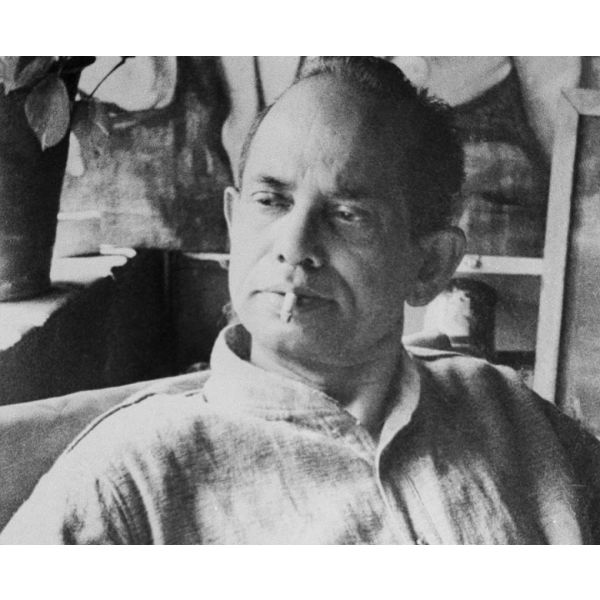 ArtistsAbani Sen$0.00An artist who died with the brush in his hand like a true devotee of his profession, Abani Sen graduated from the Government School of Art, Calcutta, under Percy Brown. Learn More