Search results for: 'where did devi prasad roy chowdury study in his life'
-
-
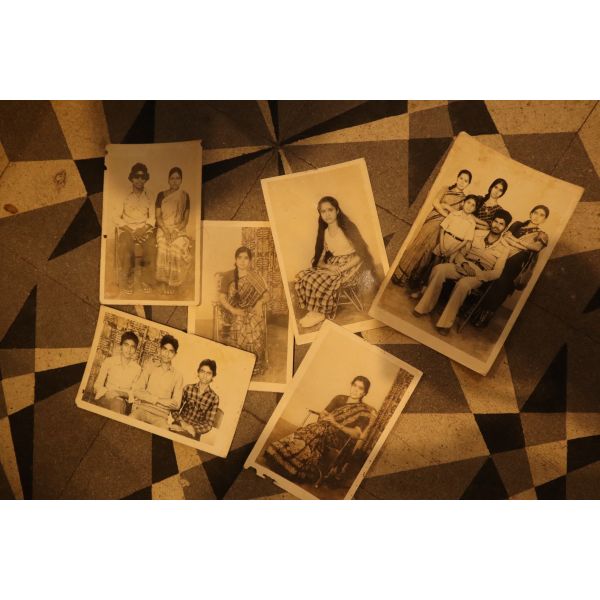 Events and ProgrammesPhotograph: Histories$1.00
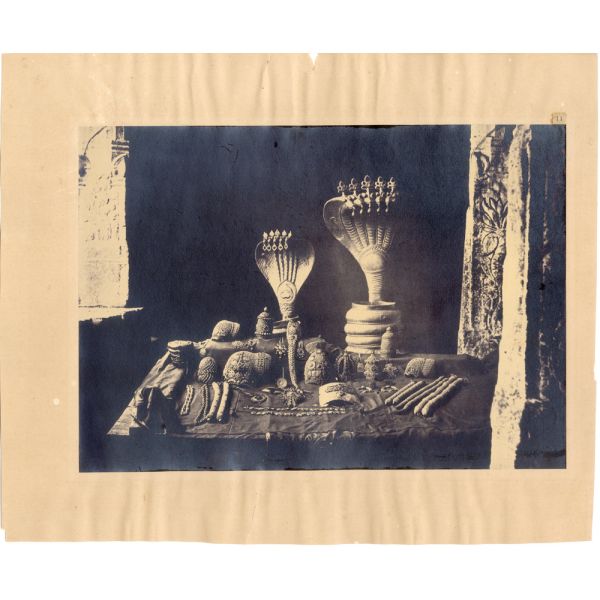
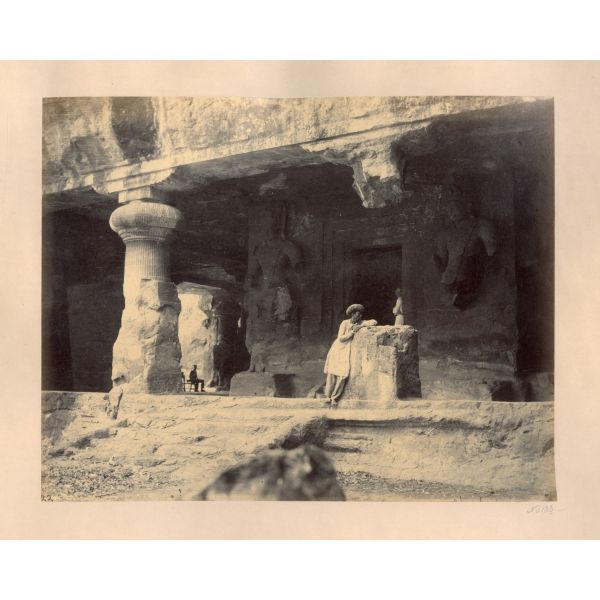
A participatory reading and activity session with researcher Shreya Mukherjee to explore analogue photography of the 19th and early 20th century and the revival or adaptation of the medium in contemporary art.
Learn More -
 ExhibitionsBIRDS OF INDIAAs low as $1.00
Works of art made by Indian artists for Western patrons in the early colonial period are what we now call Company Painting. The artists, who might otherwise have worked for an Indian court, sought new markets among those employed in various capacities by the European trading companies, and especially the British East India Company. Some patrons supplied the artists with new materials such as European-made paper and transparent watercolour pigments, and expressed preferences regarding subject matter, leading to new departures in both style and substance in Indian art. One of the most delightful genres of Company Painting was natural history: images of India’s plants, animals, and birds. Company Painting Company Paintings British Era
Learn More -
 JournalEighty-Five Safety Pins by Prabhakar Barwe$1.00
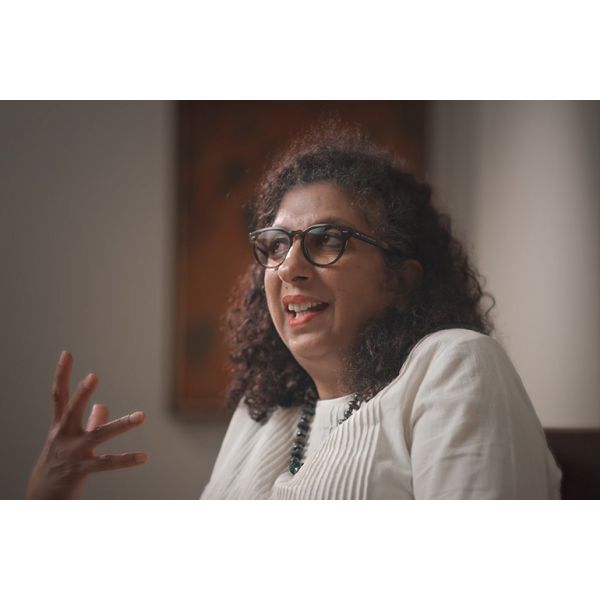
Prabhakar Barwe’s Eighty-Five Safety Pins is a pioneering work that merges technology and traditional art. Created in 1991 using graphic design software on an Apple Macintosh, Barwe explored the concept of pixels, a hallmark of the digital era, while incorporating his signature enamel paint. This innovative approach reflects his curiosity about embracing the unknown future and reinterpreting it artistically. By abstracting the safety pin from its conventional form, Barwe invites viewers to reconsider its essence, offering an open-ended visual experience that challenges preconceived notions and encourages alternative perspectives. Art connoisseur Shireen Gandhy, a friend of the late artist, takes us behind the making of this extraordinary painting.
Learn More -
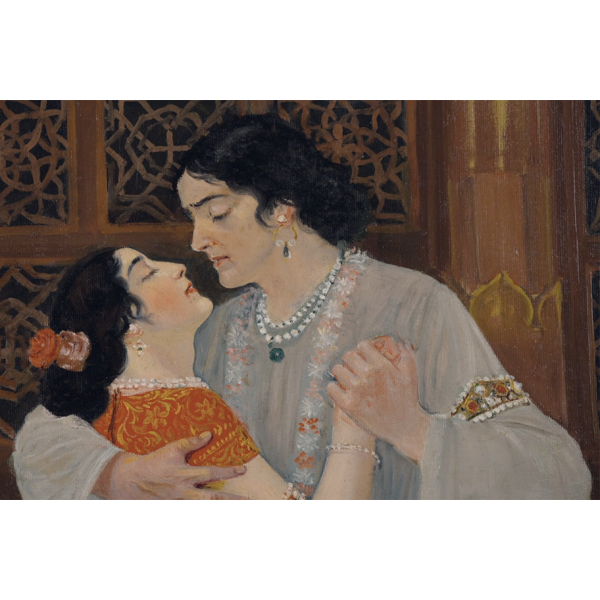 JournalTasneem Zakaria Mehta on M.V. Dhurandhar$0.00'Iconic Masterpieces of Indian Modern Art, Edition 2' opened on 11 February, featuring fifty artworks which shaped the trajectory of pre-modern and modern art in the country. As part of the exhibition, Tasneem Zakaria Mehta reflects on M.V Dhurandhar’s mythological painting of Usha and Anirudhdha’s union, drawing attention to the grace and fluidity that suffuse his expert rendition of form along with his mastery over capturing the intricate details of women’s dresses. Learn More
 -
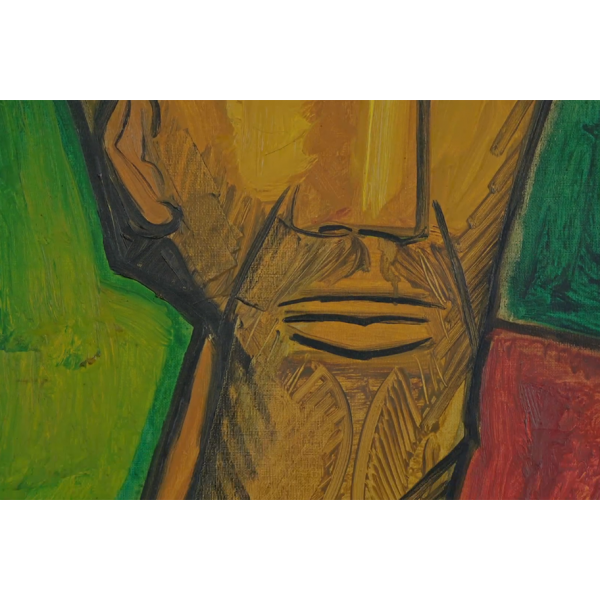 JournalYashodhara Dalmia on F.N. Souza$0.00'Iconic Masterpieces of Indian Modern Art, Edition 2' opened on 11 February, featuring fifty artworks which shaped the trajectory of pre-modern and modern art in the country. As part of the exhibition, Yashodhara Dalmia speaks on F. N. Souza’s language of distortion, referring specifically to his painting ‘St. Peter’, which reflected his keen awareness of problems which plagued society. Learn More
 -
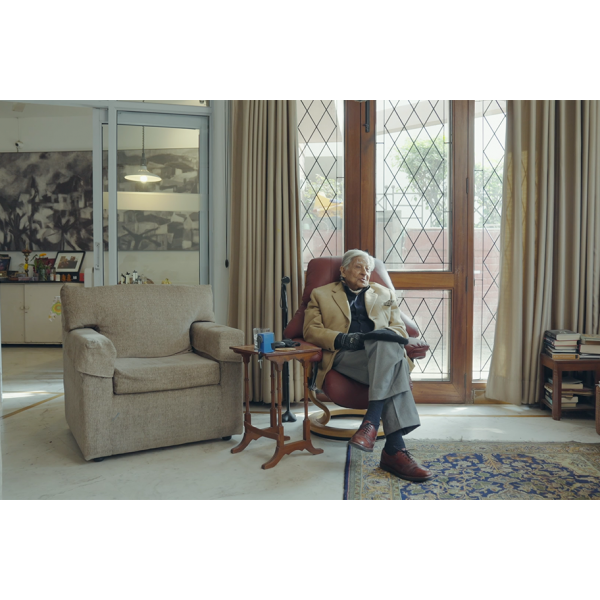 JournalKrishen Khanna on ‘Woman with a Basket of Fruit’$0.00'Iconic Masterpieces of Indian Modern Art, Edition 2' opened on 11 February, featuring fifty artworks which shaped the trajectory of pre-modern and modern art in the country. As part of the exhibition, Krishen Khanna speaks on the relationship between colors in his work and reflects on his painting ‘Woman with a Basket of Fruit’ which draws gestural elements, like the swinging posture, from South Asian bronzes. Learn More
 -
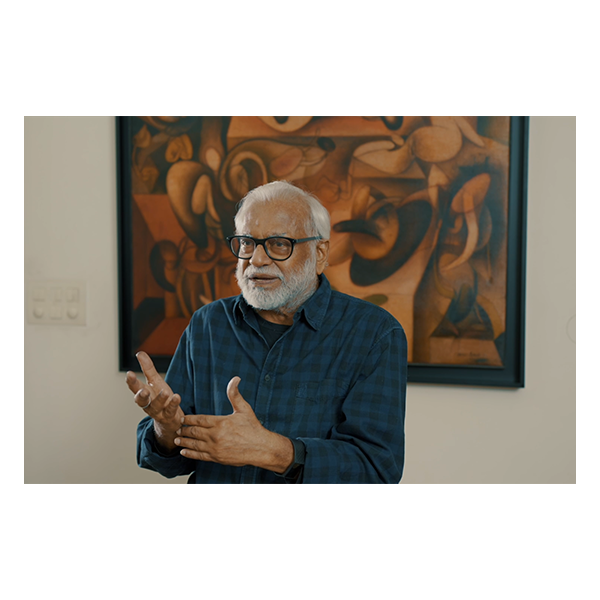 JournalManu Parekh on 'Shiva'$0.00‘Iconic Masterpieces of Indian Modern Art, Edition 2’ opened on 11 February at DAG’s Janpath Gallery in New Delhi featuring fifty artworks which shaped the trajectory of pre-modern and modern art in the country. As part of the exhibition, Manu Parekh speaks about his 1971 painting ‘Shiva’, created at a pivotal juncture of his artistic career when he was trying to forge a visual language different from the Bengal School. Learn More