Search results for: 'Nature and everyday life art'
-
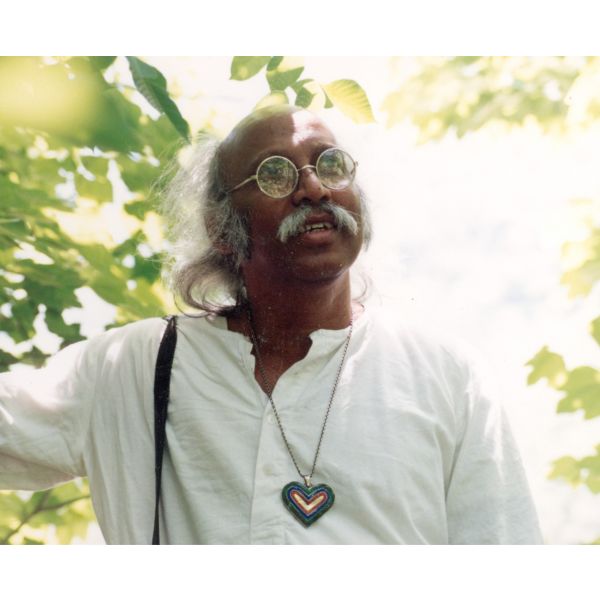 ArtistsP. Khemraj$0.00Hailing from an artistic family based in Bombay, P. Khemraj was fascinated with manifestations of all things fine in every aspect of life. On completion of his training in drawing and painting at Sir J. J. School of Art, Bombay, Khemraj, a fine violinist, left for New Delhi to learn the sitar from Pandit Ravi Shankar. Learn More
 -
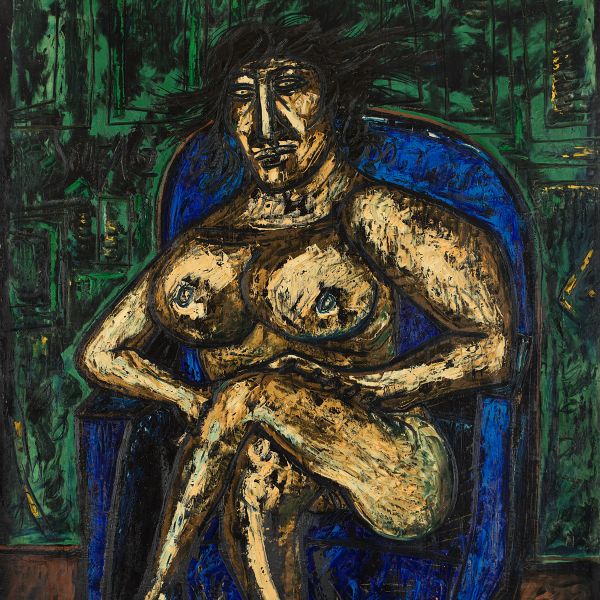
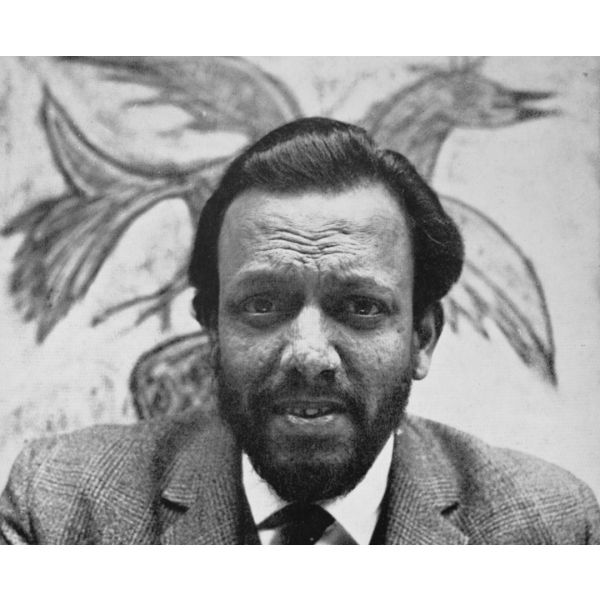 ArtistsF. N. Souza$0.00
Francis Newton Souza, born on 12 April 1924, was expelled from school, then from his college—Sir J. J. School of art, Bombay—and later, as he insisted on saying, from his own country. Born in Goa, Souza’s catholic mother brought him up to be a priest, but he showed early signs of rebellion that would become an integral part of his life.
Learn More -
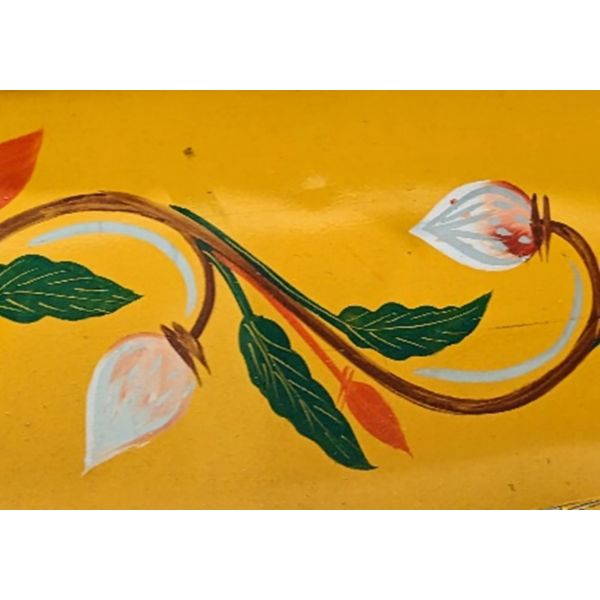 Events and ProgrammesYellow, Blue and Art on the Move$1.00
A close look at bus art with artist Sumantra Mukherjee as we join him on a walk through a bus depot, and a bus ride through the city where we try our hand at this popular visual language through paint and text.
Learn More -
-
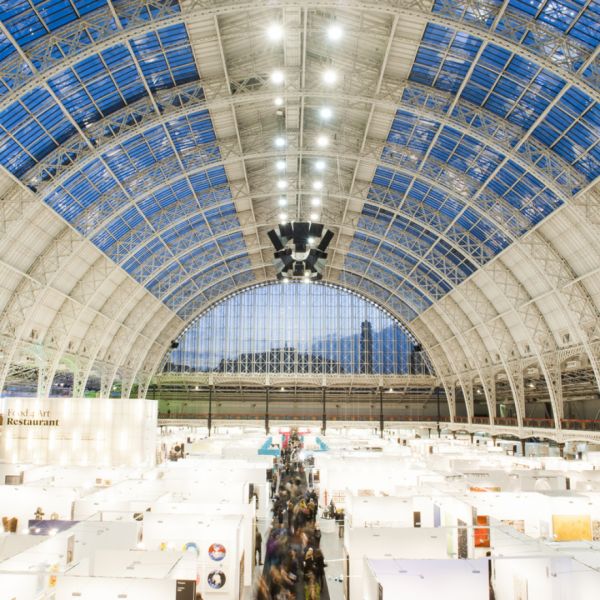 Art FairsART15$0.00
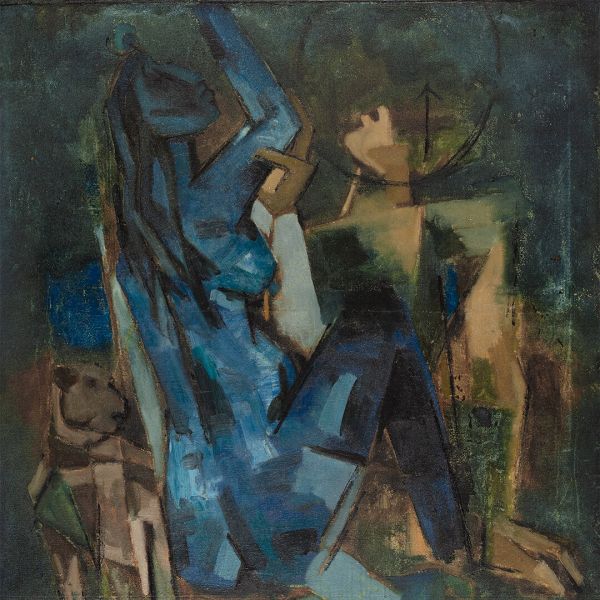
For its debut in London, DAG created a booth-in-booth display space at the historical exhibition venue, Olympia London, that offered glimpses of the artworks from all around, thereby improving its visibility and attracting visitors. Its choice of art too reflected the best from its collection of the twentieth century modern masters of Indian art, who, in turn, had been influenced by movements and artists in the West. Several of these had worked, briefly or for the duration of their careers, in London and Europe. These included Avinash Chandra, F. N. Souza, Ram Kumar, S. H. Raza, Laxman Pai, Manjit Bawa,
Learn More
S. K. Bakre, Sakti Burman and Sohan Qadri among others. The room within the booth was reserved solely for the paintings by F. N. Souza. Akbar Padamsee Ambadas Anjolie Ela Menon Avinash Chandra B. Prabha Bikash Bhattacharjee Dharamnarayan Dasgupta F. N. Souza G.R. Santosh George Keyt Himmat Shah J. Sultan Ali Jogen Chowdhury K. H. Ara K. K. Hebbar K. Laxma Goud Krishen Khanna Laxman Pai M. F. Husain Manjit Bawa N. S. Bendre P. T. Reddy Prodosh Das Gupta Rabin Mondal Ram Kumar S. H. Raza S. K. Bakre Sakti Burman Sohan Qadri Sunil Das -
 Art FairsIndia Art Fair$0.00
The DAG booth at the India Art Fair has gained iconic status for its selection and display of the finest works of Indian modern art. Over past editions, DAG had introduced pre-modern masters at its booth, and in 2022, it presented exemplary works by eighteenth and nineteenth century Indian and European artists at the fair. This was in addition to high quality works by the twentieth century masters.
Learn More -
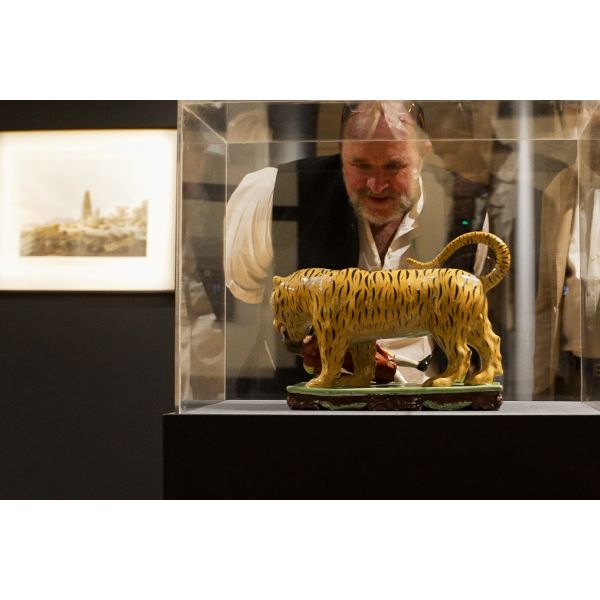 JournalWilliam Dalrymple on Tipu Sultan$0.00Twenty-five years is not a long time in the life of an institution, especially when its scope of work is as overarching as DAG’s is. This short video encapsulates the gallery’s monumental journey undertaken on its silver anniversary, providing a snapshot of the prodigious work it has undertaken in such a short span of time. Learn More
 -
 JournalThe Making of the Dhaka Art Summit: Behind the scenes with the Curator$0.00
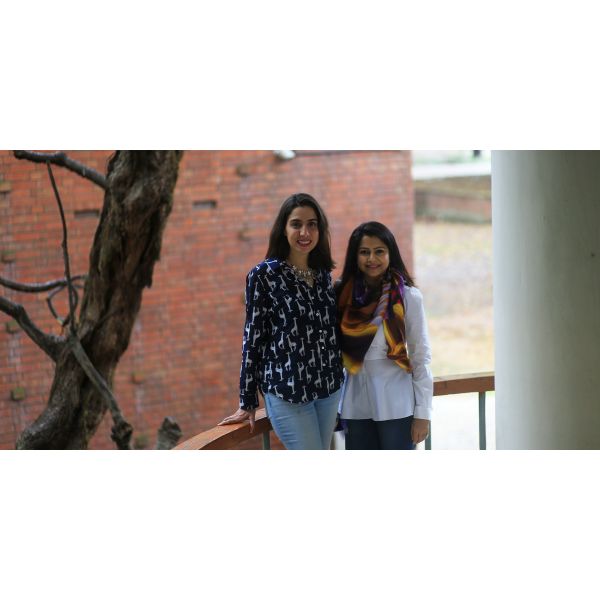
Diana Campbell is the Artistic Director of the Samdani Art Foundation, now in its 10th year, and chief curator of the prestigious Dhaka Art Summit, whose sixth edition starts on February 3, 2023. She spoke with the DAG Journal’s editorial team to discuss her own curatorial process and how she makes room for experimentation, and unpacks the intriguing thematic of this new edition: ‘flood’, or bonna.
Learn More -
-
 Collection StoriesThe Afterlife of the Taj Gardens: Changes in the Landscape$1.00
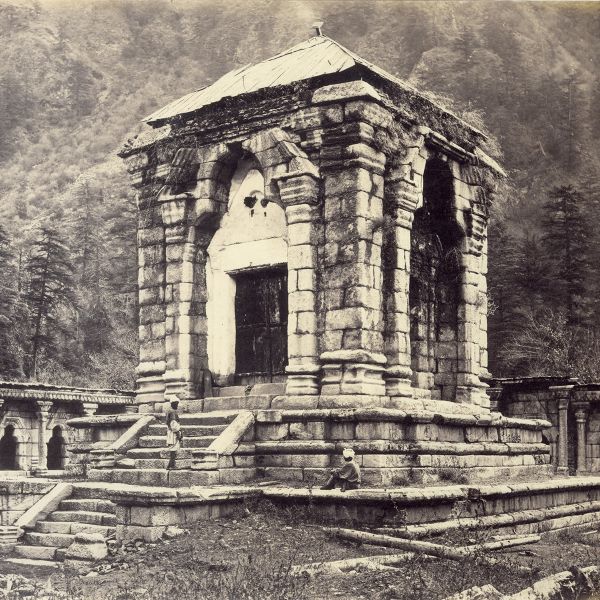
Often described as ‘Poetry in Stone’, the Taj Mahal was laid out between 1631-43 by Mughal Emperor Shah Jahan as a mausoleum for his wife Mumtaz Mahal. It is the architectural elements of the Taj complex that grab the most attention, but in fact the garden is the heart of the complex . The visitors today are so transfixed by the Taj itself that they remember very little of the garden. DAG Archive attempts to illustrate the life and ‘afterlife’ of the Taj gardens, once its control was taken over by the British. This archive deep dive showcases the objects from A. E. P. Griessen’s (1875–1935) collection.
Learn More -