Search results for: 'fight in a school script'
-
 ExhibitionsIndian BlueAs low as $1.00
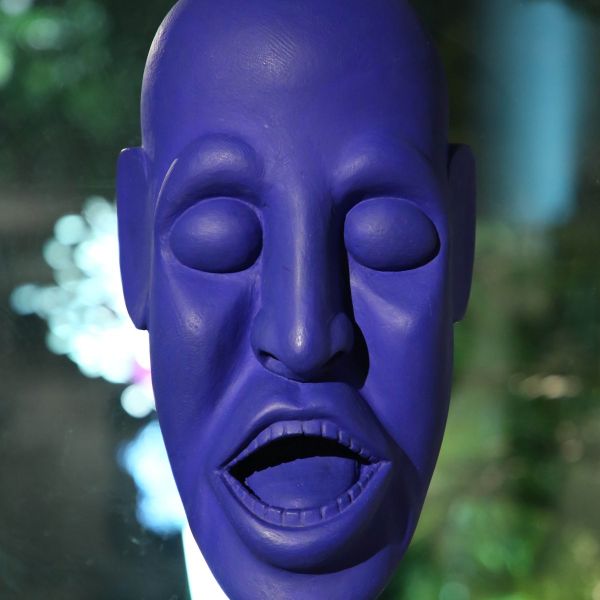
The colours we see around us are a complex network of visual signifiers. Like spoken dialects, each colour contains multiple—at times conflicting—meanings that are moulded by a universal base and many regional variances. A. A. Almelkar A. H. Müller A. P. Santhanaraj Abalall Rahiman Abanindranath Tagore Ahmed Amir Altaf Ambadas Amit Ambalal Amitava Anonymous Anupam Sud Avinash Chandra Benode Behari Mukherjee Bijan Choudhary Biren De Bireswar Sen Bishamber Khanna Bishnupada Roy Chowdhury Chittaprosad D. C. Joglekar D. P. Roy Chowdhury Dattatraya Apte Devayani Krishna Devraj Dakoji Dharamanarayan Dasgupta F. N. Souza G. R. Iranna G. R. Santosh G. S. Haldankar Ganesh Haloi Gobardhan Ash Gogi Saroj Pal Hemanta Misra Himmat Shah Indra Dugar Indu Rakshit J. P. Gonsalves J. Sultan Ali Jamini Roy Jeram Patel Jogen Chowdhury Jyoti Bhatt K. C. S. Paniker K. K. Hebbar K. Laxma Goud K. S. Kulkarni Kanwal Krishna Kavita Nayar Krishna Reddy Lalit Mohan Sen Laxman Pai M. F. Husain M. K. Parandekar M. R. Acharekar M. S. Joshi Madhvi Parekh Manu Parekh Nand Katyal Nandalal Bose Natvar Bhavsar Navjot Nicholas Roerich Nikhil Biswas Om Prakash P. Khemraj Paramjit Singh Paresh Maity Paritosh Sen Partha Pratim Deb Prabhakar Barwe Prokash Karmakar Rabin Mondal Radha Charan Bagchi Ramendranath Chakravorty Ramgopal Vijaivargiya Ramkinkar Baij Ranen Ayan Dutta S. H. Raza S. K. Bakre S. L. Haldankar Sanat Chatterjee Sanat Kar Sankho Chaudhuri Satish Gujral Shanti Dave Shobha Broota Somnath Hore Sudhir Khastgir Sunayani Devi Sunil Das V. B. Pathare Vasundhara Tewari Broota Vivan Sundaram Walter Langhammer
Learn More -
 ExhibitionsG. R. Santosh: AwakeningAs low as $1.00
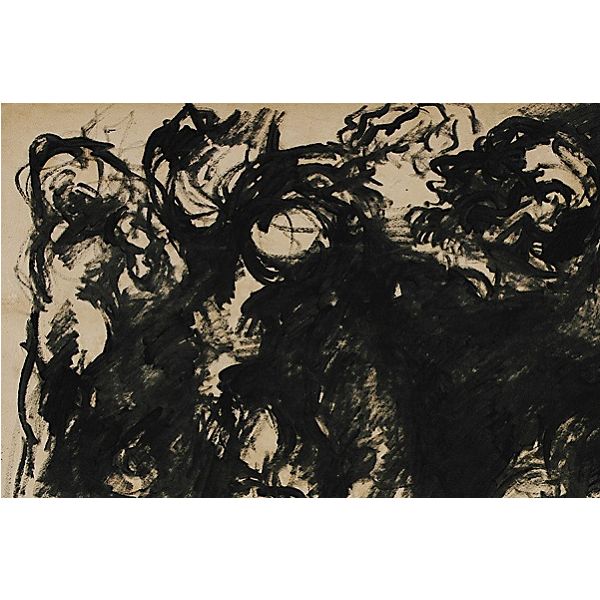
An unassuming trailblazer, Gulam Rasool Santosh is the most important artist from the movement known as neo-tantra in Indian art, synonymous with masters such as Biren De and Sohan Qadri. Self-taught, Santosh began his career painting landscapes in his native Kashmir before being spotted by S. H. Raza, which enabled him to study at the Maharaja Sayajirao University at Baroda under the famous artist N. S. Bendre. After a few years of painting figurative and abstract works in the mould of the other Indian Progressives, Santosh’s art changed dramatically towards tantra when he had a mystical experience in the Amarnath cave in 1964. From then on, until his death in 1997, G. R. Santosh dedicated his life to the study and practice of tantra, a yogi as much as an artist.
Learn More -
 ExhibitionsDelhi Durbar: Empire, Display and the Possession of HistoryAs low as $1.00
DAG invited leading historians of Delhi, Swapna Liddle and Rana Safvi, to explore our archives collection. The items they found there include numerous photographs of the three durbars, taken by prominent photographers of the day. They also include many other objects relating to the durbars, from portraits and medals, to maps and official guidebooks, and to tickets and programmes. Historians in the past have analysed the ideology of the Delhi durbars, but never before has such a collection of the material culture of these events been brought together for display.
Learn More -
 JournalOriental Scenery: Aquatints by Thomas & William Daniell$0.00
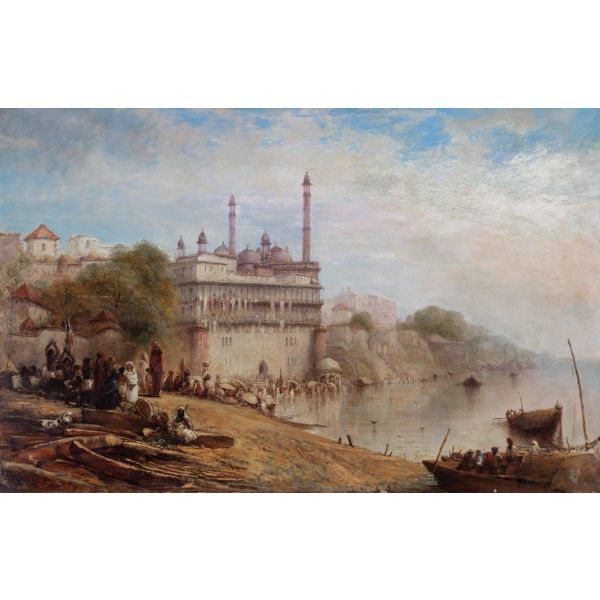
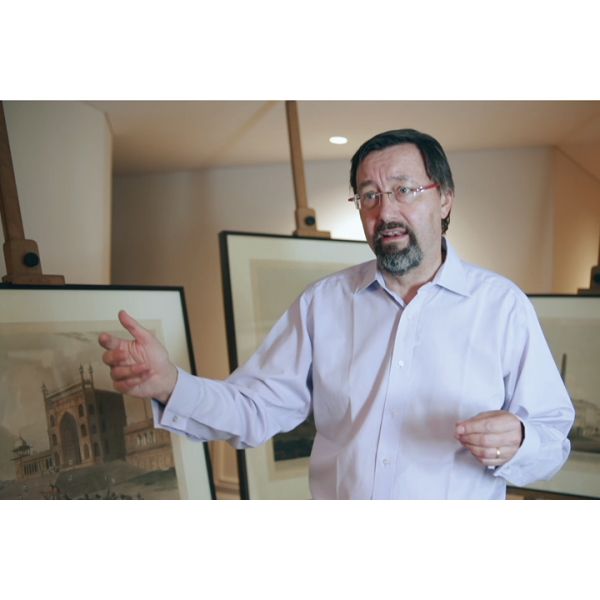
What wonder it must have been for the people in England to ‘see’ India for the first time, the exotica that they had only heard of until then! The artists who made this possible through their paintings and aquatints were the uncle-nephew duo of Thomas Daniell and William Daniell, whose magnum opus, Oriental Scenery, was the subject of this landmark exhibition at Drishyakala, a joint collaboration between DAG and the Archaeological Survey of India.
Learn More -
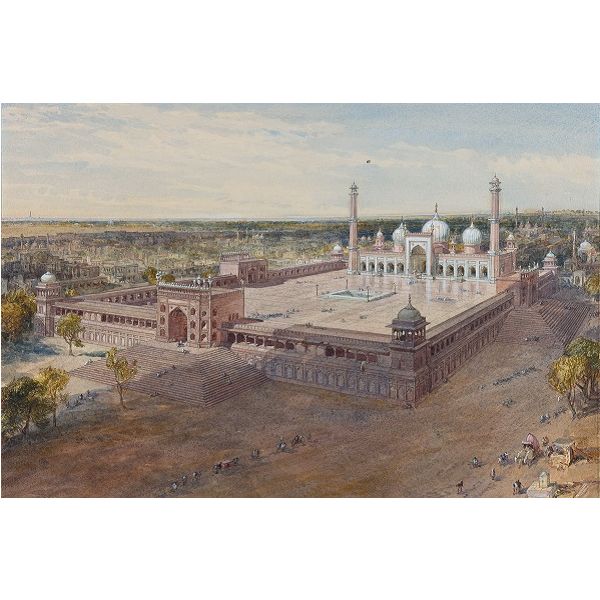 JournalRepresenting Architecture: How art influenced architecture$0.00European artists and architects were deeply influenced by the rich cultural heritage and artistic traditions of India, which, in turn, influenced their architectural designs. Artistic representations served as a bridge between cultures, leading to the incorporation of Indian motifs, styles, and decorative elements in colonial architecture. Learn More
 -
 JournalFour Famous Collectors who shaped Indian art history$0.00
How did the idea of Indian art come to be constructed over the last century and more? The painstaking work of collectors and curators went a long way towards establishing the history of art in India. In this article we highlight some of the most significant collectors of art from South Asia over the course of the twentieth century. Usually starting as personal collections, most of them would eventually donate their works to museums in India or abroad, allowing these rare works to be seen regularly by new generations of art enthusiasts across the world. Their collections, curated exhibitions and publications fashioned the canons of Indian modern and pre-modern art
Learn More -
 JournalNavratna: India’s National Treasure artists$0.00It was in the 1970s that the government of India declared nine artists as National Treasures, attesting to the significance of their contribution to the shaping of modern Indian art identity. ‘Navratna: Nine Gems of Indian Art’ was a unique opportunity to see seminal works by all the nine together, to understand the uniqueness of their collective contribution, at Drishyakala, a joint collaboration between DAG and the Archaeological Survey of India. Learn More