


Search results for: 'Kali paintings from Indian art'
-
 Art FairsFrieze Seoul 2024$1.00
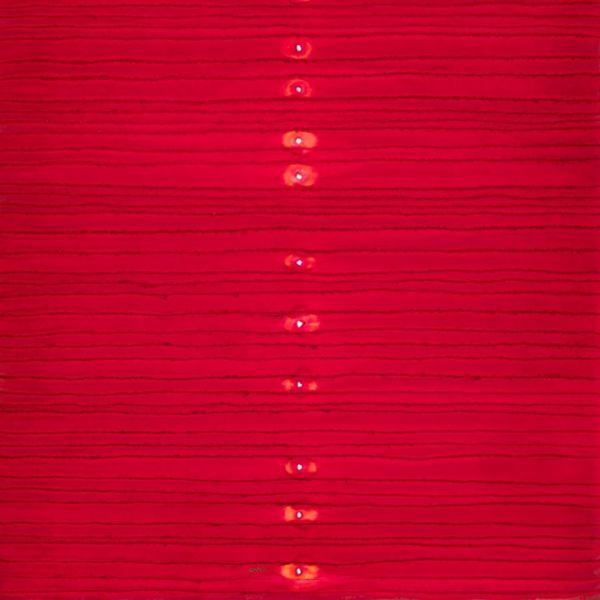
Steeped in sacred iconography particular to the Indian artist, Sohan Qadri (1932-2011), whose practice in Copenhagen brought him international renown, the ink and dye works represent the artist’s modernist vocabulary – minimalist, rendered in vibrant colours, with a tactile dimensionality that established him as a twentieth century painter whose legacy has impacted viewers around the world. Perhaps no other Indian artist has been as widely collected as Sohan Qadri.
Learn More -
 JournalThe Journal Goes Live$0.00
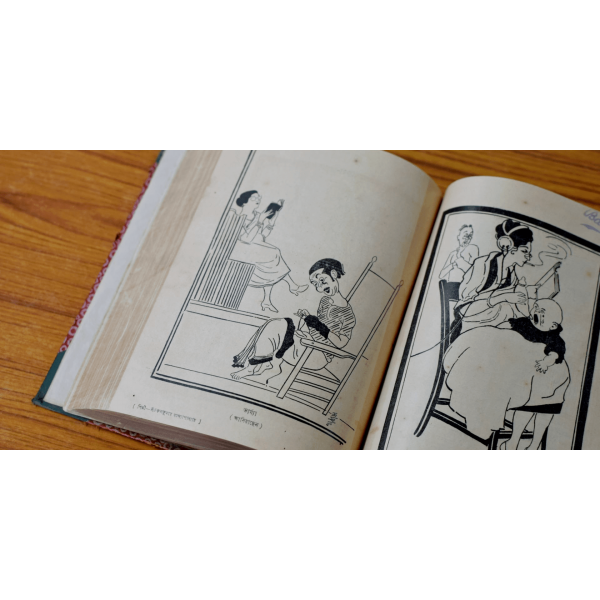
On the thirtieth year of DAG’s presence in the Indian art landscape, we are especially delighted to share with our readers the first issue of our Journal. DAG has upheld a high quality of research through exhibitions and publications that have shaped how people understand Indian modern art. Through this journal, we want to keep those discussions going and point towards newer ways to approach the period of modernism—joining the dots that lead those significant artistic breakthroughs into the contemporary. We also want to create a space where readers can gain privileged access into the people and organizations who works around the clock to keep the art world ticking.
Learn More -
 ArtistsHiranmoy Roychaudhuri$0.00One of the earliest pioneers of European modernism in Indian sculpture, Hiranmoy Roychaudhuri studied under E. B. Havell at the Government School of Art, Calcutta in 1905. He was also one of the earliest Indian artists to go to England to study art; he went to the Royal College of Art, London, in 1910 to train in sculpture. Learn More
 -
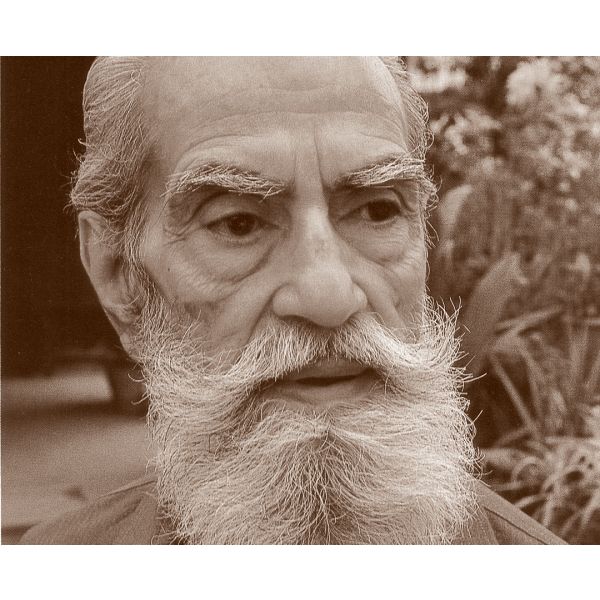 ArtistsB. C. Sanyal$0.00Bhabhesh Chandra Sanyal lived a unique life in the world of Indian art, witnessing the huge arc it cut across the twentieth century—he was born when the revivalist Bengal School was beginning to bloom, and by the time he passed away, modern Indian art had gone global and carved an international art market for itself. Learn More
 -
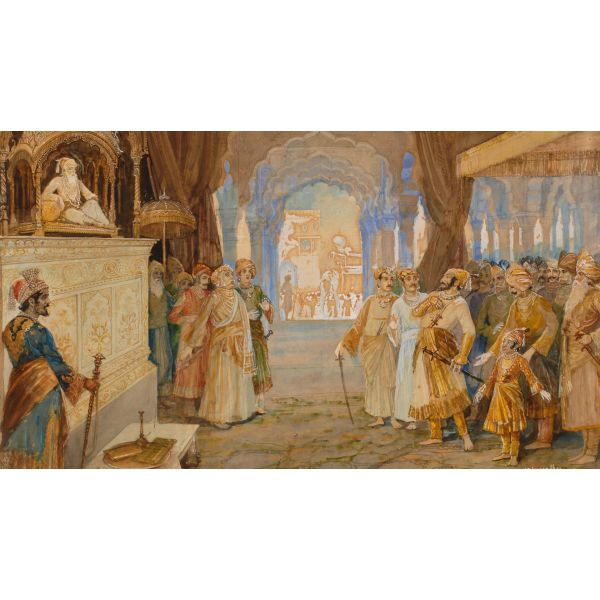 Institutional CollaborationsM. V. DHURANDHAR: A RETROSPECTIVE$1.00
Few artists claim as rich and intriguing a legacy as M. V. Dhurandhar in the landscape of late 19th and early 20th century Indian art. His practice leaves us with challenging questions about encounters and exchanges with India's colonial past and the influence of Europeans in shaping the evolution of painting. This exhibition revisits Dhurandhar's vast oeuvre through DAG's extensive collection of his paintings, archival material and ephemera, in an attempt to understand the socio-cultural context of his emergence, and to re-examine his influence on institutional and commercial art in the country.
Learn More -
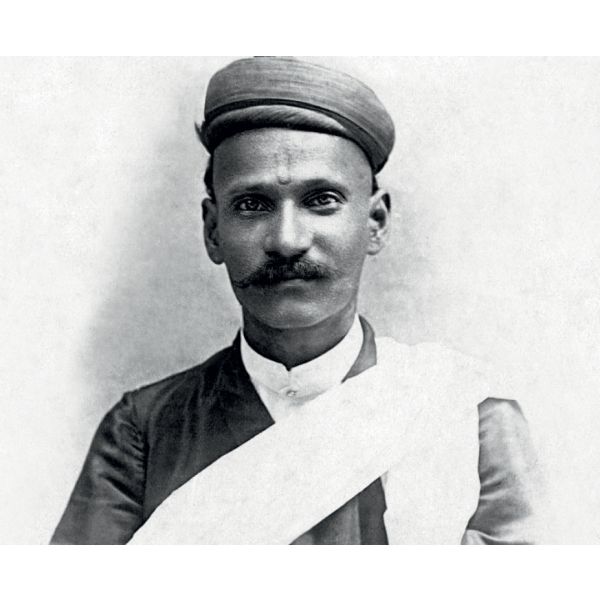 ArtistsL. N. Taskar$0.00Laxman Narain Taskar’s paintings mirror the ideals of academic realism introduced by the British within their art education system. Indian artists were trained in naturalism, with lessons in soft effects of chiaroscuro and the three-dimensionality of the external world. History painting, perspective, and the copying of Victorian portraits became a vital ingredient within these art schools. Learn More
 -
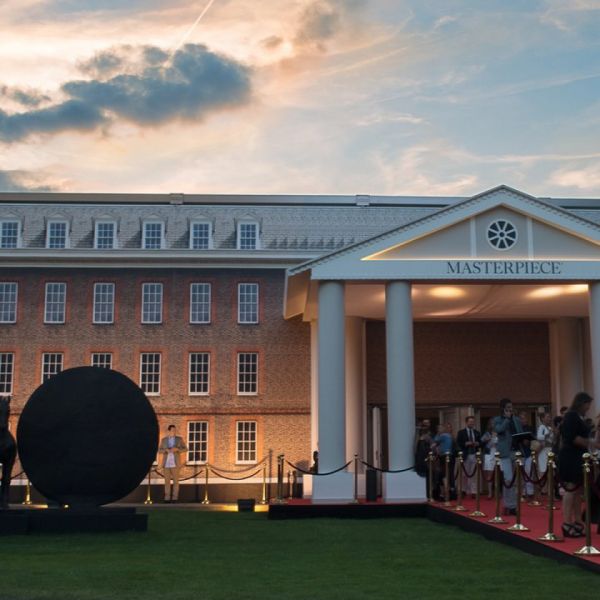 Art FairsMasterpiece$0.00
DAG’s second outing at Masterpiece London, the prestigious fair for everything from exceptional jewellery, furniture and antiquities to works of art held annually at Chelsea, was marked by outstanding inclusions of works by modern masters. The showstopper was a massive sized British Raj - Procession by M. F. Husain (one of two works, the other being his Theorem II) that grabbed everyone’s attention, but equally hypnotising were paintings by Natvar Bhavsar (Eketak), George Keyt (Two Women Amid Plants), F. N. Souza’s fabulous Temple Dancer, tantra-based paintings by G. R. Santosh, Prabhakar Barwe and a work in relief by Satish Gujral. Bikash Bhattacharjee Natvar Bhavsar Avinash Chandra K. K. Hebbar M. F. Husain Ranbir Singh Kaleka George Keyt Krishen Khanna Jehangir Sabavala G. R. Santosh F. N. Souza
Learn More -
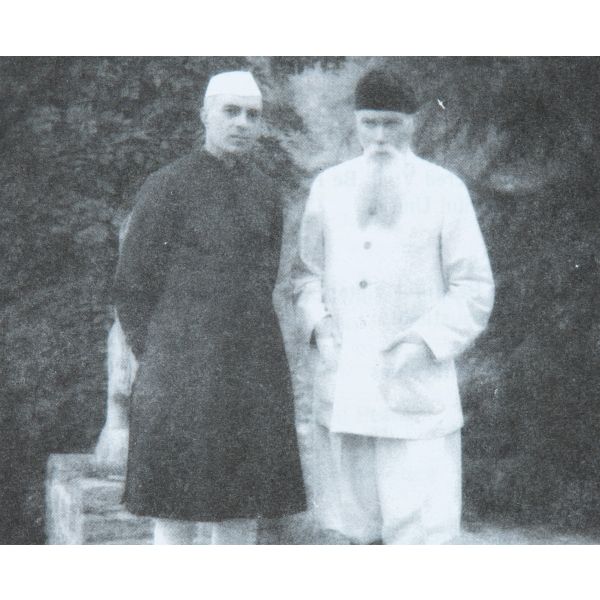 ArtistsNicholas Roerich$0.00One of the nine National Treasure artists of India, Russia-born Nicholas Roerich was not just a painter but a stage designer for ballets, an explorer, writer, and philosopher. As a painter, he is best remembered for his ethereal paintings of the mist-laden and wispy Himalayas, done mostly in tempera or oil. These paintings remain some of the best works celebrating the mighty mountain range. Learn More
 -
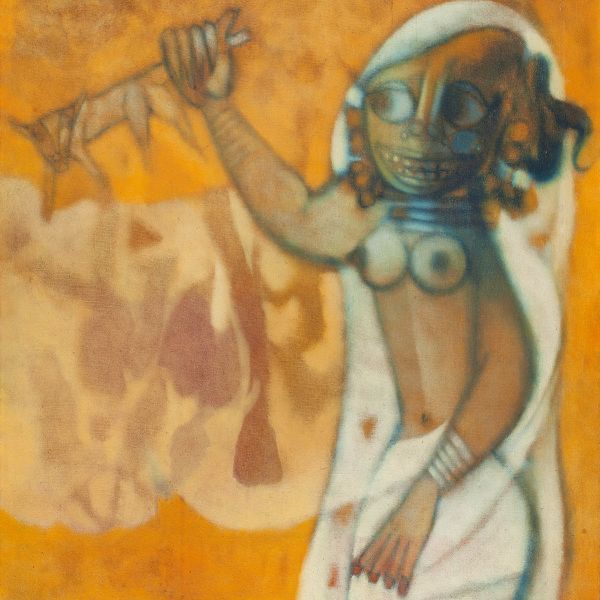 ExhibitionsThe Gold SeriesAs low as $1.00
When we launched the Silver Series in May 2020 as our attempt to stay engaged with art-lovers no longer able to visit our galleries, we were unsure of the response. But the feedback we received was heartening, and it was backed by commensurate sales to prove that the art-loving fraternity supported the initiative and gave it a resounding thumbs-up. J. Sultan Ali Altaf Amit Ambalal Amitava Anonymous (Early Bengal) Anonymous (Kalighat Pat) Anonymous (Portraiture) K. H. Ara Prabhakar Barwe Bikash Bhattacharjee Nikhil Biswas Nandalal Bose Eric Bowen Shobha Broota Sakti Burman Avinash Chandra Jogen Chowdhury Sunil Das Prodosh Das Gupta Shanti Dave Rajendra Dhawan M. V. Dhurandhar K. Laxma Goud Satish Gujral Zarina Hashmi K. K. Hebbar M. F. Husain George Keyt Krishen Khanna K. S. Kulkarni Ram Kumar Rabin Mondal S. Nandagopal Laxman Pai Gogi Saroj Pal Madhvi Parekh Jeram Patel Ganesh Pyne Sohan Qadri A. A. Raiba S. H. Raza P. T. Reddy Rekha Rodwittiya Jamini Roy G. R. Santosh Paritosh Sen F. N. Souza Anupam Sud Ramgopal Vijaivargiya
Learn More -
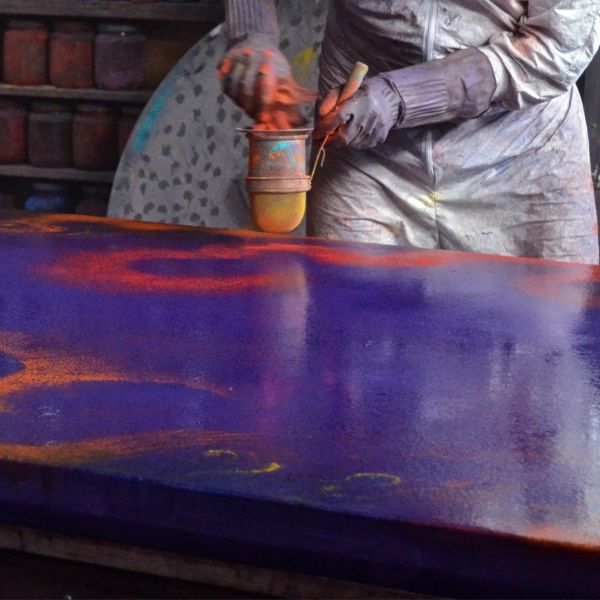 ExhibitionsNatvar Bhavsar: HomecomingAs low as $1.00
It is strange that Natvar Bhavsar, one of Indian art’s leading names, should never have been shown in India before. Having lived and worked in USA from 1962 onwards, it remains a mystery why his work has been seen in America but almost not at all in India. In spite of a few eminent collectors who have his work, Bhavsar has remained inexplicably ignored—an anomaly DAG is happy to correct with this seminal exhibition.
Learn More -
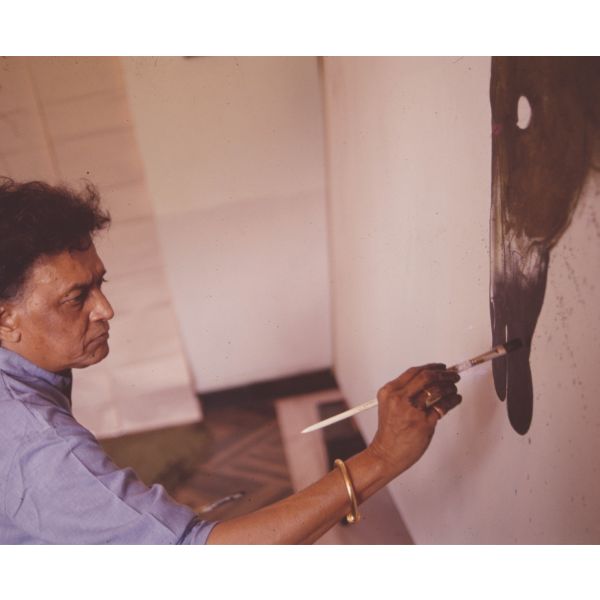 ArtistsSunil Das$0.00One of India’s most important post-modernist painters, Sunil Das is known for his iconic drawings and paintings of horses and bulls. He rose to prominence early when he became the only Indian artist to win the Lalit Kala Akademi’s national award while still an undergraduate student, in 1959. Learn More
 -
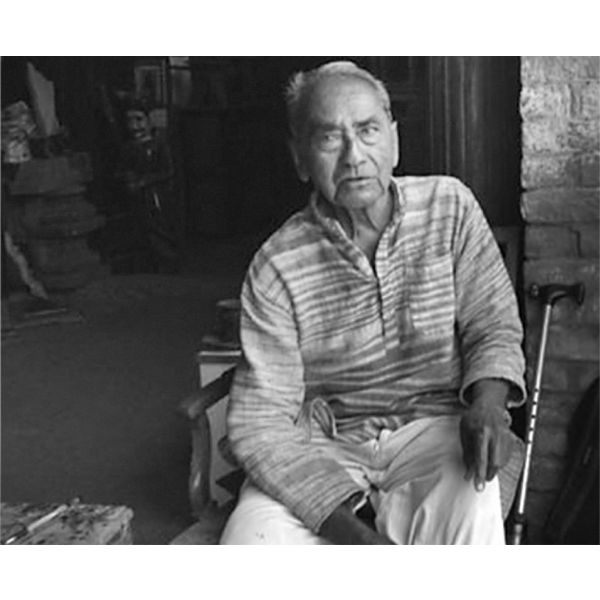 ArtistsPiraji Sagara$0.00An early Indian abstractionist who forged his own vocabulary, distinct from the dominant forces that gripped India’s art community in the early years of Independence, Piraji Sagara came to be known for his collages made of wood relief amalgamated with abstract paintings. Learn More