


Search results for: 'Post modern ar'
-
 Art FairsArt Stage Singapore$0.00
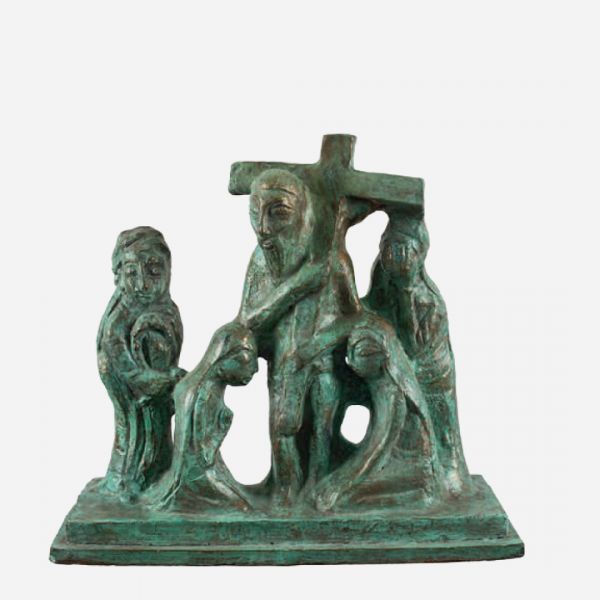
Given Singapore’s sizeable Indian population and its position as a leading financial centre, DAG’s debut at Art Stage Singapore was an obvious corollary. Indian artists are avidly collected in this city-state but DAG’s attempt, as always, was to introduce the masters to visitors at the fair. While keeping in mind the best modernists, it also curated a selection most likely to appeal to Eastern sensibilities—thereby displaying its range and the diversity of Indian art. Akbar Padamsee Ambadas Avinash Chandra B. Prabha Bikash Bhattacharjee Dhanraj Bhagat F. N. Souza G. R. Santosh Gogi Saroj Pal Himmat Shah J. Sultan Ali Jeram Patel K. H. Ara K. K. Hebbar Laxman Pai M. F. Husain N. S. Bendre P. T. Reddy Paramjit Singh Prokash Karmakar Rabin Mondal Ram Kumar S. Dhanapal S. H. Raza Sakti Burman Sohan Qadri Sunil Das
Learn More -
 Art FairsART15$0.00
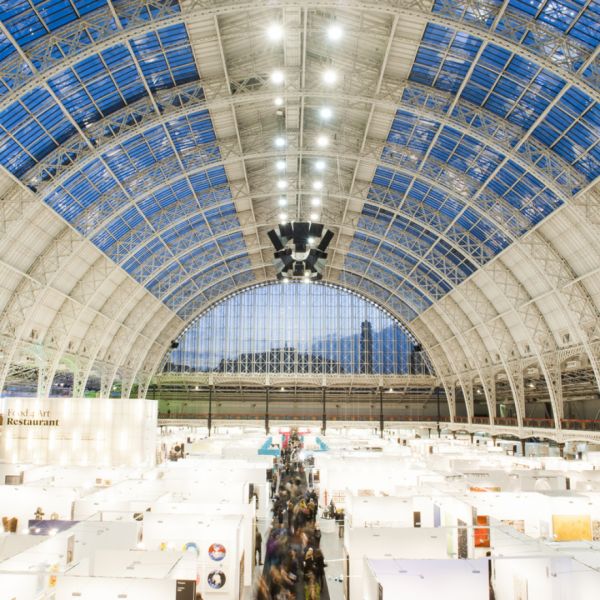
For its debut in London, DAG created a booth-in-booth display space at the historical exhibition venue, Olympia London, that offered glimpses of the artworks from all around, thereby improving its visibility and attracting visitors. Its choice of art too reflected the best from its collection of the twentieth century modern masters of Indian art, who, in turn, had been influenced by movements and artists in the West. Several of these had worked, briefly or for the duration of their careers, in London and Europe. These included Avinash Chandra, F. N. Souza, Ram Kumar, S. H. Raza, Laxman Pai, Manjit Bawa,
Learn More
S. K. Bakre, Sakti Burman and Sohan Qadri among others. The room within the booth was reserved solely for the paintings by F. N. Souza. Akbar Padamsee Ambadas Anjolie Ela Menon Avinash Chandra B. Prabha Bikash Bhattacharjee Dharamnarayan Dasgupta F. N. Souza G.R. Santosh George Keyt Himmat Shah J. Sultan Ali Jogen Chowdhury K. H. Ara K. K. Hebbar K. Laxma Goud Krishen Khanna Laxman Pai M. F. Husain Manjit Bawa N. S. Bendre P. T. Reddy Prodosh Das Gupta Rabin Mondal Ram Kumar S. H. Raza S. K. Bakre Sakti Burman Sohan Qadri Sunil Das -
 Art FairsArt Basel$0.00
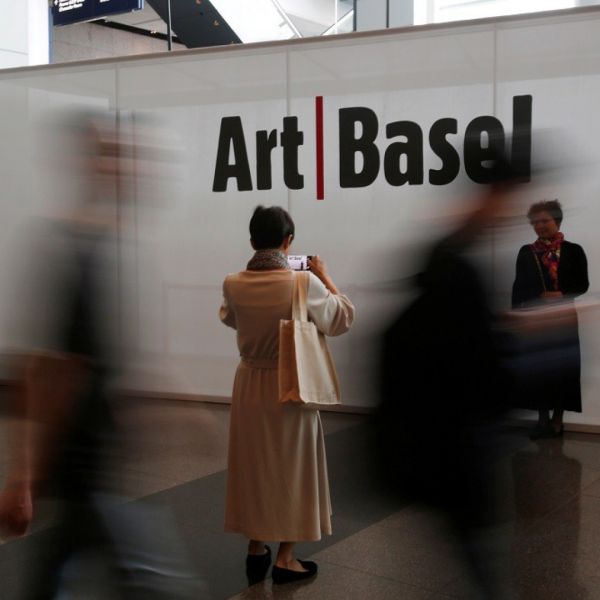
DAG’s debut at Art Basel Hong Kong aimed to provide an overview of the twentieth century Indian art, tracking key catalytic movements and introducing important masters and artists to an art audience unfamiliar with their work. This included the Progressives, of course, but also other modernists whose contribution to Indian art has been significant. The exhibition display at its large booth was aimed at maximising the number of paintings that could be displayed, including sculptures, and was accompanied by a catalogue. A. A. Raiba Akbar Padamsee Anjolie Ela Menon Avinash Chandra B. Prabha Bikash Bhattacharjee Biren De D. P. Roy Chowdhury F. N. Souza G. R. Santosh Ganesh Pyne Gogi Saroj Pal H. A. Gade Himmat Shah J. Sultan Ali Jogen Chowdhury K. H. Ara K. K. Hebbar K. Laxma Goud M. F. Husain P. T. Reddy Prodosh Das Gupta Prosanto Roy Ram Kumar S. Dhanapal S. H. Raza S. K. Bakre Sankho Chaudhuri Sohan Qadri Sunil Das
Learn More -
-
-
-
 Collection Stories150 years of Abanindranath Tagore$1.00
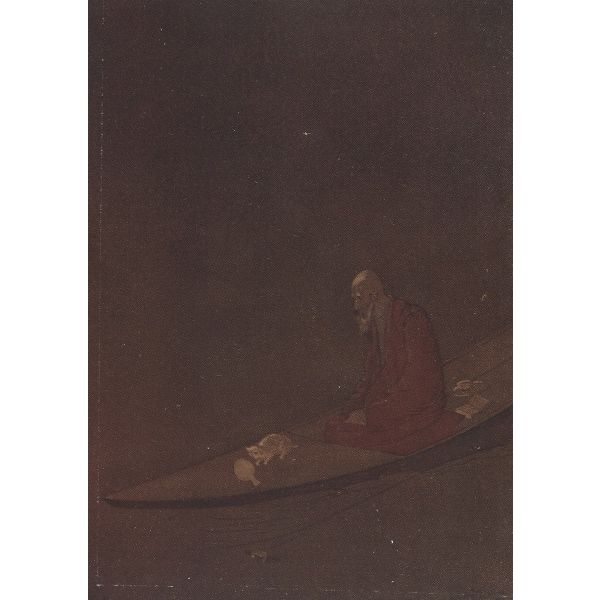
At the turn of the twentieth century, Abanindranath Tagore asked himself if the emerging artists of modern India should continue to paint in the manner of their European colonizers; or was there a new path waiting to be forged? His answers led him to envision a pan-Asian cultural identity, spanning traditions from Persia to Japan, and culminating in a ‘new “Indian” art.’ Regarded as the founder of the Bengal School, Abanindranath left an unparalleled legacy both in terms of his own diverse body of work, and through his pupils, like Nandalal Bose, who shaped the contours of art across the subcontinent in the twentieth century.
Learn More -
 ExhibitionsThe Centum Series Edition 3As low as $1.00
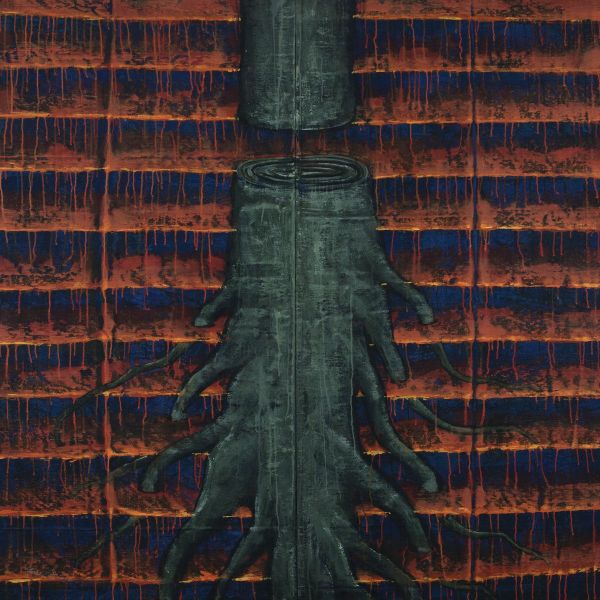
Indian art defies any easily tailored silos to carve for itself a confident assertion of its own identity within a global context, while being a part of its larger assimilative journey. it is this rich legacy of Indian modernism that we hope to explore with The Centum Series which opens a window to the tantalising glimpse of the extraoridnary depth and breadth of its scope and variety. Akhilesh J. Sultan Ali Altaf Ambadas Amit Ambalal Amitava Anonymous (Early Bengal) Dattatraya Apte Radha Charan Bagchi Ramkinkar Baij S. K. Bakre Prabhakar Barwe R. B. Bhaskaran Jyoti Bhatt Natvar Bhavsar Bikash Bhattacharjee Nikhil Biswas Nandalal Bose Shobha Broota Sakti Burman Avinash Chandra Chittaprosad Jagmohan Chopra Bijan Choudhary Jogen Chowdhury Anita Roy Chowdhury D. P. Roy Chowdhury Thomas Daniell Haren Das Sunil Das
Learn More -
 JournalThe Poet (Head of Rabindranath Tagore) by Ramkinkar Baij$1.00
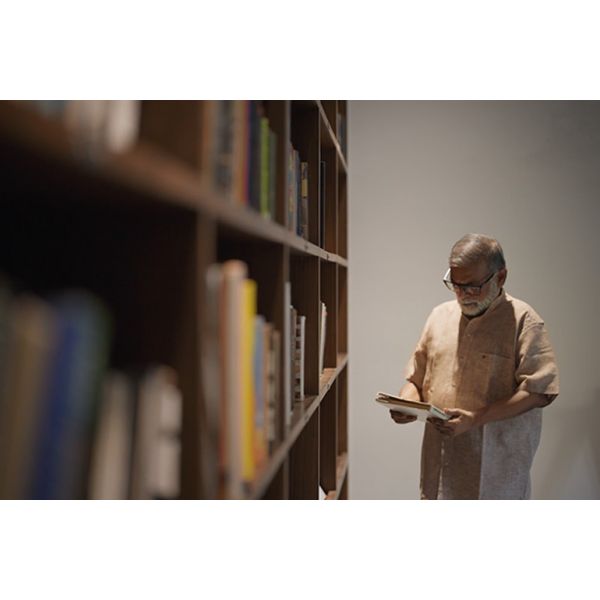
Ramkinkar Baij is rightfully described as India’s first modernist sculptor for his pathbreaking use of cement and laterite as material, his choice of subjects and scale in public art projects, and his unconventional development of ideas.
The Poet is an abstract portrait of Rabindranath Tagore, imagined through negative spaces, concaves and convexes forming the eyes in a hollowed head, a masterclass in Baij’s cubist vocabulary. The portrait shared almost no physical attributes with the subject, instead focusing on distorting Tagore’s visage to give us insights into the state of his mind.
Learn More -
 JournalUntitled (Tigers) by Amrita Sher Gil$1.00
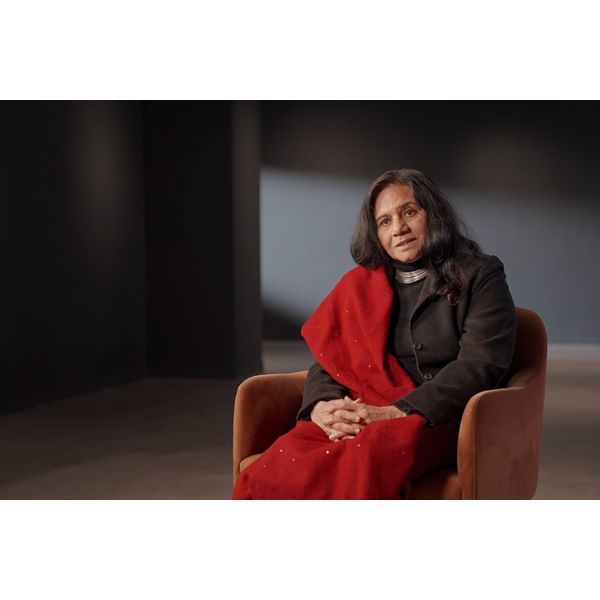
The birth of Amrita Sher-Gil to an Indian father and Hungarian mother bequeathed to the nation one of its most incandescent artists. Known for her luminous paintings, her work changed the face of modern Indian art and paved the course it was to take in the country. In a rare sculpture of tigers made, poignantly enough, in the last year of her life, Amrita Sher-Gil is revealed as someone exploring new directions before her tragic demise in 1941.
Learn More -
 JournalTerm of the Month: Figure Drawing$0.00
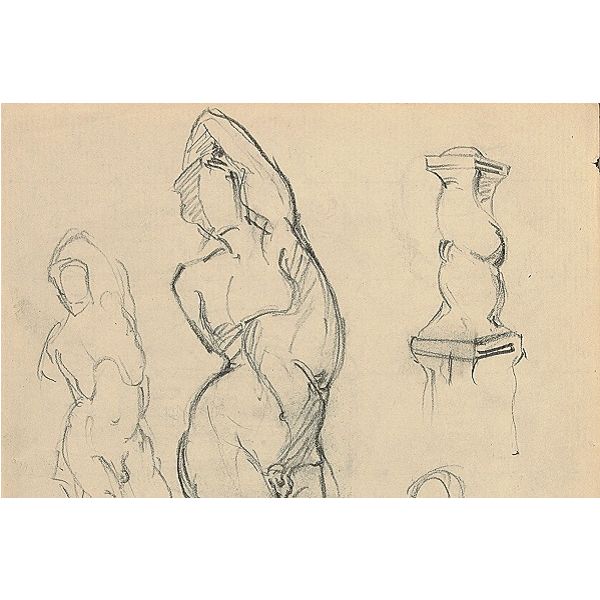
The advent of abstraction is a defining moment in art history as we devise divisions between representational, figurative, and abstract art, with the need arising from this pivotal formal shift in the modern world. The term ‘figurative’ has come to represent an antithesis of sorts to the term abstract. One is representational of reality, the latter a derived (abstracted) representation or even non-representational (colour-field paintings for example).
Learn More -
 JournalRadical as a way of Being: Inaugural Contemporary Fellow Nalini Malani at London's National Gallery$0.00
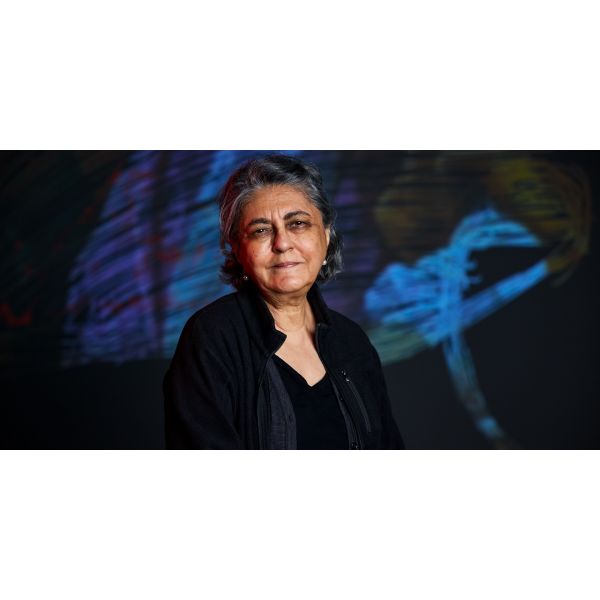
What is the role of collectors and collections or archives in the world of art today? Does it simply allude to practices of producing a consumable past today or does it also aspire to question the ways in which history has been shaped by powerful interventions in the form of artworks, performances and installations? In this series of conversations, we wanted to explore the idea of collecting recent or contemporary art—and how it inevitably takes us back to the moderns who influenced such practices heavily.
Learn More