Search results for: 'similar art to purah tears of the kingdom deviantart'
-
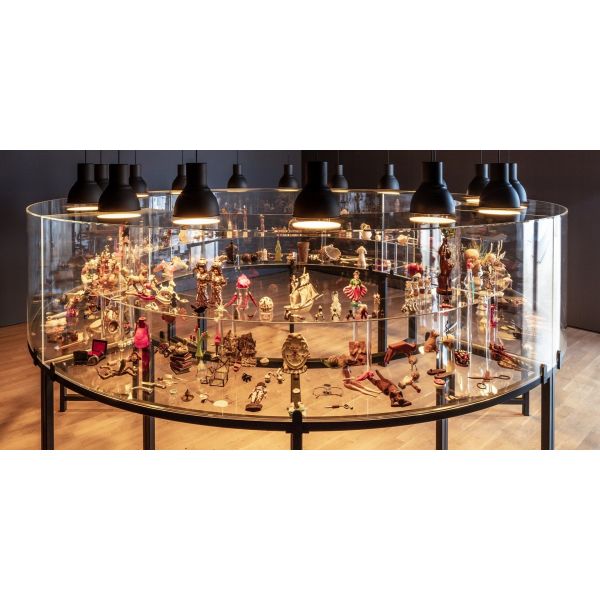 JournalConscious Collecting with Asia Art Archive and Durjoy Rahman$0.00
What is the role of collectors and collections or archives in the world of art today? Does it simply allude to practices of producing a consumable past today or does it also aspire to question the ways in which history has been shaped by powerful interventions in the form of artworks, performances and installations? In this series of conversations, we wanted to explore the idea of collecting recent or contemporary art—and how it inevitably takes us back to the moderns who influenced such practices heavily.
Learn More -
 ExhibitionsAvinash Chandra: HumanscapesAs low as $1.00
This is the first-ever retrospective of the Indian modern artist Avinash Chandra who lived most of his life in the West, in London and New York. The artist, who had trained in New Delhi, left soon after for London, and most of his practice was limited to London and New York, the two cities he called his home till his unfortunately early death in 1991. In the roughly three-and-a-half decades of his career, Avinash’s work changed amazingly, reflecting his environment and milieu as he grew and adapted to cities vastly different from their Indian counterparts, with their own sub-cultures. That this happily coincided with a discovery of India, however superfluously, as a land of spirituality and sexuality, seemed to serve him well as his muse.
Learn More -
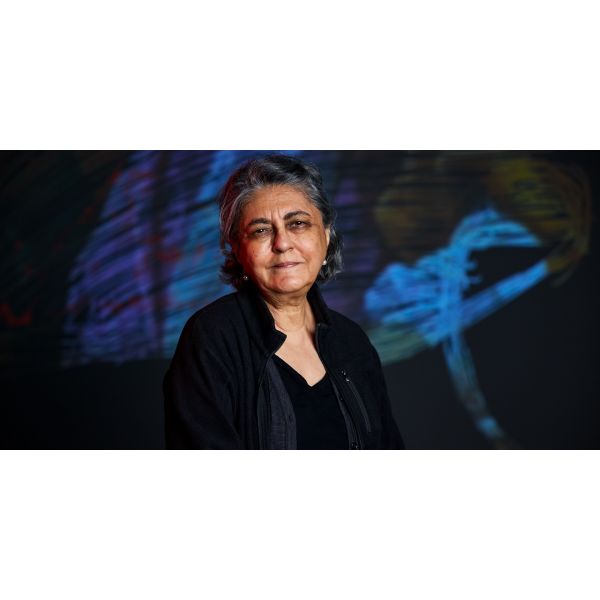 JournalRadical as a way of Being: Inaugural Contemporary Fellow Nalini Malani at London's National Gallery$0.00
What is the role of collectors and collections or archives in the world of art today? Does it simply allude to practices of producing a consumable past today or does it also aspire to question the ways in which history has been shaped by powerful interventions in the form of artworks, performances and installations? In this series of conversations, we wanted to explore the idea of collecting recent or contemporary art—and how it inevitably takes us back to the moderns who influenced such practices heavily.
Learn More -
 JournalOn Collecting Textiles with Uthra Rajgopal$0.00
Are the histories of art and fashion distinct from each other? Even a cursory glimpse at the contemporary art landscape—on view during occasions such as the India Art Fair, 2023—tells us otherwise. Fabrics, textiles and weaving practices are being increasingly incorporated into the body of works produced by artists today. They bring with them a host of connotations, historical narratives and sensorial memories that working with other media does not. Uthra Rajgopal, a curator and collection adviser for museums, spoke with DAG briefly on the practice of collecting textiles for museums, their historical significance as artworks as well as trading commodities from South Asia, and how contemporary artists are responding to this complex colonial legacy through their own interventions.
Learn More -
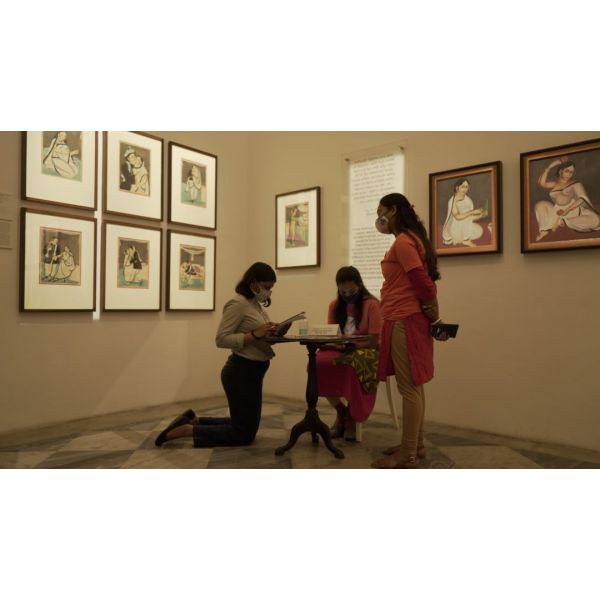 Events and ProgrammesMuseum Ambassadors$1.00
An experiential learning and apprenticeship programme for high school students in collaboration with arts education organisations, offering them a first-hand experience of working in a museum, learning about the art and history, and translating their learnings to develop museum experiences for their peers.
Learn More -
-
 ExhibitionsIndian DivineAs low as $1.00
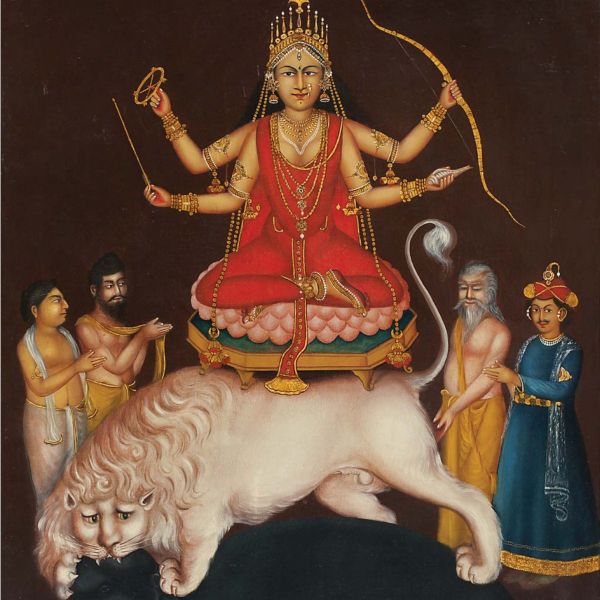
The exhibition, Indian Divine, begins with the late nineteenth century art on mythological and religious themes from regions as diverse as Bombay and Bengal—these include Western style oil paintings of deities by such well-known artists of the academic realist styles as Raja Ravi Varma and M. V. Dhurandhar, and mythological/ religious episodes and figures featured in the hybrid style, a mix of Western realistic painting and traditional Indian art and concerns—the Early Bengal style, a very popular form, of which the exhibition presents over fifty works. It goes on to document Kalighat paintings on religious and mythological themes from the late nineteenth and early twentieth centuries that were very popular, as well popular bazaar prints on these themes that flooded the markets with the advent of lithography and mechanical printing. 19th-20th century Popular Print Art School Print A. A. Almelkar A. A. Raiba A. P. Bagchi Asit Haldar B. C. Law B. N. Jija Baburao Painter Bat-tala Print (Anonymous) Bikash Bhattacharjee Bipin Behari Goswami Bishnupada Roychowdhury Chittaprosad D. B. Onkar D. D. Burman D. N. Sharma Debabrata Chakraborty Devyani Krishna Dhanraj Bhagat Dhirendra Narayan Dhruva Mistry Dipen Bose Early Bengal Early Bengal (Anonymous) F. N. Souza G. R. Santosh Ganesh Pyne Gogi Saroj Pal Haren Das Heramba Kumar Ganguly Indu Rakshit J. Sultan Ali Jamini Roy K. C. Pyne K. K. Hebbar K. Laxma Goud K. S. Kulkarni Kalighat pat (Anonymous) Kalipada Ghoshal Kamal Chattopadhyay Kanwal Krishna Krishen Khanna Kshitindranath Majumdar Laxman Pai M. F. Husain M. V. Dhurandhar Madhvi Parekh Mukul Dey Nandalal Bose Nihar Ranjan Sengupta P. T. Reddy P. V. Janakiram R. Vijaivargiya Rabin Mondal Radha Charan Bagchi Raja Ravi Varma Ramananda Bandhopadhyay Ramendranath Chakravorty Ranada Charan Ukil Ravi Varma School (Anonymous) Reddappa Naidu Roopkrishna S. Dhanapal S. G. Vasudev Sanat Chatterjee Sanjay Bhattacharya Sarada Charan Ukil Shyamal Dutta Ray Sohan Qadri Sudhanshu Ghosh Sudhir Ranjan Khastagir Sunil Das Sunil Madhav Sen Surendranath Ganguly V. Nageshkar
Learn More -
-
 JournalEighty-Five Safety Pins by Prabhakar Barwe$1.00
Prabhakar Barwe’s Eighty-Five Safety Pins is a pioneering work that merges technology and traditional art. Created in 1991 using graphic design software on an Apple Macintosh, Barwe explored the concept of pixels, a hallmark of the digital era, while incorporating his signature enamel paint. This innovative approach reflects his curiosity about embracing the unknown future and reinterpreting it artistically. By abstracting the safety pin from its conventional form, Barwe invites viewers to reconsider its essence, offering an open-ended visual experience that challenges preconceived notions and encourages alternative perspectives. Art connoisseur Shireen Gandhy, a friend of the late artist, takes us behind the making of this extraordinary painting.
Learn More -
 ExhibitionsManifestations VII: 75 ArtistsAs low as $1.00
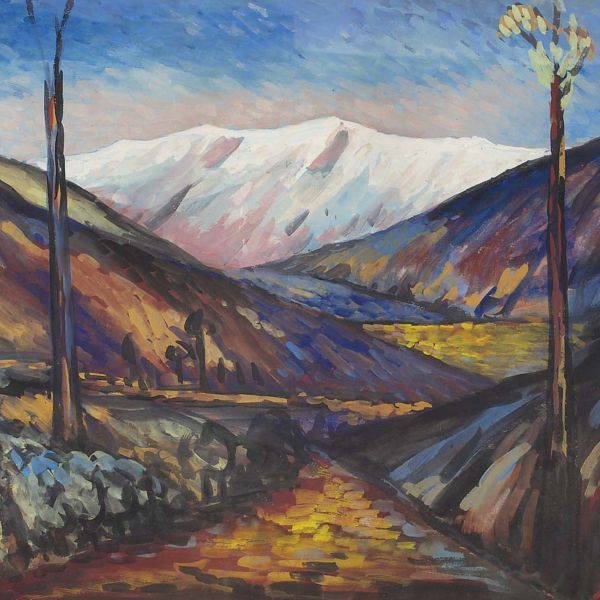
The exhibition features several works of academic realist portraiture from early 20th century—vivid oil portraits by masters of the form such as Pestonji Bomanji, M. F. Pithawalla, Baburao Painter and L. N. Taskar as well as charcoal sketches by M. V. Dhurandhar, an academic artist of renown of the same period. The selection features Western academic oil-influenced works on mythological themes by the school referred to as Early Bengal and two works painted in a Raja Ravi Varma-derived style—an anonymous work by the Ravi Varma ‘School’ and Aroomoogam Pillay. A. A. Almelkar Abalall Rahiman Abani Sen Akbar Padamsee Ambadas Anonymous (EarlyBengal) Anonymous (Portraiture ) Anupam Sud Aroomoogam Pillay Avinash Chandra Baburao Painter Badri Narayan Bijan Choudhary Bikash Bhattacharjee Biren De Chintamoni Kar Chittaprosad D. P. Roy Chowdhury Devyani Krishna Dharamnarayan Dasgupta F. N. Souza G. R. Santosh G. Ravinder Reddy Ganesh Haloi Gogi Saroj Pal Gopal Ghose H. A. Gade Himmat Shah J. Sultan Ali J. Swaminathan Jamini Roy Jeram Patel Jogen Chowdhury Jyoti Bhatt K. H. Ara K. K. Hebbar K. Laxma Goud K. S. Kulkarni K. V. Haridasan Kshitindranath Majumdar L. Munuswamy L. N. Taskar Laxman Pai M. F. Husain M. F. Pithawalla M. V. Dhurandhar Madhvi Parekh Mukul Dey N. S. Bendre Nandalal Bose Nasreen Mohammedi Nicholas Roerich Nikhil Biswas P. Khemraj P. T. Reddy Paritosh Sen Pestonji E. Bomanji Prosanto Roy Rabin Mondal Ram Kumar Ramkinkar Baij Ravi Varma ‘School’ S. H. Raza S. K. Bakre Sadequain Sailoz Mukherjea Shanti Dave Shyamal Dutta Ray Sohan Qadri Sudhir Patwardhan Sunil Das Sunil Madhav Sen Tarak Garai Ved Nayar Walter Langhammer
Learn More -
 Art FairsIndia Art Fair$0.00
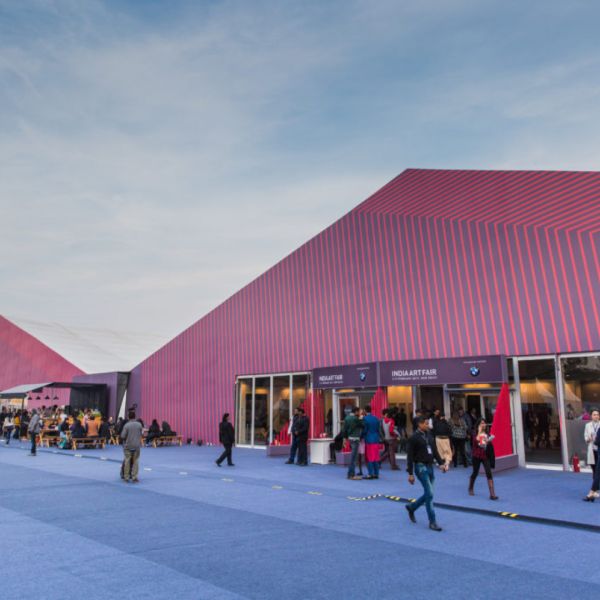
The 2015 edition of the India Art fair saw DAG securing a lavish booth across two different spaces spread over 11,000 sq. ft. Likened to a museum (albeit a temporary one), the gallery presented a show of close to one thousand artworks that consisted of both paintings and sculptures. The thematically curated exhibition consisted of nine categories: pre-modern art, the Bengal school, academic realism, the Bombay Progressive artists, high modernism, the Baroda School and Group 1890, the Cholamandal artists, tantra and sculptures. This categorically-placed collection successfully attempted to showcase the dynamic range of Indian art over two hundred years. A special sculpture gallery was set up in a covered courtyard and featured the largest sculpture in India—by K. S. Radhakrishnan. Pre-Moderns Early Bengal Kalighat Pat Company School Popular Prints Birth of Modernism M. R. Achrekar Almelkar Radha Charan Bagchi Richard Barron Pestonji E. Bomanji Atul Bose Sakti Burman William Carpenter Jogen Chowdhury Devraj Dakoji Thomas Daniell John Deschamps M. V. Dhurandhar Indra Dugar J. P. Gangooly Olinto Ghilardi S. L. Haldankar K. K. Hebbar Benjamin Hudson D. C. Joglekar Prahlad C. Karmakar J. A. Lalkaka B. C. Law Hemendranath Mazumdar M. Mali H. Muller Ramaswamy Naidu M. K. Parandekar William Parker Prema Pathare V. B. Pathare M. F. Pithawalla Portraiture (Anonymous) Thomas Prinsep Abalall Rahiman ‘Ravi Varma School’ Kisory Roy Baburao Sadwelkar N. R. Sardesai Bireswar Sen Lalit Mohan Sen Sushil Chandra Sen S. G. Thakar Singh Satish Chandra Sinha L. N. Taskar Raja Ravi Varma Revivalism and Beyond Radha Charan Bagchi Bengal School (Anonymous) Nandalal Bose Ramendranath Chakravorty M. A. R. Chughtai Haren Das Sunayini Devi 438 Mukul Dey Surendranath Ganguly Asit Kumar Haldar Chintamoni Kar Kshitindranath Majumdar Indu Rakshit Prosanto Roy Bisnhupada Roychowdhury D. P. Roy Chowdhury Abanindranath Tagore Sarada Charan Ukil Ramgopal Vijaivargiya Jamini Roy Santiniketan: A New Expressionism Ramkinkar Baij Nandalal Bose Benode Behari Mukherjee The Bengal Famine in Art Gobardhan Ash Ramkinkar Baij Chittaprosad Somnath Hore Bengal Modernist Calcutta Group Gopal Ghose Hemanta Misra Prankrishna Pal Paritosh Sen Sunil Madhav Sen Calcutta Painters Nikhil Biswas Bijan Chowdhury Jogen Chowdhury Prokash Karmakar Rabin Mondal Society of Contemporary Artists Bikash Bhattacharjee Sunil Das Shyamal Dutta Ray Ganesh Haloi Ganesh Pyne Lalu Prasad Shaw Lone Stars: Other Bengal Modernists Amalnath Chakladhar Partha Pratim Deb Nemai Ghosh Somnath Hore Sudhir Ranjan Khastgir Sailoz Mookherjea Gaganendranath Tagore Rabindranath Tagore Rise of Modernsim K. H. Ara S. K. Bakre Bal Chhabda H. A. Gade V. S. Gaitonde M. F. Husain Krishen Khanna Ram Kumar Tyeb Mehta Akbar Padamsee S. H. Raza Mohan Samant F. N. Souza A Modern Vernacular Baroda School N. S. Bendre Devraj Dakoji Shanti Dave Bhupen Khakhar Dhruva Mistry Haku Shah Nilima Sheikh K. G. Subramanyan Vivan Sundaram Group 1890 Ambadas Jyoti Bhatt Eric Bowen Jeram Patel Raghav Kaneria Himmat Shah Gulammohammed Sheikh J. Swaminathan Alternate Sensibilities Discourses in Feminism Arpana Caur Nalini Malani Navjot Gogi Saroj Pal Anupam Sud A Language of Minimalism Zarina Hashmi Nasreen Mohammedi The Topsy Turvy World of Magic Realism Amit Ambalal Sakti Burman Dharamnarayan Dasgupta Ranbir Singh Kaleka Sanat Kar P. Khemraj Anjolie Ela Menon New Delhi Modernists Amitava Manjit Bawa Rameshwar Broota Shobha Broota Bimal Dasgupta Biren De Manu Parekh Ved Nayar Ramachandran G. R. Santosh Arpita Singh Silpi Chakra Group Dhanraj Bhagat Avinash Chandra Satish Gujral Bishamber Khanna Devayani Krishna Kanwal Krishna K. S. Kulkarni C. Sanya Mumbai Modernists Altaf Prabhakar Barwe Chittaprosad K. K. Hebbar George Keyt Gieve Patel Prabha Raiba V. Nageshkar Jehangir Sabavala Laxman Shreshtha Region and Identity Cholamandal Artists’ Village J. Sultan Ali Reddappa Naidu Akkitham Narayanan K. C. S. Paniker K. Ramanujam M. Senathipathi S. G. Vasudev V. Viswanadhan Modernists of the South K. M. Adimoolam R. B. Bhaskaran S. Dhanapal P. V. Janakiram L. Munuswamy P. Santhanraj Laxman Pai K. Laxma Goud Badri Narayan G. Ravinder Reddy Krishna Reddy P. T. Reddy S. Krishnaswamy Srinivasulu Thota Vaikuntam Sacred and Sensual Neo-Tantra as a Modern Conceit Jyoti Bhatt Sunil Das Biren De K. V. Haridasan Jeram Patel Sohan Qadri P. T. Reddy G. R. Santosh Erotic Art Ramkinkar Baij Sunil Das K. Laxma Goud M. F. Husain Ranbir Singh Kaleka Prokash Karmakar K. S. Kulkarni Laxman Pai P. T. Reddy G. R. Santosh F. N. Souza Modernism in Indian Sculpture Ramkinkar Baij S. K. Bakre P. Roy Chowdhury Jogen Chowdhury Sankho Chaudhuri Prodosh Das Gupta M. Davierwala Jacob Epstein Tarak Garai Bipin Behari Goswami Satish Gujral Asit Kumar Haldar Dhruva Mistry Mrinalini Mukherjee S. Nandagopal Navjot Nagji Patel K. S. Radhakrishnan S. H. Raza Jamini Roy Himmat Shah Prabhas Sen B. Vithal Other Sculptors
Learn More