Search results for: 'Show the pussy photos'
-
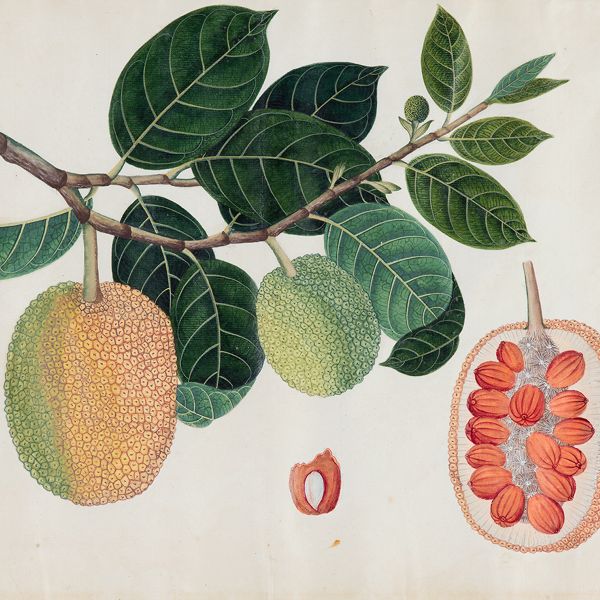
 ExhibitionsManifestations VII: 75 ArtistsAs low as $1.00
The exhibition features several works of academic realist portraiture from early 20th century—vivid oil portraits by masters of the form such as Pestonji Bomanji, M. F. Pithawalla, Baburao Painter and L. N. Taskar as well as charcoal sketches by M. V. Dhurandhar, an academic artist of renown of the same period. The selection features Western academic oil-influenced works on mythological themes by the school referred to as Early Bengal and two works painted in a Raja Ravi Varma-derived style—an anonymous work by the Ravi Varma ‘School’ and Aroomoogam Pillay. A. A. Almelkar Abalall Rahiman Abani Sen Akbar Padamsee Ambadas Anonymous (EarlyBengal) Anonymous (Portraiture ) Anupam Sud Aroomoogam Pillay Avinash Chandra Baburao Painter Badri Narayan Bijan Choudhary Bikash Bhattacharjee Biren De Chintamoni Kar Chittaprosad D. P. Roy Chowdhury Devyani Krishna Dharamnarayan Dasgupta F. N. Souza G. R. Santosh G. Ravinder Reddy Ganesh Haloi Gogi Saroj Pal Gopal Ghose H. A. Gade Himmat Shah J. Sultan Ali J. Swaminathan Jamini Roy Jeram Patel Jogen Chowdhury Jyoti Bhatt K. H. Ara K. K. Hebbar K. Laxma Goud K. S. Kulkarni K. V. Haridasan Kshitindranath Majumdar L. Munuswamy L. N. Taskar Laxman Pai M. F. Husain M. F. Pithawalla M. V. Dhurandhar Madhvi Parekh Mukul Dey N. S. Bendre Nandalal Bose Nasreen Mohammedi Nicholas Roerich Nikhil Biswas P. Khemraj P. T. Reddy Paritosh Sen Pestonji E. Bomanji Prosanto Roy Rabin Mondal Ram Kumar Ramkinkar Baij Ravi Varma ‘School’ S. H. Raza S. K. Bakre Sadequain Sailoz Mukherjea Shanti Dave Shyamal Dutta Ray Sohan Qadri Sudhir Patwardhan Sunil Das Sunil Madhav Sen Tarak Garai Ved Nayar Walter Langhammer
Learn More -
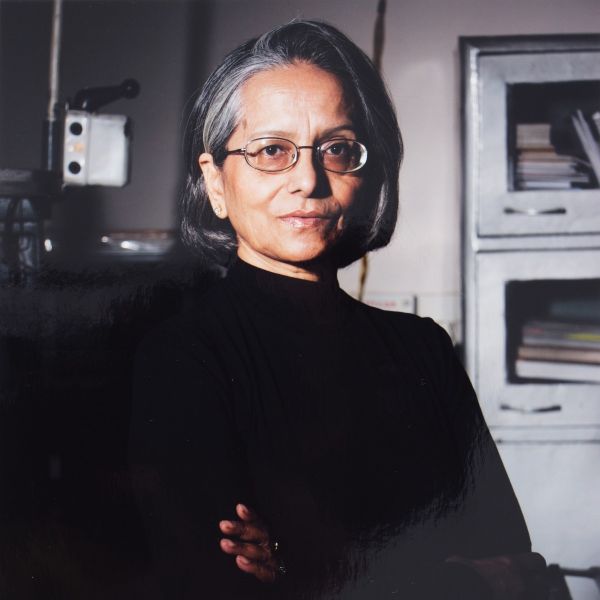 ExhibitionsAnupam SudAs low as $1.00
That Anupam Sud is one of the most prominent printmakers in the country is a given, even though it would be unfair to limit so versatile an artist to only being a printmaker. Indeed, her body of work includes paintings, drawings, sculpture, bookmaking—and as you will see through the pages of the book accompanying the exhibition, a record-keeper observing the passage of time with self-portraits that she has undertaken to make periodically. A role-model for generations of artists and printmakers through her work and for her influence as a teacher at the prestigious College of Art, New Delhi, Anupam Sud’s name evokes recognition around the world where she has admirers, collectors of her work, and students who have trained under her.
Learn More -
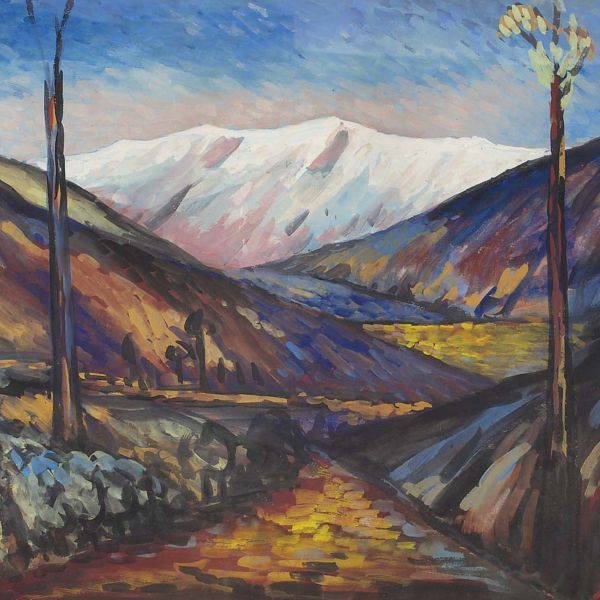
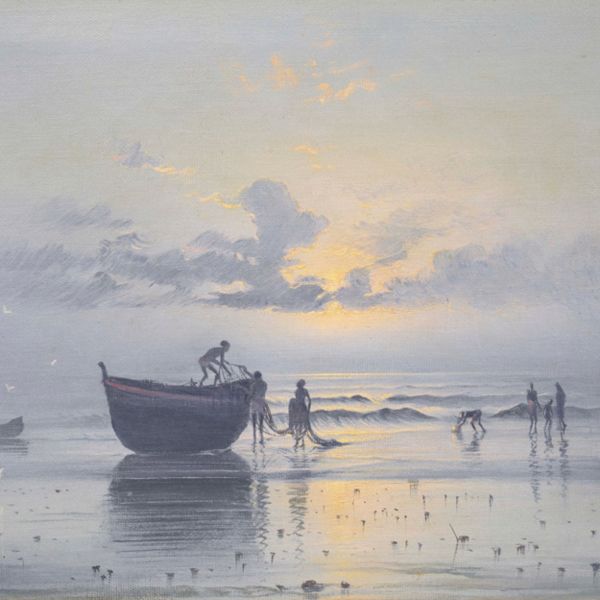 ExhibitionsNew Found LandsAs low as $1.00
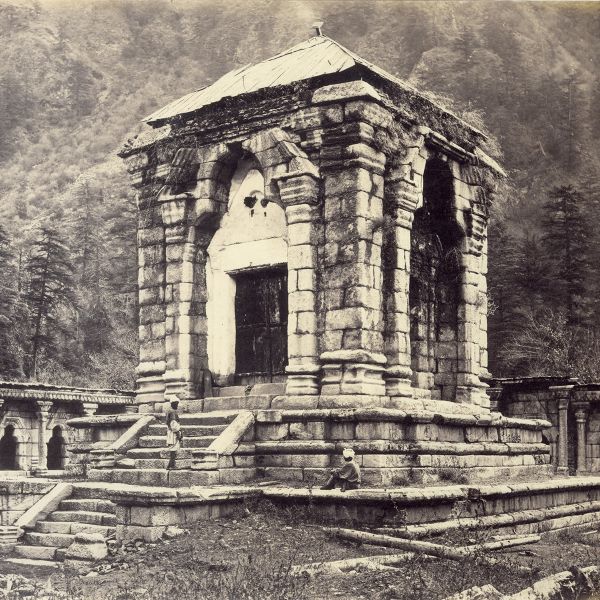
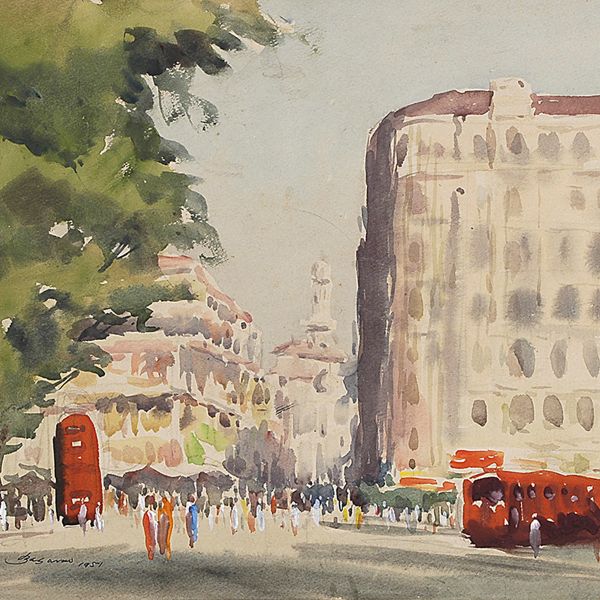
We might think of landscape as the most obvious and natural subject for painting. What could be simpler than an artistic response to the world of nature? And yet, civilisations have not always produced landscape paintings. Landscape as an independent genre—with the primary focus not on action but on scenery—was first championed by the Chinese in the ninth century. It was introduced into English art only in the eighteenth century. Elements of nature have appeared in Indian art since the murals of Ajanta, but in supporting roles, in images that are primarily sacred or courtly. Pure landscape painting arose in India only in the nineteenth century, in response to colonial practice. A A ALMELKAR AVINASH CHANDRA BABURAO SADWELKAR BHUNATH MUKERJEE BIJAN CHOUDHARY BIRESWAR SEN CHITTAPROSAD DEVRAJ DAKOJI DEVYANI KRISHNA DHARAMANARAYAN DASGUPTA GANESH HALOI GOBARDHAN ASH HAREN DAS K. K. HEBBAR KANWAL KRISHNA KISORY ROY M. K. PARANDEKAR M. V. DHURANDHAR MANISHI DEY MUKUL DEY New Found Lands NIKHIL BISWAS PESTONJI E BOMANJI PRAN KISHAN PAUL RABIN MONDAL RAMENDRANATH CHAKRAVORTY RAMKINKAR BAIJ SAKTI BURMAN SUNIL DAS THOMAS DANIELL WILLIAM HODGES WILLIAM PARKER
Learn More -
-
-
 Events and ProgrammesMuseum Ambassadors$1.00
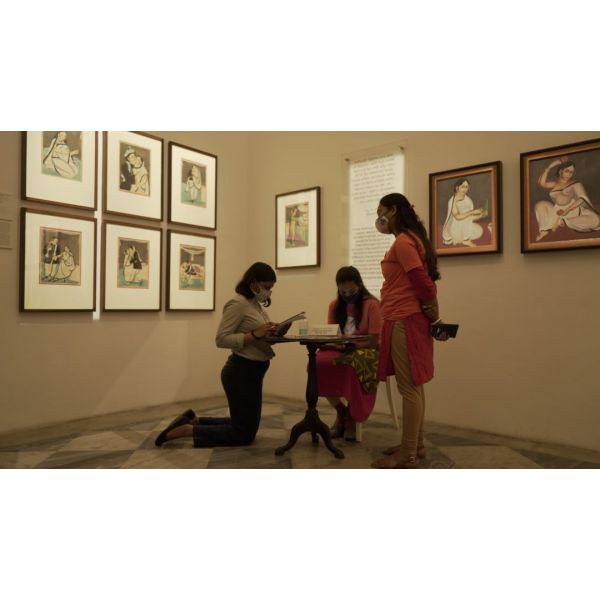
An experiential learning and apprenticeship programme for high school students in collaboration with arts education organisations, offering them a first-hand experience of working in a museum, learning about the art and history, and translating their learnings to develop museum experiences for their peers.
Learn More -
 Collection StoriesScripting the Camera: Satyajit Ray’s cinema as ‘archive’$0.00
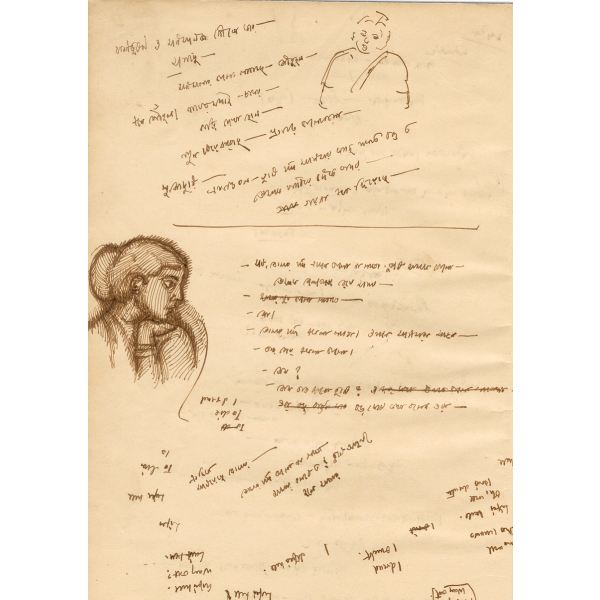
The DAG Archive has over 90,000 photographs taken by Nemai Ghosh, a bulk of which includes still photographs and behind the scenes images of films as well as candid and staged portraits of Satyajit Ray. In conjunction to these materials, DAG Archive has also acquired a set of two notebooks of Ray which contains the hand-written film scripts of <i>Ghare Baire</I> (The Home and The World, 1984) and Samapti (The Conclusion) which is one of the short films from the anthology, Teen Kanya (Three Women, 1961). Interestingly, both these films are adaptations from Rabindranath Tagore’s literary works.
Learn More -
 Art FairsIndia Art Fair$0.00
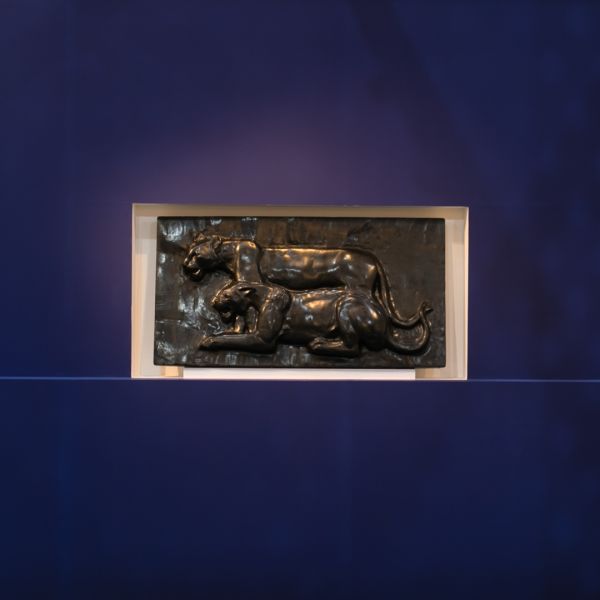
This exemplary themed exhibition at DAG’s booth at the India Art Fair 2018 was a masterclass in Indian art dedicated to the nine National Treasure artists. This declaration in the decade of the 1970s was intended to identify artists whose contribution had national significance. Even though the selection appears arbitrary and argumentative, the nine artists cannot be faulted for the quality of their work and the role they played in segueing the pre-independence freedom movement with their role and responsibility as artists. Nandalal Bose Sailoz Mookherjea Abanindranath Tagore Jamini Roy Amrita Sher-Gil Rabindranath Tagore Gagnendranath Tagore Nicholas Roerich Raja Ravi Varma
Learn More -
 ExhibitionsAvinash Chandra: HumanscapesAs low as $1.00
This is the first-ever retrospective of the Indian modern artist Avinash Chandra who lived most of his life in the West, in London and New York. The artist, who had trained in New Delhi, left soon after for London, and most of his practice was limited to London and New York, the two cities he called his home till his unfortunately early death in 1991. In the roughly three-and-a-half decades of his career, Avinash’s work changed amazingly, reflecting his environment and milieu as he grew and adapted to cities vastly different from their Indian counterparts, with their own sub-cultures. That this happily coincided with a discovery of India, however superfluously, as a land of spirituality and sexuality, seemed to serve him well as his muse.
Learn More -
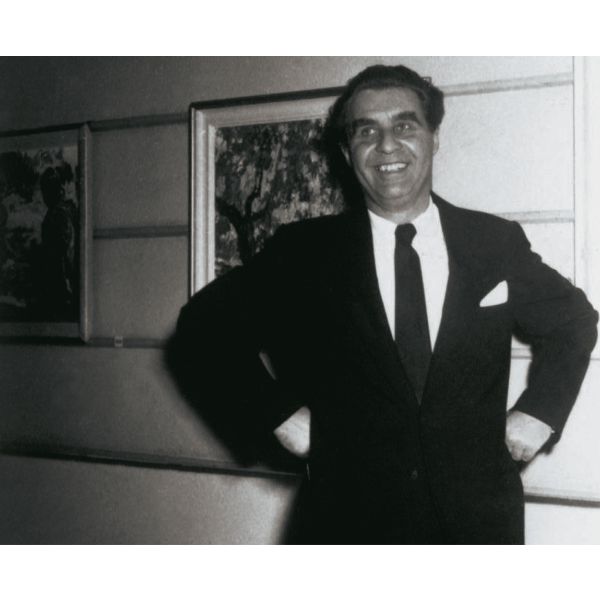 ArtistsWalter Langhammer$0.00Born in Graz, Austria, Walter Langhammer came to India in the 1930s with his wife Käthe Urbäch, escaping Nazi Germany like other refugees. Some media reports suggest that British authorities had arrested the couple on their arrival in India till a friend, noted art critic Rudolf von Leyden, came to their rescue. Learn More
 -
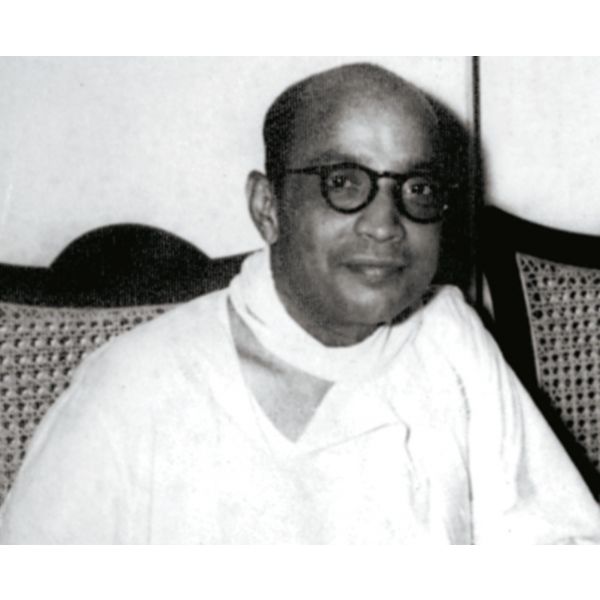 ArtistsRamendranath Chakravorty$0.00Born in 1902 in Tripura, Ramendranath Chakravorty went to the Government College of Art in Calcutta in 1919 but left it in 1921 to join the newly founded Kala Bhavana at Visva-Bharati University, Santiniketan. Soon after graduation, he began his teaching career, first at Kalashala at Andhra National Art Gallery in Machilipatnam, and then at Kala Bhavana. He then joined Government School of Art, Calcutta, as a teacher in 1929, when Mukul Dey, the pioneer of dry point etching in India, was its principal. In 1943-46, Chakravorty was the school’s officiating principal when he set up its graphics department. Eventually, he became the school principal in 1949. Learn More
 -