Search results for: 'Revival of French Bengal Art in'
-
-
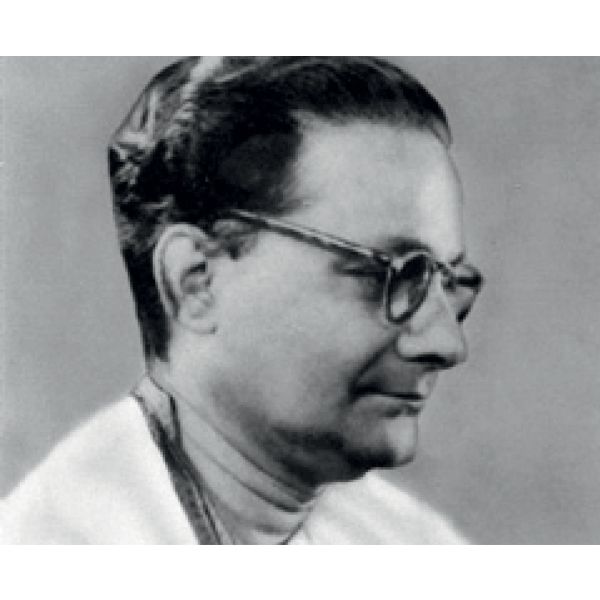 ArtistsRadha Charan Bagchi$0.00Born in 1910 in Pabna, in present-day Bangladesh, Radha Charan Bagchi graduated from College of Arts and Crafts, Calcutta, in traditional Indian art, oil painting, and Western academism. Abanindranath Tagore, Mukul Dey and other Bengal masters were major influences but Bagchi evolved his own artistic style. In 1951, he joined Kala Bhavana, Santiniketan, as teacher, officiating twice as its principal in subsequent years. Learn More
 -
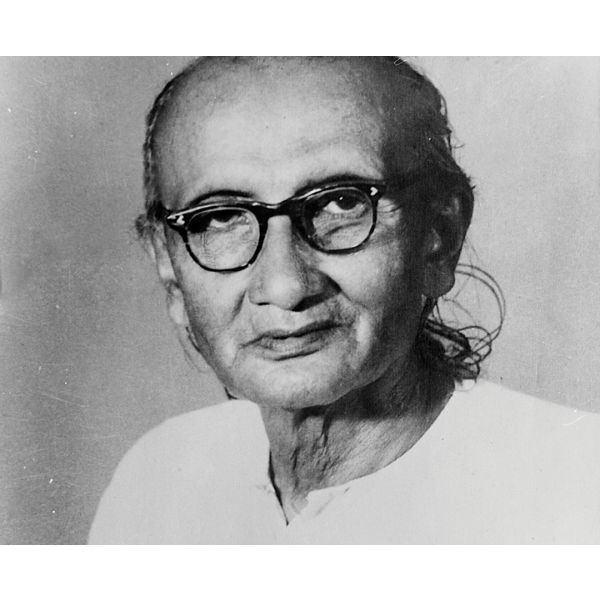 ArtistsKshitindranath Majumdar$0.00Kshitindranath Majumdar, born on July 31, 1891, in Jagtai village of Murshidabad in West Bengal, is often referred to as a saint-artist who considered art as a form of devotion. Strongly influenced by Vaishnavism as propounded by the fifteenth century saint, Chaitanya Mahaprabhu, Majumdar trained in hymn singing, interpreted legends from Indian epics, and acted in productions of the theatre group owned by his father. Learn More
 -
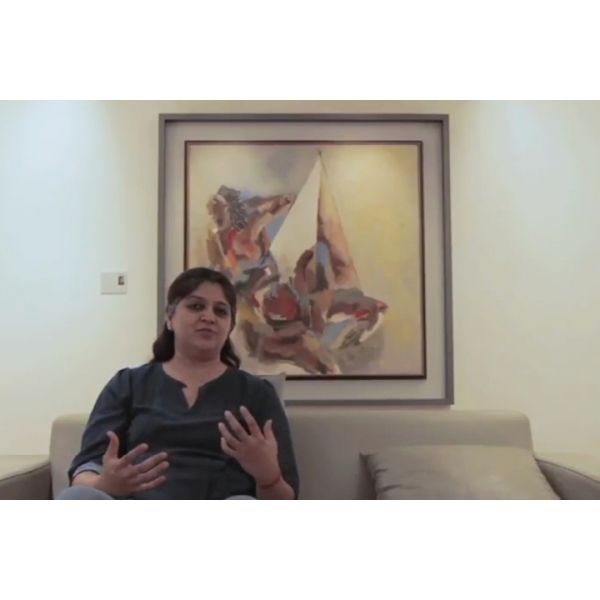 JournalMasterpieces of Indian Art Edition 2$0.00A landmark DAG exhibition, the second edition of Masterpieces of Indian Art at India Art Fair offered a microcosm of museum-quality works by well-known masters. Catch a glimpse of some of the masterpieces in this truly extraordinary exhibition. Learn More
 -
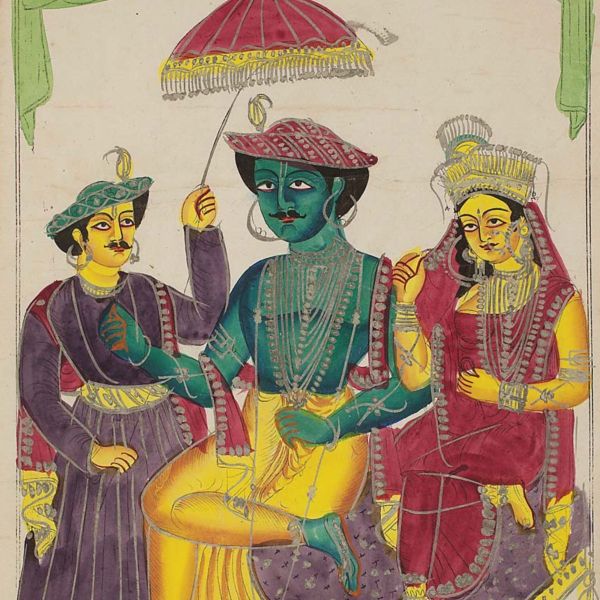 ExhibitionsManifestations X: 75 ArtistsAs low as $1.00
Manifestations, DAG’s signature exhibition showcasing the very best of modern Indian art, appears this winter in its landmark tenth edition, bringing together seventy-five of India’s best-known and most established modernists. The artworks are grouped by genre into the categories of mythology, landscape, still-life, figurative, narrative and abstract art, and present the mature styles of the participating artists. Raiba A. M. Davierwalla Abanindranath Tagore Ambadas Arpana Caur Avinash Chandra Benode Behari Mukherjee Bikash Bhattacharjee Biren De Chittaprosad D. P. Roy Chowdhury Dhanraj Bhagat Early Bengal (Anonymous) F. N. Souza G. R. Santosh Gaganendranath Tagore Ganesh Haloi Ganesh Pyne George Keyt Gieve Patel Gogi Saroj Pal Gopal Ghose Haku Shah Hemanta Misra Hemendranath Majumdar Himmat Shah Indra Dugar J. Sultan Ali J. Swaminathan Jamini Roy Jeram Patel Jogen Chowdhury Jyoti Bhatt K. C. S. Panicker K. G. Subramanyan K. K. Hebbar K. Laxma Goud K. S. Kulkarni K. S. Radhakrishnan Kalighat Pat (Anonymous) Laxman Pai M. A. R. Chughtai M. F. Husain M. V. Dhurandhar Manu Parekh Meera Mukherjee N. S. Bendre Nandalal Bose Dharamnarayan Dasgupta Nikhil Biswas P. Khemraj P. T. Reddy P. V. Janakiram Paritosh Sen Piloo Pochkhanawalla Prosanto Roy R. Vijaivargiya Rabin Mondal Rabindranath Tagore Raghav Kaneria Raja Ravi Varma Ramkinkar Baij S. Dhanapal S. H. Raza S. K. Bakre Satish Gujral Shanti Dave Shyamal Dutta Ray Sohan Qadri Somnath Hore Sunayani Devi Sunil Das Sunil Madhav Sen Thota Vaikuntam V. Nageshkar
Learn More -
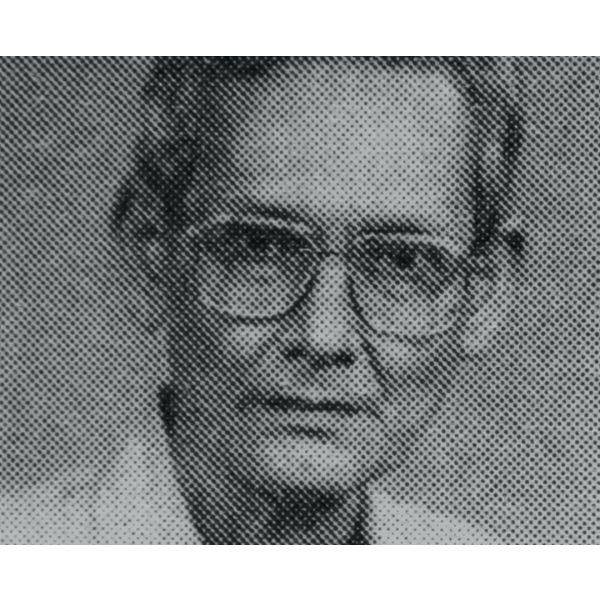 ArtistsAmalnath Chakladhar$0.00Born in present-day Bangladesh, Amalnath Chakladhar belongs to that category of Bengali modernists who carved an identity uniquely their own, despite the overarching influence of the three prominent strains of modern art in Bengal in the first half of the twentieth century—the Bengal School, academic training in art schools of Calcutta, and expressionism in Santiniketan. His contribution to furthering modernism in India, therefore, assumes importance for being a seminal, individual effort. Learn More
 -
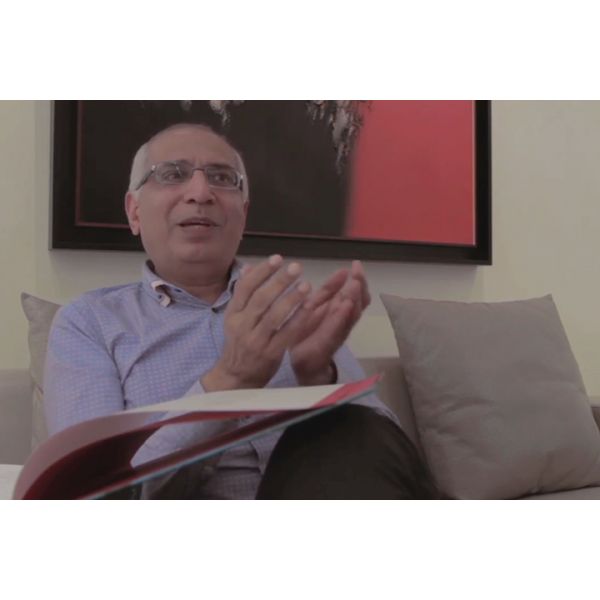 JournalMemory and Identity - Indian Artists Abroad$0.00What do you make of a work of art? What was the artist attempting to communicate? These video shorts offer brief overviews on artists and their work in the way of expert opinions by scholars, curators art writers—and by the artists themselves. Learn More
 -
 JournalSearching for the ‘Inner Form’ in Prabhakar Barwe’s Blank Canvas$0.00
Artists have often formulated their theories and observations to analyse and become aware of the cognitive modes of art making, and to associate with broader contemporaneous art movements. These manifestos become a window into an artist’s process. Prabhakar Barwe’s seminal treatise, <i>Kora Canvas</I> (The Blank Canvas, 1989), exemplifies his deep understanding of the fundamental elements of art and keen observations of nature and his surroundings.
Learn More -
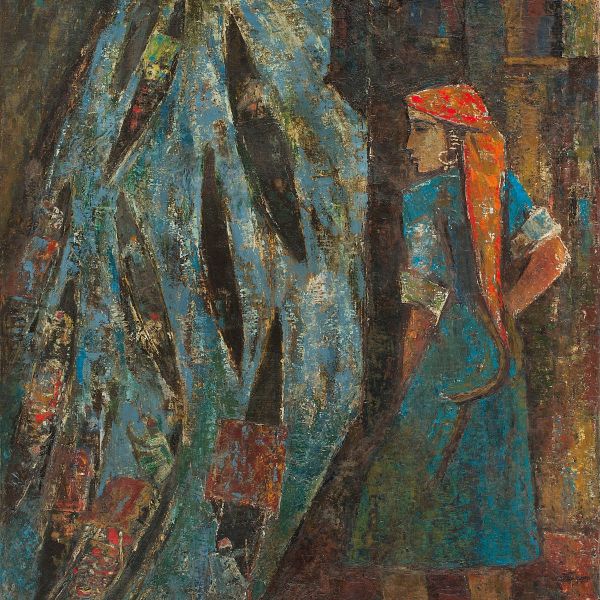 ExhibitionsManifestations IX: 75 ArtistsAs low as $1.00
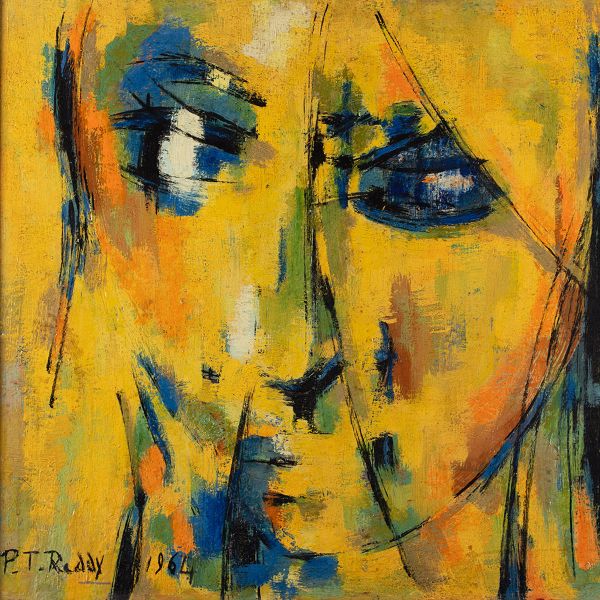
The exhibition brings together important works of art spanning a wide range of genres, forms, periods and styles. They are grouped by genre and each thematic arrangement features a select collection of artworks that are milestones in Indian modernism, as well as in the development of the artistic language of several of the participating artists. A. A. Raiba Abalall Rahiman Akbar Padamsee Ambadas Amitava Avinash Chandra B. C. Sanyal B. N. Arya Baburao Painter Benode Behari Mukherjee Bikash Bhattacharjee Bipin Behari Goswami Biren De Chittaprosad Devyani Krishna Dharamnarayan Dasgupta Early Bengal (Anonymous) F. N. Souza G. R. Santosh Ganesh Haloi Ganesh Pyne George Keyt Gieve Patel Gogi Saroj Pal Gopal Ghose H. A. Gade Hemanta Misra Himmat Shah Indra Dugar Indu Rakshit J. P. Gangooly J. Sultan Ali Jamini Roy Jeram Patel K. H. Ara K. K. Hebbar K. Laxma Goud Kshitindranath Majumdar Laxman Pai M. F. Husain M. F. Pithawalla M. V. Dhurandhar Manu Parekh Mohan Samant N. R. Sardesai Nandalal Bose Nikhil Biswas P. Khemraj P. S. Chander Sheker P. T. Reddy P. V. Janakiram Paritosh Sen Pestonji E. Bomanji Prabhakar Barwe Prodosh Das Gupta Prokash Karmakar Rabin Mondal Rabindranath Tagore Radha Charan Bagchi Ram Kumar Ravi Varma School (Anonymous) S. Dhanapal S. G. Thakur Singh S. H. Raza S. K. Bakre Satish Gujral Shanti Dave Shiavax Chavda Shyamal Dutta Ray Sohan Qadri Sunil Das Surendran Nair Tyeb Mehta V. Nageshkar Vivan Sundaram
Learn More -
-
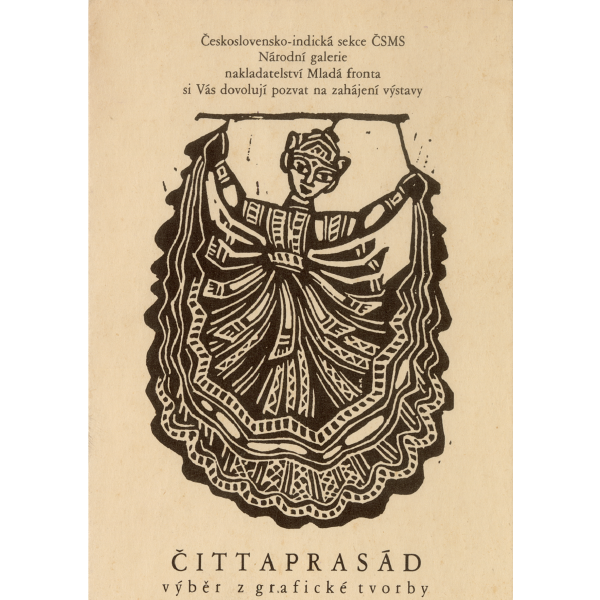 Collection StoriesAfter the Storm: Chittaprosad’s late oeuvre$0.00
Chittaprosad Bhattacharya (1913-1978) was a versatile artist and a lifelong adherent of the socialistic worldview. In 1943, he traveled across the famine-stricken villages of Bengal and produced realistic sketches of human suffering that were regularly published in the pages of the Communist Party journal 'People’s war'. These sketches were later compiled and published as a booklet under the title 'Hungry Bengal'. Fascinated by his artistic skills, the General Secretary of Communist Party of India, Puran Chand Joshi took Chittaprosad to the Party’s headquarters in Bombay (now Mumbai).
Learn More