The search for abstraction in Indian art in the early years of Independence was born out of a desire among artists to attain an independent idiom of modernism. Rooted in the country’s philosophical and religious aesthetic, Prabhakar Kolte is among the leading practitioners engaged in this quest. A master of poetic and metaphysical abstractionism, Kolte received a diploma in painting from Sir J. J. School of Art, Bombay, in 1968. Initially, he freelanced as an illustrator, also working as a designer at Bombay Dyeing. Learn More
An early Indian abstractionist who forged his own vocabulary, distinct from the dominant forces that gripped India’s art community in the early years of Independence, Piraji Sagara came to be known for his collages made of wood relief amalgamated with abstract paintings. Learn More
Born in Amritsar on 23 February 1935, Paramjit Singh studied art at Delhi Polytechnic from where he completed a diploma in 1958. About a decade later, he went to Norway to study printmaking at Atelier Nord. Learn More
Hailing from an artistic family based in Bombay, P. Khemraj was fascinated with manifestations of all things fine in every aspect of life. On completion of his training in drawing and painting at Sir J. J. School of Art, Bombay, Khemraj, a fine violinist, left for New Delhi to learn the sitar from Pandit Ravi Shankar. Learn More
Born in Meerut, Navjot Altaf studied fine and applied arts at Sir J. J. School of Art, Bombay, from 1967-72. A painter, sculptor, installation artist, and filmmaker inspired by Marxist ideologies, Navjot has consciously questioned various frameworks of social norms and created art to bring focus to the plight of the depressed classes. Learn More
Born in Ahmedabad, Gujarat, Manu Parekh studied at Sir J. J. School of Art, Bombay. With influences as varied as Arshile Gorky, Roberto Matta, S. B. Palsikar and Rabindranath Tagore, Parekh has always sought to explore his inner landscape through art. Learn More
Born in Dhuri, Punjab, Manjit Bawa was encouraged by his brothers to pursue art and he studied at Delhi Polytechnic from 1958-63 under eminent artist-teachers Somnath Hore, Dhanraj Bhagat, B. C. Sanyal, and Abani Sen. He moved to England in 1964, where he worked as a silkscreen printmaker and studied at London School of Painting. Learn More
Possibly the most popular academic Indian artist after Raja Ravi Varma, M. V. Dhurandhar was born in Kolhapur. An early interest in drawing led his father to admit him to Sir J. J. School of Art, Bombay, where he received special encouragement from its principal, John Griffiths. Learn More
An important artist of the Madras Group that synthesised modernism by melding Indian traditions with Western modernist techniques under the direction of K. C. S. Paniker, M. Suriyamoorthy’s visual language employed emphatic regional and folk imagery. Learn More
Born in Nashik, Maharashtra, M. S. Joshi studied at Sir J. J. School of Art, Bombay, in the 1930s. Joshi combined his training in academic realism with a sense of vitality, precision and aesthetics to reveal India’s rich cityscapes and landscapes in his watercolour and gouache works. There was immense depth in the rendering of his subjects, which included people, places, architectural elements, all done in a subdued yet textured palette. Learn More
A. M. Mali was born in Kolhapur, Maharashtra, to a professional artist-father who painted mythological illustrations on the walls of local temples. Mali’s initial training in painting was under the well-known landscape artist Abalall Rahiman. Learn More
Born in Margao, Goa, on 21 January 1926, Laxman Pai studied and later taught at Sir J. J. School of Art, Bombay. He participated in Mahatma Gandhi’s Satyagraha movement against the British rule that led to his imprisonment. Later, he participated in the movement to liberate Goa from centuries of Portuguese rule. Learn More



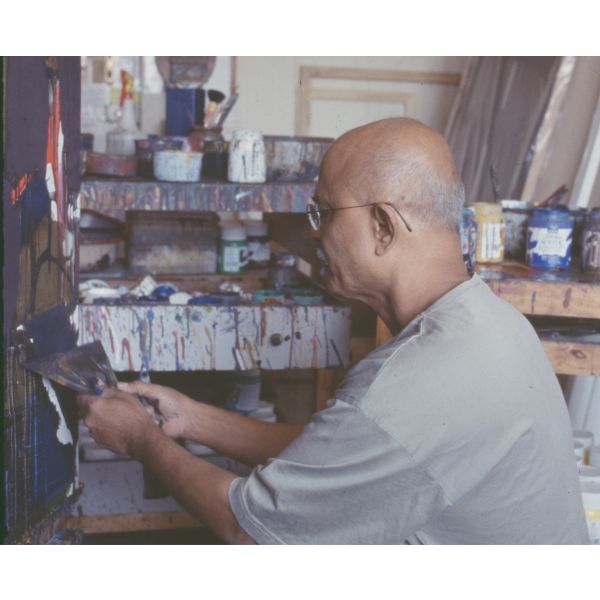 ArtistsPrabhakar Kolte$0.00The search for abstraction in Indian art in the early years of Independence was born out of a desire among artists to attain an independent idiom of modernism. Rooted in the country’s philosophical and religious aesthetic, Prabhakar Kolte is among the leading practitioners engaged in this quest. A master of poetic and metaphysical abstractionism, Kolte received a diploma in painting from Sir J. J. School of Art, Bombay, in 1968. Initially, he freelanced as an illustrator, also working as a designer at Bombay Dyeing. Learn More
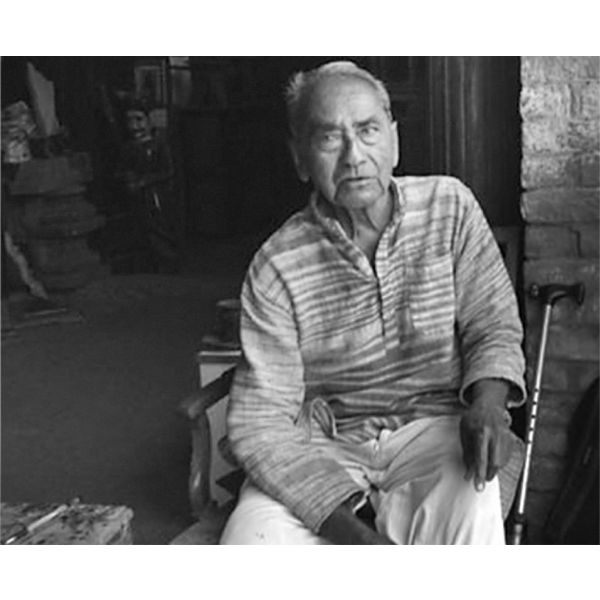 ArtistsPiraji Sagara$0.00An early Indian abstractionist who forged his own vocabulary, distinct from the dominant forces that gripped India’s art community in the early years of Independence, Piraji Sagara came to be known for his collages made of wood relief amalgamated with abstract paintings. Learn More
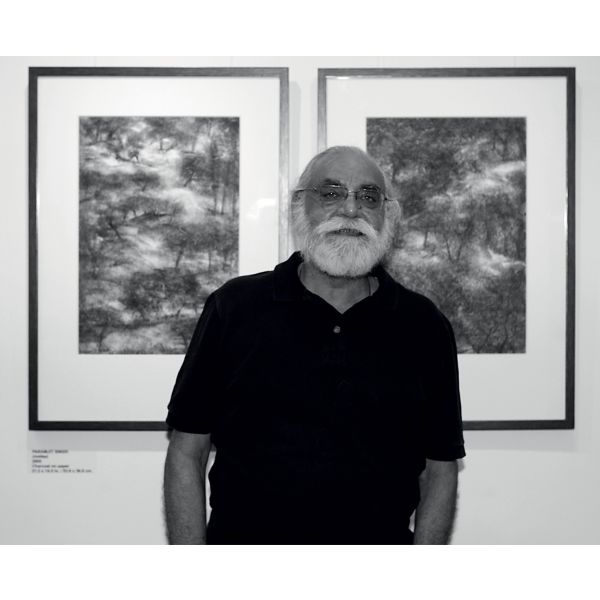 ArtistsParamjit Singh$0.00Born in Amritsar on 23 February 1935, Paramjit Singh studied art at Delhi Polytechnic from where he completed a diploma in 1958. About a decade later, he went to Norway to study printmaking at Atelier Nord. Learn More
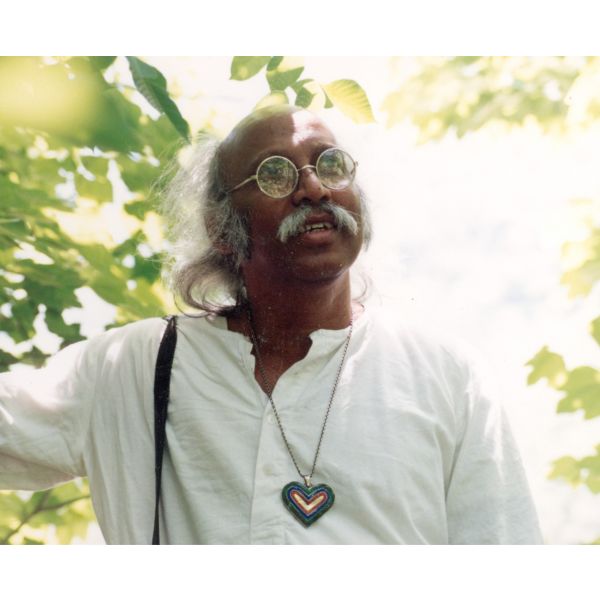 ArtistsP. Khemraj$0.00Hailing from an artistic family based in Bombay, P. Khemraj was fascinated with manifestations of all things fine in every aspect of life. On completion of his training in drawing and painting at Sir J. J. School of Art, Bombay, Khemraj, a fine violinist, left for New Delhi to learn the sitar from Pandit Ravi Shankar. Learn More
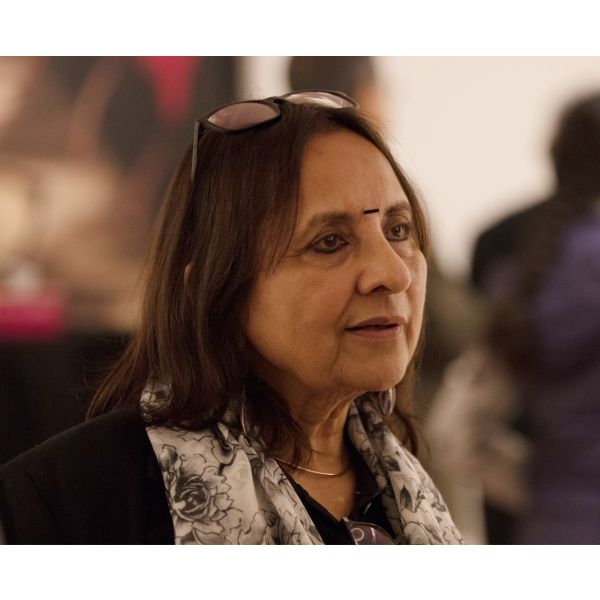 ArtistsNavjot$0.00Born in Meerut, Navjot Altaf studied fine and applied arts at Sir J. J. School of Art, Bombay, from 1967-72. A painter, sculptor, installation artist, and filmmaker inspired by Marxist ideologies, Navjot has consciously questioned various frameworks of social norms and created art to bring focus to the plight of the depressed classes. Learn More
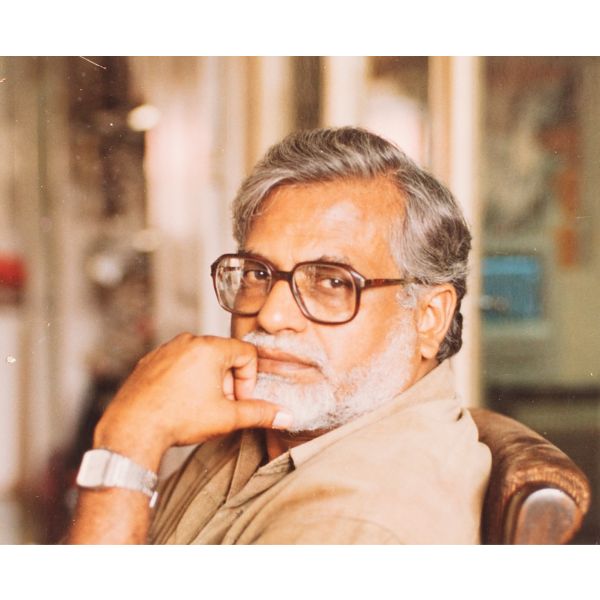 ArtistsManu Parekh$0.00Born in Ahmedabad, Gujarat, Manu Parekh studied at Sir J. J. School of Art, Bombay. With influences as varied as Arshile Gorky, Roberto Matta, S. B. Palsikar and Rabindranath Tagore, Parekh has always sought to explore his inner landscape through art. Learn More
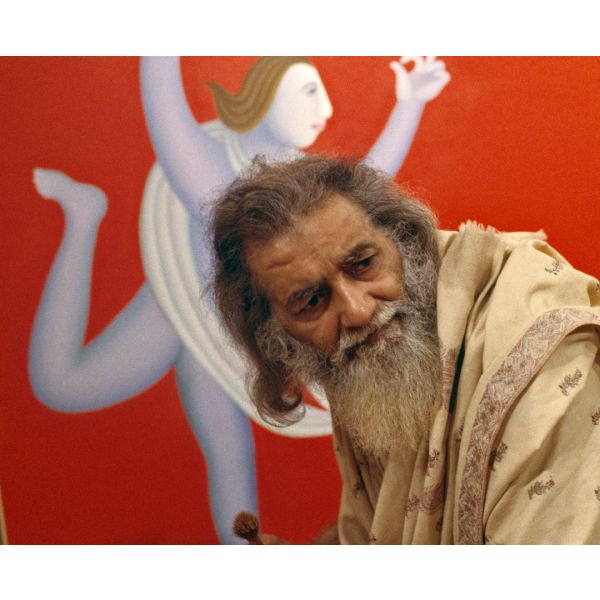 ArtistsManjit Bawa$0.00Born in Dhuri, Punjab, Manjit Bawa was encouraged by his brothers to pursue art and he studied at Delhi Polytechnic from 1958-63 under eminent artist-teachers Somnath Hore, Dhanraj Bhagat, B. C. Sanyal, and Abani Sen. He moved to England in 1964, where he worked as a silkscreen printmaker and studied at London School of Painting. Learn More
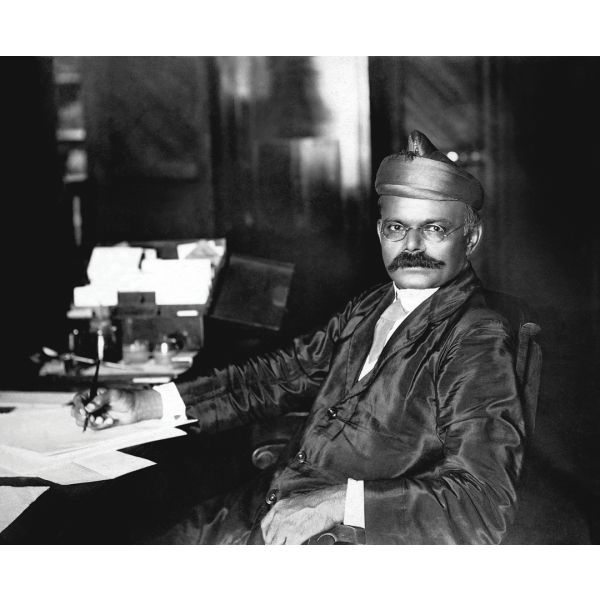 ArtistsM. V. Dhurandhar$0.00Possibly the most popular academic Indian artist after Raja Ravi Varma, M. V. Dhurandhar was born in Kolhapur. An early interest in drawing led his father to admit him to Sir J. J. School of Art, Bombay, where he received special encouragement from its principal, John Griffiths. Learn More
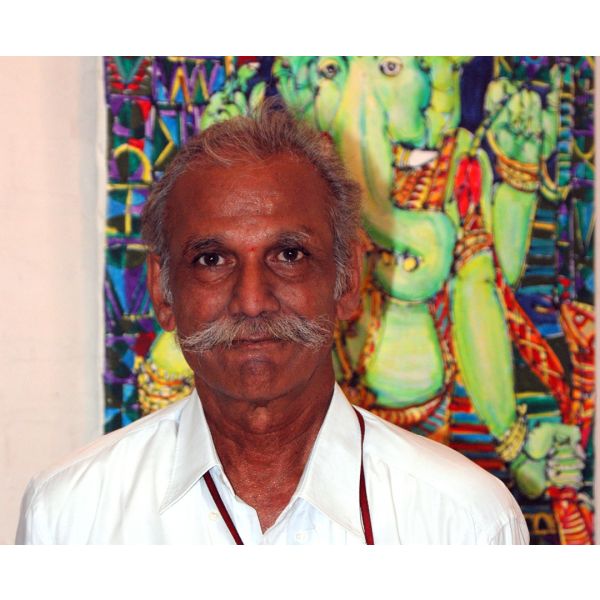 ArtistsM. Suriyamoorthy$0.00An important artist of the Madras Group that synthesised modernism by melding Indian traditions with Western modernist techniques under the direction of K. C. S. Paniker, M. Suriyamoorthy’s visual language employed emphatic regional and folk imagery. Learn More
 ArtistsM. S. Joshi$0.00Born in Nashik, Maharashtra, M. S. Joshi studied at Sir J. J. School of Art, Bombay, in the 1930s. Joshi combined his training in academic realism with a sense of vitality, precision and aesthetics to reveal India’s rich cityscapes and landscapes in his watercolour and gouache works. There was immense depth in the rendering of his subjects, which included people, places, architectural elements, all done in a subdued yet textured palette. Learn More
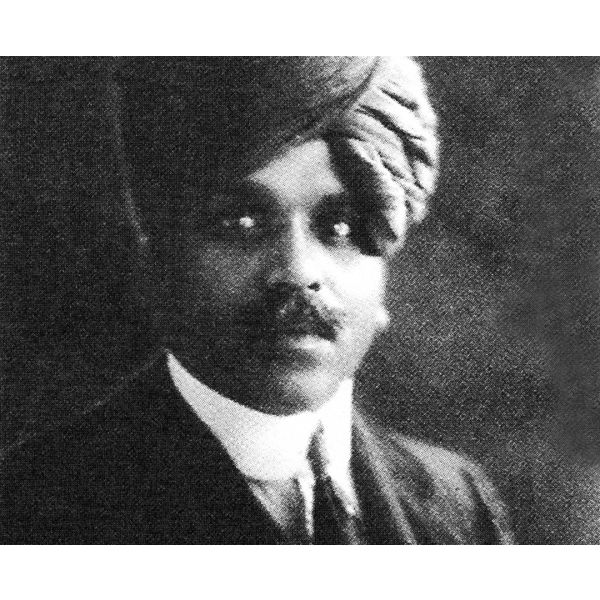 ArtistsA. M. Mali$0.00A. M. Mali was born in Kolhapur, Maharashtra, to a professional artist-father who painted mythological illustrations on the walls of local temples. Mali’s initial training in painting was under the well-known landscape artist Abalall Rahiman. Learn More
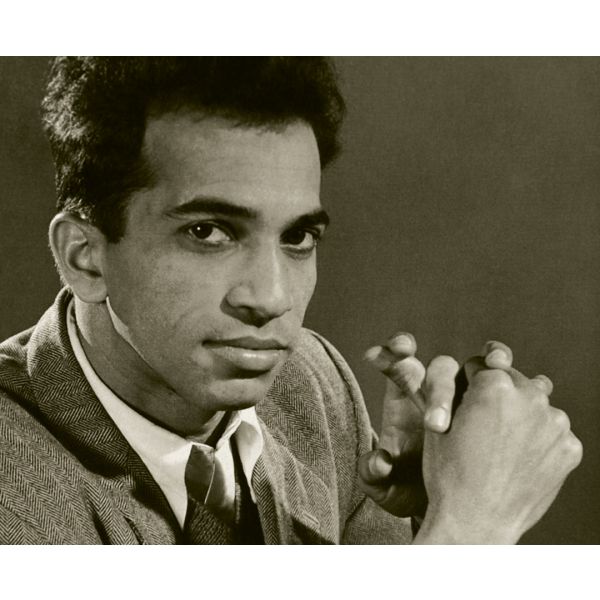 ArtistsLaxman Pai$0.00Born in Margao, Goa, on 21 January 1926, Laxman Pai studied and later taught at Sir J. J. School of Art, Bombay. He participated in Mahatma Gandhi’s Satyagraha movement against the British rule that led to his imprisonment. Later, he participated in the movement to liberate Goa from centuries of Portuguese rule. Learn More