Search results for: 'cosa è la R E A'
-
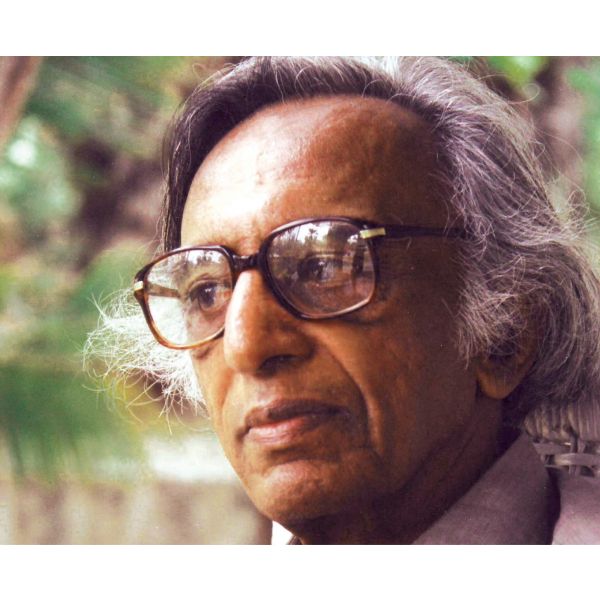 ArtistsTyeb Mehta$0.00It is ironical that works by Tyeb Mehta, who did not attach much merit to the financial value of art, were the first by a living Indian artist to sell for more than Rs 1 crore, and, soon, for more than a million dollars, indicating a beginning of interest in Indian art in the international market. His works Celebration, Kali and Mahishasura marked the beginning of the boom in the Indian art market at the start of this century. Learn More
 -
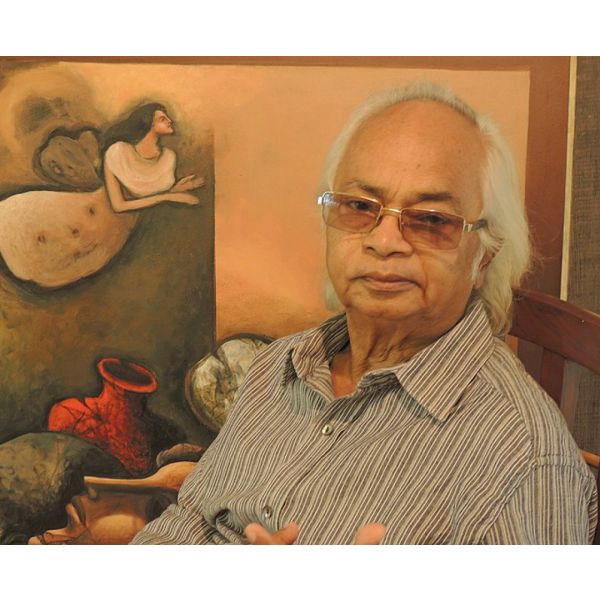 ArtistsJagadish Dey$0.00Born in Sylhet in present-day Bangladesh, painter and graphic artist Jagadish Dey graduated from Delhi Polytechnic in 1963. He has been the co-founder of several artist collectives such as Group 8, The Six, and Gallery 26. Learn More
 -
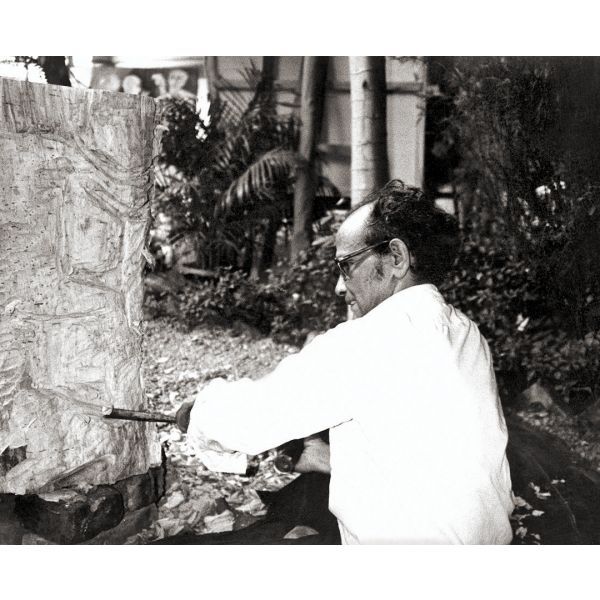 ArtistsBipin Behari Goswami$0.00Born in Calcutta, Bipin Behari Goswami studied at the city's Government College of Arts and Crafts, from where he graduated in 1956 with a diploma in sculpture and modelling. Learn More
 -
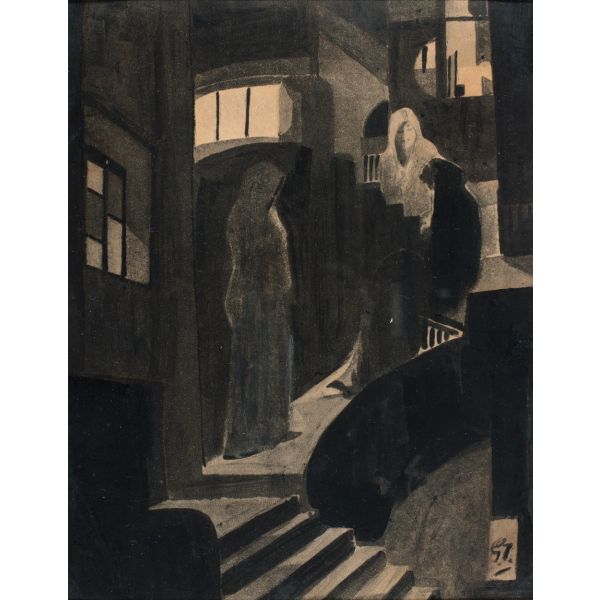 Events and ProgrammesMuseum as a Classroom: Jorasanko Thakurbari$1.00
A capacity building workshop for teachers on crafting museum-learning experiences for students at the historic house museum of the Tagore family. The workshop will focus on tools that can help make school visits to heritage sites more interactive and engaging.
Learn More -
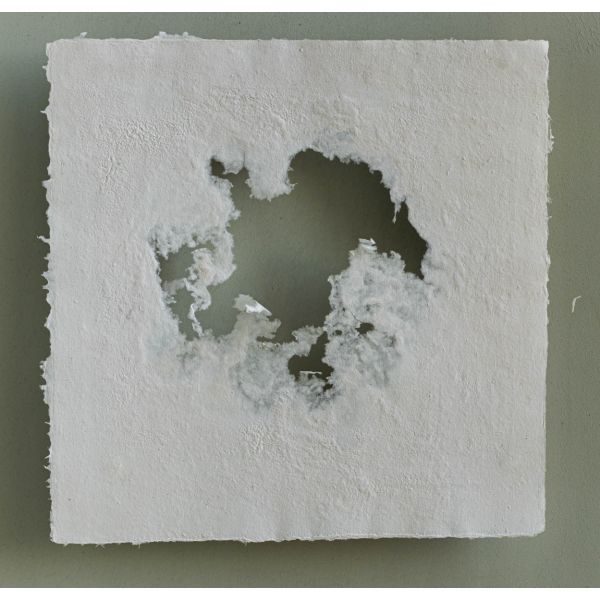 Events and ProgrammesPulp: Horizons$1.00
An interactive presentation by artist Sarmistha Bose on her contemporary engagement with pulp and natural fiber as a creative medium.
Learn More -
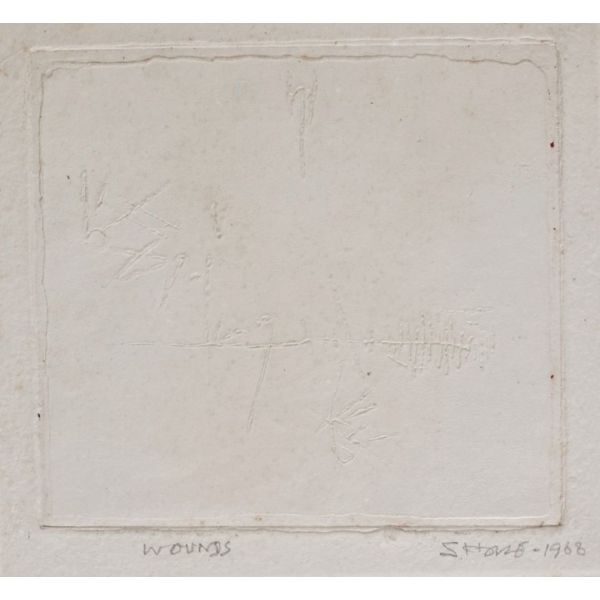 Events and ProgrammesPulp: Histories$1.00
A talk by art historian Anshuman Dasgupta, investigating Somnath Hore’s exploration of pulp as an extension of his printmaking practice, focusing on his iconic ‘Wound’ series.
Learn More -
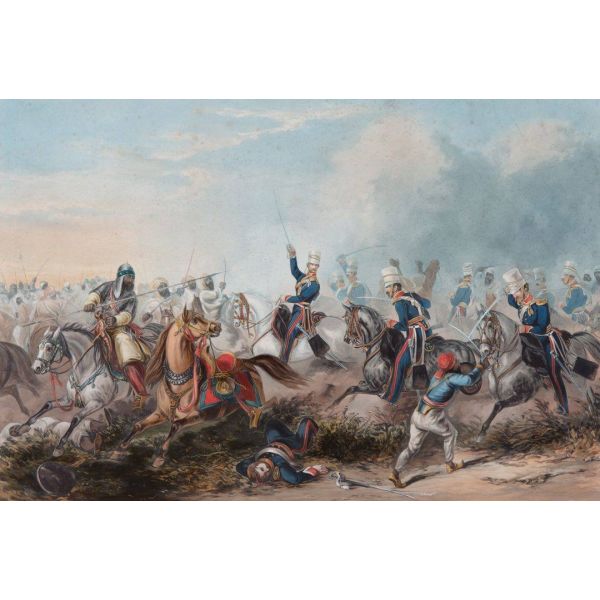 Events and ProgrammesA Question of Freedom$1.00
Based on the ‘March to Freedom’ exhibition quizmaster Aryapriya Ganguly asks questions about the journey towards Indian independence and beyond.
Learn More -
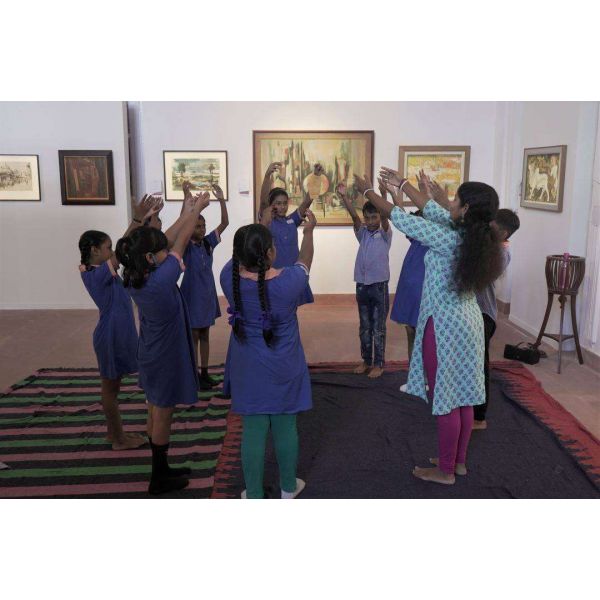 Events and ProgrammesGolpo Boli, Golpo Shono / Hear Me Out!$1.00
A storytelling festival for ages 12 and above by changemakers, activists and artists, exploring the idea of freedom from various walks of life.
Learn More -
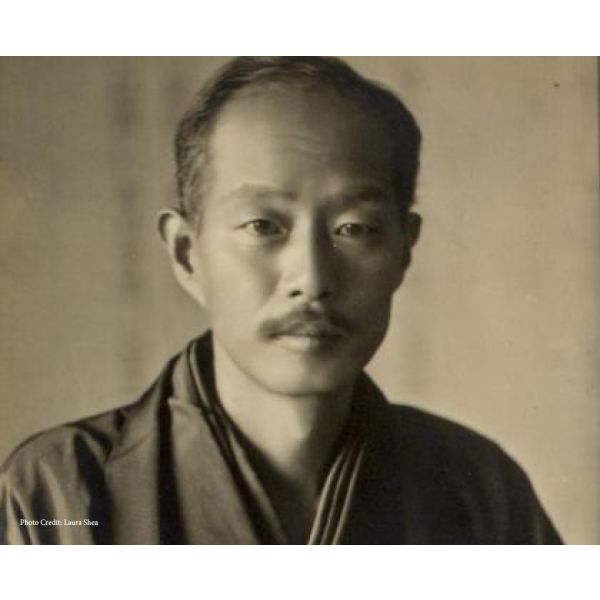 ArtistsYoshida Hiroshi$1.00
Painter-printmaker Yoshida Hiroshi, one of the leading figures of Japanese printmaking after the end of the Meiji period (1912), was born on 19 September 1876 in Kurume in Fukuoka prefecture.
Learn More -
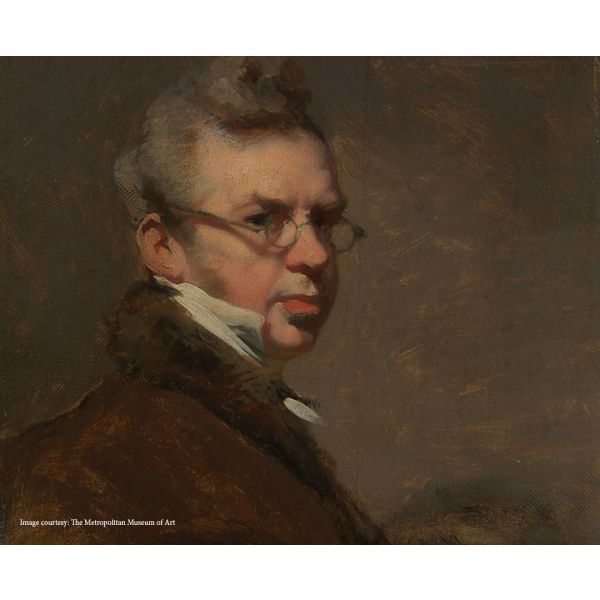 ArtistsGeorge Chinnery$0.00
English painter George Chinnery, who spent almost his entire career in the East and is today celebrated for his Oriental pictures of idyllic, daily scenes from India and China, was born in London on 7 January 1774.
Learn More -
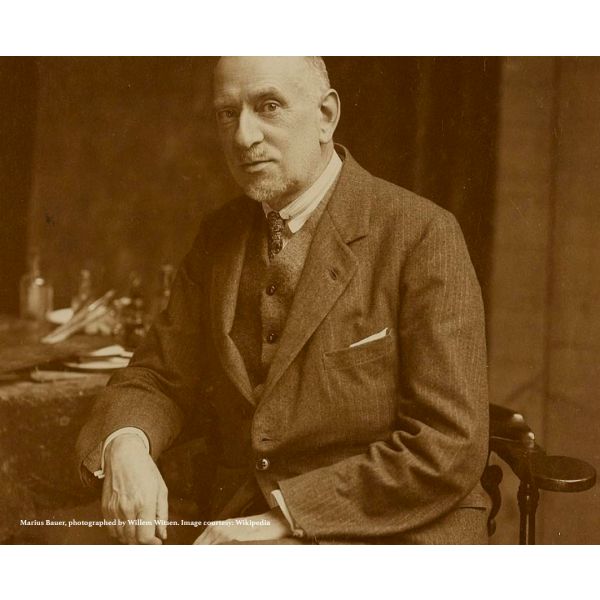 ArtistsMarius Bauer$1.00
The Dutch artist Marius Bauer was born on 25 January 1867 at The Hague, the Netherlands, to a stage painter who encouraged his son’s early interest in drawing.
Learn More