Search results for: 'where is the button on outlook to create a new email'
-
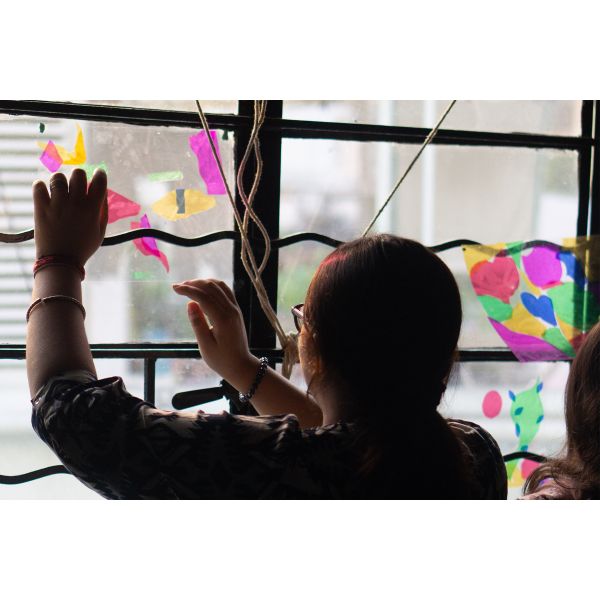 Events and ProgrammesPigment: Histories$1.00
Conversations, sketches and readings on Benode Behari Mukherjee’s practice and his experiments with pigment making, with Sampurna Chakraborty.
Learn More -
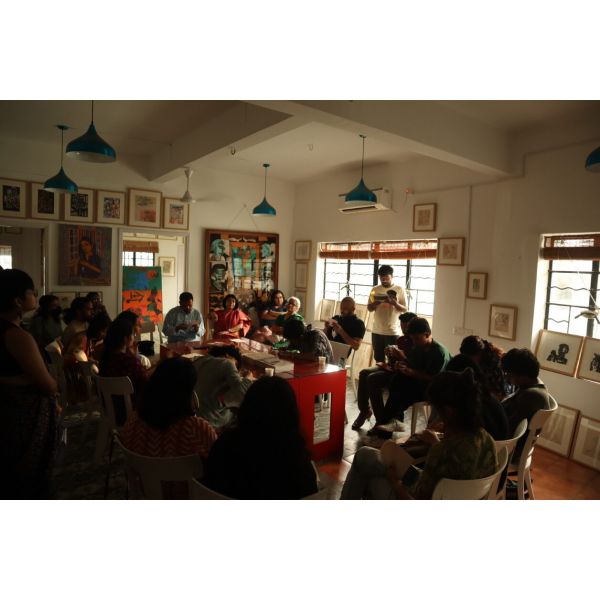 Events and ProgrammesPulp: Drawn from Life$1.00
Conversations, sketches and readings on Somnath Hore's exploration of the concept of 'Wounds' with Sampurna Chakraborty and Sarmistha Bose.
Learn More -
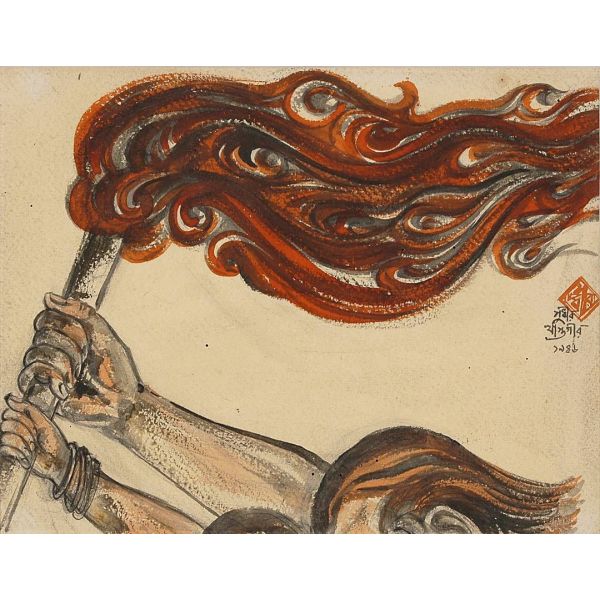 Events and ProgrammesMarch to Freedom: Curator's Take$1.00
A guided walk of the exhibition with historian Prof Aparna Vaidik, Ashoka University, and Dr Giles Tillotson, SVP Exhibitions and Publications, DAG, exploring the lesser-known narratives of the Independence movement through art.
Learn More -
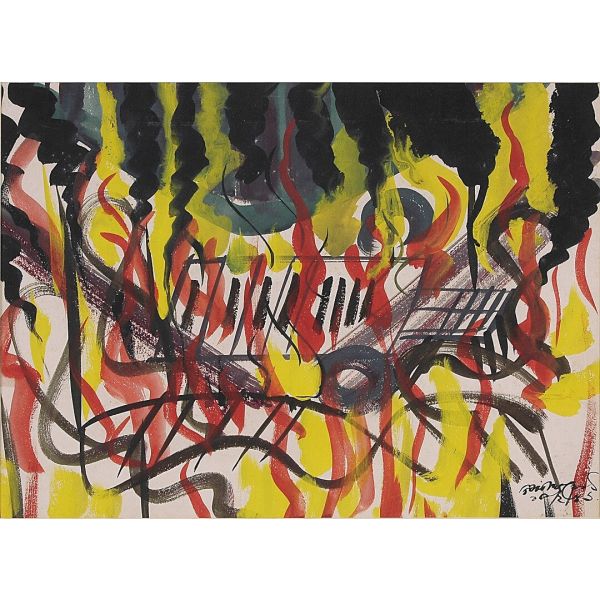 Events and ProgrammesAn Enquiry into the Freedom Movement$1.00
A workshop for middle school educators on implementing an arts-led and project-based module for learners, using artworks and archival objects from ‘March to Freedom’, DAG’s historic exhibition on the 75th year of Indian Independence.
Learn More -
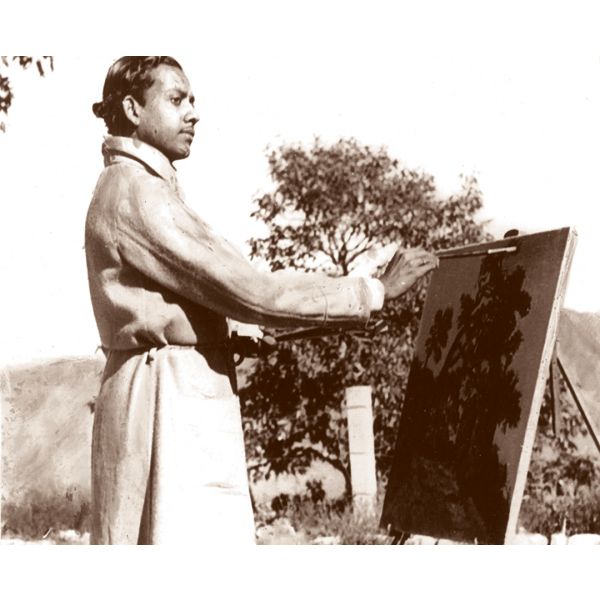 ArtistsKisory Roy$0.00Well-known for his landscape paintings, Kisory Roy was inspired to take up the arts by his father, who worked for the railways and was an occasional painter. Winning a school competition led Roy to the Government School of Art, Calcutta, where he studied from 1931-37. Under Mukul Dey, he learnt to work in several mediums like watercolour, oil, charcoal, and crayon. Learn More
 -
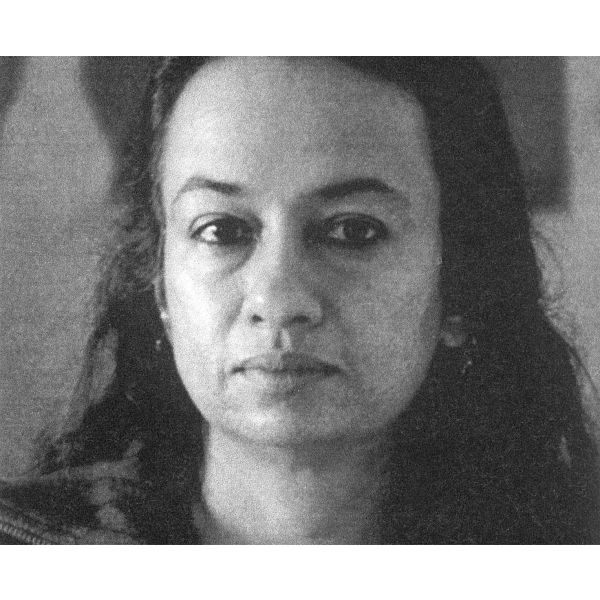 ArtistsVasudha Thozur$0.00Vasudha Thozhur is known for her conscious art practice that seeks to give expression to conflicts which humans encounter daily in a tension-ridden contemporary society. Born in Mysore on 14 October 1956, Thozhur received a diploma in painting from the College of Art and Craft, Madras, in 1972. She received a post diploma in painting from Croydon School of Art and Design, U.K., in 1982. Learn More
 -
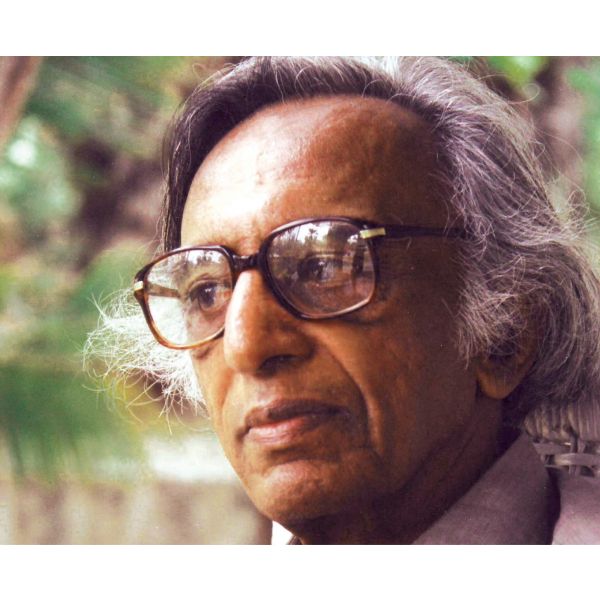 ArtistsTyeb Mehta$0.00It is ironical that works by Tyeb Mehta, who did not attach much merit to the financial value of art, were the first by a living Indian artist to sell for more than Rs 1 crore, and, soon, for more than a million dollars, indicating a beginning of interest in Indian art in the international market. His works Celebration, Kali and Mahishasura marked the beginning of the boom in the Indian art market at the start of this century. Learn More
 -
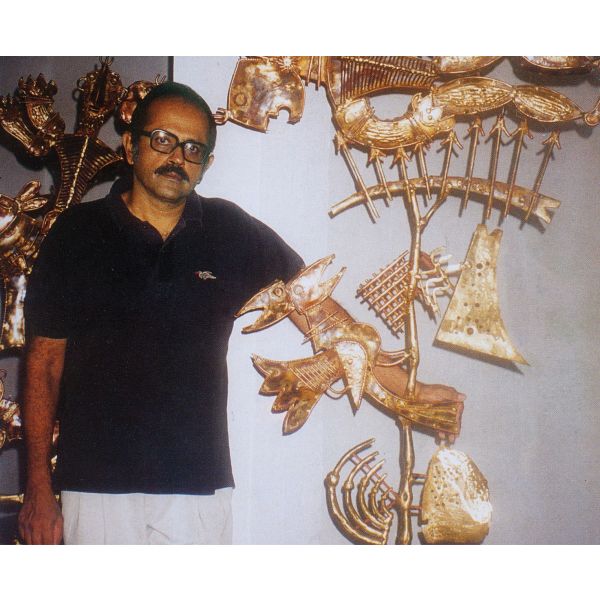 ArtistsS. Nandagopal$0.00Born in Bangalore to the illustrious K. C. S. Paniker, the father of the Madras Art Movement and the visionary behind Cholamandal Artists’ Village, S. Nandagopal’s tryst with art, unsurprisingly, began early on. Just like his father, Nandagopal’s work was a synthesis of tradition and modernity. Learn More
 -
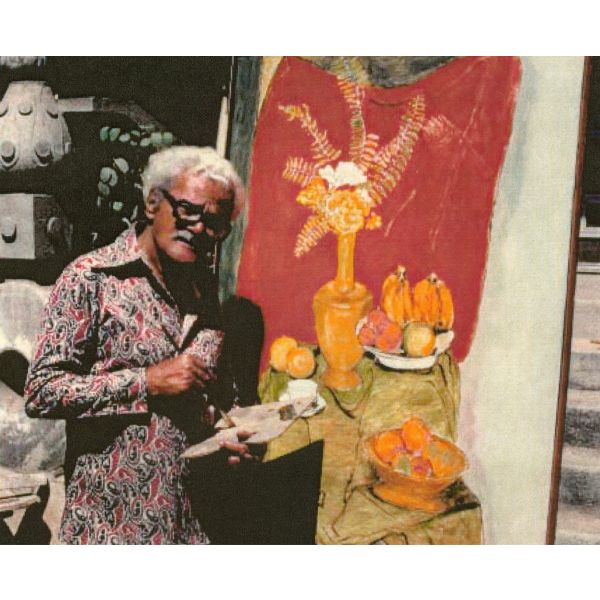 ArtistsP. T. Reddy$0.00Pakala Thirumal Reddy was born to a farmer’s family in Andhra Pradesh’s Karimnagar district. Defying his family’s opposition to art as a professional practice and fascinated with colour and form in his childhood, Reddy joined Sir J. J. School of Art, Bombay, on a scholarship, to study painting. Learn More
 -
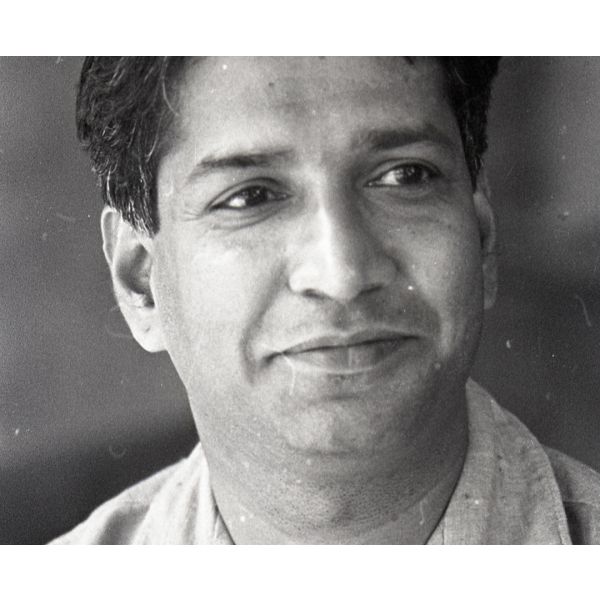 ArtistsK. G. Subramanyan$0.00Born in Kerala on 15 February 1924, K. G. Subramanyan was studying economics at the Presidency College, Madras, when he joined India’s struggle for freedom, and was imprisoned and debarred from government colleges. Learn More
 -
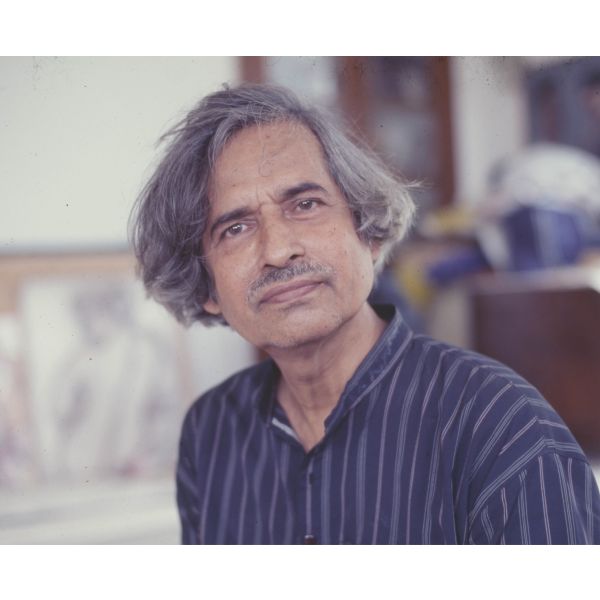 ArtistsJogen Chowdhury$0.00Born on 15 February 1939 in Faridpur (now in Bangladesh), Jogen Chowdhury’s family moved to Calcutta following the Partition. He studied art at the Government College of Art and Crafts, Calcutta, and subsequently at École Nationale Supérieure des Beaux-Arts, Paris. Learn More