


Search results for: 'Let’s Play NEW GAME C-hicken工房'
-
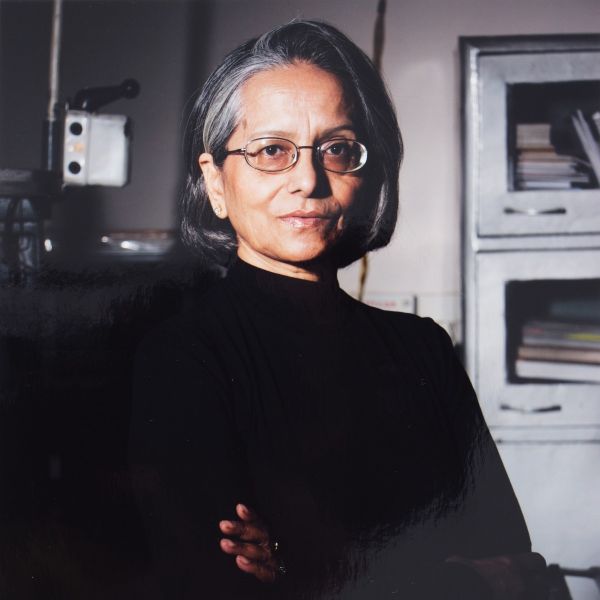 ExhibitionsAnupam SudAs low as $1.00
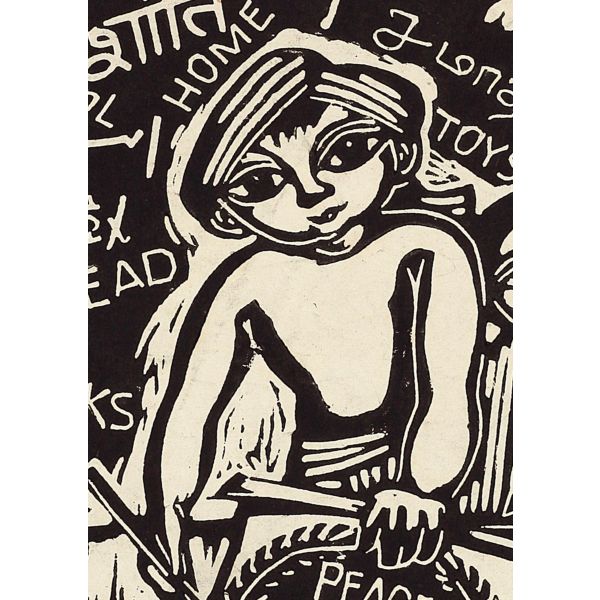
That Anupam Sud is one of the most prominent printmakers in the country is a given, even though it would be unfair to limit so versatile an artist to only being a printmaker. Indeed, her body of work includes paintings, drawings, sculpture, bookmaking—and as you will see through the pages of the book accompanying the exhibition, a record-keeper observing the passage of time with self-portraits that she has undertaken to make periodically. A role-model for generations of artists and printmakers through her work and for her influence as a teacher at the prestigious College of Art, New Delhi, Anupam Sud’s name evokes recognition around the world where she has admirers, collectors of her work, and students who have trained under her.
Learn More -
-
 ExhibitionsNavrasaAs low as $1.00
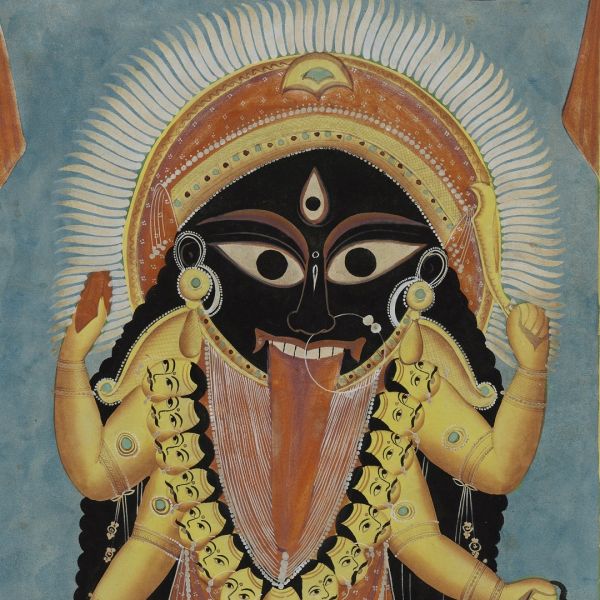
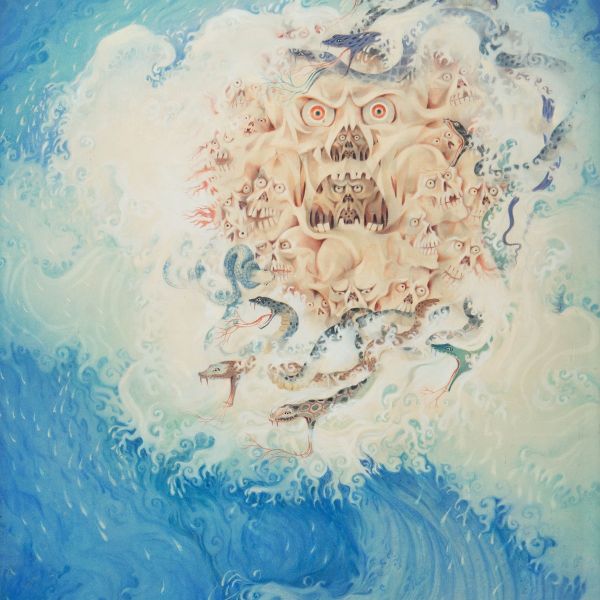
The pinwheel of emotions is the genesis of our current exhibition, 'Navrasa: The Nine Emotions of Art'. This unique treatise of emotions and moods has formed the foundation for the performing and visual arts in India. As we researched deeper to explore the dynamics it shares with Indian modern art, we found that all emotions are intrinsically linked with each other, that they trigger actions and reactions and are catalysts for change. 'Navrasa' explores Indian modernism and looks at the works of masters through the nine primary emotions, and breaks new ground in the visualisation of Indian art. Raiba A. H. Muller A. Ramachandran Altaf Amal Nath Chakladar Amit Ambalal Anonymous Anonymous (Bengal ‘School’) Anonymous (Early Bengal School) Anonymous (Early Bengal, Kalighat Style) Anonymous (Kalighat Pat Anupam Sud Arpana Caur Arun Bose Arup Das Asit Haldar B. N. Arya B. Prabha Badri Narayan Bijan Choudhury Bikash Bhattacharjee Bireswar Sen C. Douglas Chintamoni Kar Chittaprosad D. P. Roy Chowdhury Dattatraya Apte Dharamanarayan Dasgupta F. N. Souza G. Reghu Gogi Saroj Pal Gopal Ghose Gopal Sanyal Haren Das Indu Rakshit J. Sultan Ali Jagadish Dey Jai Zharotia Jamini Roy Jaya Ganguly Jogen Chowdhury Jyoti Bhatt K. C. S. Paniker K. G. Subramanyan K. H. Ara K. K. Hebbar K. S. Kulkarni Kanchan Chander Kartick Chandra Pyne Krishen Khanna Kshitindranath Mazumdar Laxman Pai M. F. Husain Madhvi Parekh Mukul Dey Navjot Nemai Ghosh Nikhil Biswas P. S. Chander Shekar P. T. Reddy Paritosh Sen Prodosh Das Gupta Prokash Karmakar Rabin Mondal Radhacharan Bagchi Raja Ravi Varma Rameshwar Broota Ranbir Singh Kaleka S. Dhanapal Sakti Burman Sanat Chatterjee Sanat Kar Satish Gujral Satish Sinha Shyamal Dutta Ray Somnath Hore Stefan Norblin Subba Ghosh Sudhir Khastgir Sukhvinder Singh Sunil Das Sunil Madhav Sen Thota Vaikuntam Tyeb Mehta V. Nageshkar
Learn More -
 JournalART IN PRINT: VIEWING PERIODICALS AT THE UTTARPARA LIBRARY$0.00
Have you wondered how people looked at paintings and photographs in the nineteenth century? For DAG’s annual Heritage Festival ‘The City as a Museum’, we explored various aspects of the city’s visual culture. As we are about to launch the DAG Journal let us revisit the walk co-led by Sarbajit Mitra and Amreeta Das at the Uttarpara Jaykrishna public library to delve into the periodical archive and trace the evolution of printed pictures in India. Flipping through the pages of these periodicals offered glimpses into the everyday habits of consuming art—from simple wood-cut and lithograph illustrations, to full plate colour reproductions of paintings and photographs, artist albums, and exquisitely ornate typography.
Learn More -
 ExhibitionsIndian LandscapesAs low as $1.00
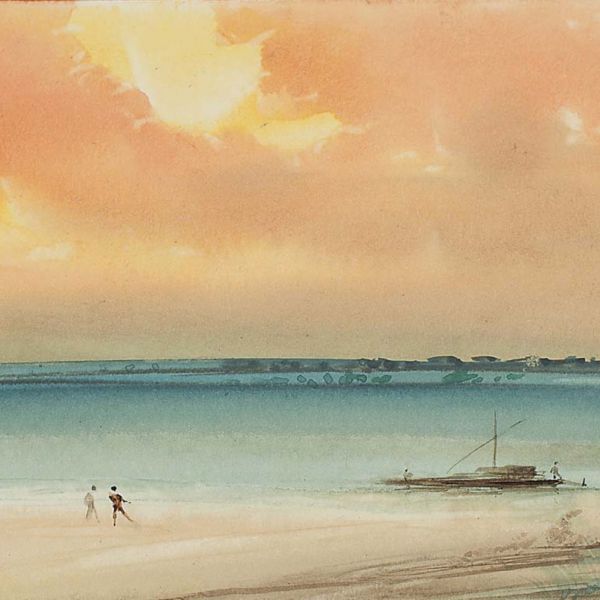
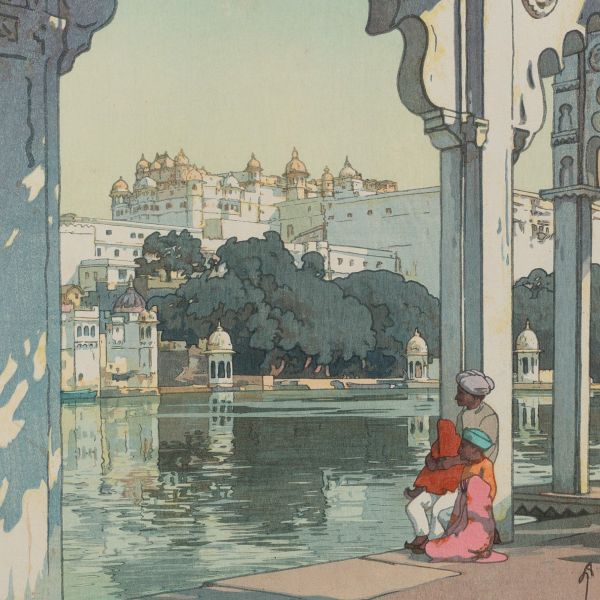
Landscape art arrived in India through travelling European artists who brought the aesthetic of painting mountains, rivers and trees against the sky and a distant horizon—nature as a subject in itself —to Indian art, where it had traditionally only formed a backdrop in narrative-driven, figural paintings. The genre remained popular throughout the nineteenth century with a great demand for landscapes of India both in Europe and among the newly anglicised elite in India. Its popularity began to wane with the advent of modernism and a growing emphasis on the human figure, but several Indian artists, a significant name among them Gopal Ghose, continued to practice the form, now absorbing a wide range of new artistic trends and influences. A.A. Almelkar Abanindranath Tagore Ambika Dhurandhar Amitava Anonymous (Company School) Anonymous (Early Bengal) Atul Bose Avinash Chandra B. C. Gue B. N. Arya Bhupen Khakhar Bijan Choudhary Bikash Bhattcharjee Bimal Dasgupta Bireswar Sen Bishnupada Roychowdhury Chittaprosad D. C. Joglekar D. J. Joshi Devraj Dakoji Devyani Krishna Dharamnarayan Dasgupta Dulal Gue E. A. Dadi Edward Cheney F. N. Souza G. R. Santosh G. S. Haldankar Ganesh Haloi Gobardhan Ash Gopal Ghose H. A. Gade Haren Das Hirachand Dugar Indra Dugar J. P. Gangooly Jamini Roy John Deschamps Jyoti Bhatt K H. Ara K. C. S. Panicker K. K. Hebba K. Laxma Gou K. S. Kulkarni Kanwal Krishna Kisory Roy Kripal Singh Shekhawat L. N. Taskar L. P. Shaw Lalit Mohan Sen Laxman Pai M. F. Husain M. V. Dhurandhar Manishi Dey Mukul Dey N. R. Sardesai N. S. Bendre Nandalal Bose Nikhil Biswas Olinto Ghilardi P. Khemraj Paramjit Singh Pestonji E. Bomanji Prokash Karmakar Prosanto Roy Radha Charan Bagchi Raja Ravi Varma Ram Kumar Ramendranath Chakravorty Ramkinkar Baij Ranen Ayan Dutta Richard Barron Robert Grindlay S. G. Thakur Singh S. K. Bakre S. L. Haldankar Satish Sinha Sudhir Khastgir Sunil Das Thomas Daniell William Carpenter William Hodges
Learn More -
-
 ExhibitionsGogi Saroj Pal: The Feminine UnboundAs low as $1.00
Gogi Saroj Pal, seen often as one of the first ‘feminist’ women painters in modern Indian art, has consistently explored the condition and inner life of women. Women’s lives, their desires and compulsions, and the complex and magical world of the feminine have been Gogi’s frequent subjects. In her work, Gogi explores and responds to the vast reserve of myths, fables and lore that abound in India, interested in excavating, in particular, its religious and literary traditions. She traces and frequently creates new mythical/celestial female beings of great strength and potency, such as the Hathyogini-Kali—skilled yoga practitioner and potent female force—who assert themselves in a modern landscape where women are frequently denied agency.
Learn More -
 Art FairsThe Armory Show$0.00
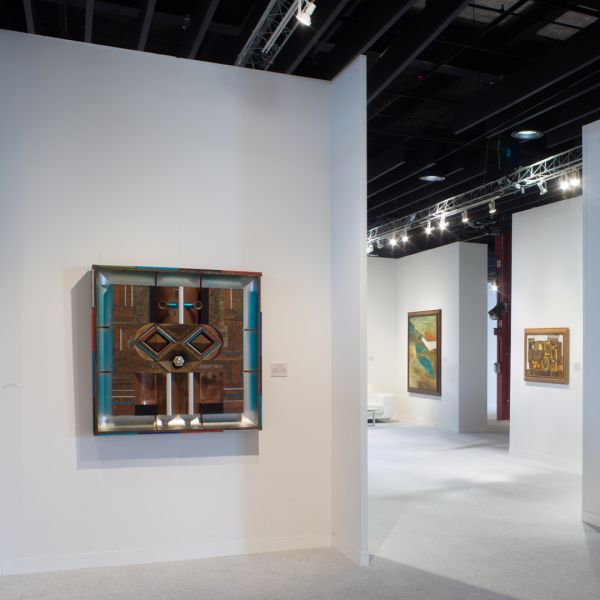
New York’s popular Armory Show required DAG to put forth its most emphatically modernist artists. These included several who had been fellows of the John D. Rockefeller III Fund and would thus have a resonance among art connoisseurs in America for their language and context. Instead of concentrating on the Progressives, therefore, DAG decided to curate a selection that included works by Avinash Chandra and Natvar Bhavsar with extensive careers in New York, and an important body of works by artists such as S. H. Raza, Ram Kumar, Krishen Khanna, Paritosh Sen, and Satish Gujral, among others. Avinash Chandra Jyoti Bhatt K G Subrmanyan Krishen Khanna Natvar Bhavsar Paritosh Sen Ram Kumar Tyeb Mehta Rekha Rodwittiya S. H. Raza Satish Gujral
Learn More -
-
 ExhibitionsContinuumAs low as $1.00
Most shows at DAG take time to develop because of the quality of research and scholarship they require to mount, but even by our own exacting standards, Continuum has taken longer than most. This, a retrospective in a sense of the six artists who formed the Progressive Artists’ Group, is seminal because it is for the first time since 1950 that the six artists forming the core group have been brought together in an exhibition of their works. The Progressives have become the rallying point for the modern movement in Indian art, and are considered among the most important artists of the last and current century. Of these, M. F. Husain, F. N. Souza and S. H. Raza dominate the market. Alongside, works by their contemporaries K. H. Ara, H. A. Gade and S. K. Bakre, who have largely been seen to have underperformed in comparison, will help re-draw such distinctions and place them on the same platform as their better-known peers. It will re-define their historical importance and gain them the recognition that is their due. Maqbool Fida Husain M.F.Husain Hari Ambadas Gade Syed Haider Raza Krishnaji Howlaji Ara Sadanandji k. Bakre Francis Newton Souza
Learn More -
 Events and ProgrammesGab-Sur-Kinaar: Of Making and Playing the Tabla$1.00
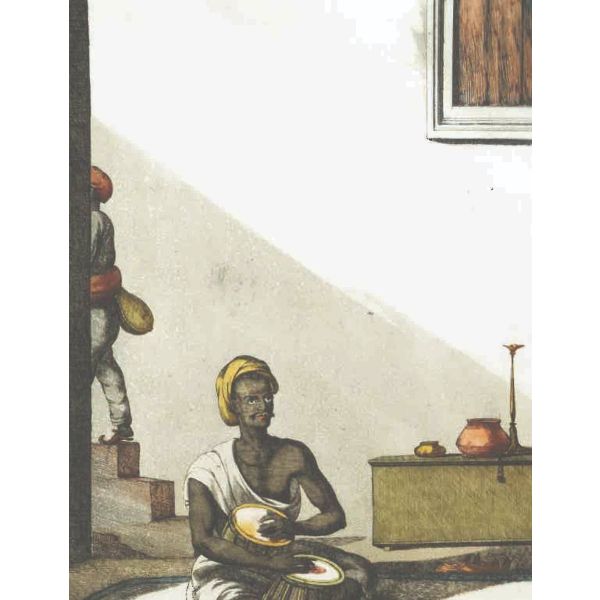
An exploration of the instrument by tabla artists, Asif Khan and Rohen Bose, followed by a concert where they are joined by Alla Rakha Kalawant on the sarangi at the Jorasanko Thakur Dalan.
Learn More -
 ExhibitionsIconicAs low as $1.00
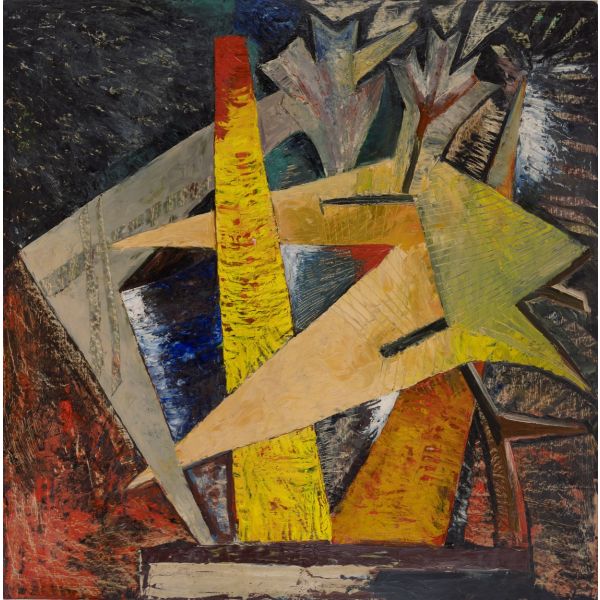
From 1797, when British artist Thomas Daniell painted his masterly landscape of Mahabalipuram, to 2003, the year Rameshwar Broota's painting pitching man against metal resulted in a powerful image, the Indian art world has seen a succession of artists and movements that have enriched its vocabulary in more ways than one. Thomas Daniell Sita Ram Early Bengal School Raja Ravi Varma Edwin Lord Weeks Marius Bauer Ustad Allah Bakhsh Studio of Bourne & Shepherd M. V. Dhurandhar Hemendranath Mazumdar M. A. R. Chughtai Nandalal Bose Jamini Roy Laxman Pai J. Swaminathan Francis Newton Souza J. Sultan Ali Rabin Mondal S. H. Raza K. K. Hebbar Akbar Padamsee Tyeb Mehta K. H. Ara S. K. Bakre Bireswar Sen Nirode Mazumdar Shanti Dave Gulam Rasool Santosh Madhvi Parekh Satish Gujral Bikash Bhattacharjee Maqbool Fida Husain Meera Mukherjee Rameshwar Broota
Learn More