Search results for: 'cartel para despedida de un niño de ultimo dia en el jardin se va del pais'
-
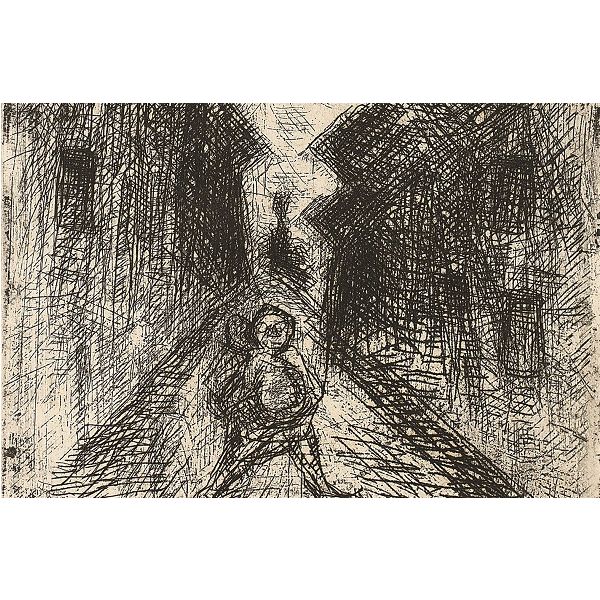
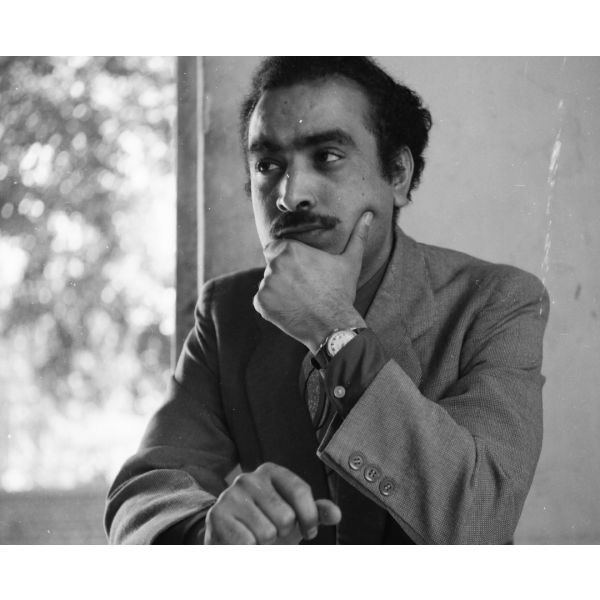 ArtistsG. R. Santosh$0.00Born Gulam Rasool Dar in a Shia Muslim family in Srinagar in Kashmir on 20 June 1929, the artist took on his wife’s Hindu name ‘Santosh’ as his own, in a move opposing patriarchy and religion. His father’s death forced a young Gulam to work as a signboard painter, papier-mâché artist, and weaver. He learnt to paint watercolour landscapes from Dina Nath Raina in Kashmir before studying under N. S. Bendre at M. S. University, Baroda, on the recommendation of S. H. Raza. In Baroda, he produced a large body of figurative and landscape works, mainly in the cubist style. Learn More
 -
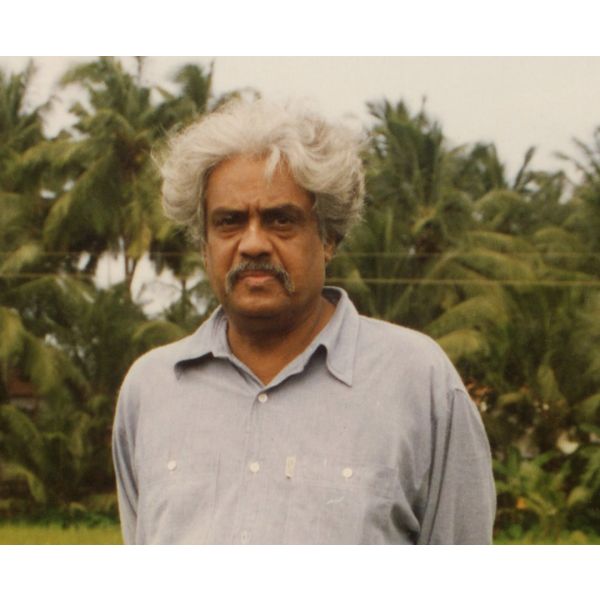 ArtistsA. Ramachandran$0.00Achutan Ramachandran Nair, popularly known as A. Ramachandran, was born in 1935 in Attingal, Kerala. He studied Malayalam literature before pursuing art at Kala Bhavana, Visva-Bharati University, Santiniketan. Under the tutelage of Nandalal Bose and Ramkinkar Baij, he developed both the muralist’s monumentality of scale and the intimate ambit of the miniaturist. Learn More
 -
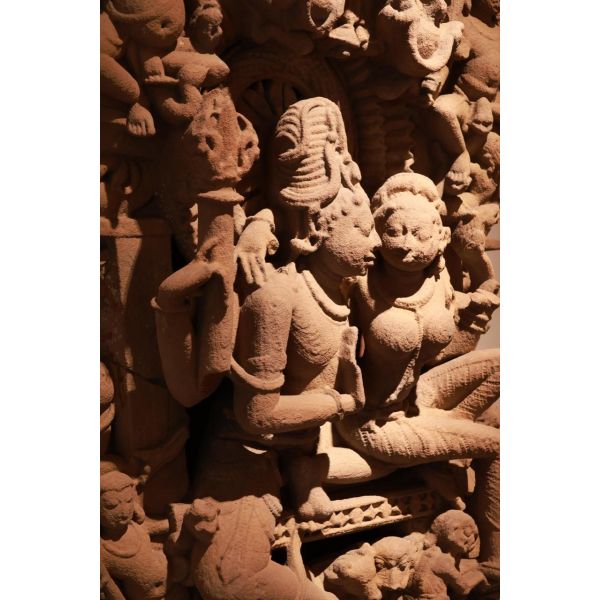
 JournalSketching a Temple: Nandalal Bose’s Konark album$0.00
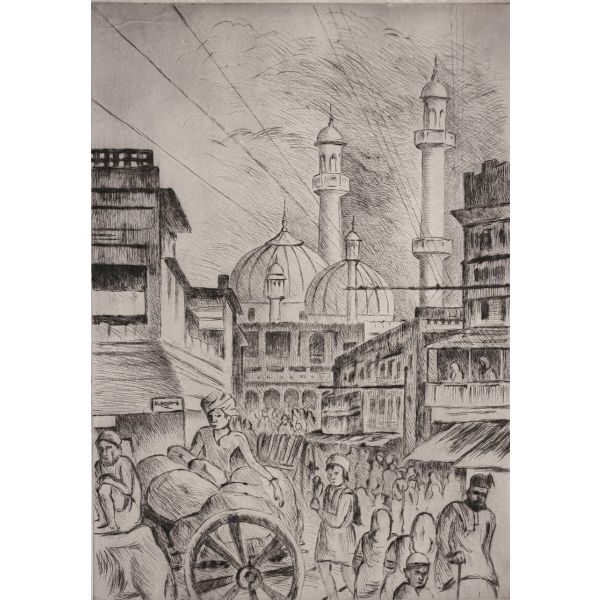
One of India’s nine national treasure artists, Nandalal Bose (1882—1966) forged a long and glittering career as the foremost artist-pedagogue bridging the late-colonial period and the first few decades after Indian independence. He maintained an active drawing practice throughout his life, with many small sketches done on postcards that he carried around with him as a sort of visual notebook.
Learn More -
-
-
-
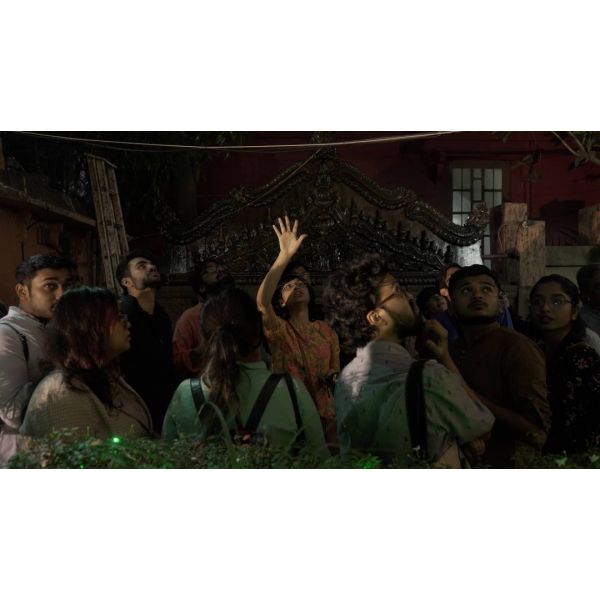 Events and ProgrammesLiving with Science$1.00
A walk by researcher Namrata Ghosh on the history of the house museum at Acharya Bhavan and the Bose Institute, focusing on J.C. Bose’s unique collection of iconic Bengal art.
Learn More -
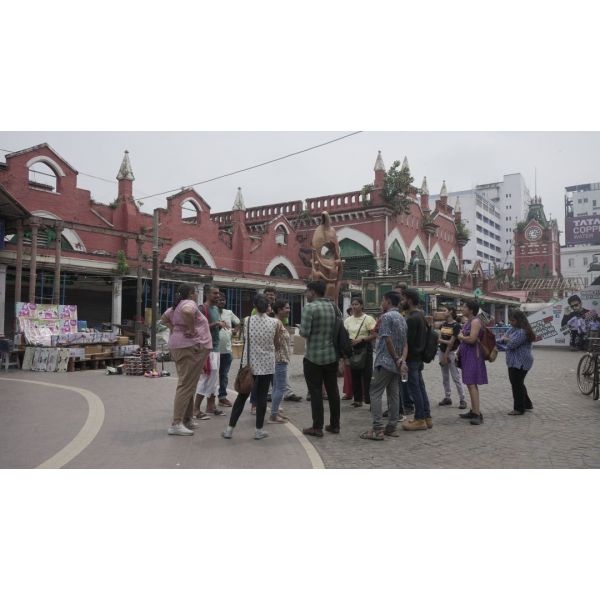 Events and ProgrammesCrossing the Midnight Hour$1.00
A guided walk by urban history researcher Sujaan Mukherjee, uncovering the forgotten histories of monuments and sites around the Indian Museum, and their changing fates after Independence.
Learn More -
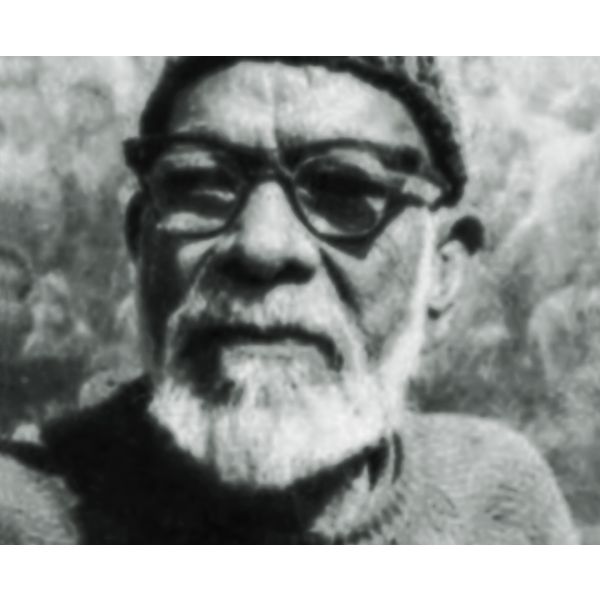 ArtistsAllah Bux$1.00
Ustad Allah Bux was born in Wazirabad in the Punjab province of undivided India (in present-day Pakistan) in the early 1890s.
Learn More -
-
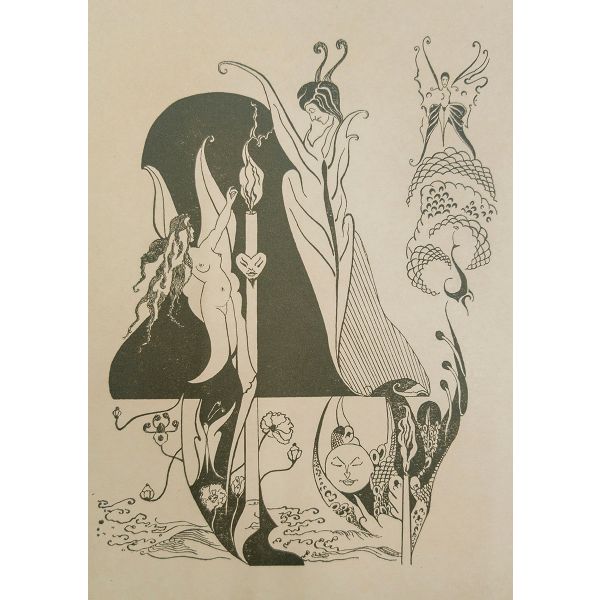 Collection StoriesThe Three Indian Illustrators of the Rubaiyat: A book transcending cultures and time$1.00
The Rubaiyat of Omar Khayyam by Edward FitzGerald is an anthology of four-line verses first published in 1859. The poems were inspired by Persian quatrains credited to Omar Khayyam (1048-1131), which became a global phenomenon at the turn of the twentieth century. The first edition of FitzGerald’s Rubaiyat has been uniquely published over 3700 times, and the verses translated over 1000 times.
Learn More