


Search results for: '120% PSYCHEDELIC TRANCE-GERMANY S.U.N. PROJECT'
-
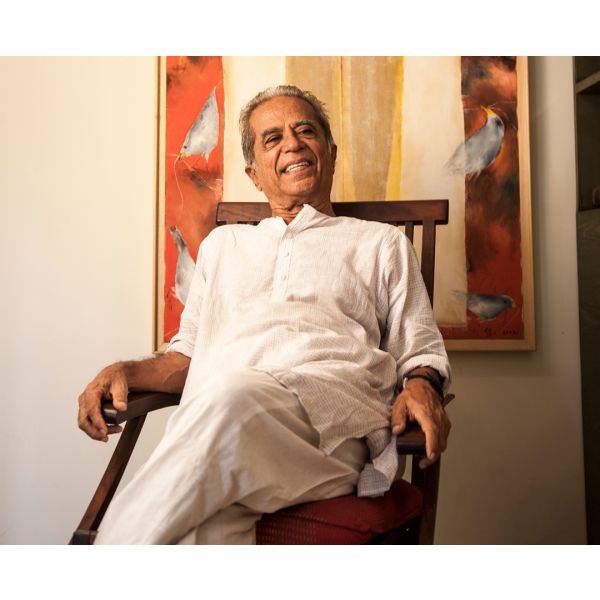 ArtistsHaku Shah$0.00Born on 26 March 1934 in the village of Valod, Gujarat, Haku Shah absorbed deeply the way of life, culture and beliefs of the pastoral and the folk, which he amply manifested in his works. This understanding also moulded him into a cultural anthropologist who brought global academic focus on tribal and folk arts and culture of India. Learn More
 -
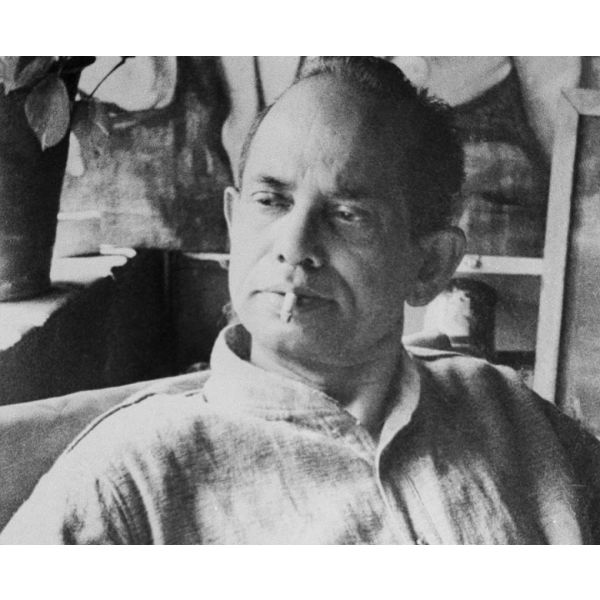 ArtistsAbani Sen$0.00An artist who died with the brush in his hand like a true devotee of his profession, Abani Sen graduated from the Government School of Art, Calcutta, under Percy Brown. Learn More
 -
 Art FairsIndia Art Fair$0.00
This exemplary themed exhibition at DAG’s booth at the India Art Fair 2018 was a masterclass in Indian art dedicated to the nine National Treasure artists. This declaration in the decade of the 1970s was intended to identify artists whose contribution had national significance. Even though the selection appears arbitrary and argumentative, the nine artists cannot be faulted for the quality of their work and the role they played in segueing the pre-independence freedom movement with their role and responsibility as artists. Nandalal Bose Sailoz Mookherjea Abanindranath Tagore Jamini Roy Amrita Sher-Gil Rabindranath Tagore Gagnendranath Tagore Nicholas Roerich Raja Ravi Varma
Learn More -
 Art FairsArt Dubai$0.00
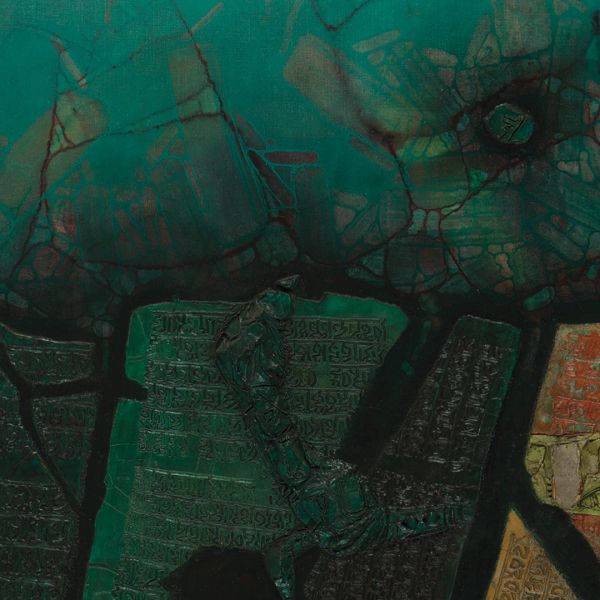
Shanti Dave’s abstracts resemble—at first—the familiar and the unknown. There are writings, figures, deities, forms and shapes that resonate with what we seem to know. If the language is indecipherable, perhaps it belongs to some ancient texts lost to history. Is this his ode to a civilisation that existed in the past, or a prophesy of one to come? Is it a world hidden underwater? Or perhaps one alien to us because it comes from some other planet? Are these tombstones, or markers, of some mythological or historical realm?
Learn More -
 Art FairsMasterpiece$0.00
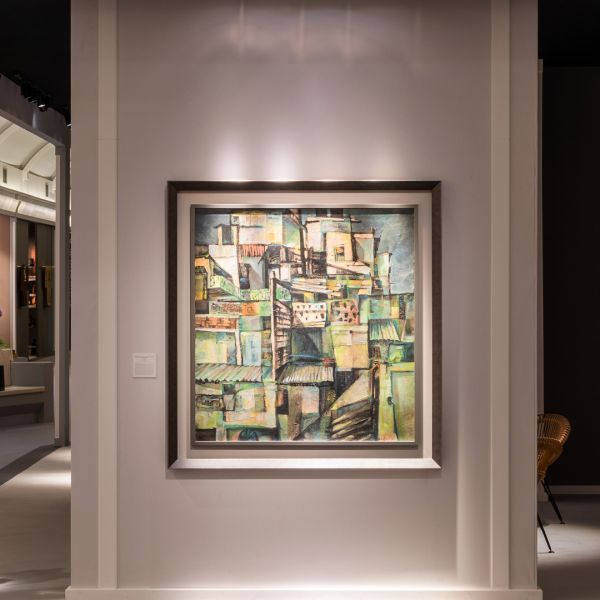
For its fourth consecutive outing at Masterpiece London, DAG continued with the tradition of showing artists who had grown in appeal at the city’s truly cross-collecting ‘masterpiece’ fair, but with enough surprises to interest even the most fair-hardened visitor. From a large and vivid G. R. Santosh to a collection of small-sized Bireswar Sen watercolours, the selection was sensitively curated keeping in mind the cosmopolitan nature of London city and the visitors to the fair. Along with the Progressives, the exhibition included one of the finest sculptures created by Adi Davierwalla, remarkable paintings by Tyeb Mehta, Bikash Bhattacharjee, J. Sultan Ali, Avinash Chandra, and Hemen Mazumdar. As always, the emphasis in the booth lay in creating a rarefied visitor experience in which a handful of works allowed visitors to enjoy them at leisure without causing visual fatigue. The response was overwhelming. G. R. SANTOSH BIRESWAR SEN MADHVI PAREKH S. H. RAZA F. N. SOUZA TYEB MEHTA J. SULTAN ALI DHANRAJ BHAGAT BIKASH BHATTACHARJEE AVINASH CHANDRA SHANTI DAVE ADI DAVIERWALLA SATISH GUJRAL HEMEN MAZUMDAR SOHAN QADRI BIREN DE
Learn More -
 Art FairsExpo Chicago$0.00
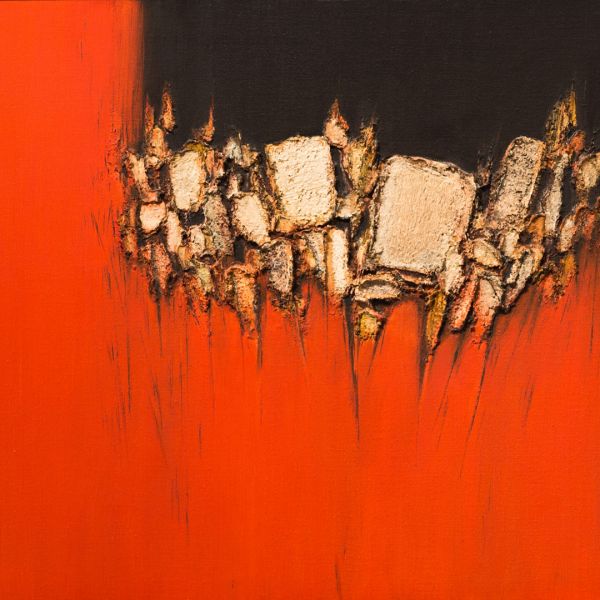
The midwestern city of Chicago hosts one of America’s most important art fairs—Expo Chicago—in which DAG participated in an attempt to introduce Indian moderns to the diaspora there as well as to art-lovers in general. To introduce art to this midwestern population, DAG picked on well-established names from the Indian art marquee. This included the National Treasure artist Jamini Roy whose works outside India are a rarity since they cannot be exported. Others included the Progressives F. N. Souza and M. F. Husain, New York-based printmakers Krishna Reddy and Zarina Hashmi (both now deceased) and artist Natvar Bhavsar, abstractionists Sohan Qadri and G. R. Santosh, a rare sculpture by Prodosh Das Gupta, and a body of other modernists representing the diverse range of works created by Indian artists in the twentieth century. A suite of small format watercolour landscapes by Bireswar Sen was a highlight of the booth. Avinash Chandra Bireswar Sen Chittaprosad F N Souza F N Souza G R Santosh Ganesh Pyne Jamini Roy K.S Kulkarni Krishna Reddy Laxman Pai M F Husain Madhvi Parekh Natvar Bhavsar Paritosh Sen Prodosh Das Gupta Rabin Mondal Sohan Qadri Zarina Hashmi
Learn More -
 Art FairsIndia Art Fair$0.00
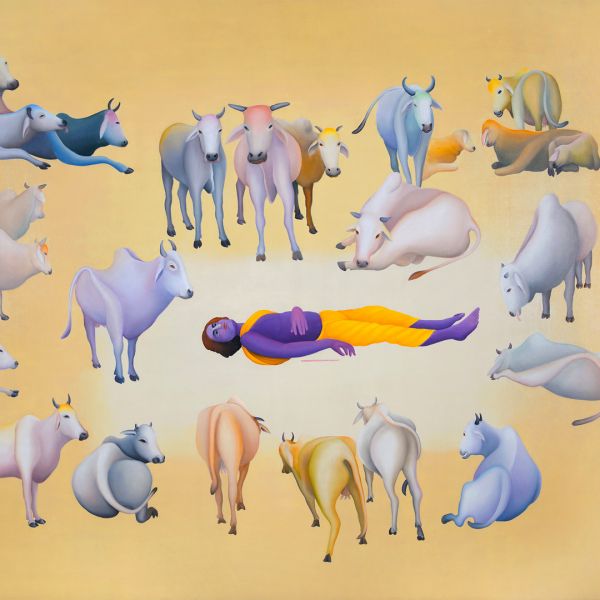
DAG’s emphasis for the 2019 edition of India Art Fair was a rarity—a selection of works of the kind visitors had not before seen. These included a glass mural by Avinash Chandra, a medium the artist loved but which had never before been shown in India; a large mural by Mrinalini Mukherjee; an artist’s chair by Prabhakar Barwe; evocative works by Hemendranath Mazumdar, Manjit Bawa, and Tyeb Mehta; powerful paintings by F. N. Souza, M. F. Husain, Rabin Mondal, and Krishen Khanna; exemplary abstract paintings by Ram Kumar, Shanti Dave, Sohan Qadri, J. Swaminathan, and G. R. Santosh; and other equally powerful artworks including a double-sided sculpture by Meera Mukherjee.
Avinash Chandra F N Souza G R Santosh Hemendranath Majumdar J Swaminathan Krishen Khanna M F Husain Madhvi Parekh Manjit Bawa Meera Mukherjee Mrinalini Mukherjee Paritosh Sen Prabhakar Barwe Rabin Mondal Ram Kumar S H Raza S K Bakre Shanti Dave Sohan Qadri Tyeb Mehta
Learn More -
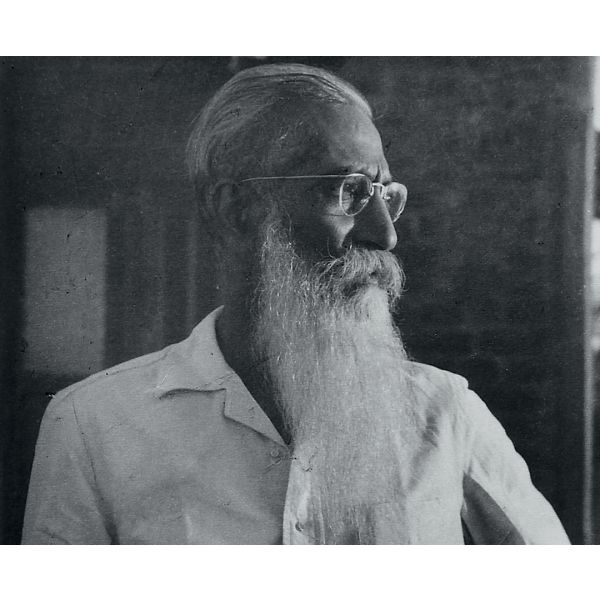 ArtistsBaburao Painter$0.00Born to a family of artists in Kolhapur, Maharashtra, on 3 June 1890, Baburao Painter was a self-taught artist who excelled in both oil painting and sculpture. His skill in painting earned him the nickname ‘Painter’. His excellence in traditional sculpture is evident in the large statue he made of Mahatma Gandhi, installed in Kolhapur. Learn More
 -
 Events and ProgrammesMappa theke Manchitra$1.00
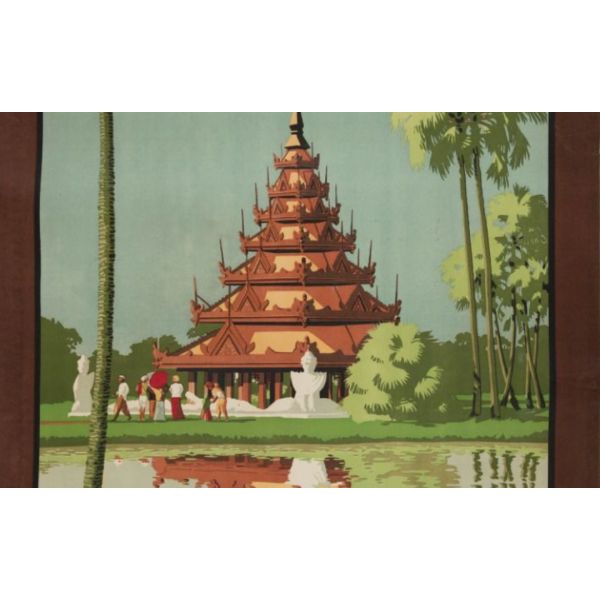
A guided walk of the first free circulating public library of India—Uttarpara Public Library—with researcher Sarbajit Mitra, traversing the history of regional literary cultures, and sifting through their vast archive to delve into the vibrant world of illustrated periodicals in colonial Bengal, followed by a poetry reading by Sujoy Prasad Chatterjee.
Learn More -
 Events and ProgrammesMosaic Metropolis$1.00
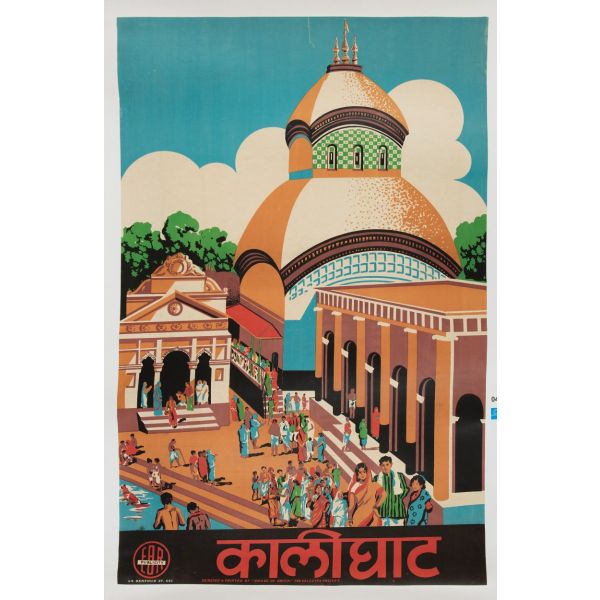
A hop-in hop-off trail through the Calcutta underground metro rail, exploring the story of the murals that adorn the metro stations and enliven the everyday commute of millions of people.
Learn More -
 Art FairsArt Mumbai$0.00
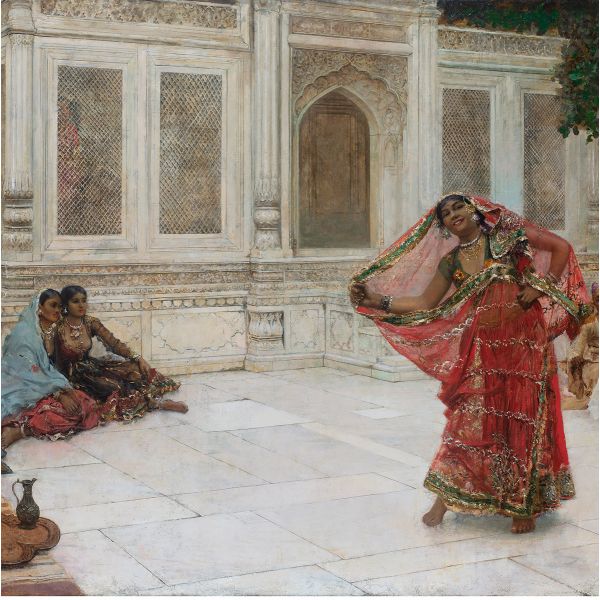
As in previous editions, ‘Iconic Masterpieces’ allows viewers to experience the pinnacles of Indian art through its lens of quality, historicity, and rarity—to which the element of surprise adds an unexpected piquancy. An ‘Iconic’ exhibition from DAG is like a museum tour where the best Indian art can be enjoyed through a lively and perceptive curatorial eye that acknowledges and helps extend our knowledge of it.
Learn More -
 Events and ProgrammesAssemblage: Horizons$1.00
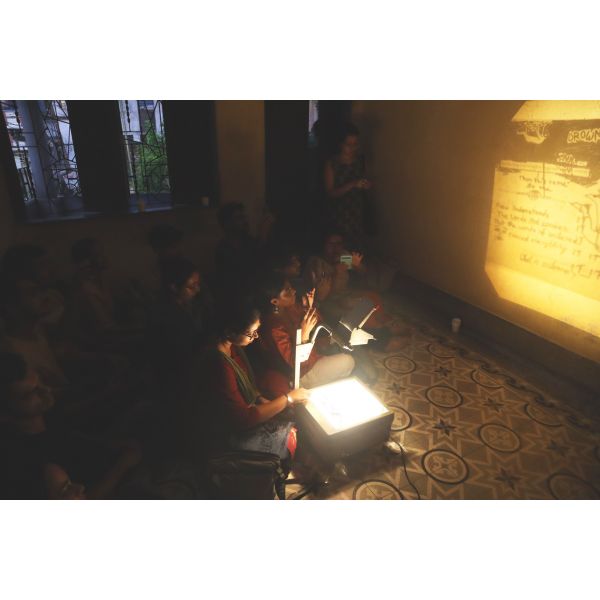
A visit to the chilekotha studio of contemporary artist Ushnish Mukhopadhyay to witness his experiments with assemblage through fragmented images and disassociated objects.
Learn More