Search results for: 'national art education foundation grant'
-
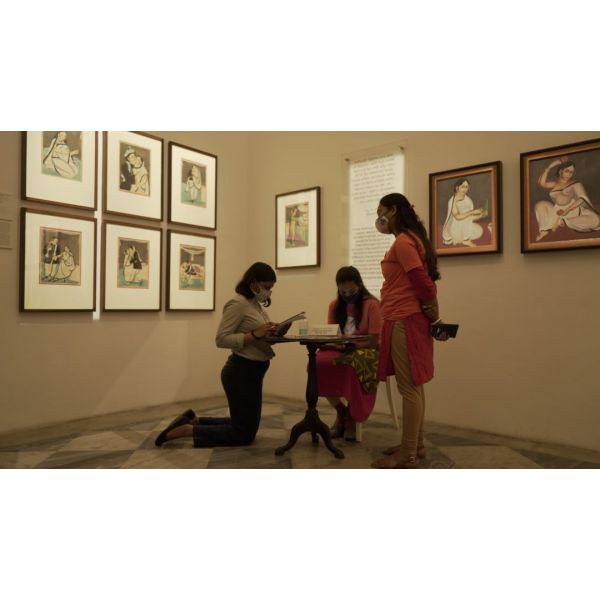 Events and ProgrammesMuseum Ambassadors$1.00
An experiential learning and apprenticeship programme for high school students in collaboration with arts education organisations, offering them a first-hand experience of working in a museum, learning about the art and history, and translating their learnings to develop museum experiences for their peers.
Learn More -
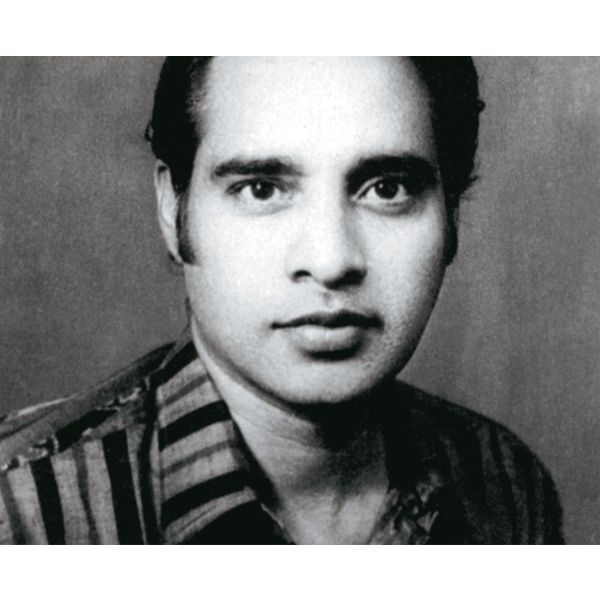 ArtistsM. Reddeppa Naidu$0.00Born in a village in the East Godavari district of Andhra Pradesh, Reddeppa Naidu acquired his formal education in Kakinada and later studied at the Government College of Art and Craft, Madras, where he was mentored by K. C. S. Paniker. He held his first exhibition in Madras in 1958. Learn More
 -
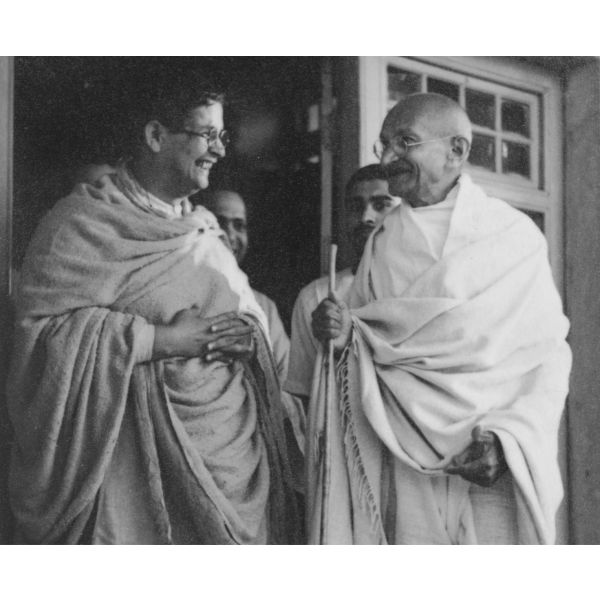 ArtistsNandalal Bose$0.00Nandalal Bose’s growth as a painter is closely associated with the Tagore family. Hailing from Munger in Bihar, Bose was fifteen when he came to Calcutta to continue his education, where his passion for art ultimately took him to the Government College of Arts and Crafts, to be groomed by Abanindranath Tagore from 1905-10. Learn More
 -
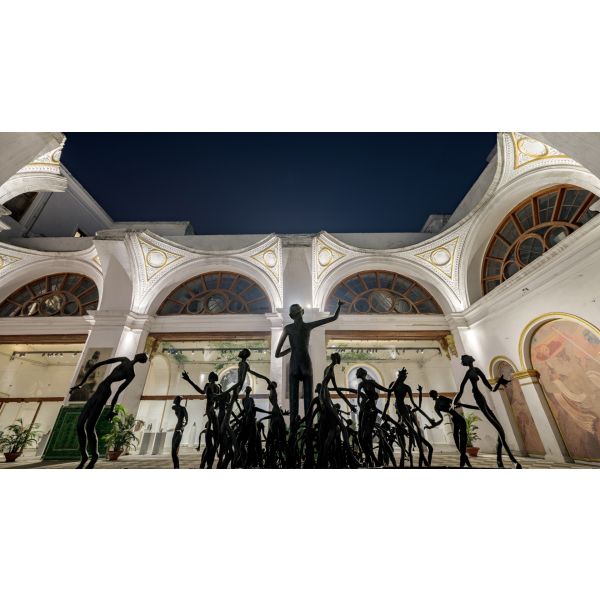 Institutional CollaborationsGhare Baire: The World, the Home and Beyond 18th – 20th Century Art in Bengal$1.00
Ghare Baire was a museum-exhibition showcasing over 200 years of art in Bengal. Presented by DAG in collaboration with the National Gallery of Modern Art and the Archaeological Survey of India, the exhibition was housed at the historic Currency Building, across twelve galleries featuring over 700 artworks. The exhibition was the largest showcase of Bengal Art, presenting a panoramic view of the evolution of art in a region that has been critical to the development of Indian modern art. The exhibition starts with the arrival of the travelling European artists at a time of exchange between Bengal and the world. This confluence of cultures stimulated new visual languages as we see in the Kalighat pat, the Bengal School, and the subsequent emergence of artists who fearlessly and freely experimented with form and subject, reshaping the trajectory of art in India.
Learn More -
 Collection OnlineTHE TAGORES$1.00
One of the most distinguished families in Bengal, the Tagores exercised unparalleled influence over the cultural landscape of the region. The Nobel Laureate, Rabindranath Tagore (1861 - 1941), and two of his nephews, Gaganendranath Tagore (1867-1938) and Abanindranath Tagore (1871 - 1951) were recognised as India’s National Art Treasure artists. Sunayani Devi (1875 -1962), their sister, is regarded as one of modern India’s first women painters known by name. Her lyrical paintings and embroideries often looked inward to an imagined world of fables and myths. At the turn of the twentieth century, we see Abanindranath emerging as the founder of the Bengal School as he envisioned a new Indian art that was free of colonial influence, rooted in pan-Asianism. Gaganendranath, on the other hand, was a prolific satirist and cartoonist, who imagined new forms and perspectives inspired by Cubism. Together they formed the influential Indian Society of Oriental Art in 1907, while Rabindranath’s school and university at Santiniketan would continue to shape modern art in Bengal for generations to come.
Learn More -
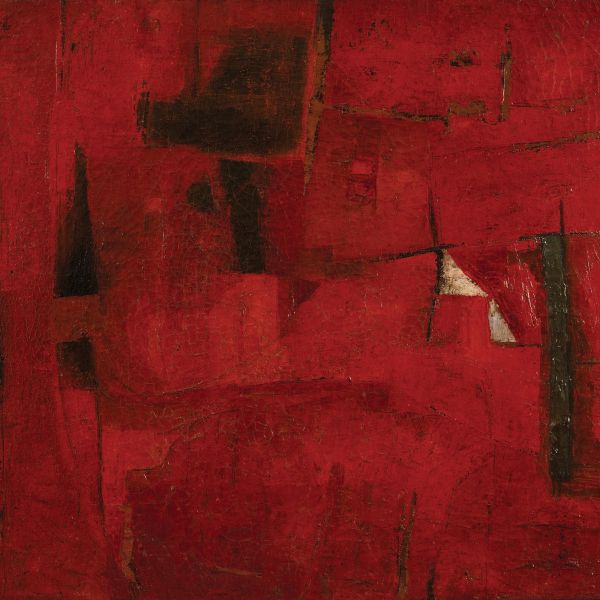 ExhibitionsIndia’s French ConnectionAs low as $1.00
This historic exhibition based on the association twenty-seven Indian artists had with art institutions, museums and art movements in Paris throws light on France as a cradle of modernism and what Indian artists gained from this relationship. Akbar Padamsee Amrita Sher-Gil Anjolie Ela Menon Arun Bose Chintamoni Kar Himmat Shah Jehangir Sabavala Jogen Chowdhury K. K. Hebbar Kanwal Krishna Krishna Reddy Laxman Pai Laxman Shrestha Nalini Malani Nasreen Mohamedi Nirode Mazumdar P. Khemraj Paritosh Sen Prodosh Das Gupta Prokash Karmakar Rajendra Dhawan Ram Kumar Sailoz Mukherjea Sakti Burman Sunil Das Syed Haider Raza V. Nageshkar V. Viswanadhan Zarina Hashmi
Learn More -
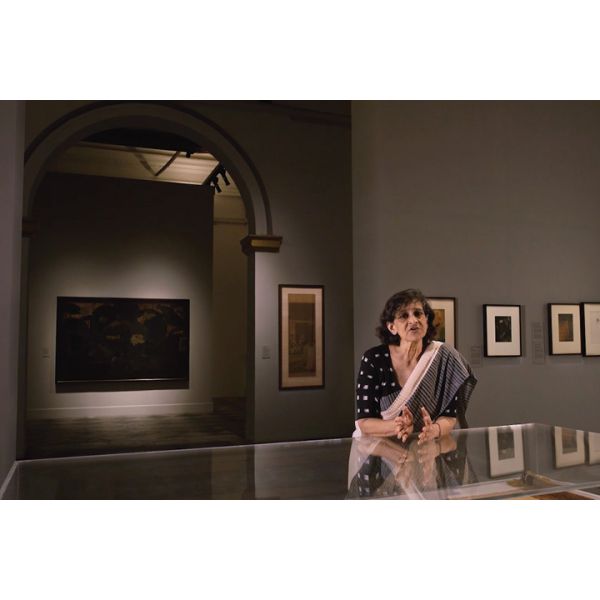 JournalThe Story of Bengal Art - Part 2$0.00
The Story of Bengal Art presents a panoramic view of the evolution of visual arts in the region. The second episode, presented by Prof. Tapati Guha-Thakurta, picks up at the turn of the 20th century, when Bengal became an important nerve-centre of India's nationalist movement. The series was shot in the majestic galleries of DAG's Ghare Baire museum-exhibition at Kolkata's Currecy Building.
Learn More -
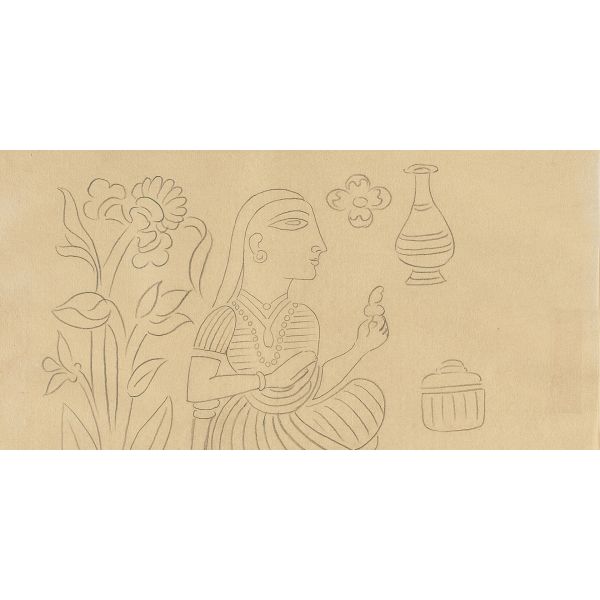 JournalSketching a Temple: Nandalal Bose’s Konark album$0.00
One of India’s nine national treasure artists, Nandalal Bose (1882—1966) forged a long and glittering career as the foremost artist-pedagogue bridging the late-colonial period and the first few decades after Indian independence. He maintained an active drawing practice throughout his life, with many small sketches done on postcards that he carried around with him as a sort of visual notebook.
Learn More -
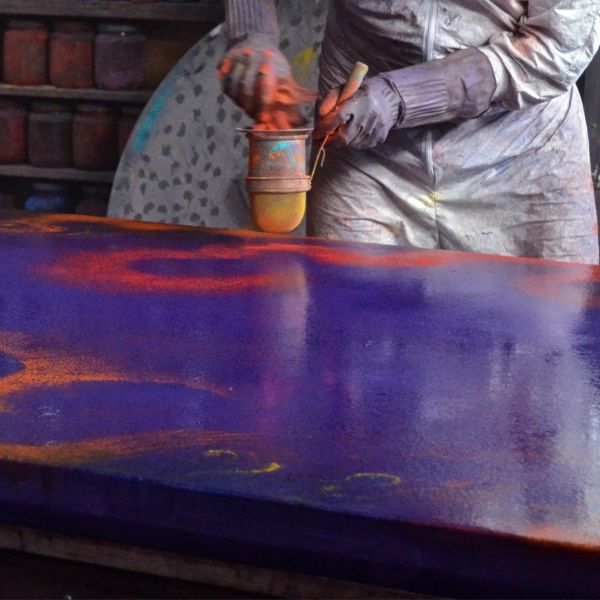 ExhibitionsNatvar Bhavsar: HomecomingAs low as $1.00
It is strange that Natvar Bhavsar, one of Indian art’s leading names, should never have been shown in India before. Having lived and worked in USA from 1962 onwards, it remains a mystery why his work has been seen in America but almost not at all in India. In spite of a few eminent collectors who have his work, Bhavsar has remained inexplicably ignored—an anomaly DAG is happy to correct with this seminal exhibition.
Learn More -
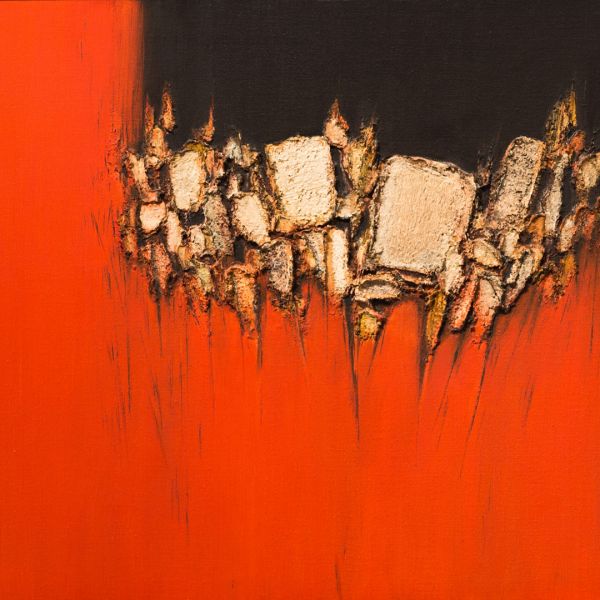 Art FairsExpo Chicago$0.00
The midwestern city of Chicago hosts one of America’s most important art fairs—Expo Chicago—in which DAG participated in an attempt to introduce Indian moderns to the diaspora there as well as to art-lovers in general. To introduce art to this midwestern population, DAG picked on well-established names from the Indian art marquee. This included the National Treasure artist Jamini Roy whose works outside India are a rarity since they cannot be exported. Others included the Progressives F. N. Souza and M. F. Husain, New York-based printmakers Krishna Reddy and Zarina Hashmi (both now deceased) and artist Natvar Bhavsar, abstractionists Sohan Qadri and G. R. Santosh, a rare sculpture by Prodosh Das Gupta, and a body of other modernists representing the diverse range of works created by Indian artists in the twentieth century. A suite of small format watercolour landscapes by Bireswar Sen was a highlight of the booth. Avinash Chandra Bireswar Sen Chittaprosad F N Souza F N Souza G R Santosh Ganesh Pyne Jamini Roy K.S Kulkarni Krishna Reddy Laxman Pai M F Husain Madhvi Parekh Natvar Bhavsar Paritosh Sen Prodosh Das Gupta Rabin Mondal Sohan Qadri Zarina Hashmi
Learn More -
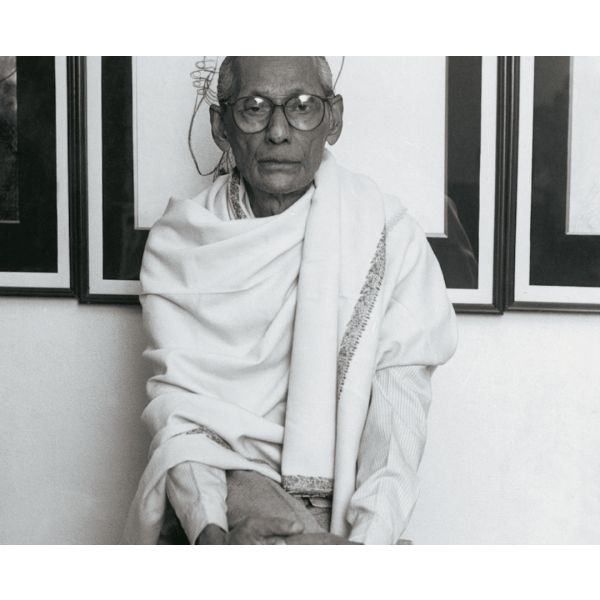 ArtistsGopal Sanyal$0.00Born into a family of classical musicians in Cuttack, Orissa, Gopal Sanyal came to Calcutta in 1948 and took a diploma in fine arts from the Government College of Arts and Crafts in 1957. A national scholarship awardee in painting for three years from the Government of India, Sanyal was a founder member of Calcutta Painters and had exhibited at its inaugural group show at All India Fine Arts and Crafts Society, New Delhi, in 1963; he was also a lecturer in fine arts. Learn More
 -