Search results for: 'Kimberly Politi. Mia goth yelling for him to get out of the bus was so annoying'
-
-
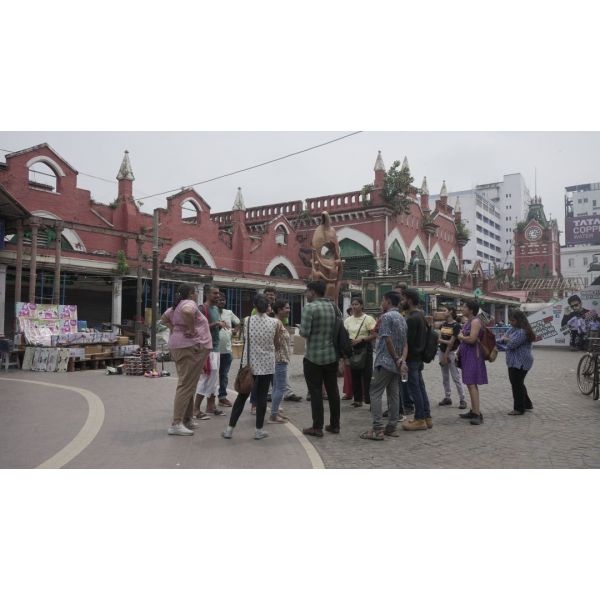 Events and ProgrammesCrossing the Midnight Hour$1.00
A guided walk by urban history researcher Sujaan Mukherjee, uncovering the forgotten histories of monuments and sites around the Indian Museum, and their changing fates after Independence.
Learn More -
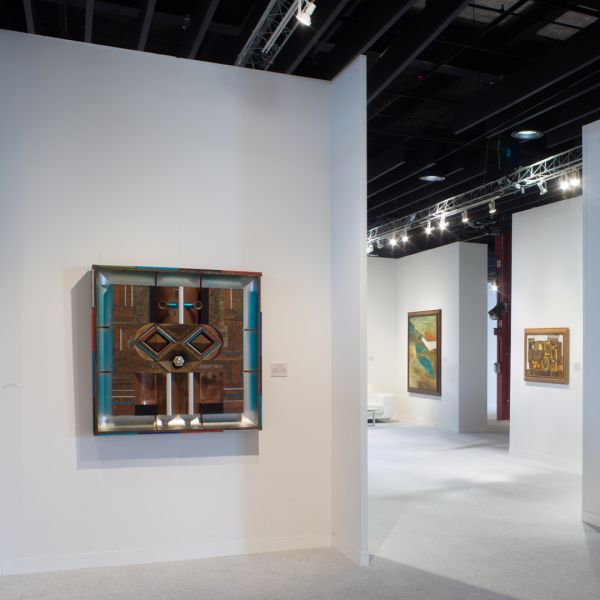 Art FairsThe Armory Show$0.00
New York’s popular Armory Show required DAG to put forth its most emphatically modernist artists. These included several who had been fellows of the John D. Rockefeller III Fund and would thus have a resonance among art connoisseurs in America for their language and context. Instead of concentrating on the Progressives, therefore, DAG decided to curate a selection that included works by Avinash Chandra and Natvar Bhavsar with extensive careers in New York, and an important body of works by artists such as S. H. Raza, Ram Kumar, Krishen Khanna, Paritosh Sen, and Satish Gujral, among others. Avinash Chandra Jyoti Bhatt K G Subrmanyan Krishen Khanna Natvar Bhavsar Paritosh Sen Ram Kumar Tyeb Mehta Rekha Rodwittiya S. H. Raza Satish Gujral
Learn More -
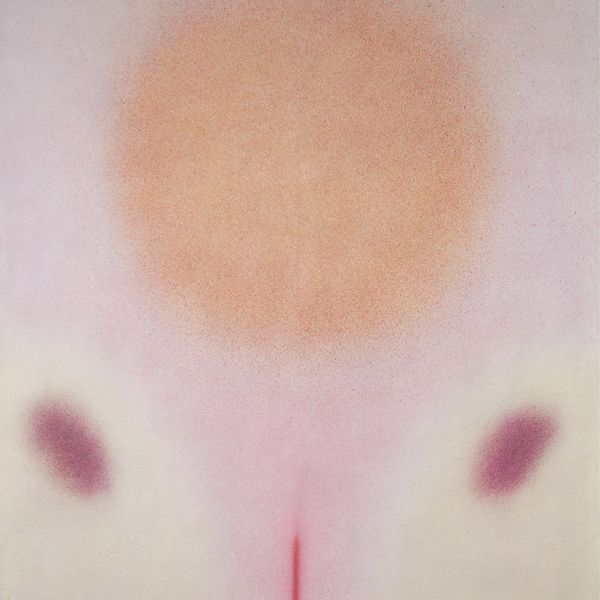
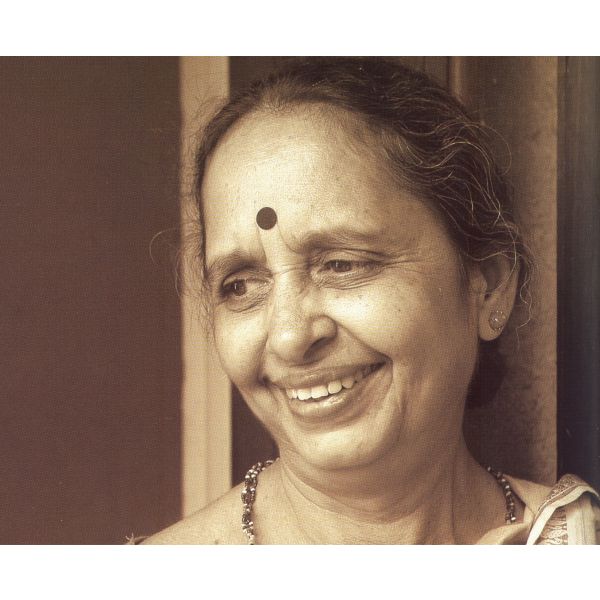 ArtistsShobha Broota$0.00Shobha Broota’s pictorial interpretation of the resonance of classical Indian ragas forms the essence of her celebrated style in which she conveys their subtle variations through minimal use of colours. Born in 1943 in New Delhi in an artistic family that inspired her to study art, Broota obtained a diploma in painting from College of Art, New Delhi, in 1964. Learn More
 -
-
-
-
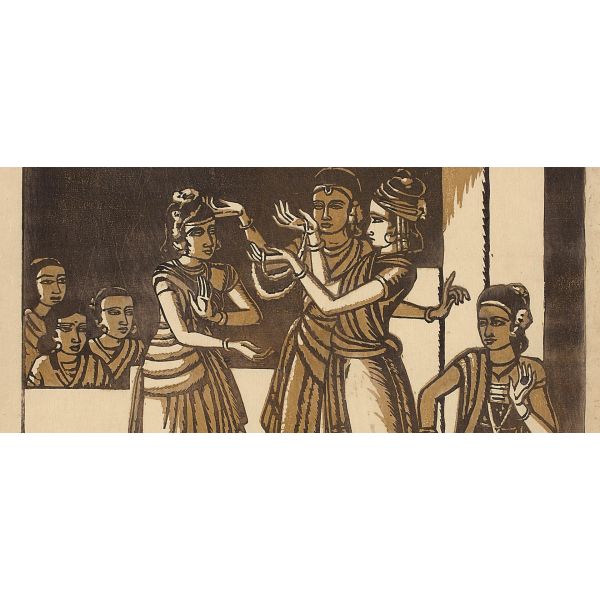 Events and ProgrammesMis-en-stage$1.00
Tracing the evolution of set design in Bengal, responding to the theatre archive at Natya Sodh Sansthan with scholar Trina Nileema Banerjee.
Learn More -
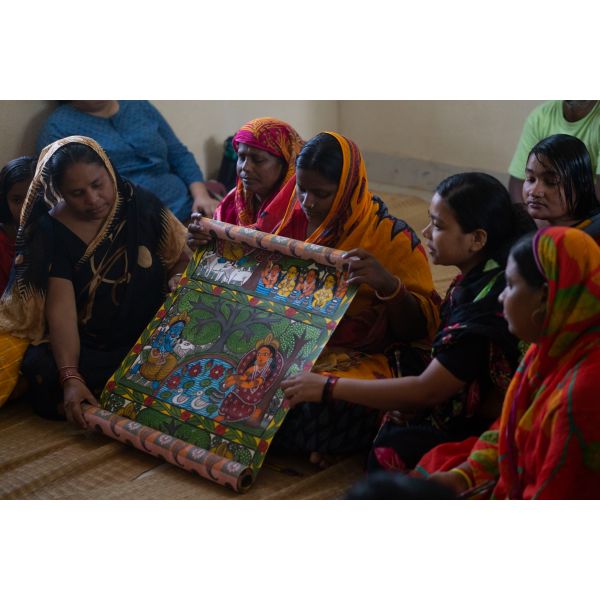 Events and ProgrammesPigment: Material Matters$1.00
A workshop on making botanical pigments with the Patachitrakars at Naya Village, who will share their songs and painted scrolls.
Learn More -
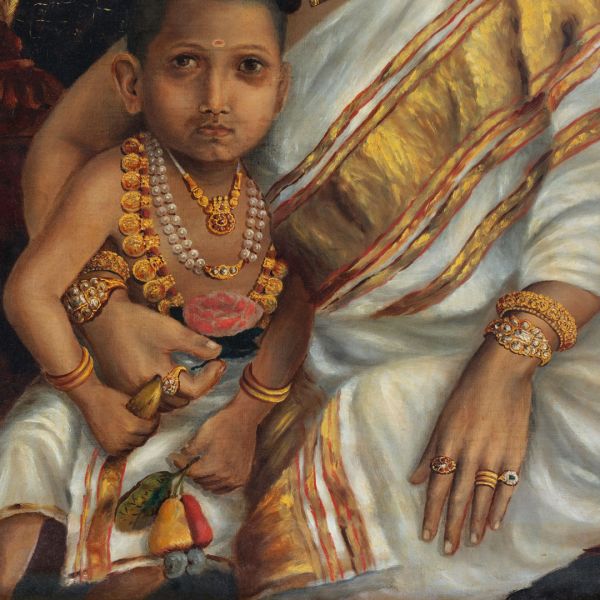 Art FairsIndia Art Fair$1.00
The DAG booth at India Art Fair has always aspired to provide its thousands of visitors with their most unique art-viewing experience based on rarity, historicity, and quality, raising the bar each year with works of sterling importance in addressing the art history of the subcontinent. Abanindranath Tagore, Allah Bux, Anonymous (Early Bengal), Dhanraj Bhagat Jamini Roy, Krishen Khanna, Ram Kumar, M. A. R. Chughtai, M. F. Husain, Madhvi Parekh, Nandalal Bose, Nirode Mazumdar, Prabhakar Barwe, S. K. Bakre, Sailoz Mookherjea, Shanti Dave, Sohan Qadri, Thomas Daniell, Raja Ravi Varma, Edwin Lord Weeks, F. N. Souza, M. V. Dhurandhar
Learn More -
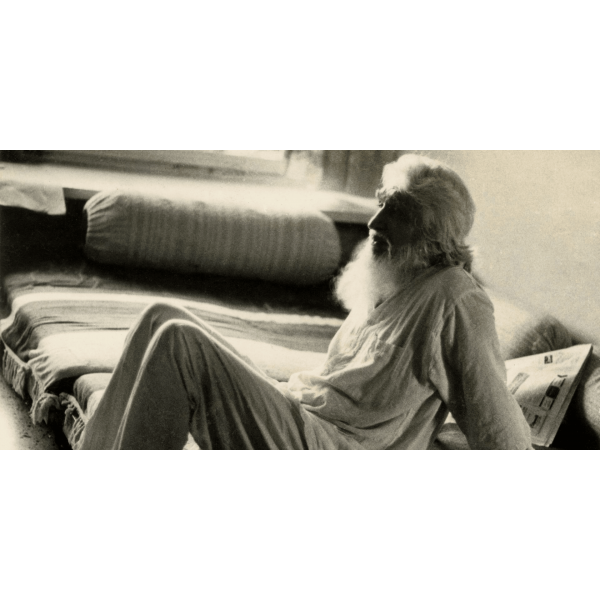 JournalThe Painters’ Camera: Husain and Mehta's Moving Images$0.00Twenty years after India’s independence, Films Division, the government’s documentary and propaganda filmmaking body, was seeking to re-invent itself. It had the mandate of recording the nation’s history on film. It was also a project of moulding the citizen through films that were screened in cinema theatres, before the entertainment feature. The films covered varied subjects from development, self-reliance, social issues, to art and culture, making them an invaluable archive of the Indian state’s record of the nation’s history as a modern, progressive nation. The films remained largely unpopular, like homework, among the unwilling audience of people who waited for the entertainment film to follow the documentary. Learn More