Search results for: 'como imprimir mi carnet de vacunacion si se me perdio'
-
-
-
-
-
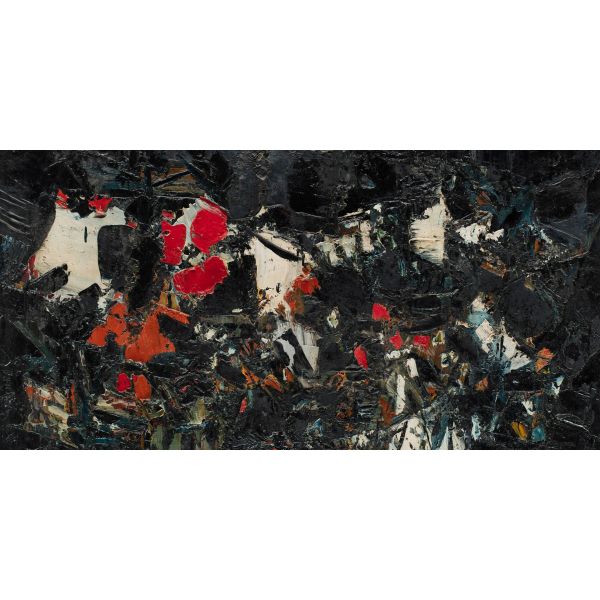 JournalAn Elsewhere Homeland: Sayed Haider Raza’s Iconic Masterpiece$0.00
‘Raza was in some ways an earth painter—someone to whom earth mattered both as a constant presence and an irrepressible memory.’ Ashok Vajpeyi looks at the natural mechanics of Sayed Haider Raza’s abstractions, tracing his relationship with landscape and art.
Learn More -
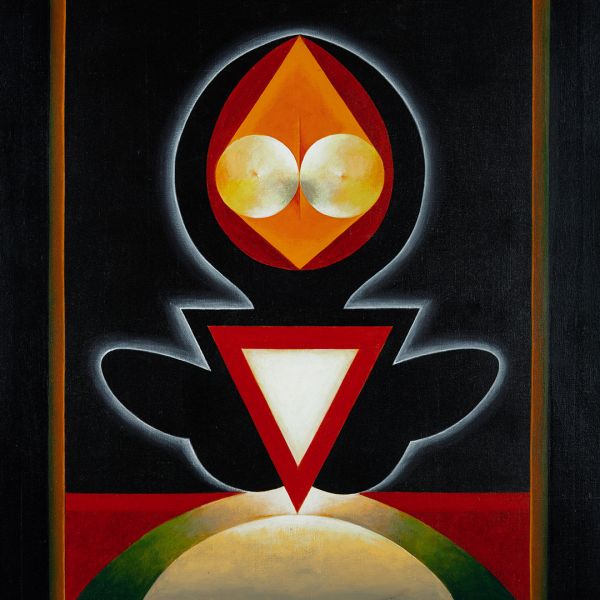 Art FairsFrieze Masters 2023$1.00The medieval ages saw the rise in India and parts of Asia of philosophical, theological, cultural, literary and visual manifestations that derived from diverse faiths but with one aim—to attain enlightened liberation. Its resistance to Brahmanical texts and hegemony resulted in the creation of geometrical aesthetics that were interpreted by way of texts, paintings, and architecture and had a monumental impact on society. At the centre of its geometric configurations—the triangle, the square, and the circle—lay the idea of Creation itself, the source of primal energy that could to be diverted towards a higher consciousness, and all universe was manifest in this. Learn More
 -
 Institutional CollaborationsThe Printed Picture: Four Centuries of Indian Print-Making$1.00
As printing technologies improved around the turn of the 18th century, a large number of cheaply reproduced printed pictures—illustrated books, almanacs and mythological images—became available to the common people. This became an important vehicle of social change because people could own, produce and disseminate images of all kinds—from their beloved deities and favourite fictional characters to political cartoons critiquing colonial authorities. Printmaking was equally treasured by artists for its aesthetic potential, as techniques like lithography, etching, metal engraving, viscosity, gave practitioners infinite opportunities for creative exploration. This landmark exhibition gives us a comprehensive overview of the history of the printed picture in India.
Learn More -
 Institutional CollaborationsBirds of India: Company Paintings c. 1800 to 1835$1.00
In celebration of birds and the long relationship art has shared with the winged creatures, this exhibition brings together four folios to present portraits of Indian birds made in the early nineteenth century. While representations of birds date back to the Ajanta murals, naturalistic imagery reached its peak in Mughal art under Emperor Jahangir. In the late 18th century two connected developments emerged in Lucknow and Calcutta. While General Claude Martin provided imported European paper to the artists in Lucknow to prepare botanical studies and other natural history works, in Calcutta Mary, Lady Impey (wife of Chief Justice of the Supreme Court in Bengal, Elijah Impey) had a menagerie where she employed artists to portray variety of animals and birds. Dr. William Roxburgh, superintendent of Calcutta Botanical Garden from 1793, also added to the discourse of natural history by appointing local artists to make botanical studies of the specimens in his charge. The efforts of Martin, Impey, Roxburgh and their artists gave rise to a large body of Company Paintings dedicated to natural history.
Learn More -
 Art FairsMasterpiece$0.00
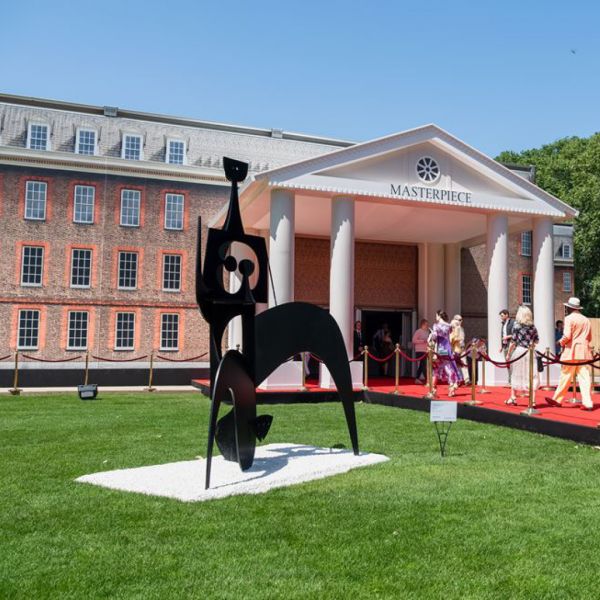
For the third year running, DAG participated at the Masterpiece London 2018, the UK’s leading cross collecting fair for art, design and collectibles. For this edition, DAG’s focus was sharper, and created a narrative for Indian modern art that addressed a sophisticated, discerning audience. Bikash Bhattacharjee F N Souza G R Santosh Jamini Roy Krishen Khanna M F Husain Rabin Mondal Ram Kumar Rameshwar Broota Shanti Dave Tyeb Mehta
Learn More