


Search results for: 'Photographing the Peoples of India 1855 1920'
-
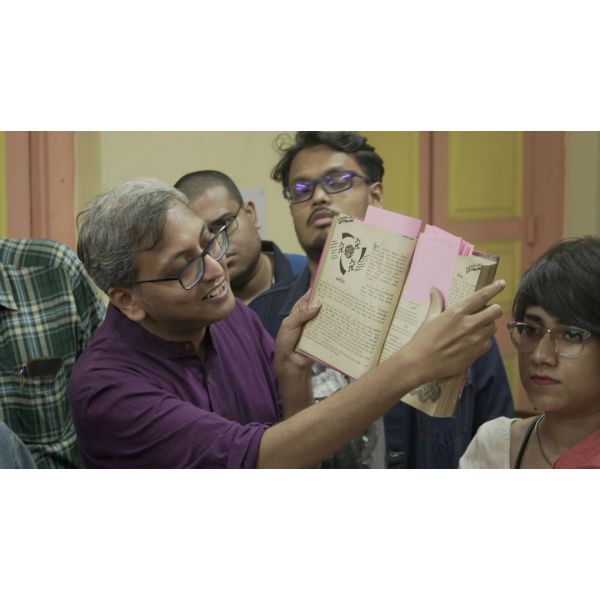 Events and ProgrammesPast in Print$1.00
A guided walk of the first free circulating public library of India—Uttarpara Public Library—with researcher Sarbajit Mitra, traversing the history of regional literary cultures, and sifting through their vast archive to delve into the vibrant world of illustrated periodicals in colonial Bengal, followed by a poetry reading by Sujoy Prasad Chatterjee.
Learn More -
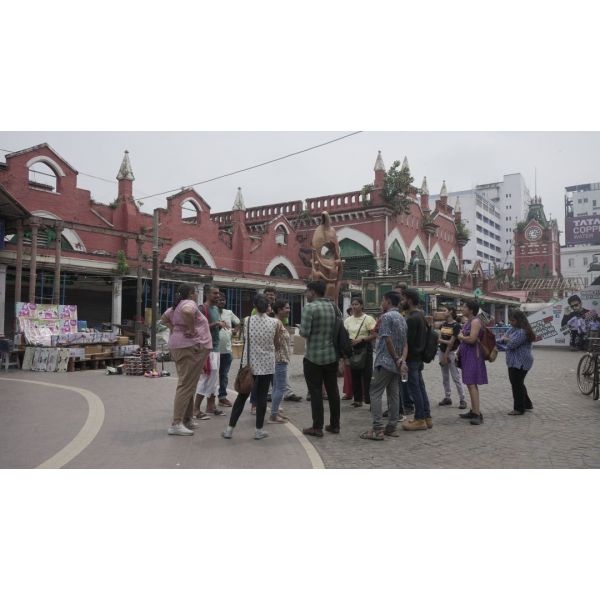 Events and ProgrammesCrossing the Midnight Hour$1.00
A guided walk by urban history researcher Sujaan Mukherjee, uncovering the forgotten histories of monuments and sites around the Indian Museum, and their changing fates after Independence.
Learn More -
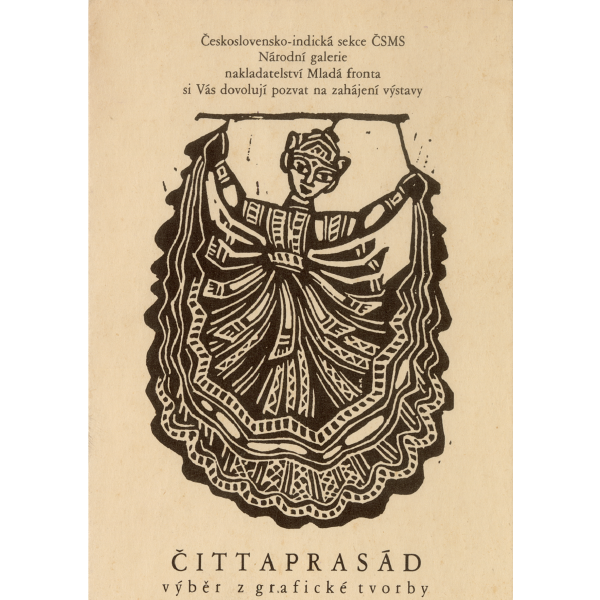 Collection StoriesAfter the Storm: Chittaprosad’s late oeuvre$0.00
Chittaprosad Bhattacharya (1913-1978) was a versatile artist and a lifelong adherent of the socialistic worldview. In 1943, he traveled across the famine-stricken villages of Bengal and produced realistic sketches of human suffering that were regularly published in the pages of the Communist Party journal 'People’s war'. These sketches were later compiled and published as a booklet under the title 'Hungry Bengal'. Fascinated by his artistic skills, the General Secretary of Communist Party of India, Puran Chand Joshi took Chittaprosad to the Party’s headquarters in Bombay (now Mumbai).
Learn More -
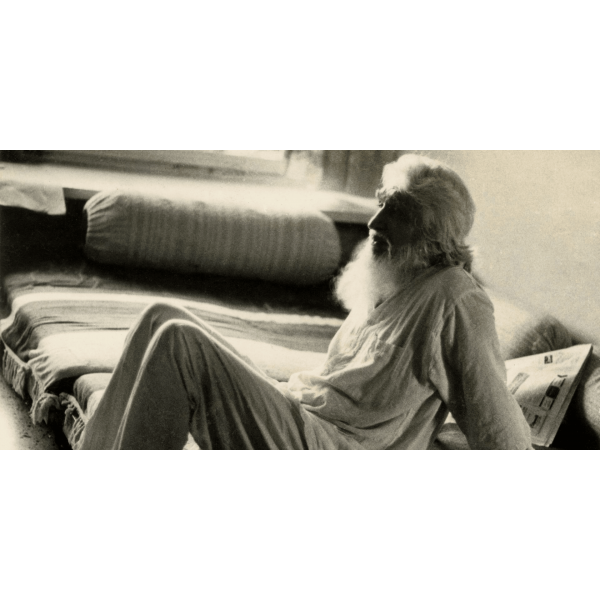 JournalThe Painters’ Camera: Husain and Mehta's Moving Images$0.00Twenty years after India’s independence, Films Division, the government’s documentary and propaganda filmmaking body, was seeking to re-invent itself. It had the mandate of recording the nation’s history on film. It was also a project of moulding the citizen through films that were screened in cinema theatres, before the entertainment feature. The films covered varied subjects from development, self-reliance, social issues, to art and culture, making them an invaluable archive of the Indian state’s record of the nation’s history as a modern, progressive nation. The films remained largely unpopular, like homework, among the unwilling audience of people who waited for the entertainment film to follow the documentary. Learn More
 -
 Art FairsExpo Chicago$0.00
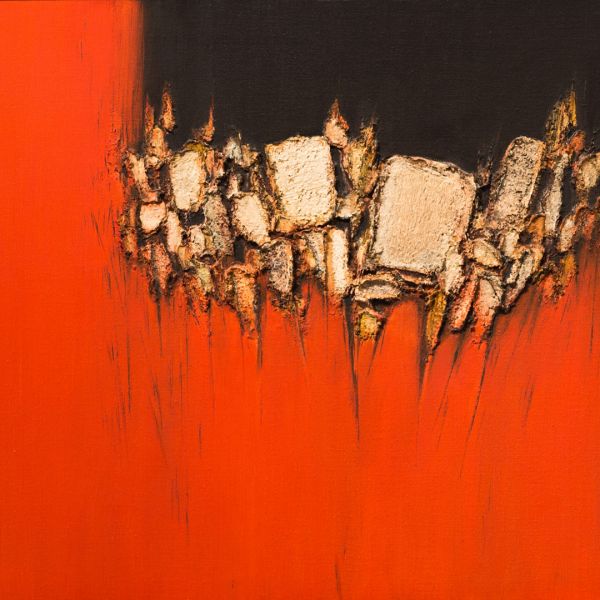
The midwestern city of Chicago hosts one of America’s most important art fairs—Expo Chicago—in which DAG participated in an attempt to introduce Indian moderns to the diaspora there as well as to art-lovers in general. To introduce art to this midwestern population, DAG picked on well-established names from the Indian art marquee. This included the National Treasure artist Jamini Roy whose works outside India are a rarity since they cannot be exported. Others included the Progressives F. N. Souza and M. F. Husain, New York-based printmakers Krishna Reddy and Zarina Hashmi (both now deceased) and artist Natvar Bhavsar, abstractionists Sohan Qadri and G. R. Santosh, a rare sculpture by Prodosh Das Gupta, and a body of other modernists representing the diverse range of works created by Indian artists in the twentieth century. A suite of small format watercolour landscapes by Bireswar Sen was a highlight of the booth. Avinash Chandra Bireswar Sen Chittaprosad F N Souza F N Souza G R Santosh Ganesh Pyne Jamini Roy K.S Kulkarni Krishna Reddy Laxman Pai M F Husain Madhvi Parekh Natvar Bhavsar Paritosh Sen Prodosh Das Gupta Rabin Mondal Sohan Qadri Zarina Hashmi
Learn More -
 ExhibitionsChittaprosadAs low as $1.00
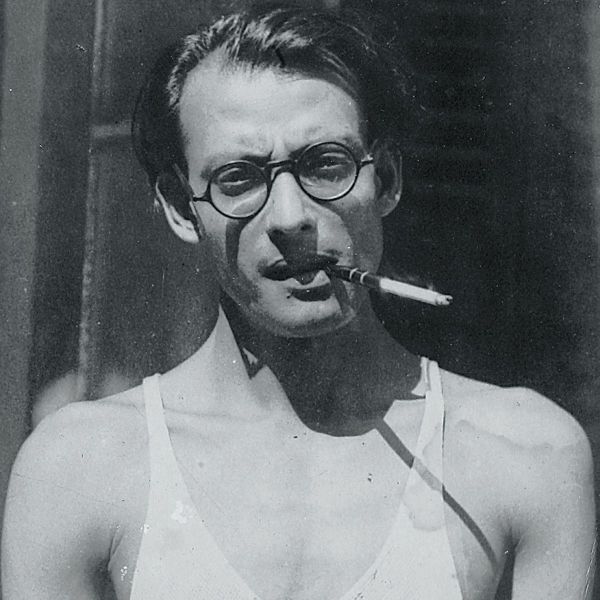
One of India’s most important artists, Chittaprosad recorded pivotal political and social movements in the country, such as the Great Bengal Famine of 1943-44 and its fallout, in heart-wrenching sketches and drawings, alongside protests against colonialism, economic exploitation, urban poverty and depravity, just as beautifully as the many drawings, linocuts and scraper board illustrations he made for children, recording a beatific phase of plenitude and family values, and involving himself with marionettes for their entertainment.
Learn More -
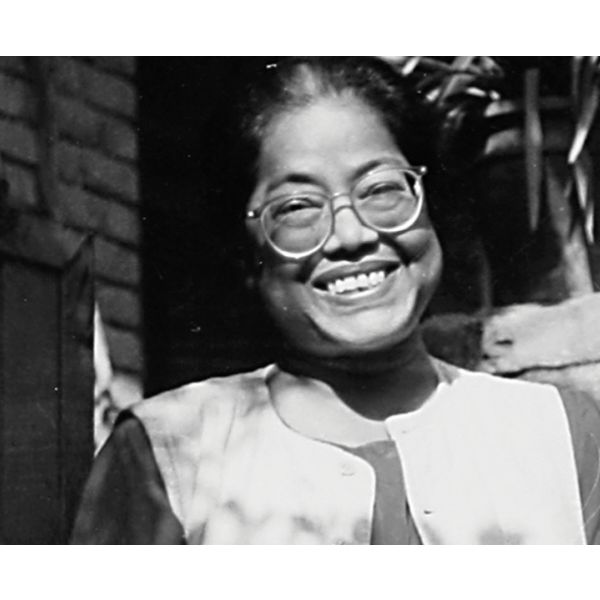 ArtistsArpita Singh$0.00An influential artist who is known for her richly detailed oils and watercolours, Arpita Singh was born in Calcutta in 1937. She studied art at Delhi Polytechnic (now College of Art) from 1954-59, and then joined the Government of India’s cottage industries restoration programme in 1959, which allowed her to meet weavers and artisans. Learn More
 -
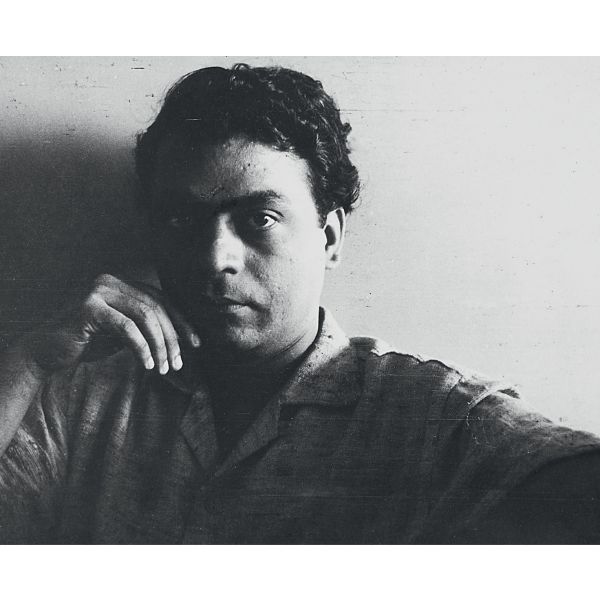 ArtistsV. S. Gaitonde$0.00One of India’s most revered ‘non-objective’ painters—he preferred that term over ‘abstraction’—Vasudeo Santu Gaitonde was born in Nagpur in 1924. He received his diploma in painting from Sir J. J. School of Art, Bombay, in 1948. Impressed by his work, the members of the Progressive Artists’ Group—formed in 1947—pulled him into their meetings. The strength of his talent was soon recognised elsewhere—he won the first prize of the Young Asian Artists Association in Tokyo in 1957, and a John D. Rockefeller III Fund fellowship in 1964. Learn More
 -
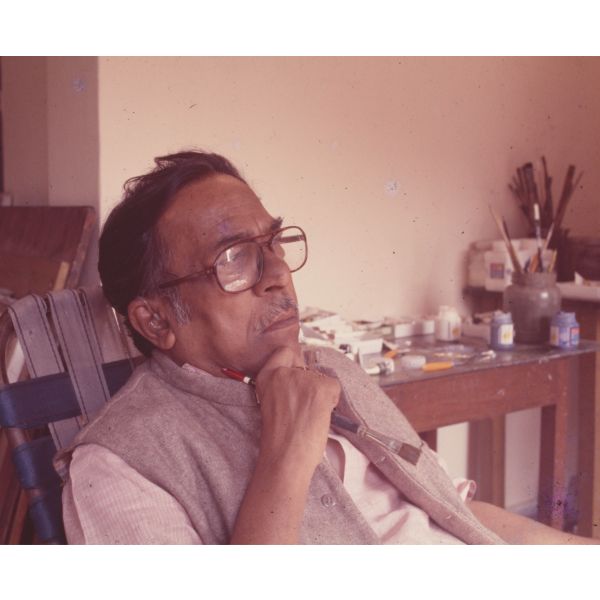 ArtistsShyamal Dutta Ray$0.00Among the most accomplished watercolourists of modern India, Shyamal Dutta Ray was born in Ranchi, then in Bihar, and studied at Government College of Arts and Crafts, Calcutta, from 1950-55. He was a founding member of Society of Contemporary Artists in 1959, and of Painters 80, founded in 1968. Learn More
 -
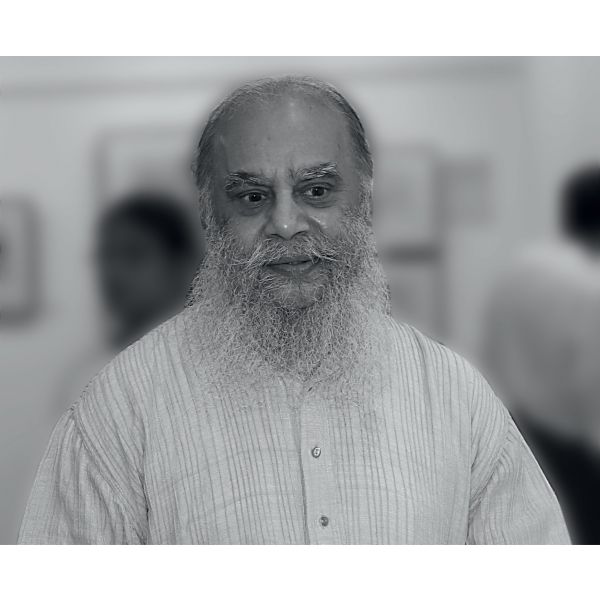 ArtistsShuvaprasanna$0.00Born in Calcutta on 20 October 1947, Shuvaprasanna is a quintessential painter of the eastern metropolis that he unabashedly loves. He graduated from Indian College of Art, Rabindra Bharati University, Calcutta, in 1969. An active member of Calcutta Painters group, urban themes are a constant in his work. Beset by problems and politics, but possessing great potential, Kolkata has remained his abiding inspiration as he absorbs and responds to its upheavals, the tumult of its masses, and its frequent political turbulence. Learn More
 -
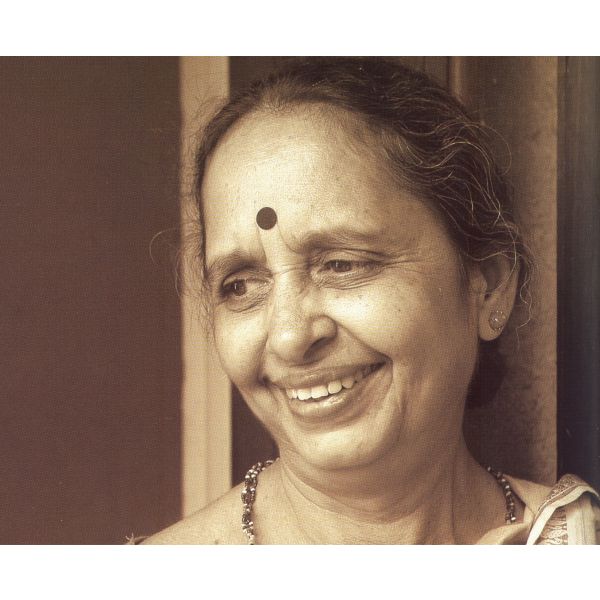 ArtistsShobha Broota$0.00Shobha Broota’s pictorial interpretation of the resonance of classical Indian ragas forms the essence of her celebrated style in which she conveys their subtle variations through minimal use of colours. Born in 1943 in New Delhi in an artistic family that inspired her to study art, Broota obtained a diploma in painting from College of Art, New Delhi, in 1964. Learn More
 -
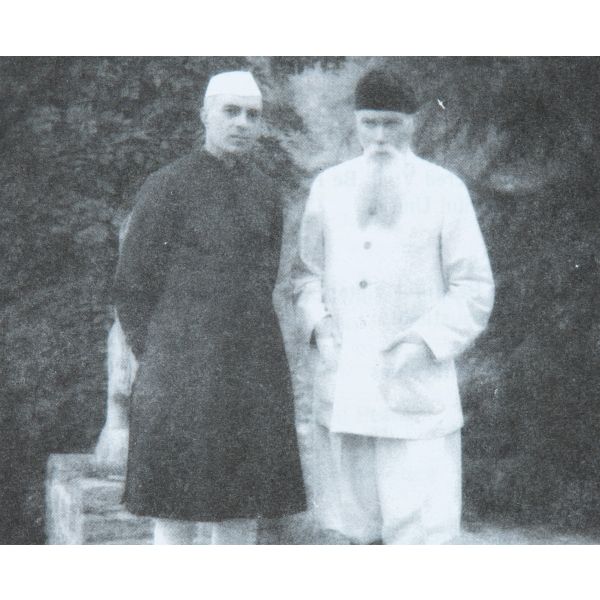 ArtistsNicholas Roerich$0.00One of the nine National Treasure artists of India, Russia-born Nicholas Roerich was not just a painter but a stage designer for ballets, an explorer, writer, and philosopher. As a painter, he is best remembered for his ethereal paintings of the mist-laden and wispy Himalayas, done mostly in tempera or oil. These paintings remain some of the best works celebrating the mighty mountain range. Learn More