


Search results for: 'Calle Parque Los Modelos, Urb Altura Villa Fontana,'
-
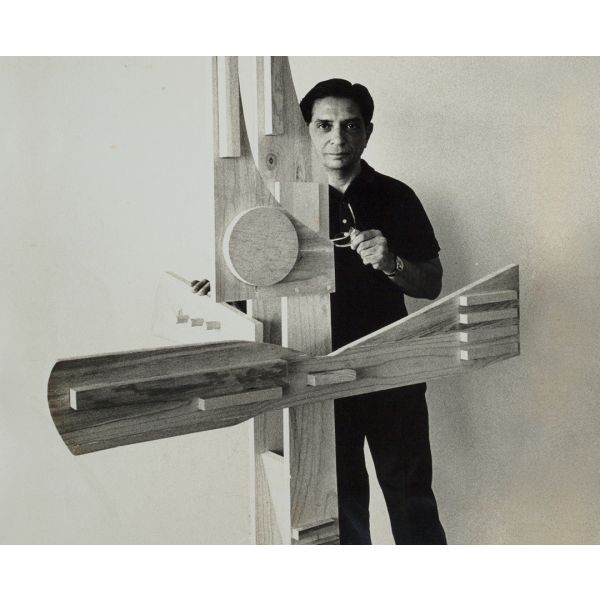 ArtistsAdi Davierwalla$0.00Born in 1922, pioneering modernist sculptor Ardeshir M. Davierwalla—fondly called Adi—was a pharmaceutical chemist by training; he went to school in Coonoor, Tamil Nadu, and studied pharmaceutical engineering at the Victoria Jubilee Technical Institute (now known as the Veermata Jijabai Technological Institute) in Bombay. Learn More
 -
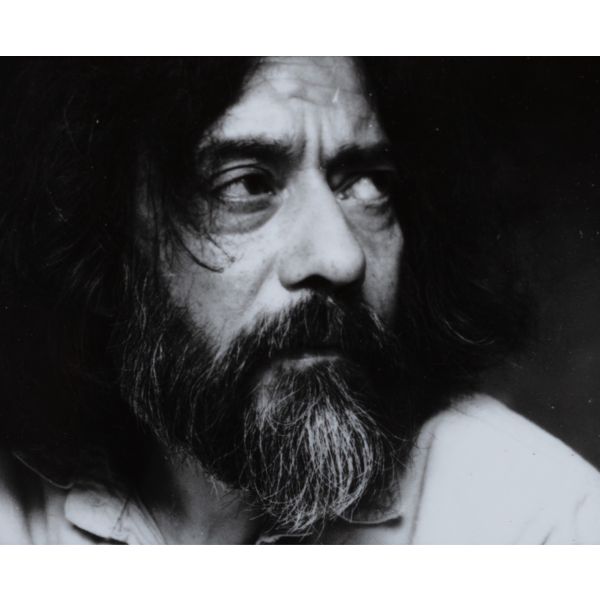 ArtistsRajendra Dhawan$0.00Born in 1936 in New Delhi, Rajendra Dhawan studied at the Polytechnic (later renamed College of Art) from 1953-58, and at Belgrade in erstwhile Yugoslavia from 1960-62. While in New Delhi, he became a founding member of the group called The Unknown that survived from 1960-64. Learn More
 -
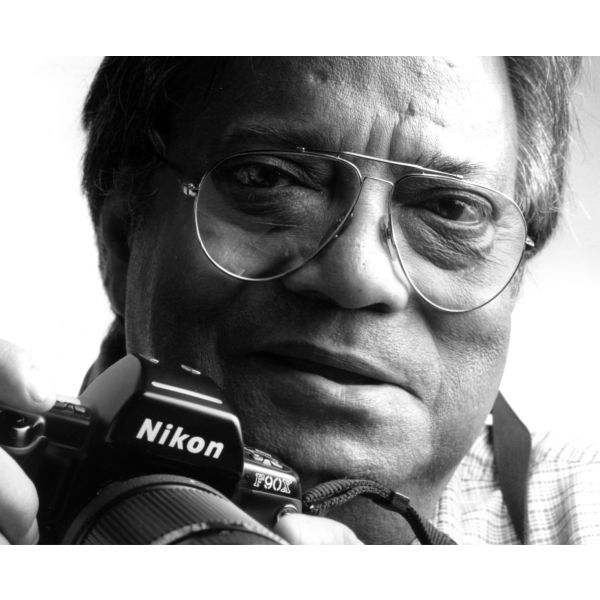 ArtistsNemai Ghosh$0.00Globally renowned filmmaker Satyajit Ray called his photographer Nemai Ghosh ‘Boswell with a camera, instead of a pen’. Just like James Boswell’s biography of English writer Samuel Johnson is considered the finest in the language, Ghosh’s photo-biography of his mentor is one of the finest photo essays on a legend’s life; Ghosh was Ray’s photographer from 1968 until Ray’s death in 1992. Learn More
 -
-
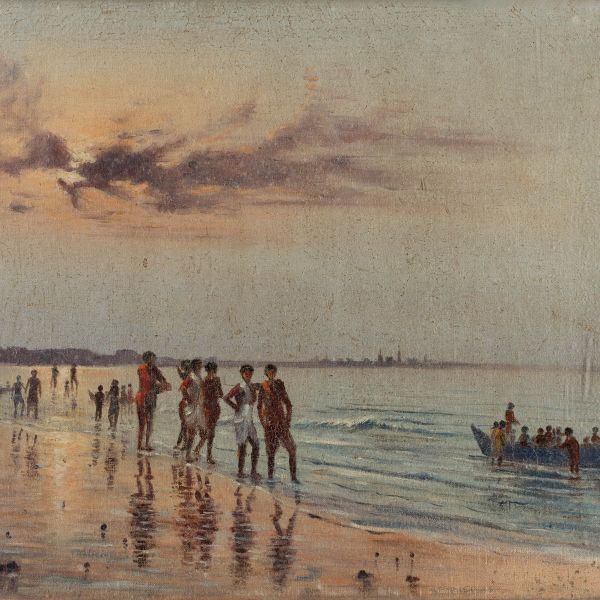
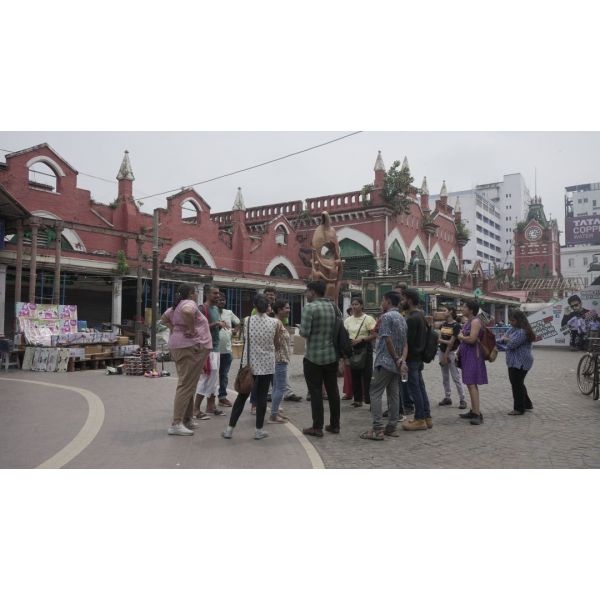 Events and ProgrammesCrossing the Midnight Hour$1.00
A guided walk by urban history researcher Sujaan Mukherjee, uncovering the forgotten histories of monuments and sites around the Indian Museum, and their changing fates after Independence.
Learn More -
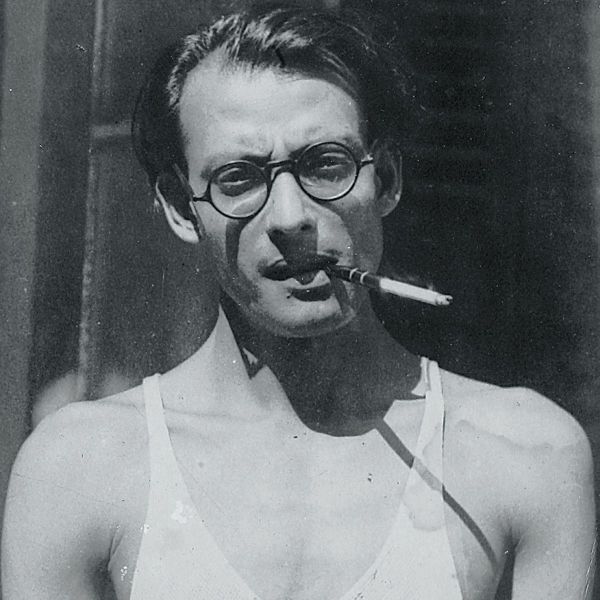 ExhibitionsChittaprosadAs low as $1.00
One of India’s most important artists, Chittaprosad recorded pivotal political and social movements in the country, such as the Great Bengal Famine of 1943-44 and its fallout, in heart-wrenching sketches and drawings, alongside protests against colonialism, economic exploitation, urban poverty and depravity, just as beautifully as the many drawings, linocuts and scraper board illustrations he made for children, recording a beatific phase of plenitude and family values, and involving himself with marionettes for their entertainment.
Learn More -
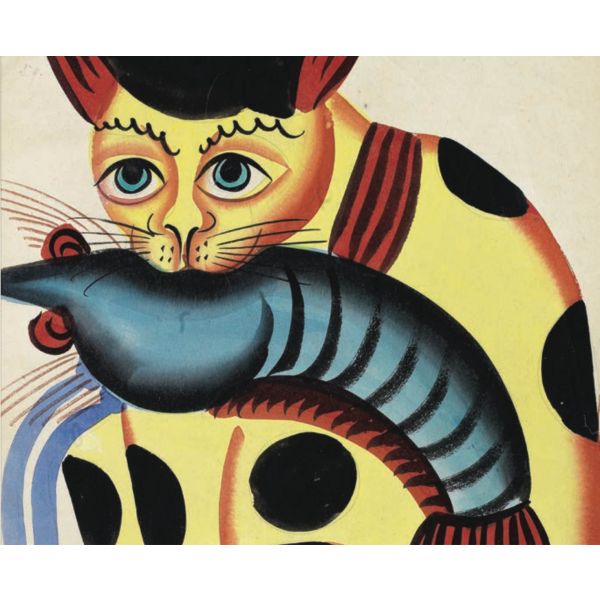 ArtistsKalighat Pats$0.00The Kalighat temple came up in Calcutta in 1809, drawing communities of traditional artisans who began to produce pats or paintings on religious and mythological themes, sold to the pilgrims as souvenirs. Traditionally painted on cloth accompanied by vocal renditions of the illustrated, these pats were now produced by the largely anonymous pat makers, or patuas, on paper—cheap and easily accessible—in response to urban needs. They remained popular till the early decades of the twentieth century. Learn More
 -
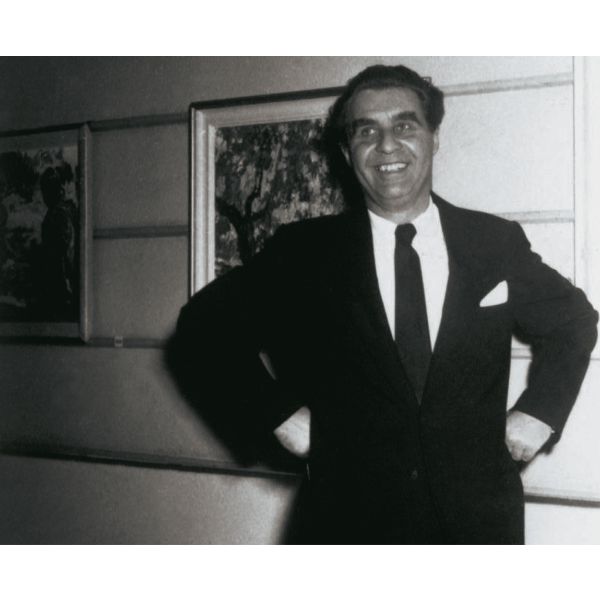 ArtistsWalter Langhammer$0.00Born in Graz, Austria, Walter Langhammer came to India in the 1930s with his wife Käthe Urbäch, escaping Nazi Germany like other refugees. Some media reports suggest that British authorities had arrested the couple on their arrival in India till a friend, noted art critic Rudolf von Leyden, came to their rescue. Learn More
 -
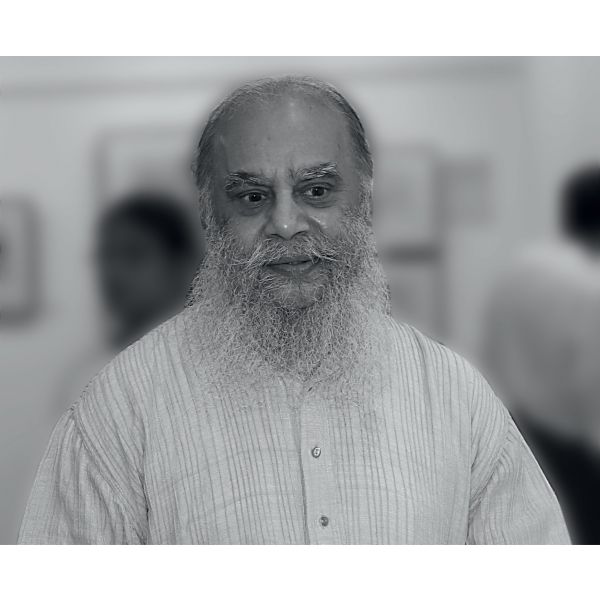 ArtistsShuvaprasanna$0.00Born in Calcutta on 20 October 1947, Shuvaprasanna is a quintessential painter of the eastern metropolis that he unabashedly loves. He graduated from Indian College of Art, Rabindra Bharati University, Calcutta, in 1969. An active member of Calcutta Painters group, urban themes are a constant in his work. Beset by problems and politics, but possessing great potential, Kolkata has remained his abiding inspiration as he absorbs and responds to its upheavals, the tumult of its masses, and its frequent political turbulence. Learn More
 -
-
 Art FairsArt Dubai$0.00
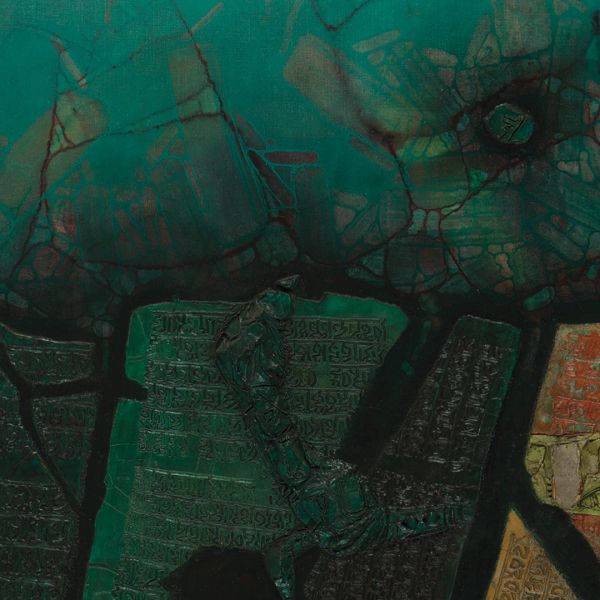
Shanti Dave’s abstracts resemble—at first—the familiar and the unknown. There are writings, figures, deities, forms and shapes that resonate with what we seem to know. If the language is indecipherable, perhaps it belongs to some ancient texts lost to history. Is this his ode to a civilisation that existed in the past, or a prophesy of one to come? Is it a world hidden underwater? Or perhaps one alien to us because it comes from some other planet? Are these tombstones, or markers, of some mythological or historical realm?
Learn More -
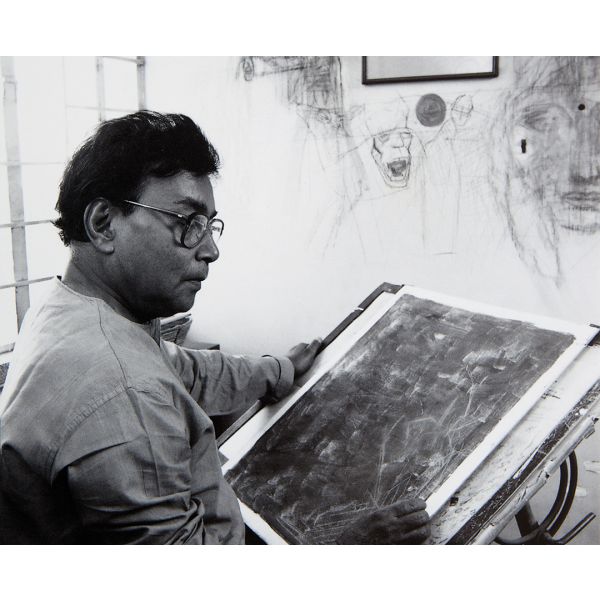 ArtistsGanesh Pyne$0.00Born in 1937 in Calcutta, Ganesh Pyne lost his father before his teens and personally witnessed the horrors of Partition. The social violence and despair of the 1940s and the tumultuous political events of the 1970s had a deep impact on his psyche and work. Coupled with the influence of his grandmother’s stories, Pyne developed an individual style of poetic surrealism woven around mythology and Bengali folklore. Learn More