


Search results for: 'travel with liv new.york.times'
-
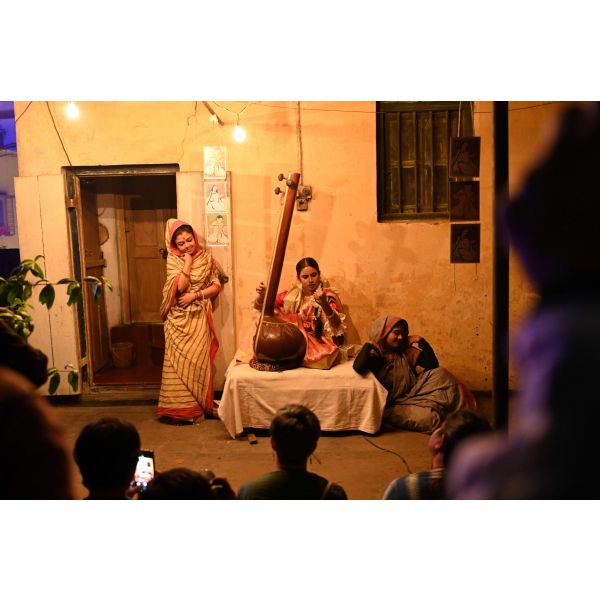 Events and ProgrammesKeyabat Meye$1.00
Feminist collective Samuho navigates the interplay between the interior and exterior lives of women at the cusp of nineteenth century reform movements through a performance-installation inspired by Shreepantha’s Keyabat Meye and the tradition of Prahasan.
Learn More -
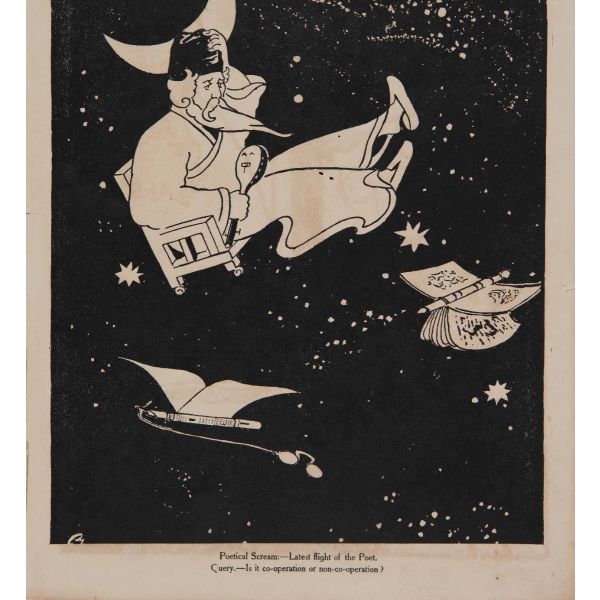 Events and ProgrammesSwadeshi Baithakkhana$1.00
A visit to an antique furniture warehouse and the former home of historian Sir Jadunath Sarkar with Professor Rosinka Chaudhuri, as we trace the Swadeshi influence on our living spaces, and the transformation of furniture design.
Learn More -
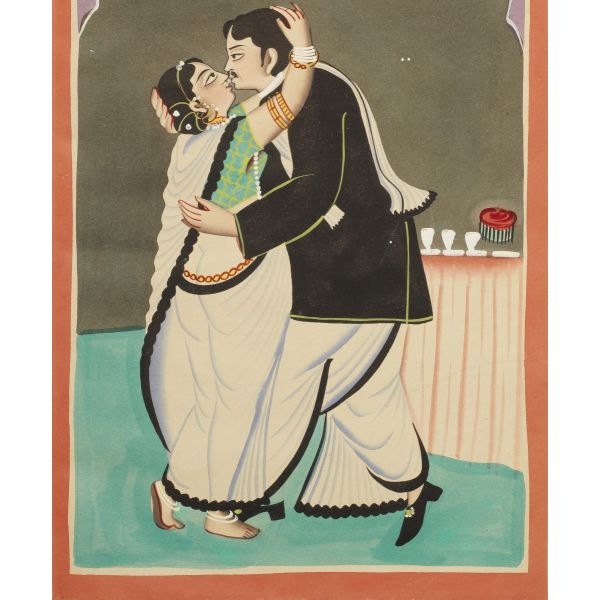 Events and ProgrammesKeyabat Meye$1.00
Queer-Feminist collective Samuho navigates the interplay between the interior and exterior lives of women at the cusp of nineteenth century reform movements through a performance-installation inspired by Shreepantha’s Keyabat Meye and the tradition of Prahasan.
Learn More -
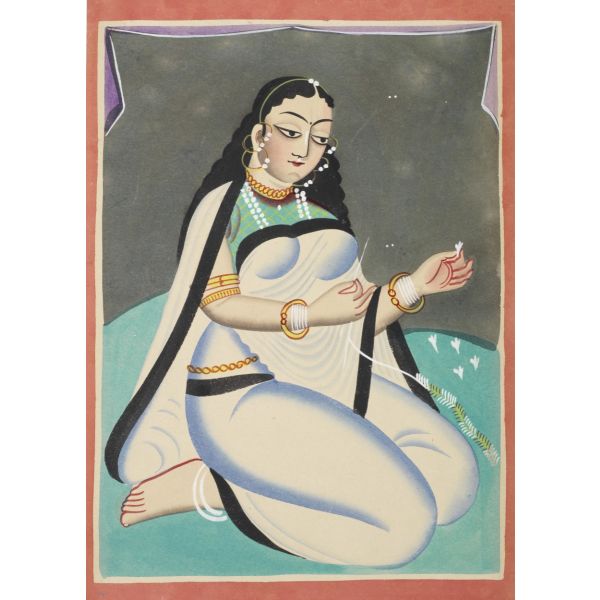 Events and ProgrammesKeyabat Meye$1.00
Queer-Feminist collective Samuho navigates the interplay between the interior and exterior lives of women at the cusp of nineteenth century reform movements through a performance-installation inspired by Shreepantha’s Keyabat Meye and the tradition of Prahasan.
Learn More -
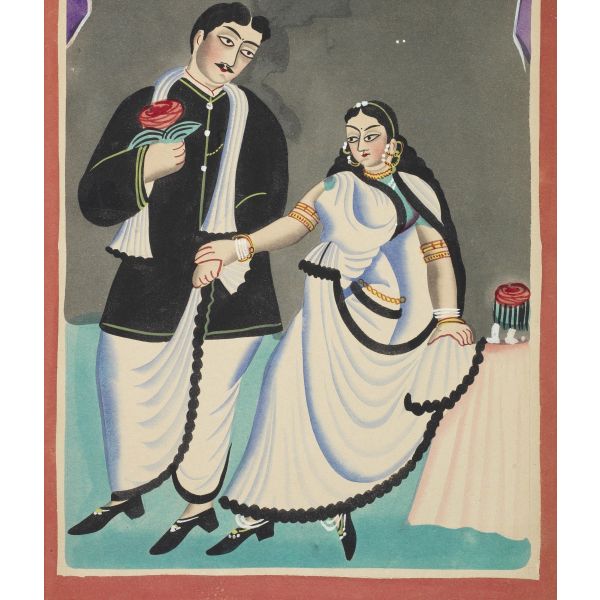 Events and ProgrammesKeyabat Meye$1.00
Feminist collective Samuho navigates the interplay between the interior and exterior lives of women at the cusp of nineteenth century reform movements through a performance-installation inspired by Shreepantha’s Keyabat Meye and the tradition of Prahasan.
Learn More -
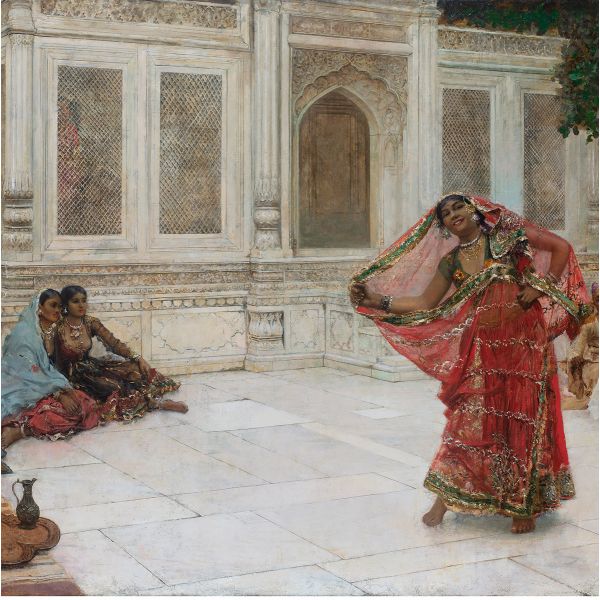 Art FairsArt Mumbai$0.00
As in previous editions, ‘Iconic Masterpieces’ allows viewers to experience the pinnacles of Indian art through its lens of quality, historicity, and rarity—to which the element of surprise adds an unexpected piquancy. An ‘Iconic’ exhibition from DAG is like a museum tour where the best Indian art can be enjoyed through a lively and perceptive curatorial eye that acknowledges and helps extend our knowledge of it.
Learn More -
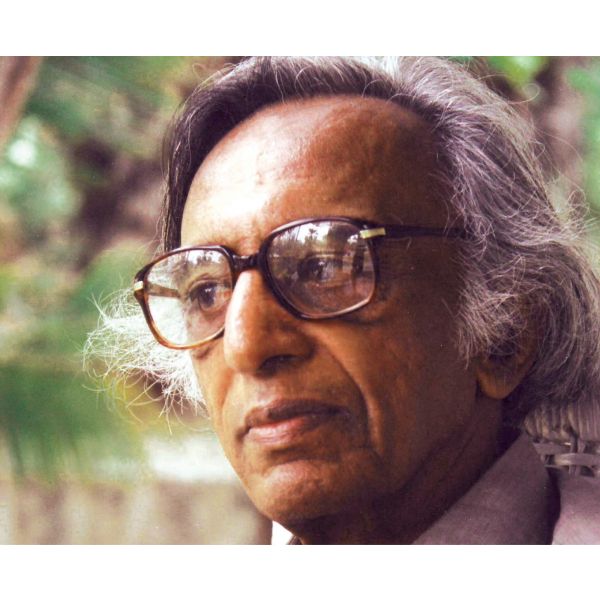 ArtistsTyeb Mehta$0.00It is ironical that works by Tyeb Mehta, who did not attach much merit to the financial value of art, were the first by a living Indian artist to sell for more than Rs 1 crore, and, soon, for more than a million dollars, indicating a beginning of interest in Indian art in the international market. His works Celebration, Kali and Mahishasura marked the beginning of the boom in the Indian art market at the start of this century. Learn More
 -
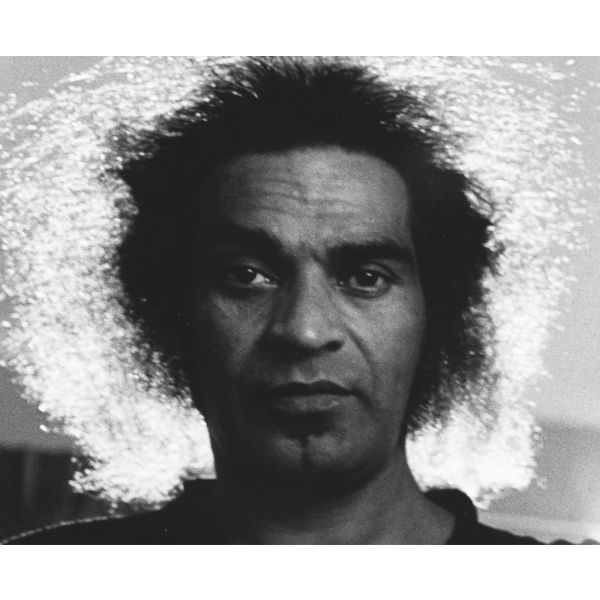 ArtistsSohan Qadri$0.00Sohan Qadri was born in a wealthy farming family in Punjab’s Chachoki village on 2 November 1932. When he was seven, he came across two spiritualists living on the family farm—Bikham Giri, a Bengali Tantric-Vajrayan Yogi, and Ahmed Ali Shah Qadri, a Sufi. Both gurus had a tremendous impact on young Qadri and taught him spiritual ideals through meditation, dance, and music. His association with them heralded a lifelong commitment to spirituality and art. Learn More
 -
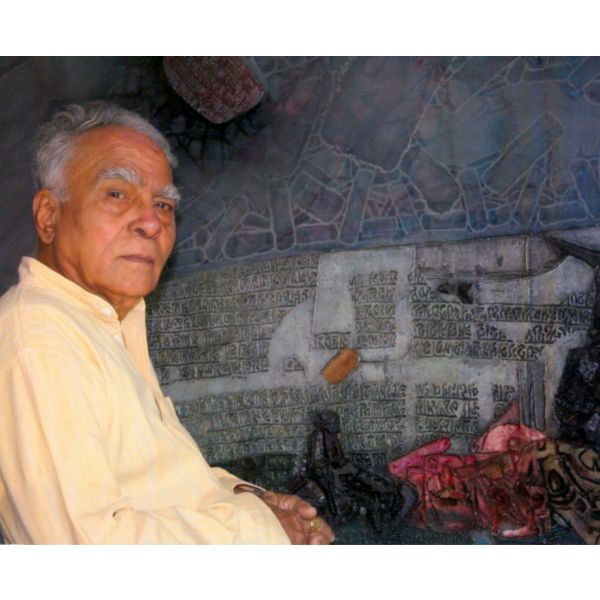 ArtistsShanti Dave$0.00Born in a family of limited means, Shanti Dave grew up in a village called Badpura in north Gujarat. Moving later to Ahmedabad, he earned a living by painting signboards and billboards for films before enrolling at the Faculty of Fine Arts, M. S. University, Baroda, where he studied under eminent artist-teacher N. S. Bendre, completing his graduation (1950-56) and post piploma in Fine Art (1956-58). Learn More
 -
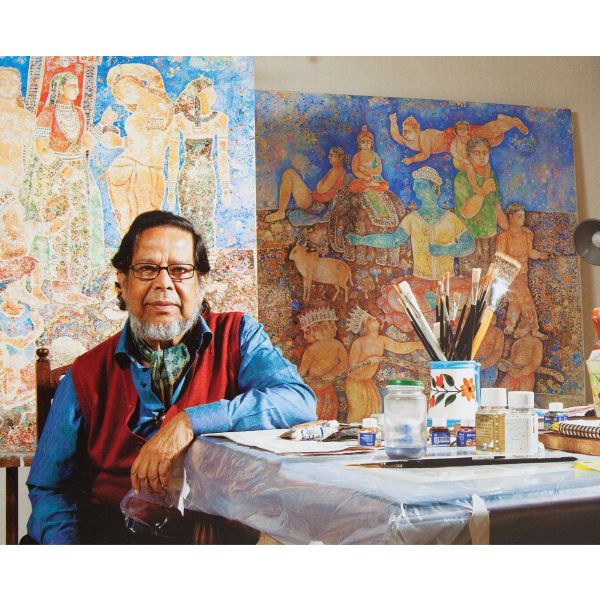 ArtistsSakti Burman$0.00Born in Calcutta, Sakti Burman studied at the city’s Government College of Arts and Crafts, and later at École Nationale des Beaux-Arts, Paris. Like most other Indian artists who studied or lived in the French capital, Paris-based Burman’s works blend European and Indian imagery. Learn More
 -
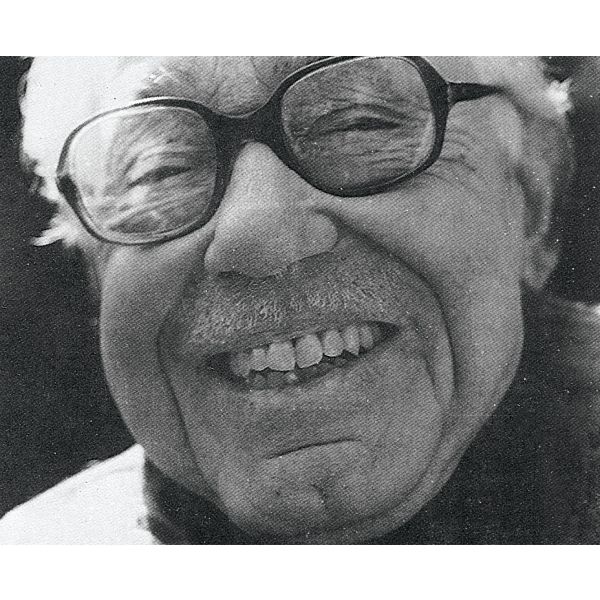 ArtistsR. N. Pasricha$0.00Born in Amritsar on 17 November 1926, R. N. Pasricha grew up in Delhi. Graduating in science, he worked as a typist to earn his livelihood. But, it was painting that drew him—a passion since childhood— and he enrolled for night classes in art. He honed his skills in painting under the guidance of artist Abani Sen. Learn More
 -
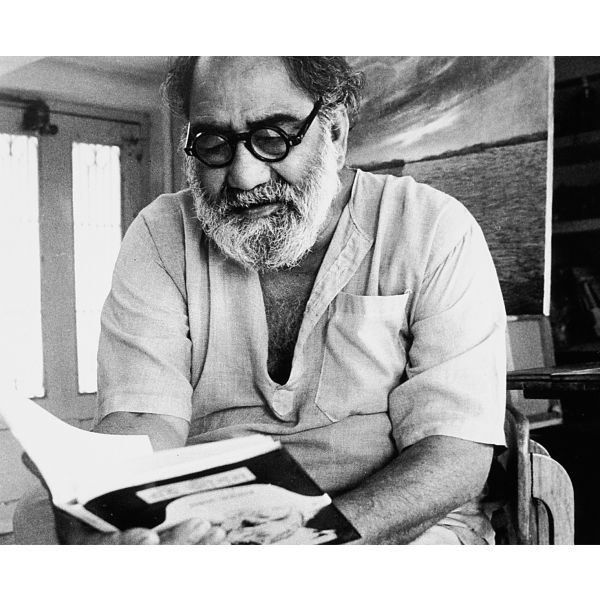 ArtistsProkash Karmakar$0.00Prokash Karmakar learnt painting at his father, artist-teacher Prahlad Karmakar’s atelier, till the socio-political turmoil of the 1940s and his father’s early death put an end to it. After his matriculation, Karmakar joined Government College of Arts and Crafts, Calcutta, but quit soon thereafter for reasons of poverty. In between, he designed book covers and worked as an illustrator for his livelihood; he even joined the army but absconded after two years, driven by his desire to paint. Learn More