Devraj Dakoji was born in Dharmaji Gudem village in West Godavari district of Andhra Pradesh to a family of Ayurveda practitioners. Picking herbs for his father every morning before going to school proved to be a lasting influence in Dakoji’s life, making nature the leitmotif of his art. Learn More
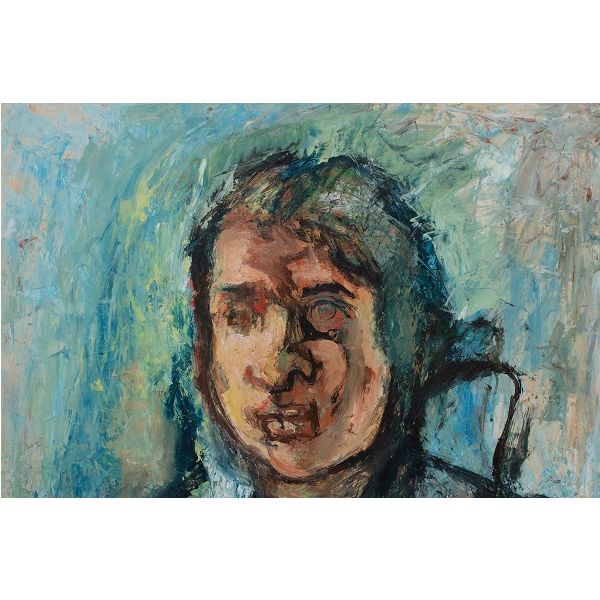
Born on 15 February 1939 in Faridpur (now in Bangladesh), Jogen Chowdhury’s family moved to Calcutta following the Partition. He studied art at the Government College of Art and Crafts, Calcutta, and subsequently at École Nationale Supérieure des Beaux-Arts, Paris. Learn More
What do you make of a work of art? What was the artist attempting to communicate? These video shorts offer brief overviews on artists and their work in the way of expert opinions by scholars, curators art writers—and by the artists themselves. Learn More
What do you make of a work of art? What was the artist attempting to communicate? These video shorts offer brief overviews on artists and their work in the way of expert opinions by scholars, curators art writers—and by the artists themselves. Learn More
What do you make of a work of art? What was the artist attempting to communicate? These video shorts offer brief overviews on artists and their work in the way of expert opinions by scholars, curators art writers—and by the artists themselves. Learn More
What do you make of a work of art? What was the artist attempting to communicate? These video shorts offer brief overviews on artists and their work in the way of expert opinions by scholars, curators art writers—and by the artists themselves. Learn More
What do you make of a work of art? What was the artist attempting to communicate? These video shorts offer brief overviews on artists and their work in the way of expert opinions by scholars, curators art writers—and by the artists themselves. Learn More
What do you make of a work of art? What was the artist attempting to communicate? These video shorts offer brief overviews on artists and their work in the way of expert opinions by scholars, curators art writers—and by the artists themselves. Learn More



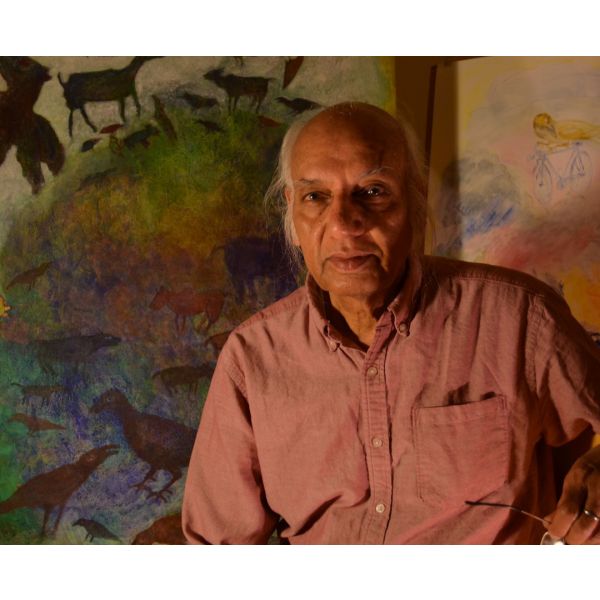 ArtistsDevraj Dakoji$0.00Devraj Dakoji was born in Dharmaji Gudem village in West Godavari district of Andhra Pradesh to a family of Ayurveda practitioners. Picking herbs for his father every morning before going to school proved to be a lasting influence in Dakoji’s life, making nature the leitmotif of his art. Learn More
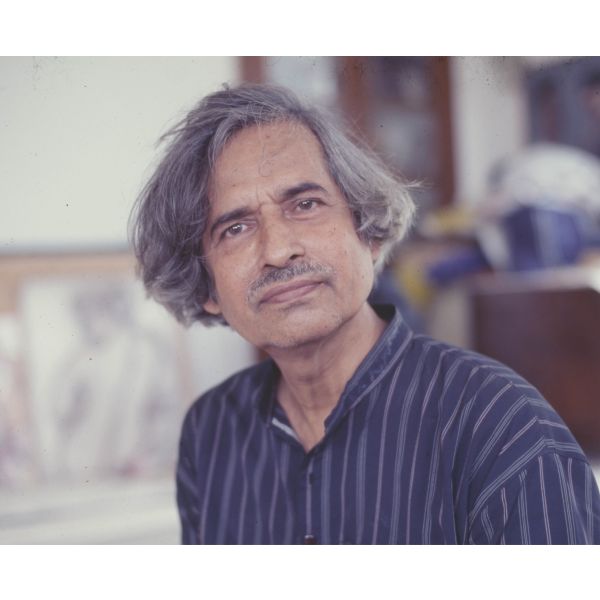 ArtistsJogen Chowdhury$0.00Born on 15 February 1939 in Faridpur (now in Bangladesh), Jogen Chowdhury’s family moved to Calcutta following the Partition. He studied art at the Government College of Art and Crafts, Calcutta, and subsequently at École Nationale Supérieure des Beaux-Arts, Paris. Learn More
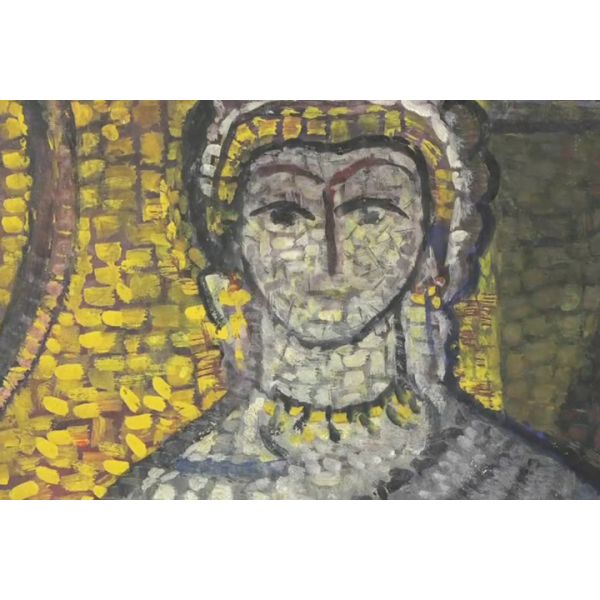 JournalJamini Roy$0.00What do you make of a work of art? What was the artist attempting to communicate? These video shorts offer brief overviews on artists and their work in the way of expert opinions by scholars, curators art writers—and by the artists themselves. Learn More
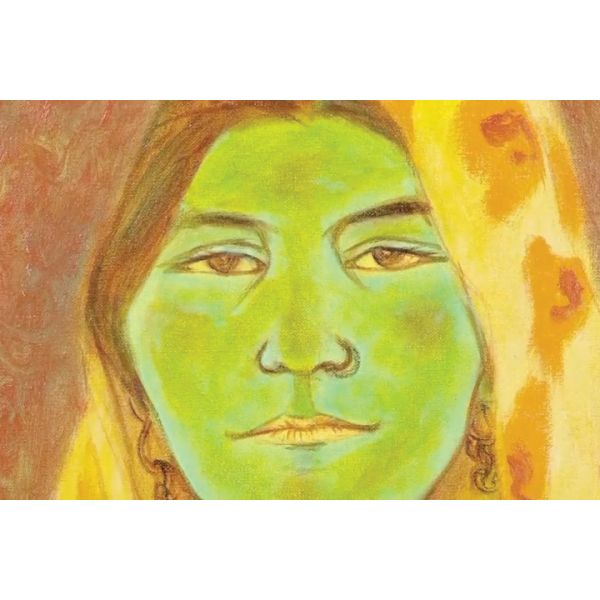 JournalA. Ramachandran$0.00What do you make of a work of art? What was the artist attempting to communicate? These video shorts offer brief overviews on artists and their work in the way of expert opinions by scholars, curators art writers—and by the artists themselves. Learn More
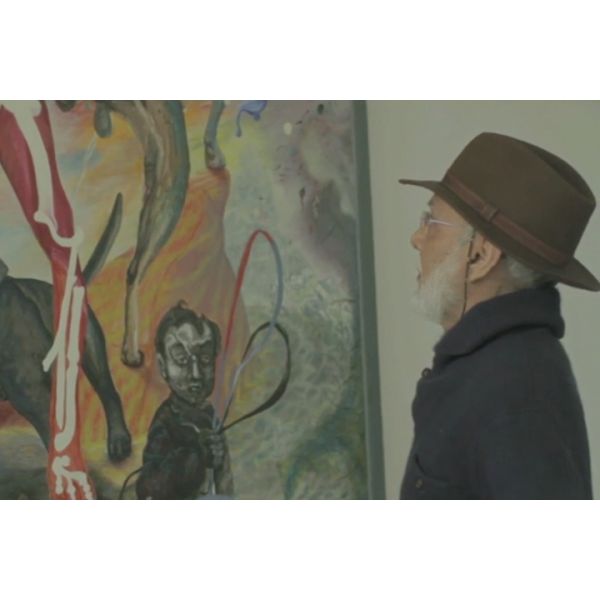 JournalRanbir Kaleka$0.00What do you make of a work of art? What was the artist attempting to communicate? These video shorts offer brief overviews on artists and their work in the way of expert opinions by scholars, curators art writers—and by the artists themselves. Learn More
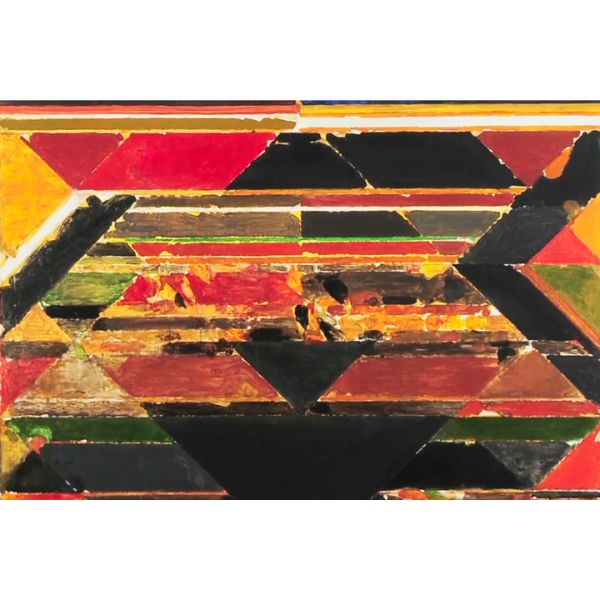 JournalS. H. Raza$0.00What do you make of a work of art? What was the artist attempting to communicate? These video shorts offer brief overviews on artists and their work in the way of expert opinions by scholars, curators art writers—and by the artists themselves. Learn More
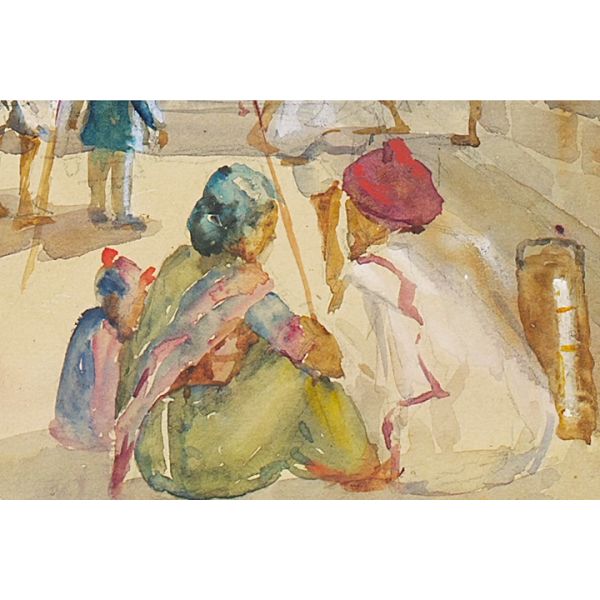 JournalN. R. Sardesai$0.00What do you make of a work of art? What was the artist attempting to communicate? These video shorts offer brief overviews on artists and their work in the way of expert opinions by scholars, curators art writers—and by the artists themselves. Learn More
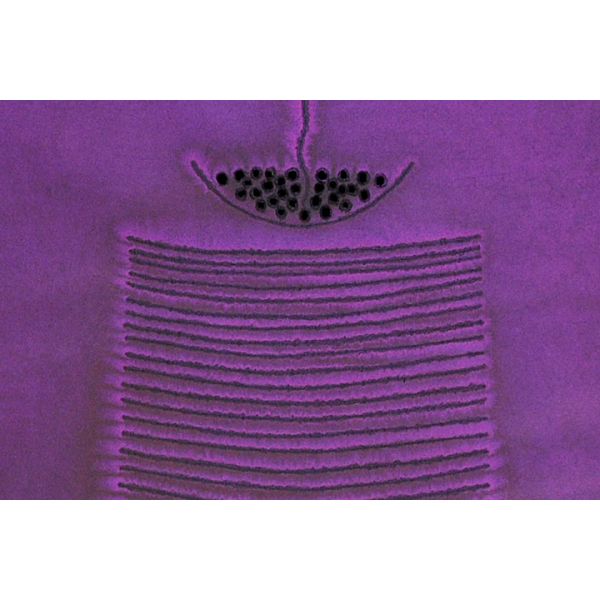 JournalSohan Qadri$0.00What do you make of a work of art? What was the artist attempting to communicate? These video shorts offer brief overviews on artists and their work in the way of expert opinions by scholars, curators art writers—and by the artists themselves. Learn More