Search results for: 'Dhurandhar is best known for his realistic and detailed artworks.'
-
-
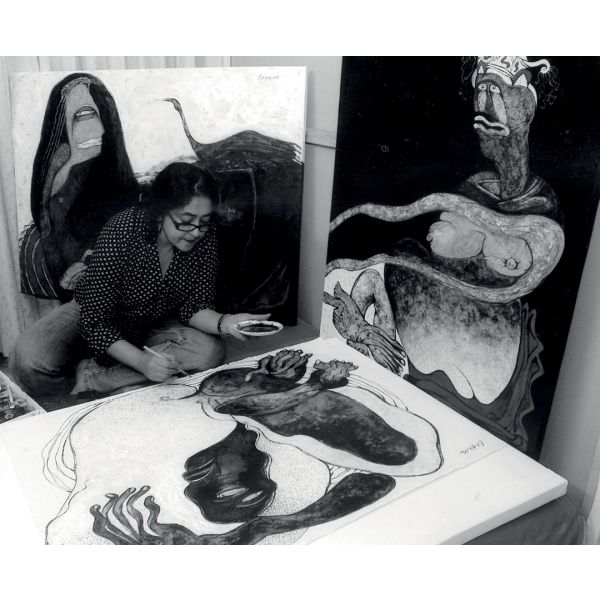 ArtistsJaya Ganguly$0.00Jaya Ganguly is known for turning the concept of aesthetics on its head while portraying social hypocrisies through her paintings. However, it’s not just the duplicity of the privileged vis-à-vis the have-nots that she seeks to express, but also the pretenses that the former keep up with in their comfortable yet orthodox existence. Learn More
 -
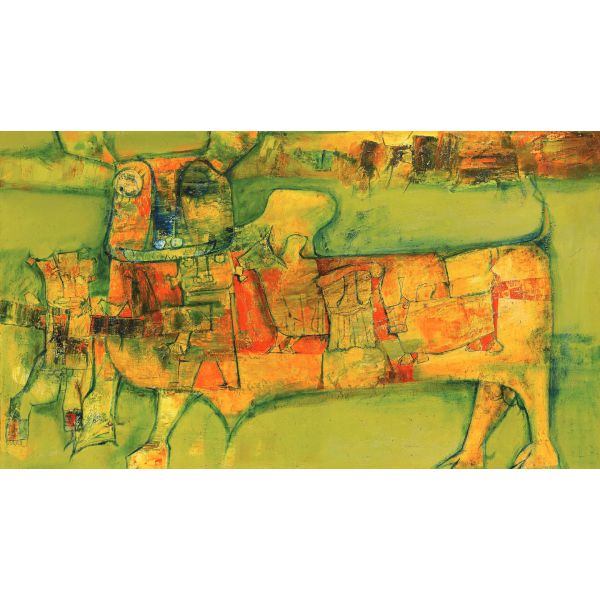 Institutional CollaborationsIndia Modern: Narratives from 20th Century Indian Art$1.00
This exhibition takes us on a journey into the lives and works of artists from a diverse range of traditions and practices. Despite differences in technique, philosophy and politics, they are united by an attempt to forge a new language of Indian art which rebels against existing visual vocabularies while seamlessly combining influences from European modernism and the rich history of visual arts from South Asia. This assimilation is achieved in different ways. From M. F. Husain’s figurative renditions of Indian deities to the many languages of abstraction developed by artists like Ram Kumar, Ganesh Haloi and others—we see artists responding variously to the socio-cultural problems of a post-colonial nation.
Learn More -
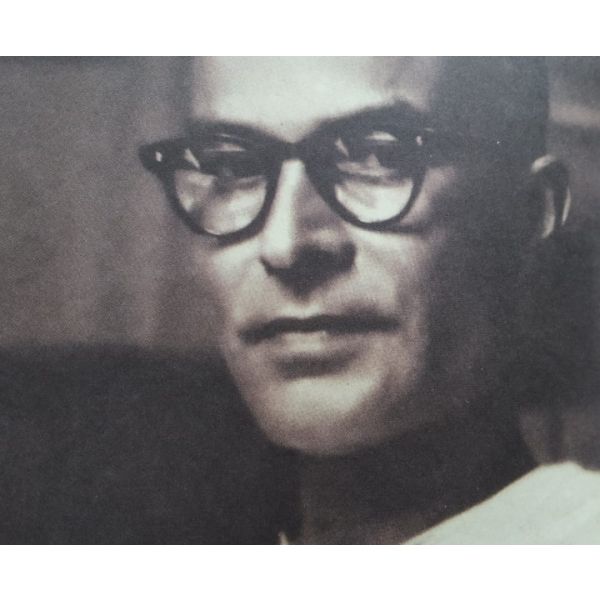 ArtistsManiklal Banerjee$0.00A watercolourist par excellence known for his paintings on silk, Maniklal Banerjee was born in Borisal in present-day Bangladesh. He studied at Government College of Art in Calcutta and while still a student, became the first Indian artist to receive the Government of India’s scholarship for the arts. Learn More
 -
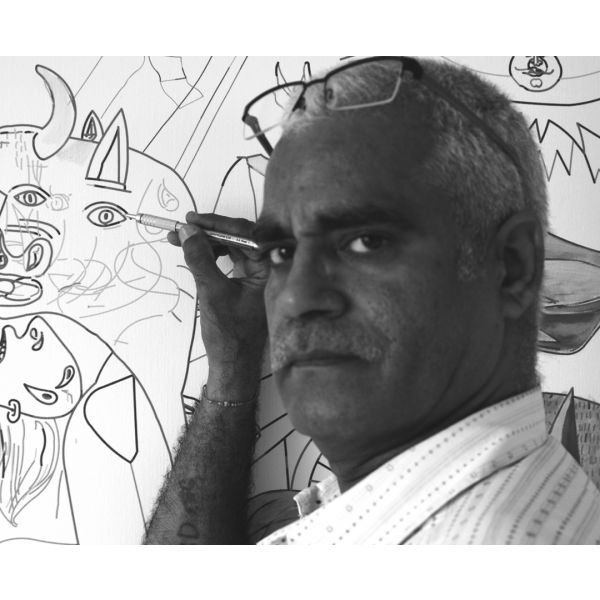 ArtistsDhruva Mistry$0.00A seminal and well-known contemporary Indian sculptor, Dhruva Mistry’s art, in his own words, is a ‘dialogue of an artist as a maker pursuing enigma of an omnipresent consciousness’. Learn More
 -
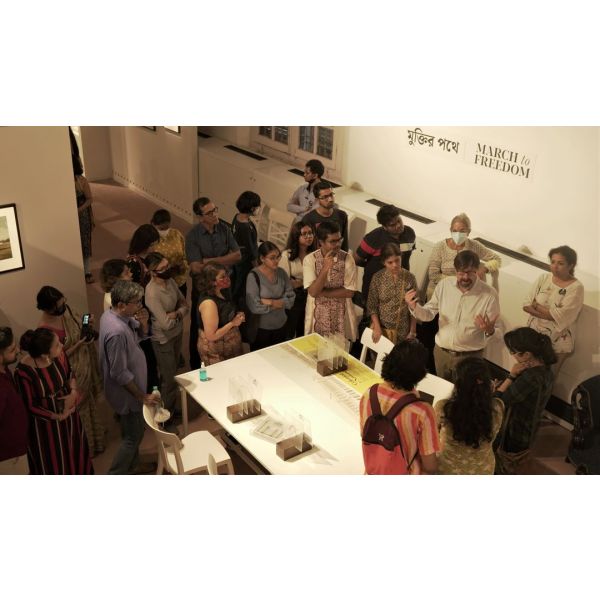 Events and ProgrammesCurator's Take$1.00
A guided walk of the exhibition with the curator and contributing writers, exploring the lesser-known narratives of the Independence movement.
Learn More -
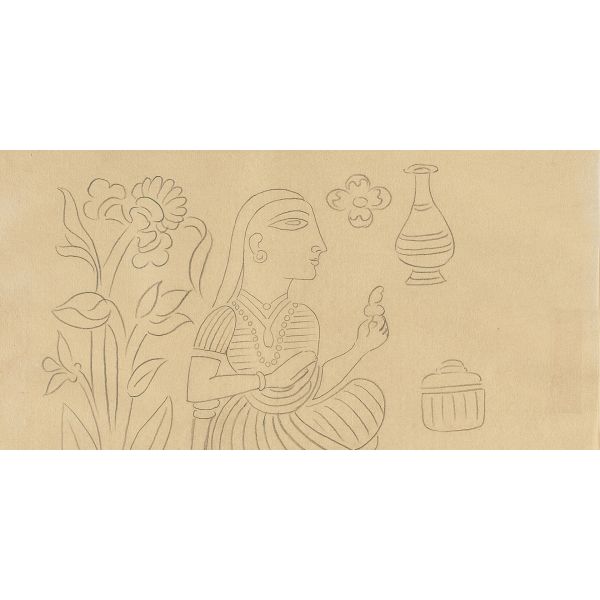 JournalSketching a Temple: Nandalal Bose’s Konark album$0.00
One of India’s nine national treasure artists, Nandalal Bose (1882—1966) forged a long and glittering career as the foremost artist-pedagogue bridging the late-colonial period and the first few decades after Indian independence. He maintained an active drawing practice throughout his life, with many small sketches done on postcards that he carried around with him as a sort of visual notebook.
Learn More -
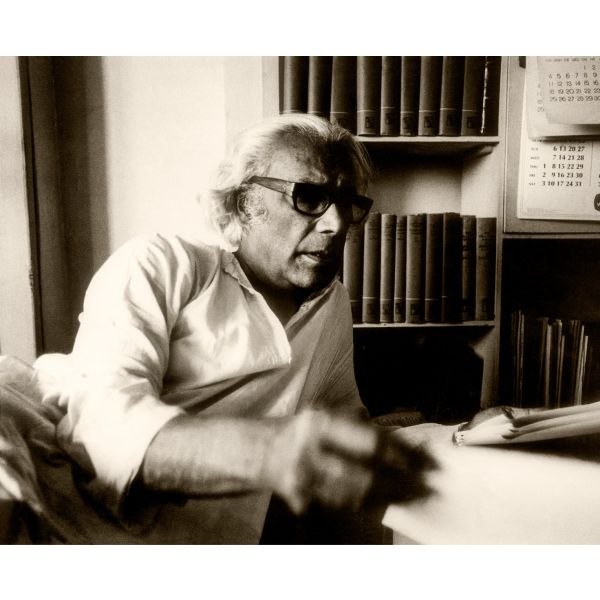 ArtistsProdosh Das Gupta$0.00Born in Dacca (now Dhaka) in present-day Bangladesh, Prodosh Das Gupta studied sculpture under Hiranmoy Roy Chowdhary at the Lucknow School of Arts and Crafts (1932-33), and under D. P. Roy Chowdhury at Government School of Art and Craft, Madras (1933-37). Over the next two years, he studied bronze casting at LCC Central School, London, and sculpture at Royal Academy of Arts, London, and Académie de la Grande Chaumière, Paris. He returned to India in 1940 and set up his studio in Calcutta. He subsequently taught at M. S. University, Baroda, and at Calcutta’s Government College of Arts and Crafts. Learn More
 -
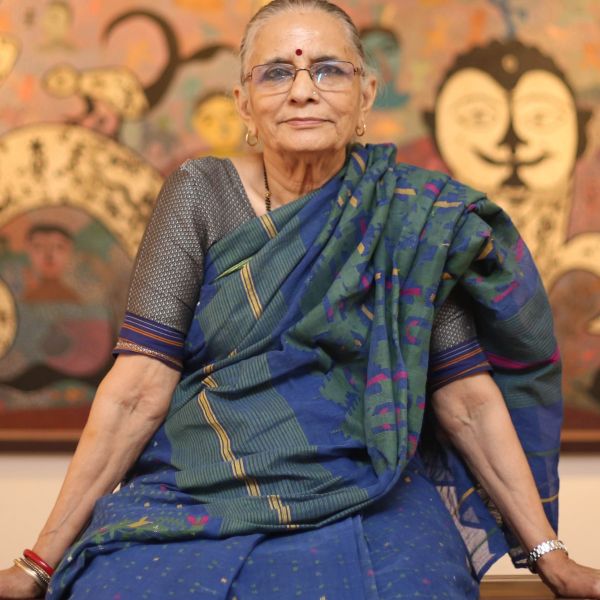 ExhibitionsMadhvi Parekh: The Curious SeekerAs low as $1.00
Spanning five decades of her painterly career, this retrospective includes iconic works by Madhvi Parekh which represent every phase of her illustrious career. The show also includes rare drawings and paintings from the 1960s, when the influence of Paul Klee’s abstraction on her early work was evident. Given the solid representation of Parekh’s paintings from every decade, the exhibition allows viewers to see the continuity in her vision and focus.
Learn More -
 Events and ProgrammesPigment: Histories$1.00
Conversations, sketches and readings on Benode Behari Mukherjee’s practice and his experiments with pigment making, with Sampurna Chakraborty.
Learn More