Search results for: 'was lay bankz a nerd in high school'
-
-
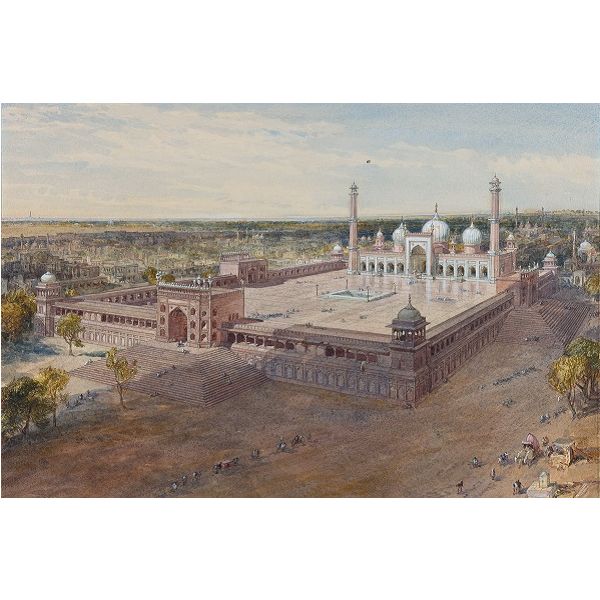 JournalRepresenting Architecture: How art influenced architecture$0.00European artists and architects were deeply influenced by the rich cultural heritage and artistic traditions of India, which, in turn, influenced their architectural designs. Artistic representations served as a bridge between cultures, leading to the incorporation of Indian motifs, styles, and decorative elements in colonial architecture. Learn More
 -
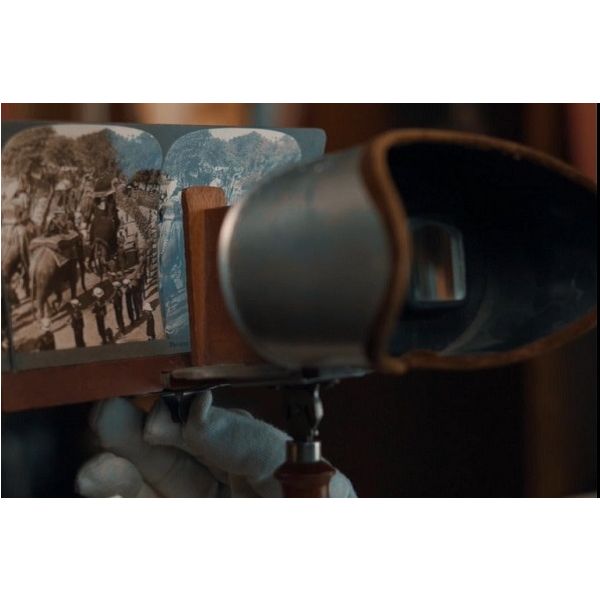
 ExhibitionsDelhi Durbar: Empire, Display and the Possession of HistoryAs low as $1.00
DAG invited leading historians of Delhi, Swapna Liddle and Rana Safvi, to explore our archives collection. The items they found there include numerous photographs of the three durbars, taken by prominent photographers of the day. They also include many other objects relating to the durbars, from portraits and medals, to maps and official guidebooks, and to tickets and programmes. Historians in the past have analysed the ideology of the Delhi durbars, but never before has such a collection of the material culture of these events been brought together for display.
Learn More -
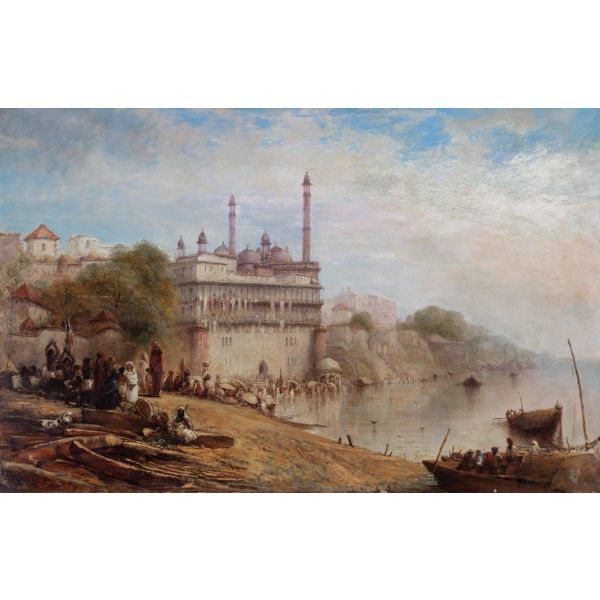
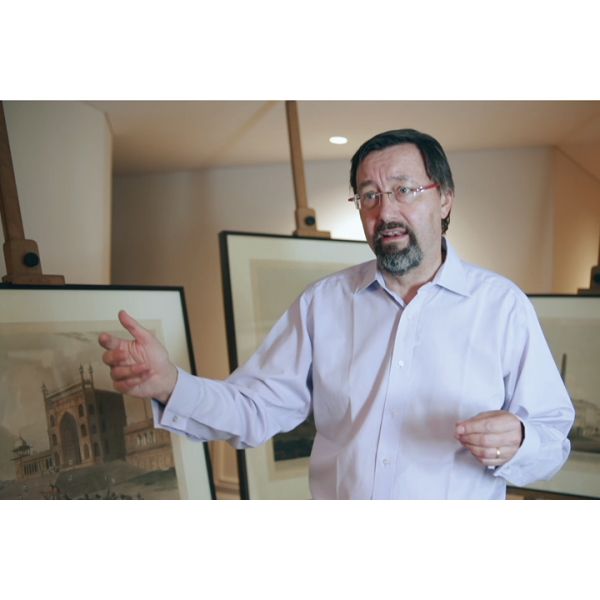 JournalOriental Scenery: Aquatints by Thomas & William Daniell$0.00
What wonder it must have been for the people in England to ‘see’ India for the first time, the exotica that they had only heard of until then! The artists who made this possible through their paintings and aquatints were the uncle-nephew duo of Thomas Daniell and William Daniell, whose magnum opus, Oriental Scenery, was the subject of this landmark exhibition at Drishyakala, a joint collaboration between DAG and the Archaeological Survey of India.
Learn More -
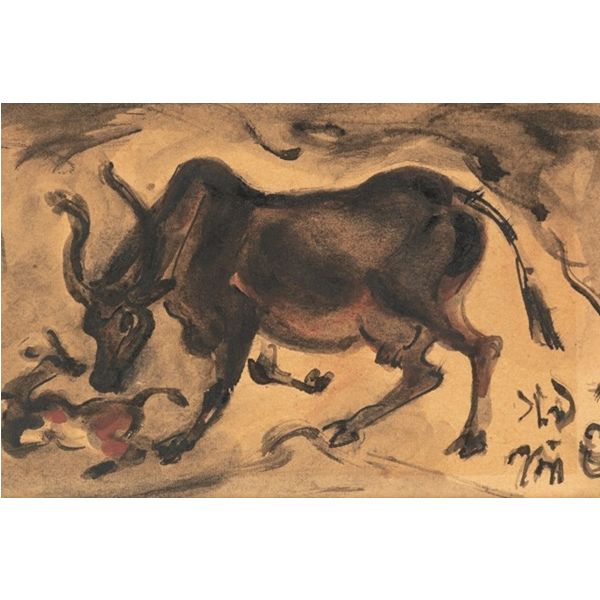
 ExhibitionsAltafAs low as $1.00
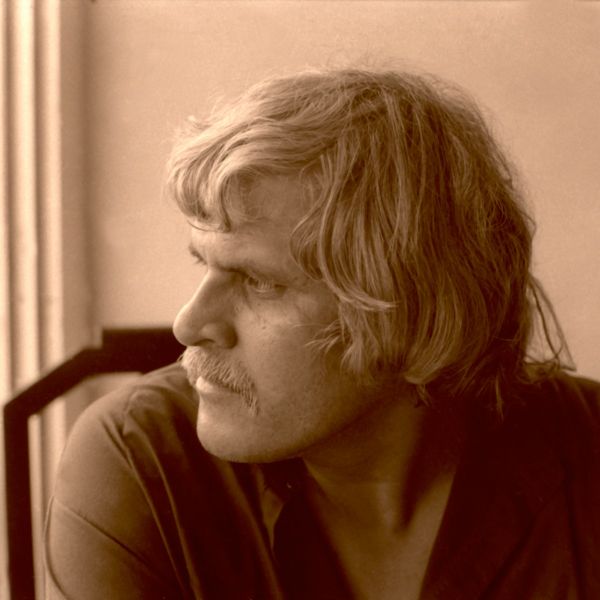
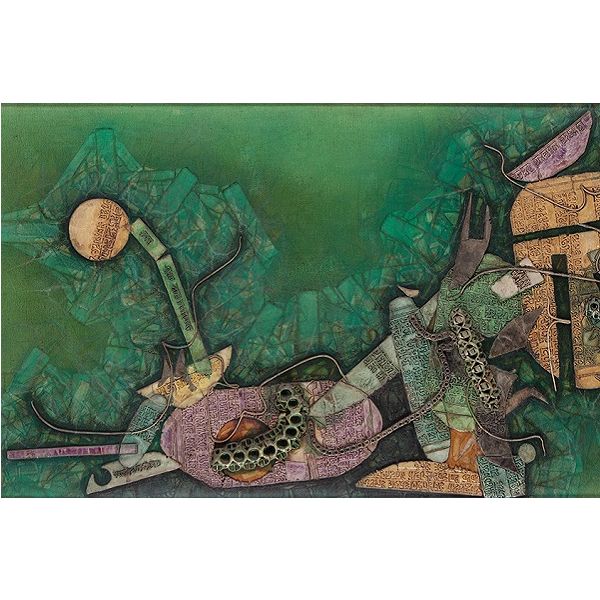
In the articulation of twentieth century art, where does one place Altaf Mohamedi? That question has probably troubled more curators than we realise. Altaf, who studied art in London before returning to Bombay (now Mumbai) was following in the footsteps of his elder sister and artist Nasreen Mohamedi, but that is where all similarities ended. Where Nasreen was an abstract, sparse artist who created a distinctive language using, for most part, rigid, inflexible lines that nevertheless sang on the paper over which they were made, Altaf’s work was intensely political and social.
Learn More -
-
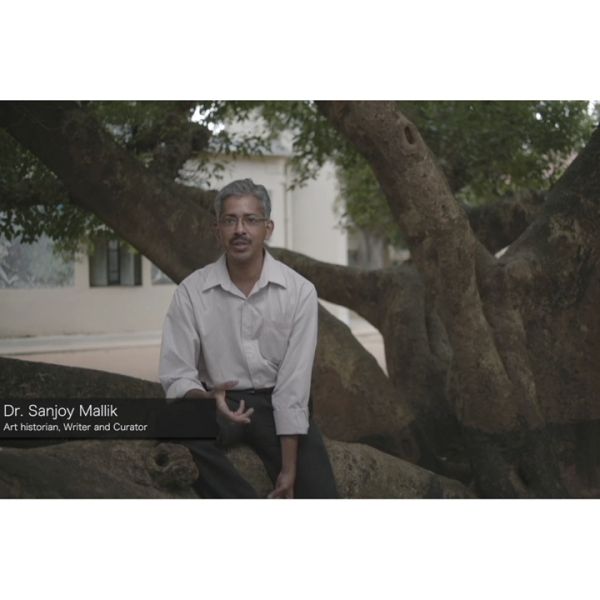 JournalNavratna: India’s National Treasure artists$0.00It was in the 1970s that the government of India declared nine artists as National Treasures, attesting to the significance of their contribution to the shaping of modern Indian art identity. ‘Navratna: Nine Gems of Indian Art’ was a unique opportunity to see seminal works by all the nine together, to understand the uniqueness of their collective contribution, at Drishyakala, a joint collaboration between DAG and the Archaeological Survey of India. Learn More
 -
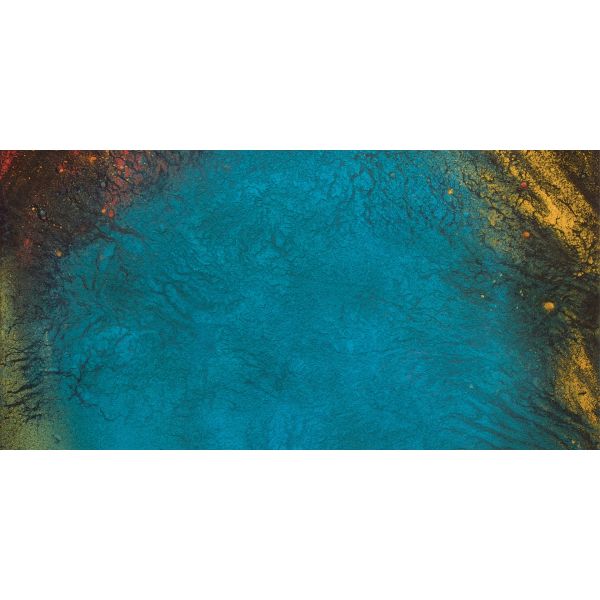
 ExhibitionsPrabhakar Barwe: Between Object and SpaceAs low as $1.00
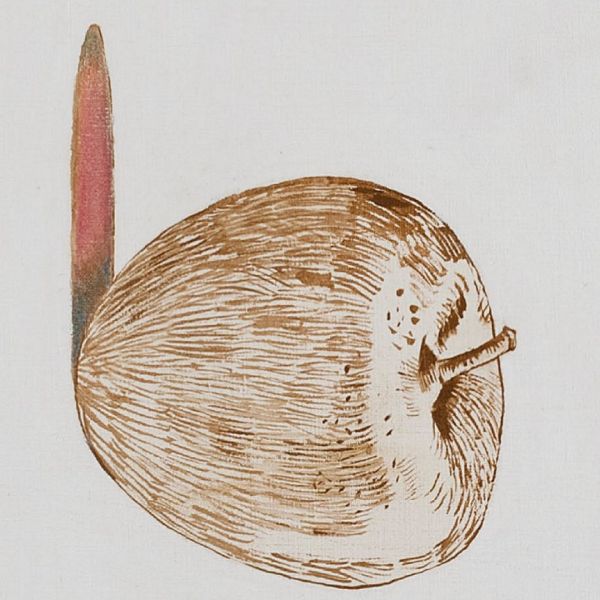
Prabhakar Barwe (1936-95) could well have ended up a theoretician whose book 'Kora Canvas' (Blank Canvas) was a manifesto that established the multi-dimensional relationship between an artist, the object on which he paints, and his subjects. That he was not just an intellectual scholar but an artist whose work speaks for him, is evident through a range of works in which Barwe dissects our understanding of the world and how we view it. Taking commonplace objects and our perception of their existence in the space they occupy, he shifts the dialogue to a point of discomfiture that makes us question our understanding of them. Using scale, discordant juxtapositions, and displacements, he reimagines the everyday in a manner that is thought-provoking, even provocative, as alternate realities—whether perceived or imagined.
Learn More