Search results for: 'japanese dub loud house why are lori and leni are not gravue models'
-
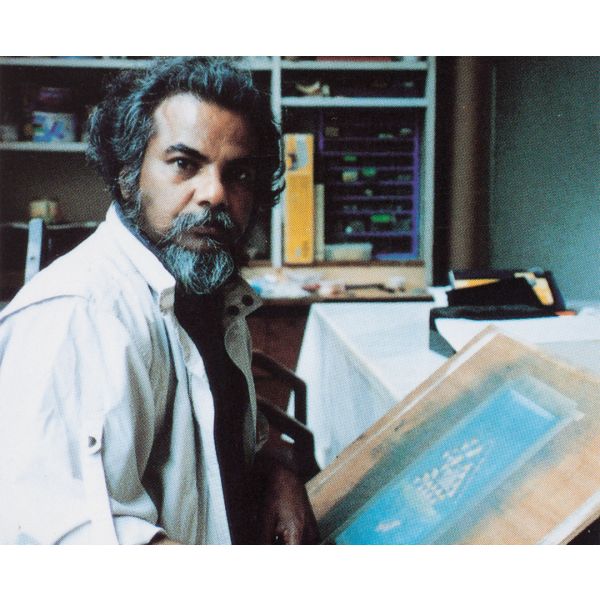 ArtistsAkkitham Narayanan$0.00Akkitham Narayanan was born in Kerala to a family involved in conducting Vedic rituals. He obtained a diploma in painting from the Government College of Art and Craft, Madras, in 1961, where he studied under noted painter K. C. S. Panicker, who also helped him shape his art philosophy. Learn More
 -
 JournalThe French Connection: S. H. Raza at Paris' Centre Pompidou$0.00
In February, Paris' Centre Pompidou--a premier centre for modern art since its construction in 1977--mounted an extensive solo show looking back at S. H. Raza’s career in painting. It represents a historic moment for Indian modern art’s international story as it unfolded over the twentieth century, and also marked Raza's own symbolic return to the place where he stayed for most of his working life. The fertile post-independent period saw cross-cultural connections being forged by Indian artists in Europe and America on their own terms and this show is a testament to Raza’s evolving encounters with land and mythology. The curators, Catherine David and Diane Toubert, spoke to DAG highlighting some of the takeaways from this major retrospective.
Learn More -
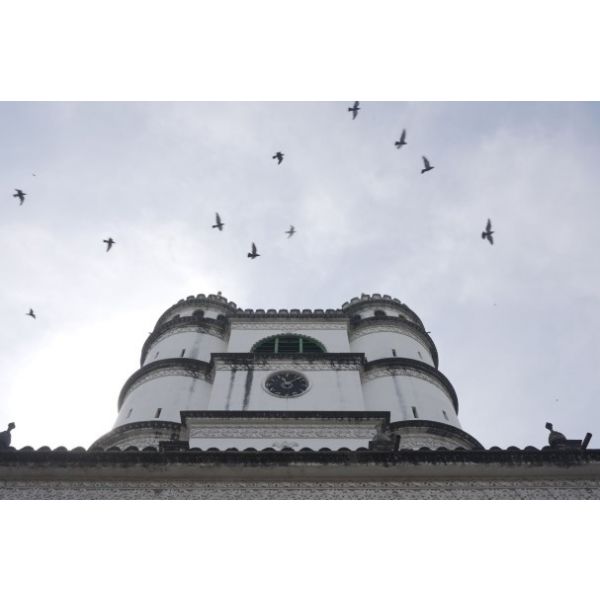 JournalThe City as a Museum: Edition 2, Kolkata 2023$0.00
'The City as a Museum' in an annual art and heritage festival by DAG's Museums Programme. The second edition returned to Kolkata to celebrate the city's rich history of artistic practices and exchange. We travelled across the city and beyond to heritage spaces, artists' homes, and rare collections through unique walks, workshops, talks, performances and more. Explore a snapshot of this journey through photographs by Parameshwar Halder.
Learn More -
 Collection OnlineDEVIS$1.00
The Devi or the female power in Hindu mythology appears in various avatars in our everyday lives—as idols during the puja, on covers of magazines, product labels, calendars and posters. The modern history of visualising the Devi goes back to naturalistic depictions in oil paintings by the Early Bengal artists, which were surpassed in popularity and fame by Raja Ravi Varma and his studio. His representation, however, was regarded as too human-like by artists of the Bengal School in the early twentieth century, who created idealised forms based on a synthesis of classical visual traditions. In the twentieth century, we find artists responding to distinctive traits of the goddess to portray specific aspects of her power, or to convey the artist's own relationship with divinity. Few artists who have turned to Hindu myths have been able to escape the temptation to interpret the female power in their own way, and the diversity in style, medium, and mood is a testament to that.
Learn More -
-
-
-
-
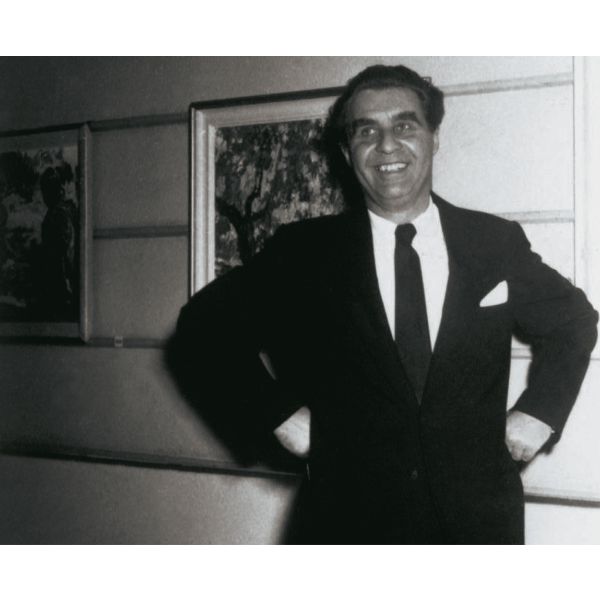 ArtistsWalter Langhammer$0.00Born in Graz, Austria, Walter Langhammer came to India in the 1930s with his wife Käthe Urbäch, escaping Nazi Germany like other refugees. Some media reports suggest that British authorities had arrested the couple on their arrival in India till a friend, noted art critic Rudolf von Leyden, came to their rescue. Learn More
 -
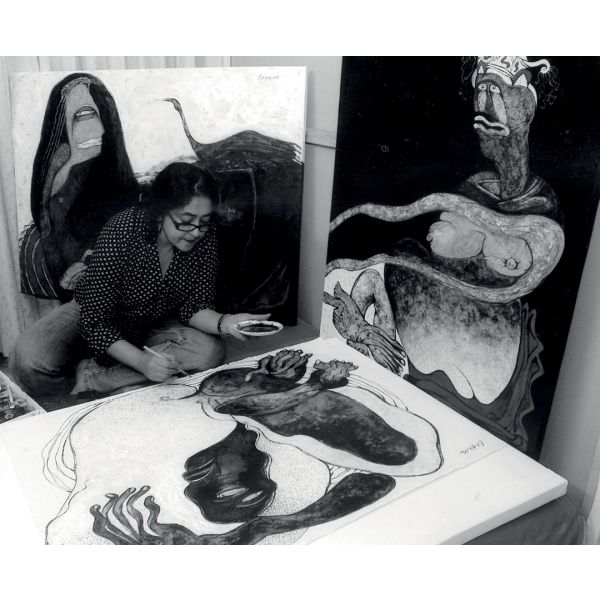 ArtistsJaya Ganguly$0.00Jaya Ganguly is known for turning the concept of aesthetics on its head while portraying social hypocrisies through her paintings. However, it’s not just the duplicity of the privileged vis-à-vis the have-nots that she seeks to express, but also the pretenses that the former keep up with in their comfortable yet orthodox existence. Learn More
 -
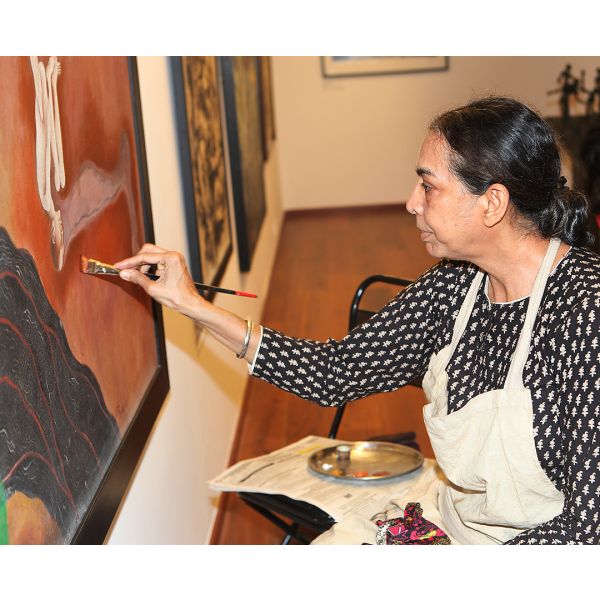 ArtistsArpana Caur$0.00Born in New Delhi in 1954, Arpana Caur completed her post-graduation in literature from Delhi University before choosing art as her vocation. She started studying painting at Central Saint Martins art college in London but could not complete the course. Learn More
 -