Search results for: 'Tantra on the Edge Inspirations and Experiments in Twentieth Century Indian Art'
-
-
 JournalRepresenting Architecture: How art influenced architecture$0.00European artists and architects were deeply influenced by the rich cultural heritage and artistic traditions of India, which, in turn, influenced their architectural designs. Artistic representations served as a bridge between cultures, leading to the incorporation of Indian motifs, styles, and decorative elements in colonial architecture. Learn More
 -
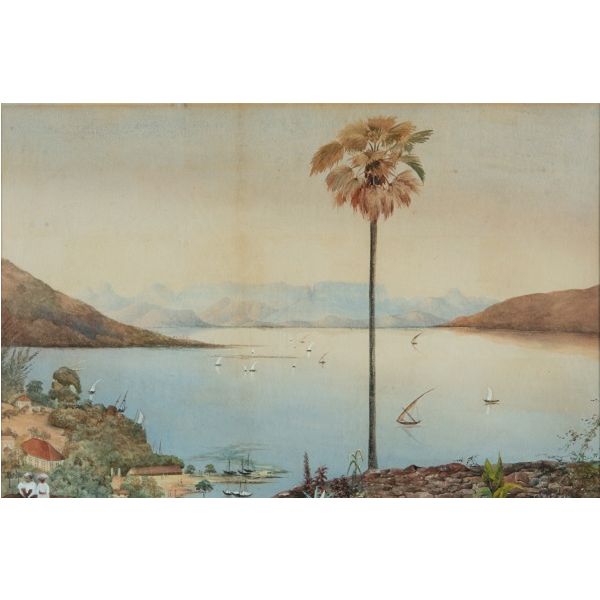 JournalBombay through the eyes of European Artists$0.00
The city was consolidated over the course of the eighteenth century, and its access to global trade routes helped it grow over the following centuries as well, leading some to describe it as the 'door of the East with its Face to the West'. How did European artists view this growing city?
Learn More -
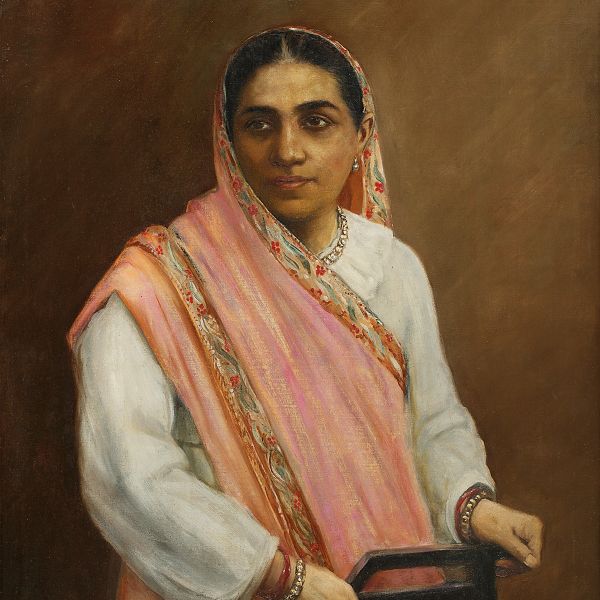
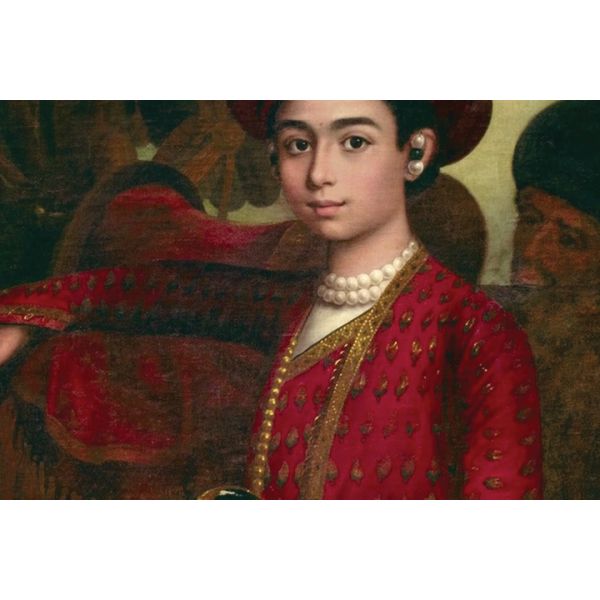 JournalPortraits$0.00With ‘Indian Portraits: The Face of a People’, DAG uncovers the layers that have gone into the practice of portraiture in the country—a survey exhibition spanning two centuries of the genre in India. From British and Indian royalty to streetside portraiture, this is a quick overview of an India past and present. Learn More
 -
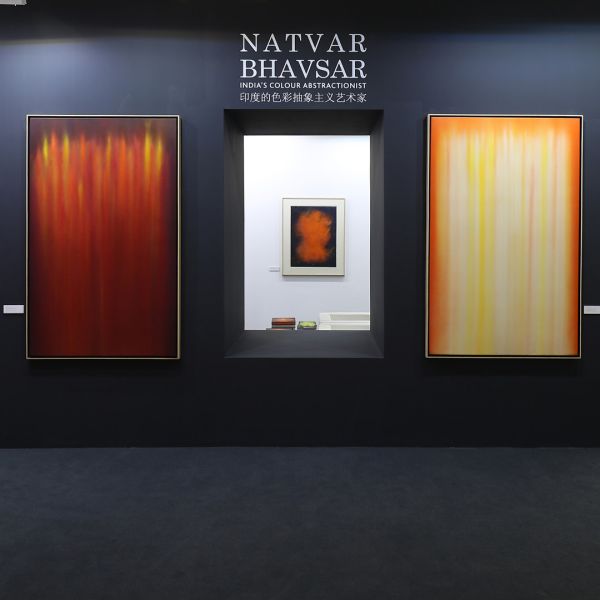 Art FairsArt021 Shanghai$0.00
New York-based, Indian artist Natvar Bhavsar has been one of the most important painters of his generation. Influenced by the colour field artists of America in the 1960s, he became acquainted with them and took their language forward in his unique manner. A celebrated international artist, Bhavsar’s works have been widely collected by institutions and museums in America and the West.
Learn More -
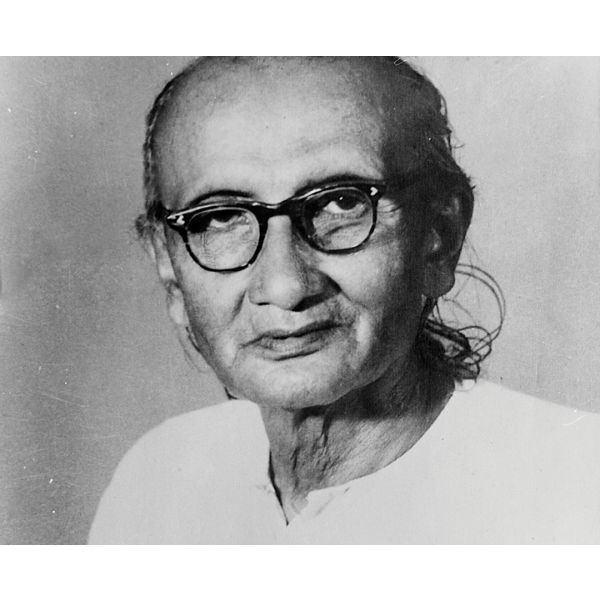 ArtistsKshitindranath Majumdar$0.00Kshitindranath Majumdar, born on July 31, 1891, in Jagtai village of Murshidabad in West Bengal, is often referred to as a saint-artist who considered art as a form of devotion. Strongly influenced by Vaishnavism as propounded by the fifteenth century saint, Chaitanya Mahaprabhu, Majumdar trained in hymn singing, interpreted legends from Indian epics, and acted in productions of the theatre group owned by his father. Learn More
 -
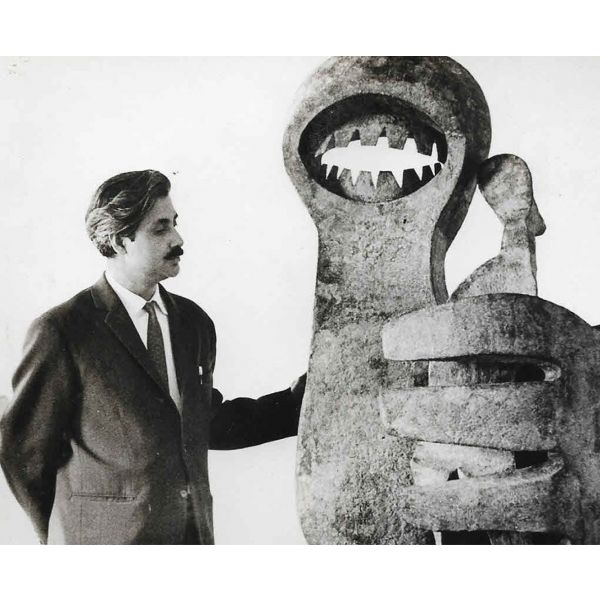 ArtistsAmar Nath Sehgal$0.00Modernist sculptor Amar Nath Sehgal was one of the earliest Indian artists to take legal action under the Indian Copyright Act defending his moral right over his work. In 1957, Sehgal created a mural for Vigyan Bhavan, New Delhi, on a government commission, which was pulled down without his permission or any intimation in 1979. Sehgal went to court and won the lawsuit. Learn More
 -
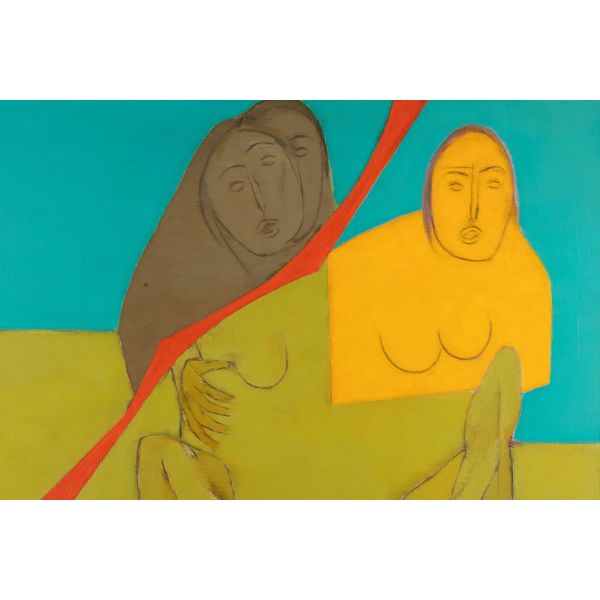 JournalTerm Of The Month: The Diagonal Method$0.00
As one of India’s most well-known artists, Tyeb Mehta still commands our attention for his commitment to experimentation. His ‘Diagonal series’ established him as a dynamic figure within the world of modern art, but how did this diagonal method come to be an important tool of composition in the last century? It all started with the invention of another compoitional tool called the 'rule of thirds'. Read below as we explore the origins of this artistic tool and see how it has evolved over time.
Learn More -
 JournalThe Last Effort and Fall of Tippoo Sultaun by Henry Singleton$1.00
Henry Singleton’s The Last Effort and Fall of Tippoo Sultaun belongs to a genre known as history painting: the depiction of important historical events, usually on a large scale, as if they were playing out in front of one’s eyes. Author and parliamentarian Shashi Tharoor and art historian Giles Tillotson explain the lively imagination deployed in Singleton’s painting that depicts the British assault on Seringapatam and the killing of its ruler, Tipu Sultan—himself the source of so many stories that it was difficult to unravel the truth from the many falsities spun by the biased colonial administration and historians of the time.
Learn More -
 ExhibitionsAnupam SudAs low as $1.00
That Anupam Sud is one of the most prominent printmakers in the country is a given, even though it would be unfair to limit so versatile an artist to only being a printmaker. Indeed, her body of work includes paintings, drawings, sculpture, bookmaking—and as you will see through the pages of the book accompanying the exhibition, a record-keeper observing the passage of time with self-portraits that she has undertaken to make periodically. A role-model for generations of artists and printmakers through her work and for her influence as a teacher at the prestigious College of Art, New Delhi, Anupam Sud’s name evokes recognition around the world where she has admirers, collectors of her work, and students who have trained under her.
Learn More