


Search results for: 'Delhi Durbar Empire Display and the Possession of History'
-
 Art FairsIndia Art Fair$1.00
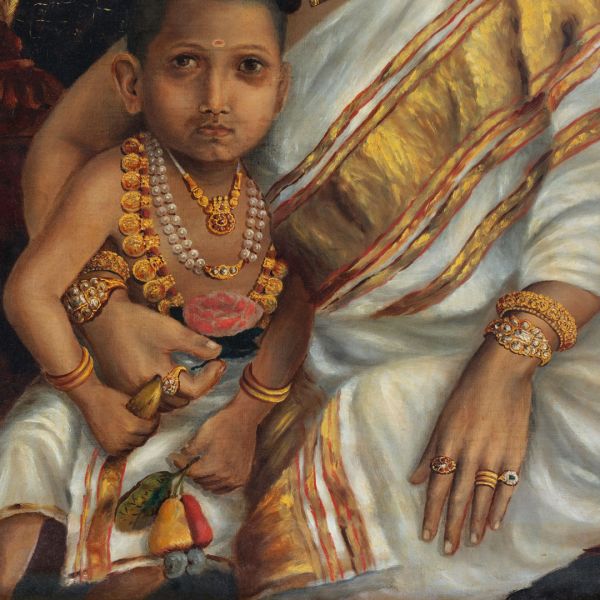
The DAG booth at India Art Fair has always aspired to provide its thousands of visitors with their most unique art-viewing experience based on rarity, historicity, and quality, raising the bar each year with works of sterling importance in addressing the art history of the subcontinent. Abanindranath Tagore, Allah Bux, Anonymous (Early Bengal), Dhanraj Bhagat Jamini Roy, Krishen Khanna, Ram Kumar, M. A. R. Chughtai, M. F. Husain, Madhvi Parekh, Nandalal Bose, Nirode Mazumdar, Prabhakar Barwe, S. K. Bakre, Sailoz Mookherjea, Shanti Dave, Sohan Qadri, Thomas Daniell, Raja Ravi Varma, Edwin Lord Weeks, F. N. Souza, M. V. Dhurandhar
Learn More -
 Art FairsMasterpiece$0.00
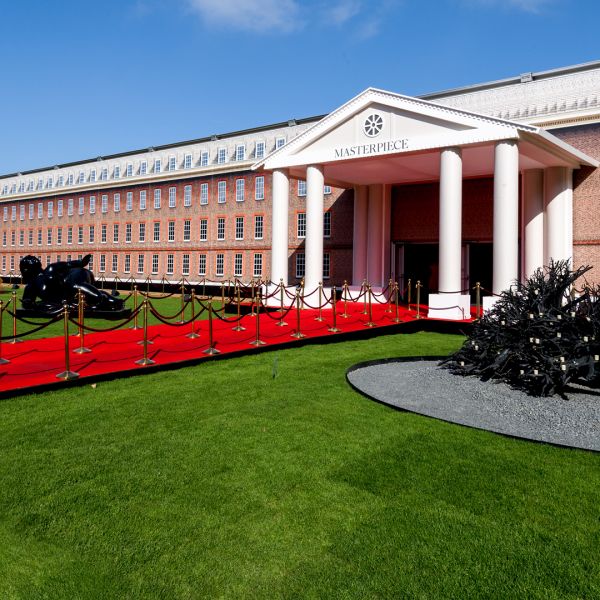
DAG debuted at the prestigious London fair in its seventh edition held in 2016. The gallery exhibited a delectable range by modern Indian masters such as Hemen Mazumdar, Rabindranath Tagore, F. N. Souza, G. R. Santosh and Avinash Chandra. Works on display included expressionist paintings by Rabindranath Tagore, metal sculptures by S. K. Bakre, erotica-inspired art by Avinash Chandra and Hemen Mazumdar, and tantric meditations of S. H. Raza and G. R. Santosh. The museum-quality show was executed along with an event-specific publication. Avinash Chandra Bikash Bhattacharjee Dhanraj Bhagat F. N. Souza G. R. Santosh Hemendranath Mazumdar Kshitindranath Majumdar M. F. Husain Rabindranath Tagore Radha Charan Bagchi Ramkinkar Baij S. K. Bakre S. H. Raza F. N. Souza George Keyt Jehangir Sabavala K. K. Hebbar Krishen Khanna Natvar Bhavsar Ranbir Kaleka Rameshwar Broota Krishen Khanna Ram Kumar Tyeb Mehta Rabin Mondal Jamini Roy
Learn More -
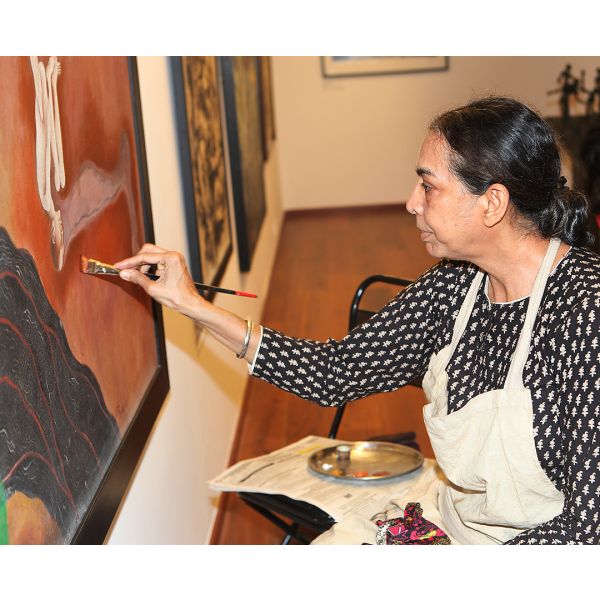 ArtistsArpana Caur$0.00Born in New Delhi in 1954, Arpana Caur completed her post-graduation in literature from Delhi University before choosing art as her vocation. She started studying painting at Central Saint Martins art college in London but could not complete the course. Learn More
 -
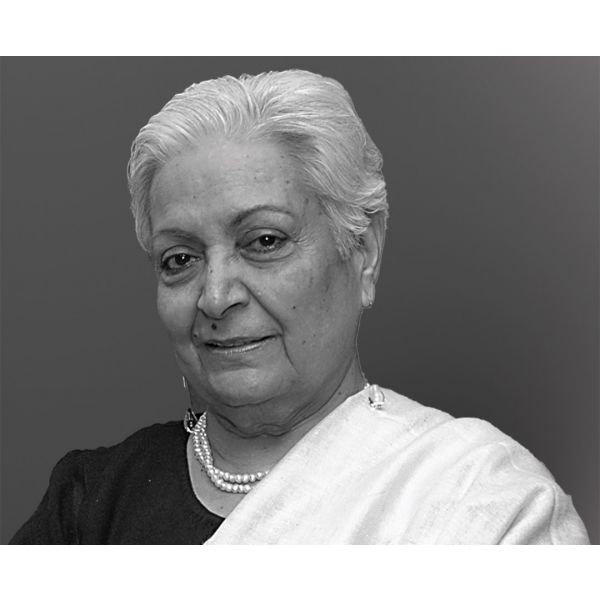 ArtistsZarina Hashmi$0.00Zarina Hashmi née Rasheed (she dropped her surname in later life) was born on 16 July 1937 in Aligarh to Sheikh Abdur Rasheed, a professor of history at the Aligarh Muslim University (AMU). She was ten at the time of the Partition and the consequent events impacted her life and her art forever, especially since her family chose to migrate to Pakistan some years later. Learn More
 -
 ArtistsSushil Chandra Sen$0.00Enamoured by watercolour as a medium, Sushil Chandra Sen studied at Government School of Art, Calcutta; in 1936, he joined the school as a lecturer. He also taught briefly at Delhi Polytechnic before returning to Calcutta to officiate as vice-principal of his alma mater. Learn More
 -
 Art FairsArt Stage Singapore$0.00
Given Singapore’s sizeable Indian population and its position as a leading financial centre, DAG’s debut at Art Stage Singapore was an obvious corollary. Indian artists are avidly collected in this city-state but DAG’s attempt, as always, was to introduce the masters to visitors at the fair. While keeping in mind the best modernists, it also curated a selection most likely to appeal to Eastern sensibilities—thereby displaying its range and the diversity of Indian art. Akbar Padamsee Ambadas Avinash Chandra B. Prabha Bikash Bhattacharjee Dhanraj Bhagat F. N. Souza G. R. Santosh Gogi Saroj Pal Himmat Shah J. Sultan Ali Jeram Patel K. H. Ara K. K. Hebbar Laxman Pai M. F. Husain N. S. Bendre P. T. Reddy Paramjit Singh Prokash Karmakar Rabin Mondal Ram Kumar S. Dhanapal S. H. Raza Sakti Burman Sohan Qadri Sunil Das
Learn More -
 JournalPopular Prints and the Freedom Struggle$0.00The role of popular prints in providing a visual lexicon to India’s freedom struggle—carrying images of its vital players and events to the farthest corners of the country—received a tremendous boost with this Paula Sengupta-curated exhibition at Drishyakala, Red Fort, Delhi, in 2019, a joint collaboration between DAG and the Archaeological Survey of India. Learn More
 -
 Events and ProgrammesModern Art in Pakistan$1.00
A journey through the decades post the 1950s in Pakistan with art historian Simone Wille, from the University of Innsbruck, exploring the works of pioneering artists who looked to history and tradition to develop new visual languages, while also creating dialogues globally through travel.
Learn More -
 Events and ProgrammesLiving with Science$1.00
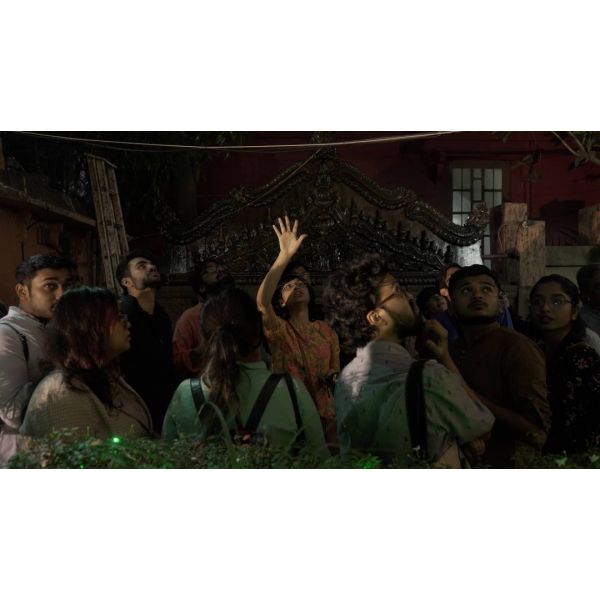
A walk by researcher Namrata Ghosh on the history of the house museum at Acharya Bhavan and the Bose Institute, focusing on J.C. Bose’s unique collection of iconic Bengal art.
Learn More -
 ExhibitionsMaster Maqbool: Works by M. F. HusainAs low as $1.00
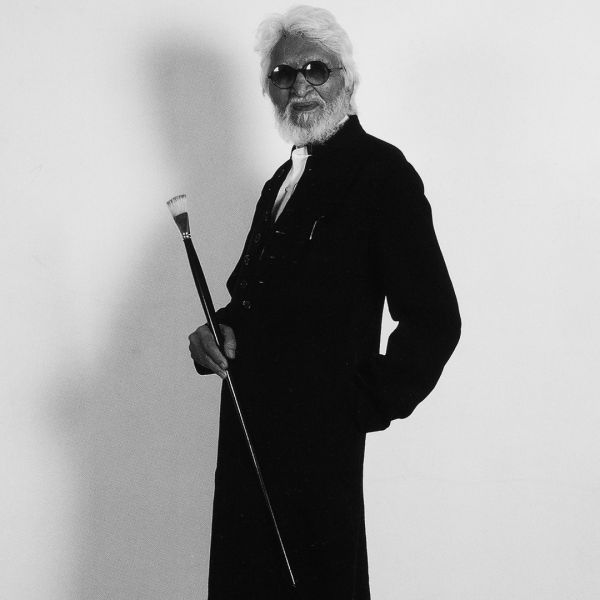
He was the colossus of the Indian art world whose reign over twentieth-century modern art remains unparalleled. M. F. Husain (1913-2011) was the face of Indian modernism and owned it completely. Having started out as a painter of billboards in Bombay, he became its unchallenged monarch as a member of the influential Progressive Artists’ Group in 1947. He claimed the first National Award instituted by the Lalit Kala Akademi in 1955, and went on to become India’s most celebrated artist. In a practice that spanned over seventy years, Husain was playful, experimental, provocative, controversial—but never mediocre.
Learn More -
 ExhibitionsTHE CENTUM SERIES EDITION 1As low as $1.00
Indian modernism is rich in diversity with a dizzying succession of artists who have each carved a niche for themselves in the rich firmament of art practice in the country. Open to influences from the West, reaching deep into the roots of their own culture, exploring and experimenting across mediums, absorbing ideas, reinterpreting established norms, Indian art defies any easily tailored silos to carve for itself a confident assertion of its own identity within a global context, while being a part of its larger assimilative journey.
Learn More -
 Institutional CollaborationsDRISHYAKALA$1.00
How did the multiple trajectories of visual arts develop in the subcontinent? Where did they originate and how did their paths converge? Drishyakala offers a sweeping journey into the heterogenous histories of visual arts in India, from the first European travelling artists who drew landscapes to popular prints of the earliest woodcuts and lithographs evolving into the thriving advertising visuals of the 20th century. The exhibition is broadly divided into four categories, each exploring an unique area of development—the art of portraiture through photography and painting, oriental sceneries drawn by European travelling artists, popular prints from the late eighteenth century to post-independence and artworks of the nine National Treasure Artists. Together, these sections give brief glimpses into the dizzying variety of forms, styles and languages of South Asian art.
Learn More