


Search results for: 'assistir it a coisa de graça'
-
 Art FairsIndia Art Fair$1.00
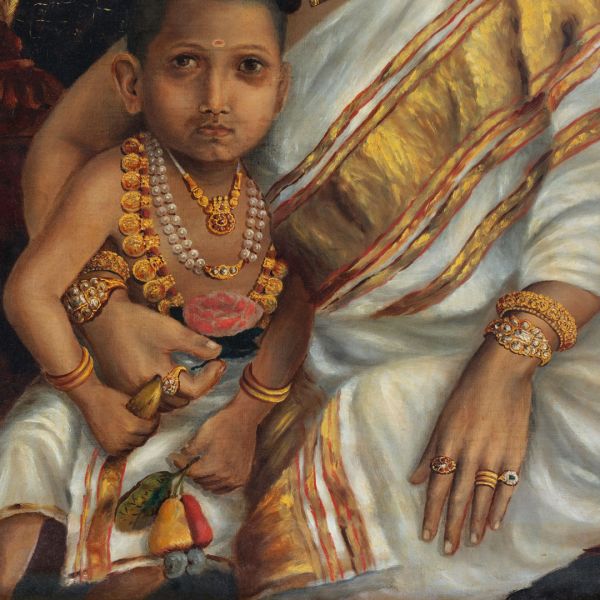
The DAG booth at India Art Fair has always aspired to provide its thousands of visitors with their most unique art-viewing experience based on rarity, historicity, and quality, raising the bar each year with works of sterling importance in addressing the art history of the subcontinent. Abanindranath Tagore, Allah Bux, Anonymous (Early Bengal), Dhanraj Bhagat Jamini Roy, Krishen Khanna, Ram Kumar, M. A. R. Chughtai, M. F. Husain, Madhvi Parekh, Nandalal Bose, Nirode Mazumdar, Prabhakar Barwe, S. K. Bakre, Sailoz Mookherjea, Shanti Dave, Sohan Qadri, Thomas Daniell, Raja Ravi Varma, Edwin Lord Weeks, F. N. Souza, M. V. Dhurandhar
Learn More -
 Art FairsIndia Art Fair$0.00
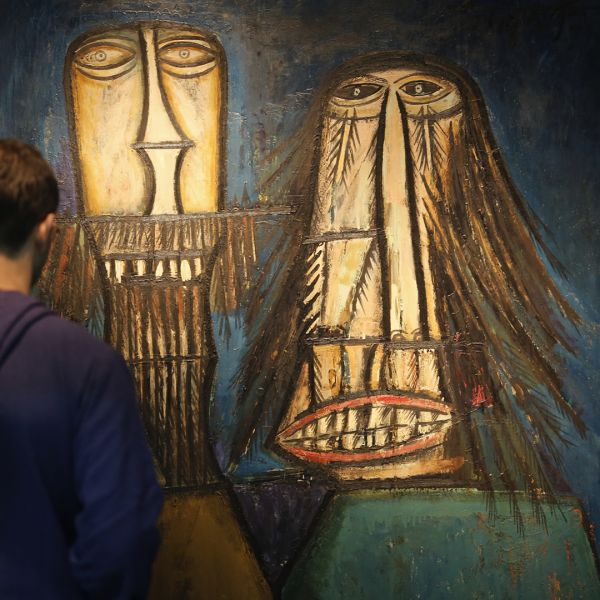
For the second year running at the India Art Fair, DAG built upon its theme with a second edition of ‘Masterpieces of Indian Modern Art’, on a scale as ambitious as the previous year. A portrait by Raja Ravi Varma was the highlight among the old masters, but a stunning painting by F. N. Souza—Man and Woman Laughing—stole the show. Once again, the lavish booth set new standards in terms of display, visitor experience, private lounges, and a souvenir and book store. Special lectures were organised at the booth, and a large number of walkthroughs were arranged for pre-booked groups. As in the previous edition, a large book was published on the displayed works, and a daily art newspaper was published for visitors to the fair. Avinash Chandra Nandalal Bose Chittaprosad F. N. Souza G. R. Santosh M. V. Dhurandhar J. Sultan Ali Jamini Roy K. H. Ara M. F. Husain Ram Kumar S. H. Raza Rabindranath Tagore
Learn More -
 Art FairsMasterpiece$0.00
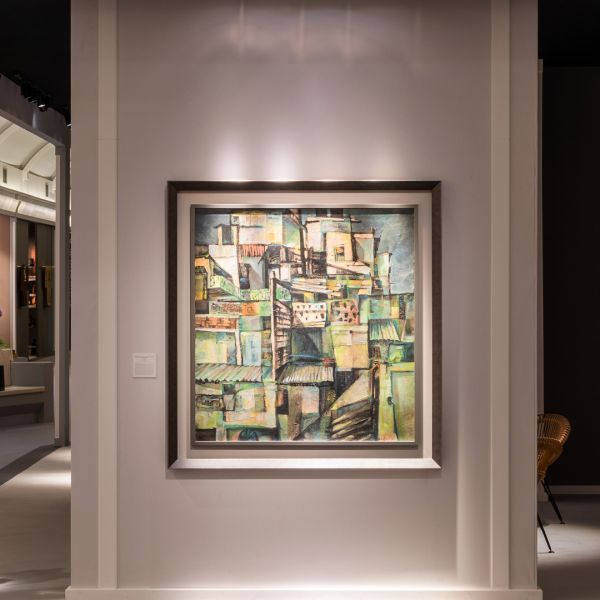
For its fourth consecutive outing at Masterpiece London, DAG continued with the tradition of showing artists who had grown in appeal at the city’s truly cross-collecting ‘masterpiece’ fair, but with enough surprises to interest even the most fair-hardened visitor. From a large and vivid G. R. Santosh to a collection of small-sized Bireswar Sen watercolours, the selection was sensitively curated keeping in mind the cosmopolitan nature of London city and the visitors to the fair. Along with the Progressives, the exhibition included one of the finest sculptures created by Adi Davierwalla, remarkable paintings by Tyeb Mehta, Bikash Bhattacharjee, J. Sultan Ali, Avinash Chandra, and Hemen Mazumdar. As always, the emphasis in the booth lay in creating a rarefied visitor experience in which a handful of works allowed visitors to enjoy them at leisure without causing visual fatigue. The response was overwhelming. G. R. SANTOSH BIRESWAR SEN MADHVI PAREKH S. H. RAZA F. N. SOUZA TYEB MEHTA J. SULTAN ALI DHANRAJ BHAGAT BIKASH BHATTACHARJEE AVINASH CHANDRA SHANTI DAVE ADI DAVIERWALLA SATISH GUJRAL HEMEN MAZUMDAR SOHAN QADRI BIREN DE
Learn More -
 Events and ProgrammesRelearning the Fresco$1.00
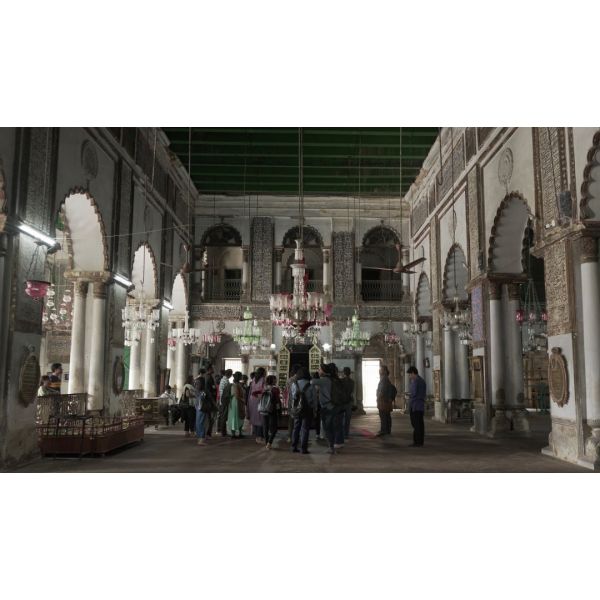
An art workshop and a tour of the Hooghly Imambara, relating the history of this iconic monument and the remaking of the fresco paintings that adorn its interiors with Agnibesh Ghosh, Mirza Sajid Ali and Sumantra Mukherjee.
Learn More -
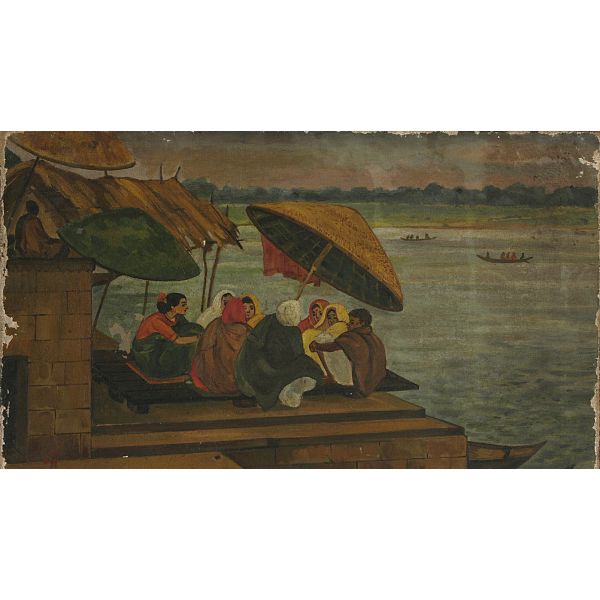 Institutional CollaborationsETERNAL BANARAS$1.00
For millennia, Banaras has captured the imagination of poets, writers, philosophers, and artists. Its sacredness, music, textiles, and food have been extensively explored and commented upon. It has been a muse for countless artists, who have found an abundance of inspiration on the ghats that skirt the Ganga, and in the city's narrow streets and crowded alleyways.
Learn More -
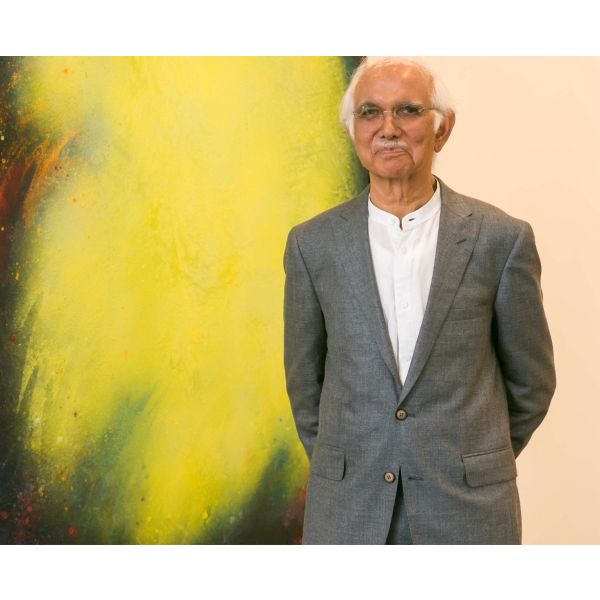 ArtistsNatvar Bhavsar$0.00Born in an educator’s family on 7 April 1934 in a small town in Gujarat, Natvar Bhavsar studied to be a drawing teacher and began his career in Chanasma. He then joined the C. N. School in Ahmedabad for its five-year diploma course in art offered by Sir J. J. School of Art; simultaneously, he continued to study for his master’s in teaching art. Learn More
 -
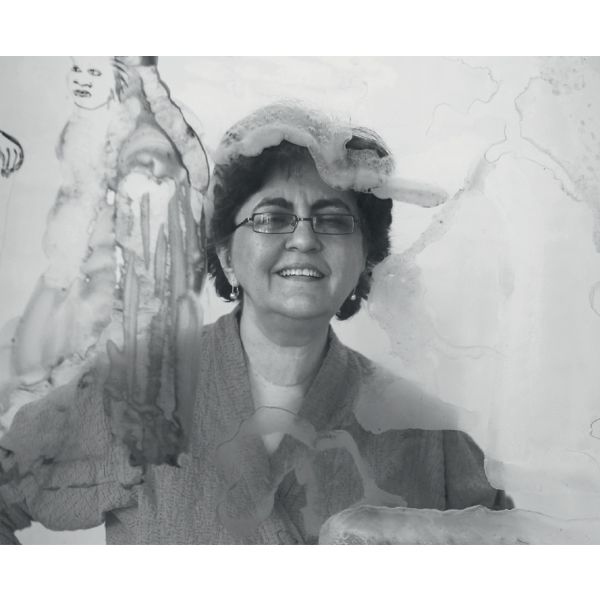 ArtistsNalini Malani$0.00Born in Karachi, a year before it became part of Pakistan, Nalini Malani’s art, unsurprisingly, is built on observing the struggles and strife of people, socio-political changes, and how she observes this. More recently, the lockdown in India on account of the corona pandemic and its impact on migrant workers has impacted her work, even prompting her to post short animations on social media platforms. Learn More
 -
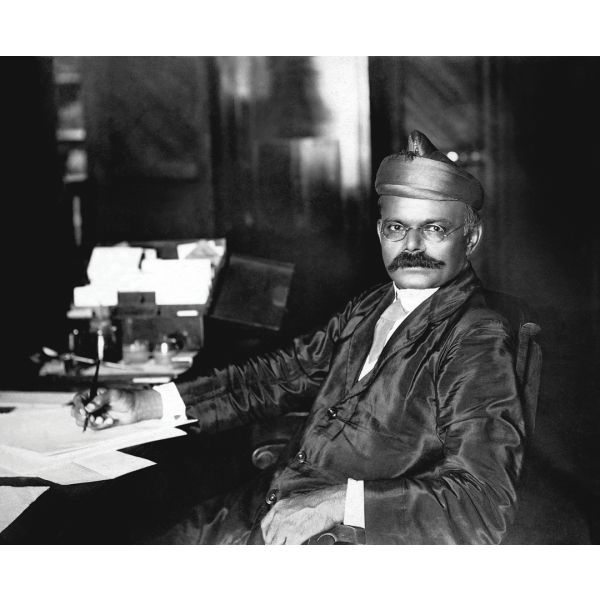 ArtistsM. V. Dhurandhar$0.00Possibly the most popular academic Indian artist after Raja Ravi Varma, M. V. Dhurandhar was born in Kolhapur. An early interest in drawing led his father to admit him to Sir J. J. School of Art, Bombay, where he received special encouragement from its principal, John Griffiths. Learn More
 -
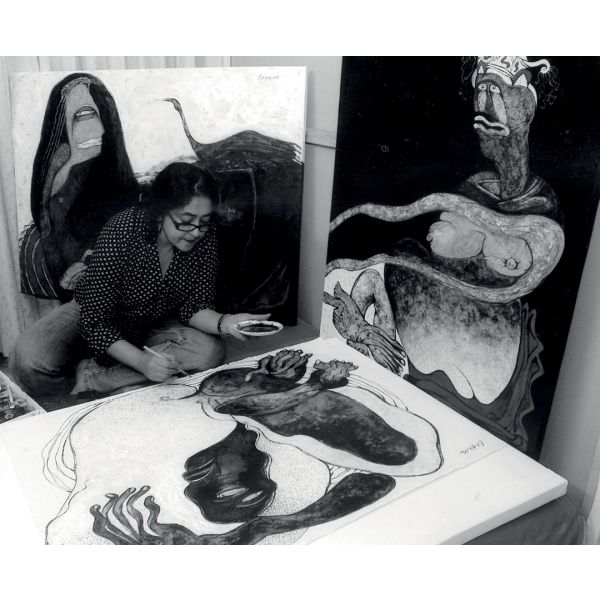 ArtistsJaya Ganguly$0.00Jaya Ganguly is known for turning the concept of aesthetics on its head while portraying social hypocrisies through her paintings. However, it’s not just the duplicity of the privileged vis-à-vis the have-nots that she seeks to express, but also the pretenses that the former keep up with in their comfortable yet orthodox existence. Learn More
 -
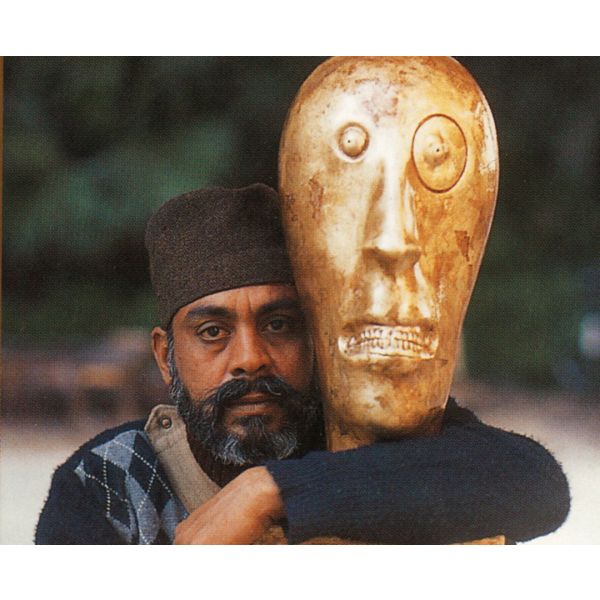 ArtistsHimmat Shah$0.00Born in Lothal in Gujarat, one of the most important sites of the Harappan civilisation (3300-1300 BCE), Himmat Shah’s long-term engagement with terracotta traces its roots to the ancient antecedents of his birthplace, seen especially in his sculptural Heads. Learn More
 -
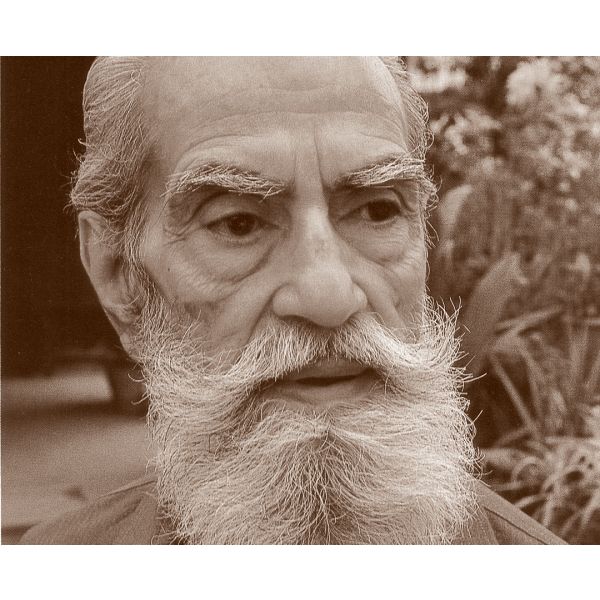 ArtistsB. C. Sanyal$0.00Bhabhesh Chandra Sanyal lived a unique life in the world of Indian art, witnessing the huge arc it cut across the twentieth century—he was born when the revivalist Bengal School was beginning to bloom, and by the time he passed away, modern Indian art had gone global and carved an international art market for itself. Learn More
 -
 ExhibitionsVision & LandscapeAs low as $1.00
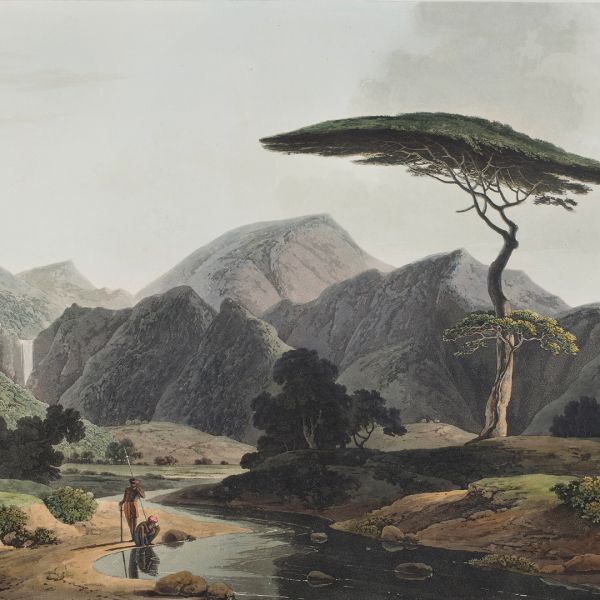
The series of aquatint prints known as Oriental Scenery represent the single largest and most impressive project by English artists to depict Indian architecture and landscape. Thomas Daniell (1749-1840) and his nephew William Daniell (1769-1837) travelled extensively in India between 1786 and 1793. On their return to Britain they produced many paintings, drawings and prints based on the sketches they had made while travelling. The aquatints were issued in pairs between March 1795 and December 1808. Subscribers who purchased all of them could assemble them into six volumes, each with 24 prints, making up a total of 144 – of which half are shown here.
Learn More