Search results for: 'best mirror for art and craft'
-
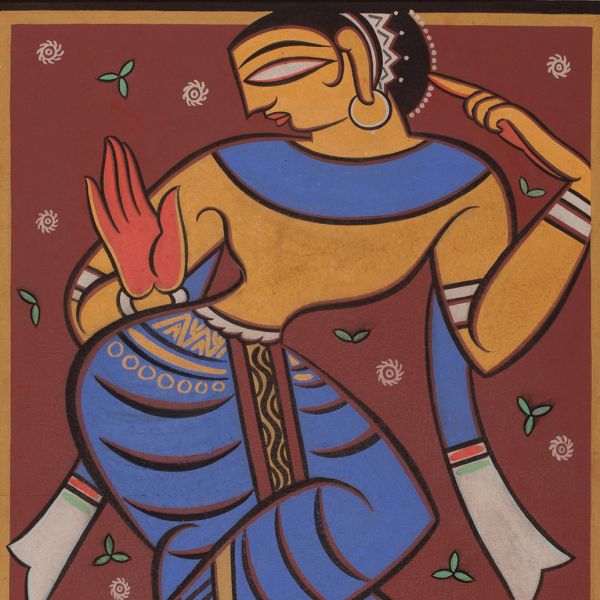 ExhibitionsLiving Traditions & The Art of Jamini RoyAs low as $1.00
Jamini Roy’s was an art of quiet resistance that assimilated so seamlessly into the folk and craft traditions of Bengal that it did not cause any discernible ripples among the prevalent artistic mood. All around him, art was being nurtured, questioned, uprooted—it was, after all, a period when nationalist feelings ran high and a search for an indigenous lexicon was paramount—but Jaminida’s ability to look to tradition for a modern approach, though revolutionary, was instinctively natural and organic. It was art that everyone understood and wanted to take home. No wonder Jamini babu became a household name in his native Calcutta and went on to be honoured as one of the pre-eminent National Treasure artists of the country whose art has the greatest acceptance of any known Indian modernist.
Learn More -
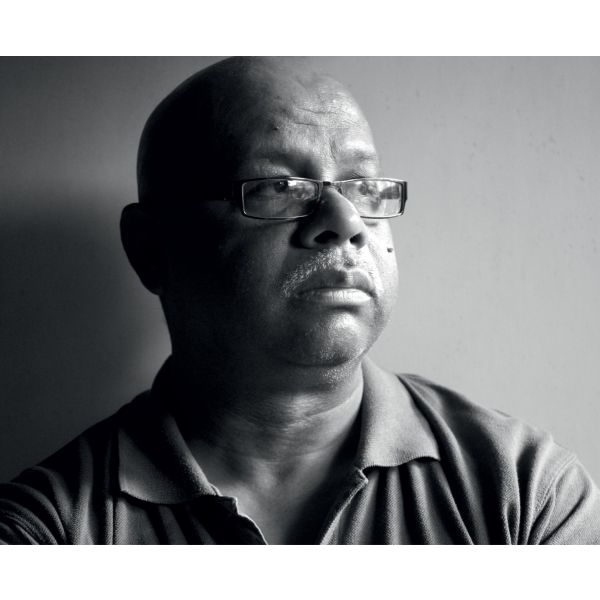 ArtistsSubba Ghosh$0.00Born in New Delhi on 4 June 1961, Subba Ghosh has carved a niche for himself with art that overturns reality to show a mirror to society’s lived hyperreality, through paintings, prints, animation, installations, puppets, and video art. Ghosh’s mirror throws not just a passive light on reality but also makes a critical, political comment on issues such as the relationship between the state and its subjects. Learn More
 -
 ExhibitionsMemory & IdentityAs low as $1.00
Much of Indian modernism is enriched by the work that some of its best known artists produced after they had left the country, choosing as home another land. F. N. Souza was among the first to leave, in 1949, to head for London, where a successful practice catapulted him to the top of Britain’s artists. He was followed, in 1950, by S. H. Raza, who settled in Paris, winning the coveted critics’ award (Prix de la critique) in 1956, while others such as Krishna Reddy (Paris and New York), S. K. Bakre (London), Sakti Burman (Paris), Avinash Chandra (London and New York), Mohan Samant (New York), Natvar Bhavsar (New York), V. Viswanadhan (Paris), Sohan Qadri (Copenhagen), Rajendra Dhawan (Paris), Eric Bowen (Oslo), Ambadas (Oslo), and Zarina Hashmi (New York), followed in the 1950s-70s. These fourteen artists, with their diverse styles and concerns in art making, are masters lauded for the sheer range of responses to their environment that their work has registered. However, the question this exhibition forefronts, as its curator Kishore Singh asks, is: ‘Does the artist’s ethnic identity mean art too has an ethnic identity?’ Ambadas Avinash Chandra Eric Bowen F. N. Souza Krishna Reddy Mohan Samant Natvar Bhavsar Rajendra Dhawan S. H. Raza S. K. Bakre Sakti Burman Sohan Qadri V. Viswanadhan Zarina Hashmi
Learn More -
 ExhibitionsPrimitivism and Modern Indian ArtAs low as $1.00
The idea of primitivism centres on the wish to identify with, or respond to, elements of a society that are deemed ‘primitive’. In artistic terms, it is about rejecting realism, simplifying technique and reducing the formal means of expression to a ‘primitive’ state. The term itself is borrowed from discussions of Western art, where high-profile examples include the images of Tahiti and its people made in the 1890s by Paul Gauguin, and responses to African sculpture by Pablo Picasso in 1906-09. The second thread of primitivism—the reduction of formal means—is best exemplified by the ‘cut-outs’ made by Henri Matisse in the 1940s.
Learn More -
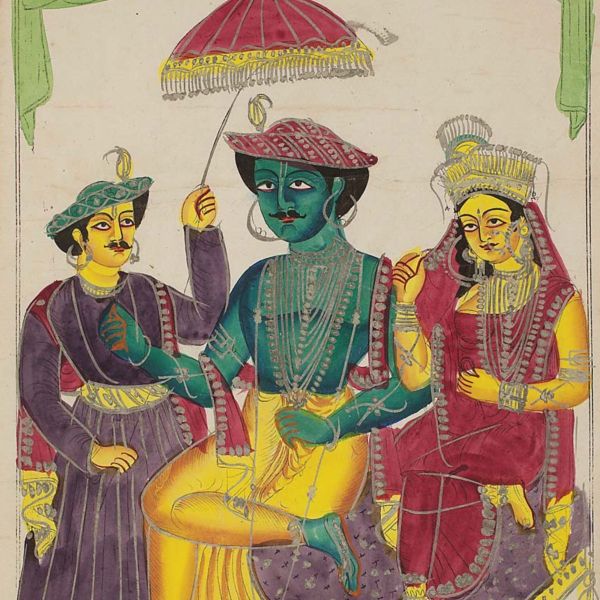 ExhibitionsManifestations X: 75 ArtistsAs low as $1.00
Manifestations, DAG’s signature exhibition showcasing the very best of modern Indian art, appears this winter in its landmark tenth edition, bringing together seventy-five of India’s best-known and most established modernists. The artworks are grouped by genre into the categories of mythology, landscape, still-life, figurative, narrative and abstract art, and present the mature styles of the participating artists. Raiba A. M. Davierwalla Abanindranath Tagore Ambadas Arpana Caur Avinash Chandra Benode Behari Mukherjee Bikash Bhattacharjee Biren De Chittaprosad D. P. Roy Chowdhury Dhanraj Bhagat Early Bengal (Anonymous) F. N. Souza G. R. Santosh Gaganendranath Tagore Ganesh Haloi Ganesh Pyne George Keyt Gieve Patel Gogi Saroj Pal Gopal Ghose Haku Shah Hemanta Misra Hemendranath Majumdar Himmat Shah Indra Dugar J. Sultan Ali J. Swaminathan Jamini Roy Jeram Patel Jogen Chowdhury Jyoti Bhatt K. C. S. Panicker K. G. Subramanyan K. K. Hebbar K. Laxma Goud K. S. Kulkarni K. S. Radhakrishnan Kalighat Pat (Anonymous) Laxman Pai M. A. R. Chughtai M. F. Husain M. V. Dhurandhar Manu Parekh Meera Mukherjee N. S. Bendre Nandalal Bose Dharamnarayan Dasgupta Nikhil Biswas P. Khemraj P. T. Reddy P. V. Janakiram Paritosh Sen Piloo Pochkhanawalla Prosanto Roy R. Vijaivargiya Rabin Mondal Rabindranath Tagore Raghav Kaneria Raja Ravi Varma Ramkinkar Baij S. Dhanapal S. H. Raza S. K. Bakre Satish Gujral Shanti Dave Shyamal Dutta Ray Sohan Qadri Somnath Hore Sunayani Devi Sunil Das Sunil Madhav Sen Thota Vaikuntam V. Nageshkar
Learn More -
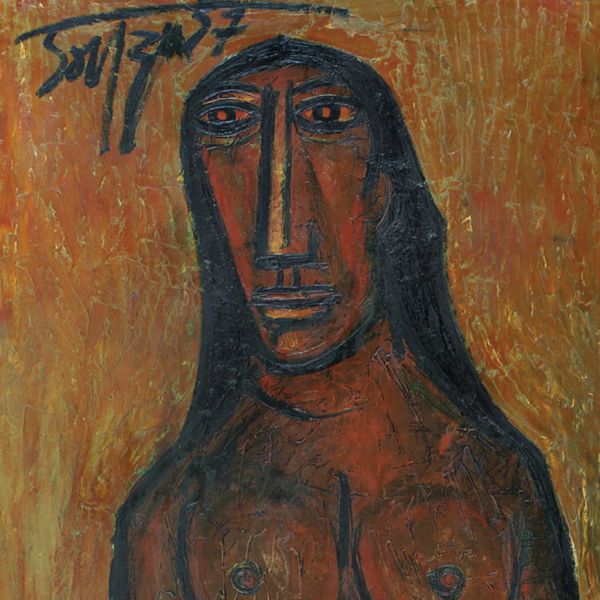 ExhibitionsThe Naked and the NudeAs low as $1.00
The nude. Just the term sends a frisson of excitement down the spine in most people. For the few of us who are part of the art fraternity, however, more than just the anticipation of being able to view the human body as an artistic work in its many forms and avatars, its beauty and its degradation both, is the true mark of an artist’s genius. And yet, the history of the nude in Indian art has remained curiously unmapped. A. A. Almelkar A. A. Raiba A. P. Bagchi A. Ramachandran Abalall Rahiman Akbar Padamsee Anita Roychowdhury Anupam Sud Avinash Chandra B. Prabha B.Vithal Bengal School (Anonymous) Bikash Bhattacharjee Chintamoni Kar Chittaprosad F. N. Souza G. R. Santosh George Keyt Gogi Saroj Pal Gopal Ghose Hemendranath Majumdar J. Sultan Ali Jamini Roy Jaya Ganguly Jehangir Sabavala Jeram Patel Jogen Chowdhury Jyoti Bhatt K. H. Ara K. K. Hebbar K. Laxma Goud K. S. Kulkarni L. Munuswamy Laxman Pai M. F. Husain M. R. Acharaker Madhav Bhattacharjee Maniklal Banerjee Nalini Malani Navjot Nikhil Biswas P. Khemraj P. T. Reddy Prodosh Das Gupta Prokash Karmakar R.Vijaivargiya Rabin Mondal Radha Charan Bagchi Rameshwar Broota Ramkinkar Baij Ranbir Kaleka Ravi Varma Press Rekha Rodwittiya S. Dhanapal Sakti Burman Satish Sinha Sudhir Khastgir Suhas Roy Sunil Das Sunil Madhav Sen Surendran Nair V. Nageshkar Ved Nayar
Learn More -
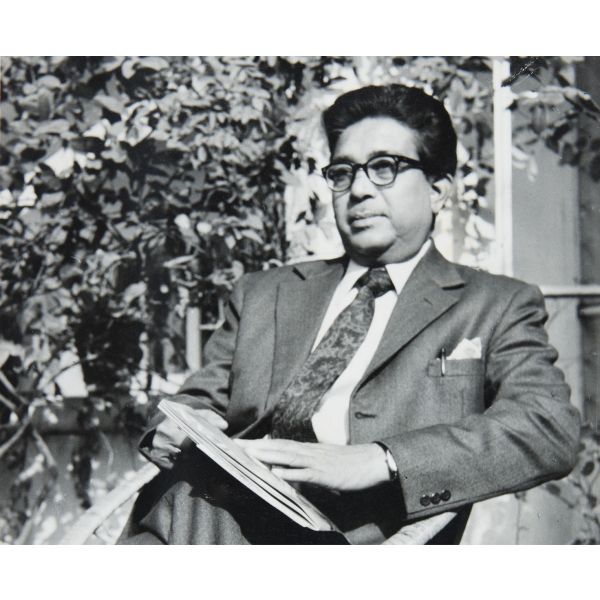 ArtistsArup Das$0.00Born in Bengal, Arup Das remains one of the most formidable muralists and painters of Indian modern art. He graduated from the Government College of Arts and Crafts Calcutta, in the 1940s. Later, in the 1960s, he became a member of All India Fine Arts and Crafts Society, New Delhi. Learn More
 -
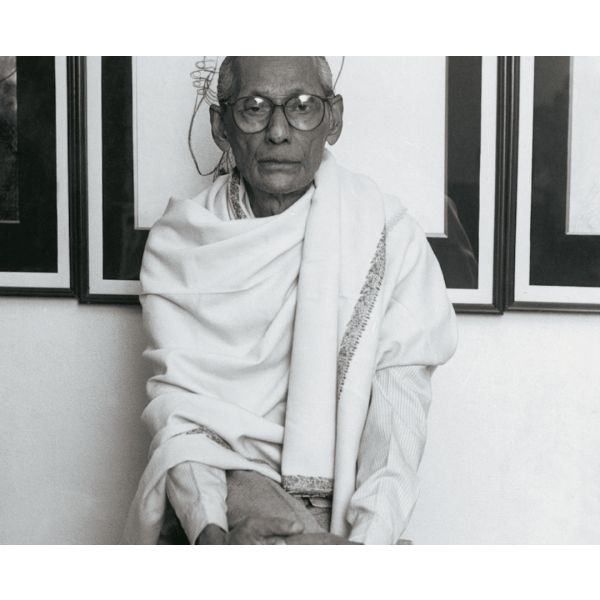 ArtistsGopal Sanyal$0.00Born into a family of classical musicians in Cuttack, Orissa, Gopal Sanyal came to Calcutta in 1948 and took a diploma in fine arts from the Government College of Arts and Crafts in 1957. A national scholarship awardee in painting for three years from the Government of India, Sanyal was a founder member of Calcutta Painters and had exhibited at its inaugural group show at All India Fine Arts and Crafts Society, New Delhi, in 1963; he was also a lecturer in fine arts. Learn More
 -
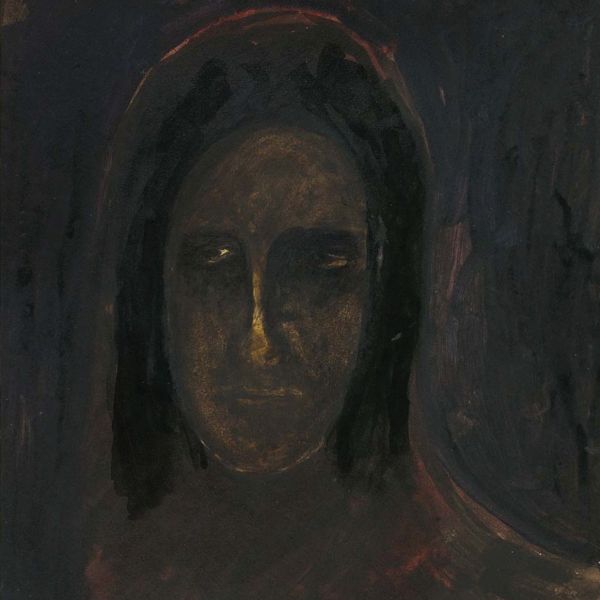 ExhibitionsThe Art Of SantiniketanAs low as $1.00
The Art of Santiniketan showcases the work of its four chief artists—Santiniketan’s founder, Rabindranath Tagore, its first principal and the architect of the Santiniketan pedagogy, Nandalal Bose, and his two illustrious students who went on to make a name for themselves as highly original and significant artists—Benode Behari Mukherjee and Ramkinkar Baij. Santiniketan was a path-breaking educational institution Rabindranath Tagore set up in rural Bengal in the early twentieth century, and the exhibition begins by examining its genesis in Tagore’s radical ideas of basing education in freedom and in the midst of nature. Benode Behari Mukherjee Nandalal Bose Rabindranath Tagore Ramkinkar Baij
Learn More -
 ExhibitionsManifestations 5: 75 ArtistsAs low as $1.00
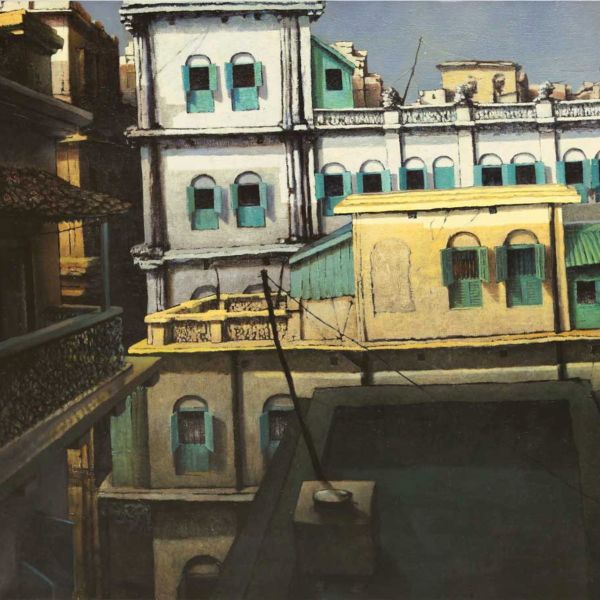
The fifth edition in the Manifestations series continues the tradition of showcasing the very best of Indian modern art. Seventy-five artists feature in Manifestations 5, bringing together the country’s best known and most established modern artists. To reduce the work of one whole century (give or take a few decades more or less) could be flawed, for this most dynamic period in Indian art history covers many genres, styles, mediums, and influences, and is difficult to paraphrase, especially in the absence of a theme for the collection. It is for this reason that the selection has to be incisive, open to change till the very end, where the addition, or deletion, can change the contextual bird’s eye-view we hope to provide in every series. The exhibition is accompanied by our traditional publication that helps to create a comprehensive understanding about the exhibition’s curatorial decisions. A. H. Muller Altaf Ambadas Amit Ambalal Amitava Arpita Singh Avinash Chandra Badri Narayan Bhupen Khakhar Bikash Bhattacharjee Bimal Dasgupta Biren De Bireswar Sen C. Douglas Chintamani Kar Chittaprosad D. P. Roy Chowdhury Dhanraj Bhagat Dharamnarayan Dasgupta F. N. Souza G. R. Santosh Ganesh Haloi Ganesh Pyne Gogi Saroj Pal Gopal Ghose Himmat Shah Indra Dugar J. C. Seal J. Sultan Ali J. Swaminathan Jamini Roy Jeram Patel Jogen Chowdhury Jyoti Bhatt K. C. S. Panicker K. H. Ara K. K. Hebbar K. Laxma Goud K. S. Kulkarni Krishen Khanna Kshitindranath Majumdar L. Munuswamy Lalu Prasad Shaw Laxman Pai M. F. Husain M. V. Dhurandhar Nandalal Bose Navjot Nikhil Biswas P. Khemraj Paritosh Sen Partha Pratim Deb Prabhakar Barwe Prodosh Das Gupta Prokash Karmakar Prosanto Roy Rabin Mondal Rabindranath Tagore Rameshwar Broota Ramkinkar Baij Rekha Rodwittiya S. H. Raza S. L. Haldankar Satish Gujral Shobha Broota Sohan Qadri Sunil Das Sunil Madhav Sen Surendran Nair V. S. Gaitonde Vasudha Thozhur Ved Nayar Viswanadhan Vivan Sundaram Zarina Hashmi
Learn More -
 ExhibitionsIndian DivineAs low as $1.00
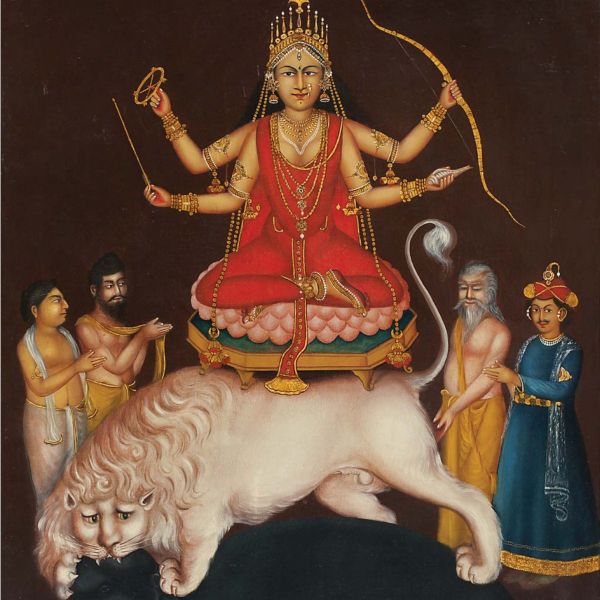
The exhibition, Indian Divine, begins with the late nineteenth century art on mythological and religious themes from regions as diverse as Bombay and Bengal—these include Western style oil paintings of deities by such well-known artists of the academic realist styles as Raja Ravi Varma and M. V. Dhurandhar, and mythological/ religious episodes and figures featured in the hybrid style, a mix of Western realistic painting and traditional Indian art and concerns—the Early Bengal style, a very popular form, of which the exhibition presents over fifty works. It goes on to document Kalighat paintings on religious and mythological themes from the late nineteenth and early twentieth centuries that were very popular, as well popular bazaar prints on these themes that flooded the markets with the advent of lithography and mechanical printing. 19th-20th century Popular Print Art School Print A. A. Almelkar A. A. Raiba A. P. Bagchi Asit Haldar B. C. Law B. N. Jija Baburao Painter Bat-tala Print (Anonymous) Bikash Bhattacharjee Bipin Behari Goswami Bishnupada Roychowdhury Chittaprosad D. B. Onkar D. D. Burman D. N. Sharma Debabrata Chakraborty Devyani Krishna Dhanraj Bhagat Dhirendra Narayan Dhruva Mistry Dipen Bose Early Bengal Early Bengal (Anonymous) F. N. Souza G. R. Santosh Ganesh Pyne Gogi Saroj Pal Haren Das Heramba Kumar Ganguly Indu Rakshit J. Sultan Ali Jamini Roy K. C. Pyne K. K. Hebbar K. Laxma Goud K. S. Kulkarni Kalighat pat (Anonymous) Kalipada Ghoshal Kamal Chattopadhyay Kanwal Krishna Krishen Khanna Kshitindranath Majumdar Laxman Pai M. F. Husain M. V. Dhurandhar Madhvi Parekh Mukul Dey Nandalal Bose Nihar Ranjan Sengupta P. T. Reddy P. V. Janakiram R. Vijaivargiya Rabin Mondal Radha Charan Bagchi Raja Ravi Varma Ramananda Bandhopadhyay Ramendranath Chakravorty Ranada Charan Ukil Ravi Varma School (Anonymous) Reddappa Naidu Roopkrishna S. Dhanapal S. G. Vasudev Sanat Chatterjee Sanjay Bhattacharya Sarada Charan Ukil Shyamal Dutta Ray Sohan Qadri Sudhanshu Ghosh Sudhir Ranjan Khastagir Sunil Das Sunil Madhav Sen Surendranath Ganguly V. Nageshkar
Learn More