Born in Ahmedabad, Gujarat, Manu Parekh studied at Sir J. J. School of Art, Bombay. With influences as varied as Arshile Gorky, Roberto Matta, S. B. Palsikar and Rabindranath Tagore, Parekh has always sought to explore his inner landscape through art. Learn More
Born in Dhuri, Punjab, Manjit Bawa was encouraged by his brothers to pursue art and he studied at Delhi Polytechnic from 1958-63 under eminent artist-teachers Somnath Hore, Dhanraj Bhagat, B. C. Sanyal, and Abani Sen. He moved to England in 1964, where he worked as a silkscreen printmaker and studied at London School of Painting. Learn More
Born in Nashik, Maharashtra, M. S. Joshi studied at Sir J. J. School of Art, Bombay, in the 1930s. Joshi combined his training in academic realism with a sense of vitality, precision and aesthetics to reveal India’s rich cityscapes and landscapes in his watercolour and gouache works. There was immense depth in the rendering of his subjects, which included people, places, architectural elements, all done in a subdued yet textured palette. Learn More
Born in Kolhapur, Maharashtra, M. K. Parandekar was a prolific painter—he made panoramic views of archaeological sites, landscapes and portraits. His initial training was under his father, a Sanskrit scholar and painter, and he followed that up with formal study at Sir J. J. School of Art, Bombay. Learn More
Born into a family of artists in Lahore on 21 September 1897, M. Abdur Rahman Chughtai learnt to draw from his father, Mia Karim Baksh. He joined Mayo School of Art in Lahore in 1911, where Samarendranath Gupta, a pupil of Abanindranath Tagore, was vice-principal. He obtained a diploma in photo lithography from Mayo School in 1914, where he went on to become the head instructor in chromo-lithography. He honed his printmaking skills during visits to London in the mid-1930s and exhibited his works across Europe; he also exhibited with Indian Society of Oriental Art in Calcutta around this time. Learn More
Born in Margao, Goa, on 21 January 1926, Laxman Pai studied and later taught at Sir J. J. School of Art, Bombay. He participated in Mahatma Gandhi’s Satyagraha movement against the British rule that led to his imprisonment. Later, he participated in the movement to liberate Goa from centuries of Portuguese rule. Learn More
Born in Chittoor, Andhra Pradesh, on 15 July 1925, Krishna Reddy is best remembered for pioneering the simultaneous colour printing technique, or the colour viscosity process, along with S. W. Hayter, in Paris. His journey to that seminal moment in Paris was preceded by a stint at Santiniketan, studying under Nandalal Bose (1942-47), and then, as head of the art section at Kalakshetra, Madras (1947-50). Learn More
Khagen Roy hailed from Medinipur in present-day West Bengal and came to Calcutta to study art. However, he left the Government School of Art in Calcutta as well as the College of Arts and Crafts in Lucknow dissatisfied with their curriculum. A chance encounter with painter and sculptor D. P. Roy Chowdhury convinced him to join the Government College of Art and Craft, Madras. Learn More
Maiya and Musui—the thinly-fluted male and female bronze figures, often swaying or leaping in joy—are perhaps as well-known as their creator, K. S. Radhakrishnan. One of the most significant contemporary sculptors, Radhakrishnan often refers to the bronze characters as his alter egos. Learn More
Forced to paint signboards at the age of eleven when his father died, Krishna Shamrao Kulkarni battled numerous early struggles to achieve a pre-eminent place in modern Indian art. Born in a village in Belgaum in Karnataka in 1916, Kulkarni engaged with modernist techniques and mediums to create a highly individuated pictorial language. Learn More
Krishnaji Howlaji Ara, a founder member of the Progressive Artists’ Group, was born in Secunderabad on 16 April 1914, but ran away to Bombay as a child. Much later, his skills as a painter were spotted by Austrian artist and art director of The Times of India, Walter Langhammer, who encouraged him in his artistic pursuit. Learn More
Born in Bombay, Jitish Kallat’s earliest memory of art was of helping his elder sister as a five-year-old for a drawing in her biology book. By the time he was in his mid-teens, he was, in his own words, ‘persistently and obsessively drawing’. Kallat secured a degree in fine arts in 1996 from Sir J. J. School of Art. An internationally acclaimed artist, his work includes painting, photography, collages, sculpture, installations, and multimedia. Learn More



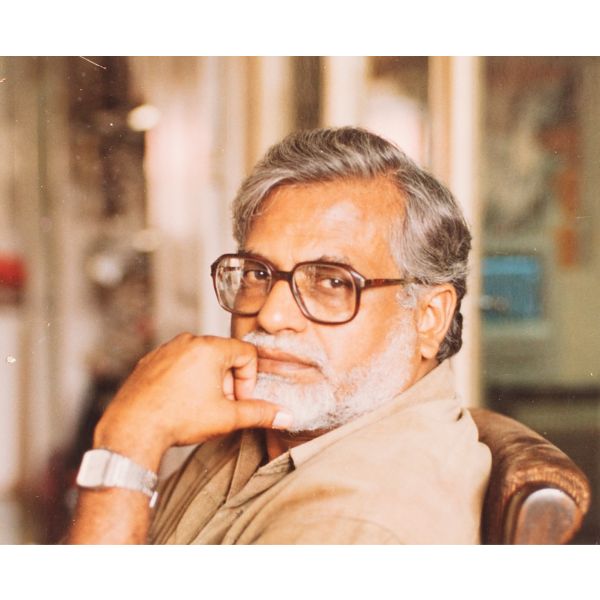 ArtistsManu Parekh$0.00Born in Ahmedabad, Gujarat, Manu Parekh studied at Sir J. J. School of Art, Bombay. With influences as varied as Arshile Gorky, Roberto Matta, S. B. Palsikar and Rabindranath Tagore, Parekh has always sought to explore his inner landscape through art. Learn More
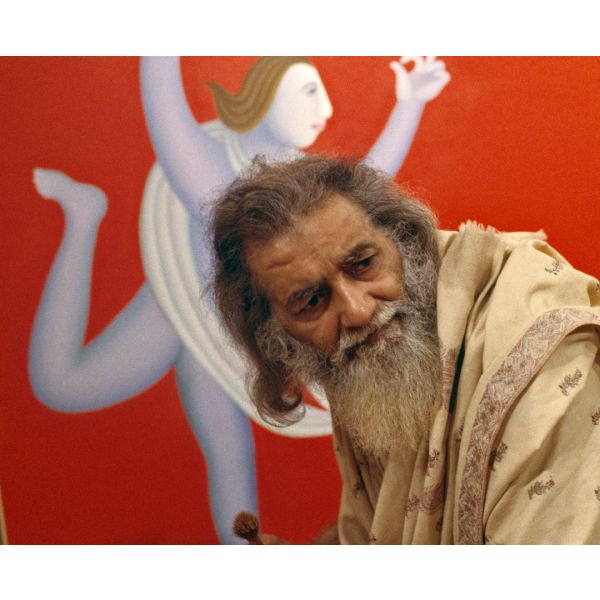 ArtistsManjit Bawa$0.00Born in Dhuri, Punjab, Manjit Bawa was encouraged by his brothers to pursue art and he studied at Delhi Polytechnic from 1958-63 under eminent artist-teachers Somnath Hore, Dhanraj Bhagat, B. C. Sanyal, and Abani Sen. He moved to England in 1964, where he worked as a silkscreen printmaker and studied at London School of Painting. Learn More
 ArtistsM. S. Joshi$0.00Born in Nashik, Maharashtra, M. S. Joshi studied at Sir J. J. School of Art, Bombay, in the 1930s. Joshi combined his training in academic realism with a sense of vitality, precision and aesthetics to reveal India’s rich cityscapes and landscapes in his watercolour and gouache works. There was immense depth in the rendering of his subjects, which included people, places, architectural elements, all done in a subdued yet textured palette. Learn More
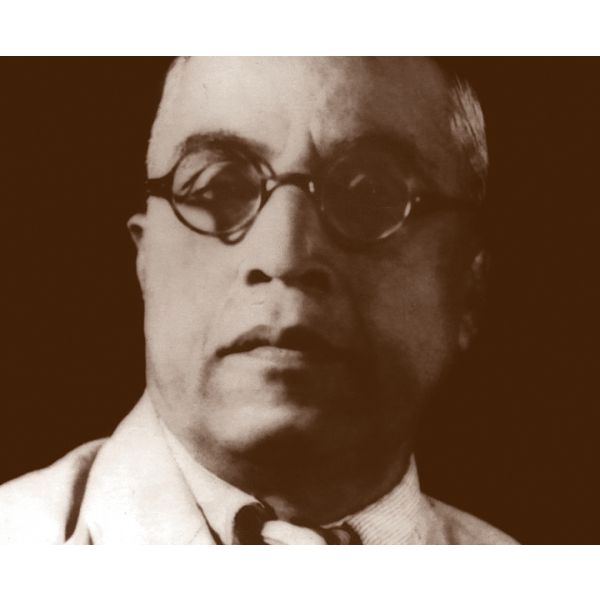 ArtistsM. K. Parandekar$0.00Born in Kolhapur, Maharashtra, M. K. Parandekar was a prolific painter—he made panoramic views of archaeological sites, landscapes and portraits. His initial training was under his father, a Sanskrit scholar and painter, and he followed that up with formal study at Sir J. J. School of Art, Bombay. Learn More
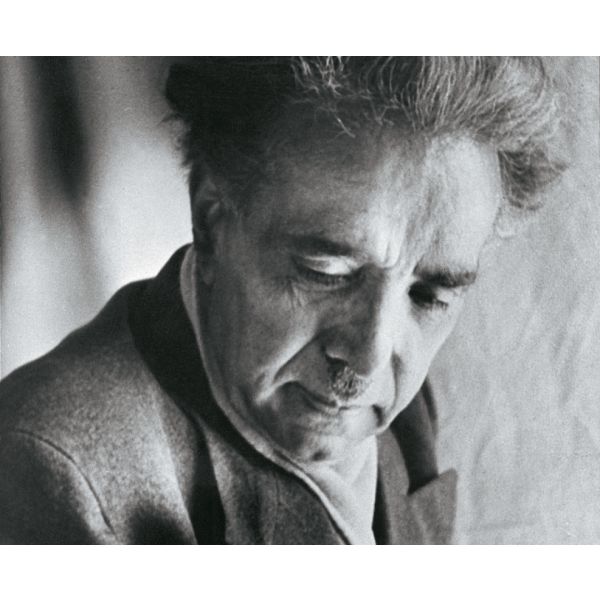 ArtistsM. A. R. Chughtai$0.00Born into a family of artists in Lahore on 21 September 1897, M. Abdur Rahman Chughtai learnt to draw from his father, Mia Karim Baksh. He joined Mayo School of Art in Lahore in 1911, where Samarendranath Gupta, a pupil of Abanindranath Tagore, was vice-principal. He obtained a diploma in photo lithography from Mayo School in 1914, where he went on to become the head instructor in chromo-lithography. He honed his printmaking skills during visits to London in the mid-1930s and exhibited his works across Europe; he also exhibited with Indian Society of Oriental Art in Calcutta around this time. Learn More
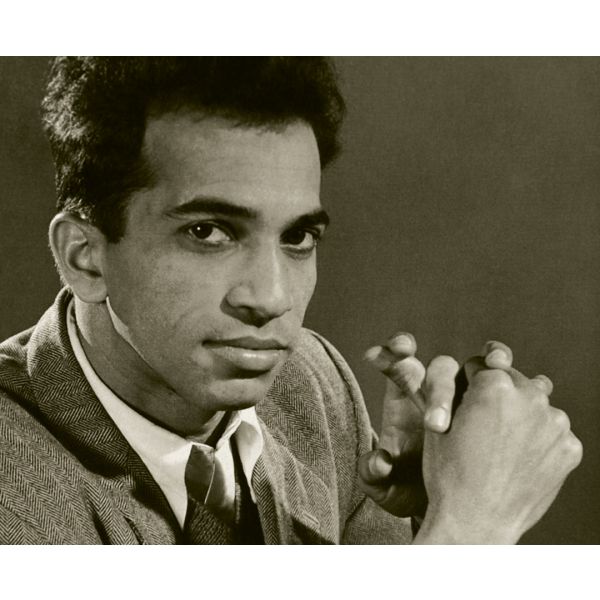 ArtistsLaxman Pai$0.00Born in Margao, Goa, on 21 January 1926, Laxman Pai studied and later taught at Sir J. J. School of Art, Bombay. He participated in Mahatma Gandhi’s Satyagraha movement against the British rule that led to his imprisonment. Later, he participated in the movement to liberate Goa from centuries of Portuguese rule. Learn More
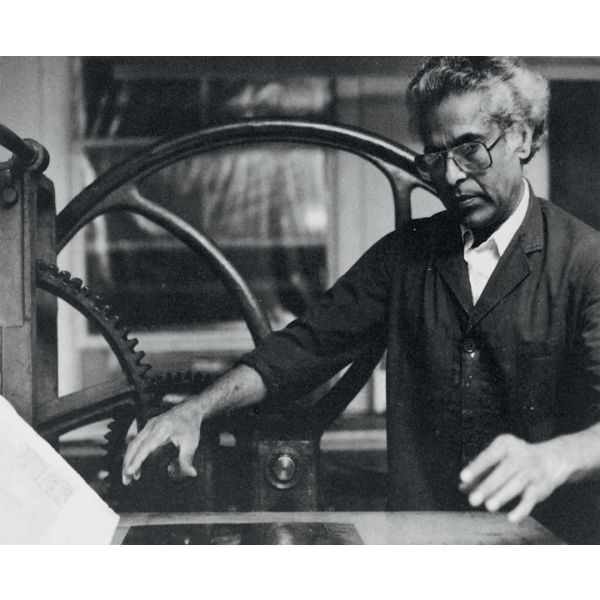 ArtistsKrishna Reddy$0.00Born in Chittoor, Andhra Pradesh, on 15 July 1925, Krishna Reddy is best remembered for pioneering the simultaneous colour printing technique, or the colour viscosity process, along with S. W. Hayter, in Paris. His journey to that seminal moment in Paris was preceded by a stint at Santiniketan, studying under Nandalal Bose (1942-47), and then, as head of the art section at Kalakshetra, Madras (1947-50). Learn More
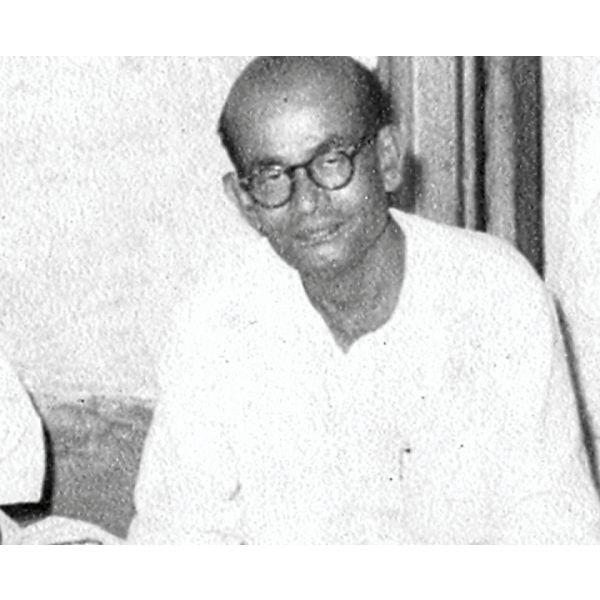 ArtistsKhagen Roy$0.00Khagen Roy hailed from Medinipur in present-day West Bengal and came to Calcutta to study art. However, he left the Government School of Art in Calcutta as well as the College of Arts and Crafts in Lucknow dissatisfied with their curriculum. A chance encounter with painter and sculptor D. P. Roy Chowdhury convinced him to join the Government College of Art and Craft, Madras. Learn More
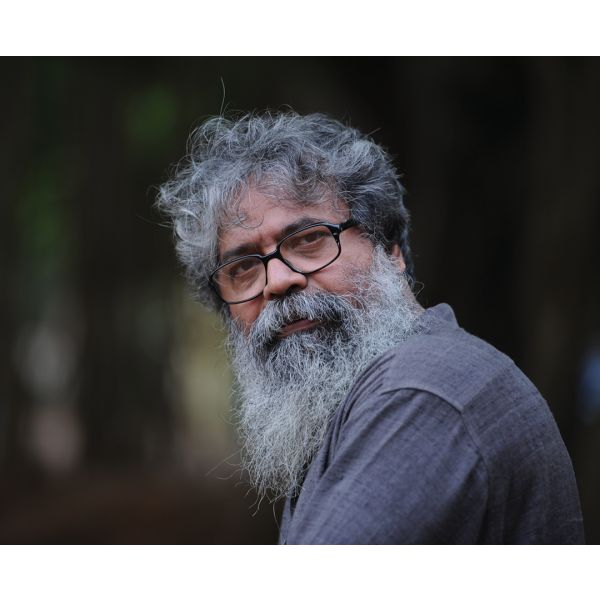 ArtistsK. S. Radhakrishnan$0.00Maiya and Musui—the thinly-fluted male and female bronze figures, often swaying or leaping in joy—are perhaps as well-known as their creator, K. S. Radhakrishnan. One of the most significant contemporary sculptors, Radhakrishnan often refers to the bronze characters as his alter egos. Learn More
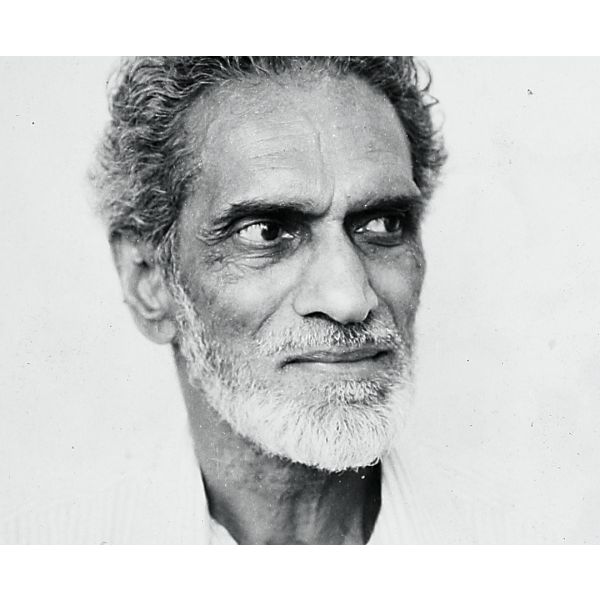 ArtistsK. S. Kulkarni$0.00Forced to paint signboards at the age of eleven when his father died, Krishna Shamrao Kulkarni battled numerous early struggles to achieve a pre-eminent place in modern Indian art. Born in a village in Belgaum in Karnataka in 1916, Kulkarni engaged with modernist techniques and mediums to create a highly individuated pictorial language. Learn More
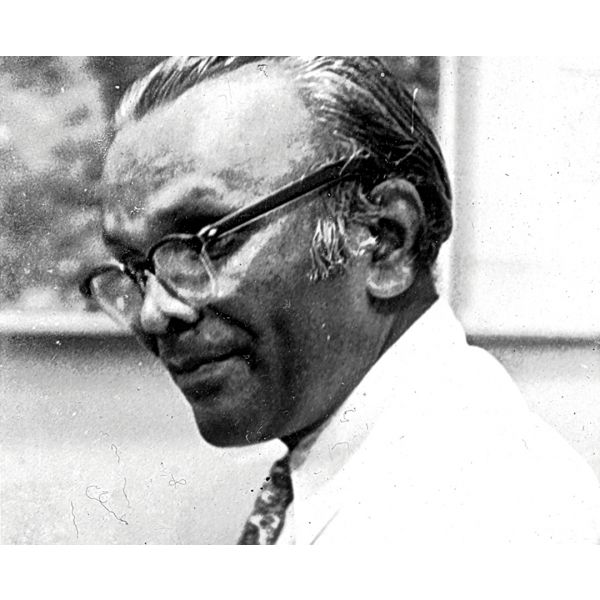 ArtistsK. H. Ara$0.00Krishnaji Howlaji Ara, a founder member of the Progressive Artists’ Group, was born in Secunderabad on 16 April 1914, but ran away to Bombay as a child. Much later, his skills as a painter were spotted by Austrian artist and art director of The Times of India, Walter Langhammer, who encouraged him in his artistic pursuit. Learn More
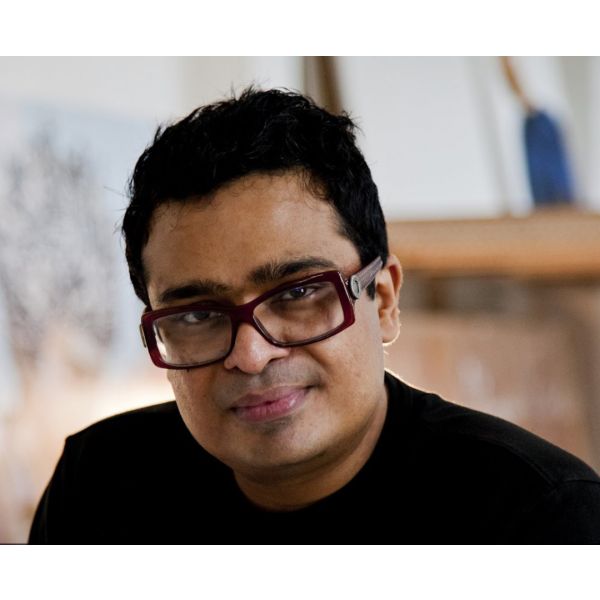 ArtistsJitish Kallat$0.00Born in Bombay, Jitish Kallat’s earliest memory of art was of helping his elder sister as a five-year-old for a drawing in her biology book. By the time he was in his mid-teens, he was, in his own words, ‘persistently and obsessively drawing’. Kallat secured a degree in fine arts in 1996 from Sir J. J. School of Art. An internationally acclaimed artist, his work includes painting, photography, collages, sculpture, installations, and multimedia. Learn More