Search results for: 'Price for j swaminathan p'
-
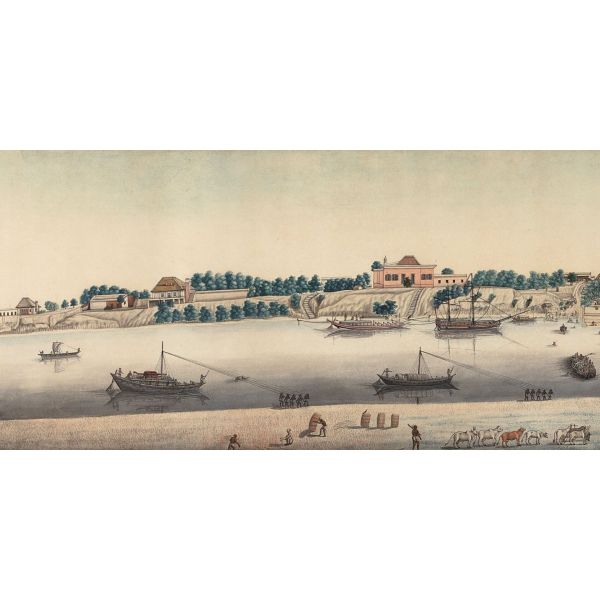 JournalTerm of the Month: Provenance$0.00
One of the most important ways in which a work of art is authenticated is by checking its provenance. What does provenance mean and how does it affect the identity of an artwork itself? The concept has evolved historically over the years; below, we try to highlight some of the important aspects of this debate in our recurring series, Argot, that seeks to demystify some of the major ideas from the world of art.
Learn More -
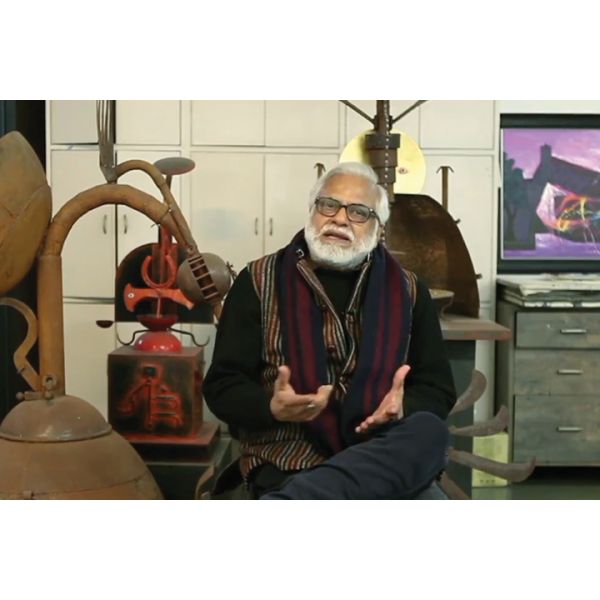 JournalManu Parekh$0.00What do you make of a work of art? What was the artist attempting to communicate? These video shorts offer brief overviews on artists and their work in the way of expert opinions by scholars, curators art writers—and by the artists themselves. Learn More
 -
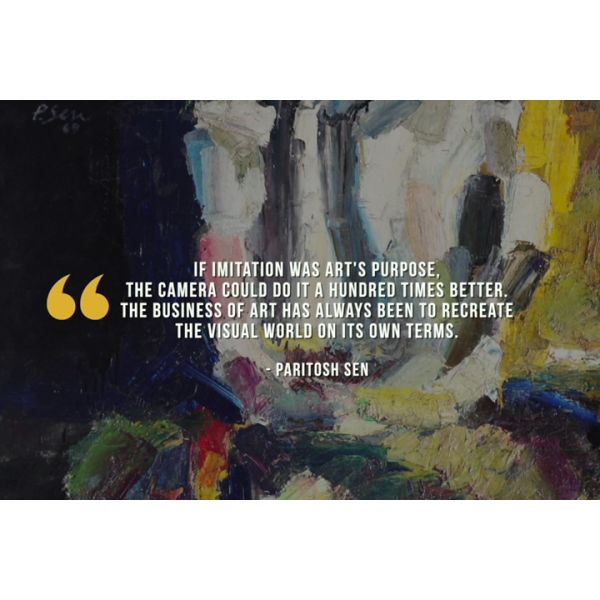
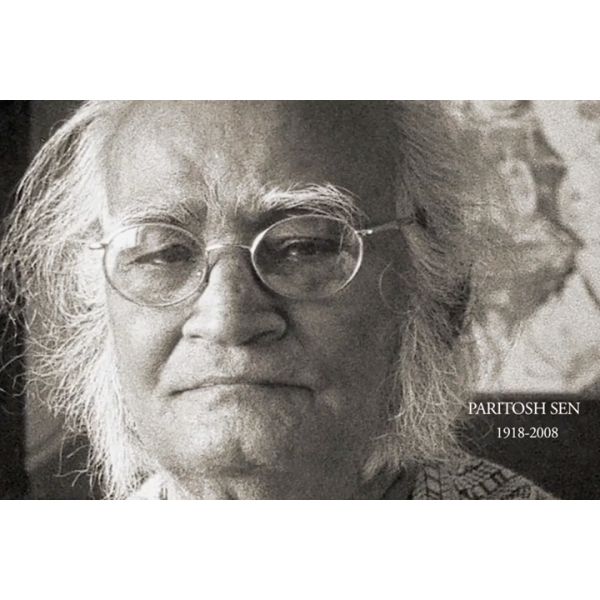 JournalParitosh Sen$0.00What do you make of a work of art? What was the artist attempting to communicate? These video shorts offer brief overviews on artists and their work in the way of expert opinions by scholars, curators art writers—and by the artists themselves. Learn More
 -
-
-
 ExhibitionsVision & LandscapeAs low as $1.00
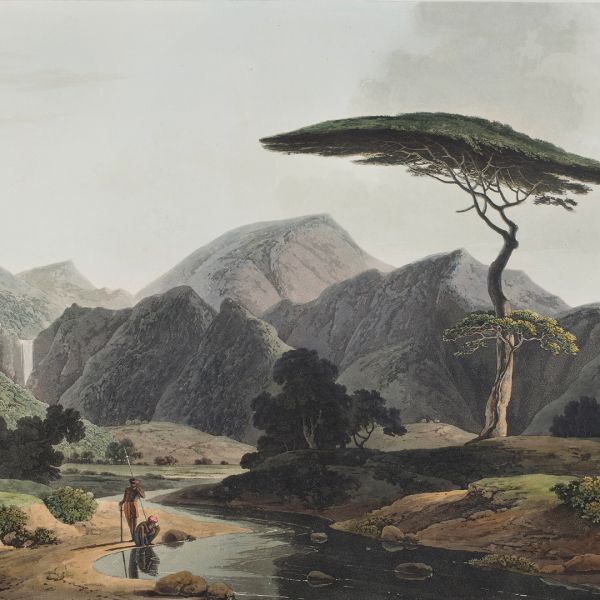
The series of aquatint prints known as Oriental Scenery represent the single largest and most impressive project by English artists to depict Indian architecture and landscape. Thomas Daniell (1749-1840) and his nephew William Daniell (1769-1837) travelled extensively in India between 1786 and 1793. On their return to Britain they produced many paintings, drawings and prints based on the sketches they had made while travelling. The aquatints were issued in pairs between March 1795 and December 1808. Subscribers who purchased all of them could assemble them into six volumes, each with 24 prints, making up a total of 144 – of which half are shown here.
Learn More -
 Institutional CollaborationsThe Printed Picture: Four Centuries of Indian Print-Making$1.00
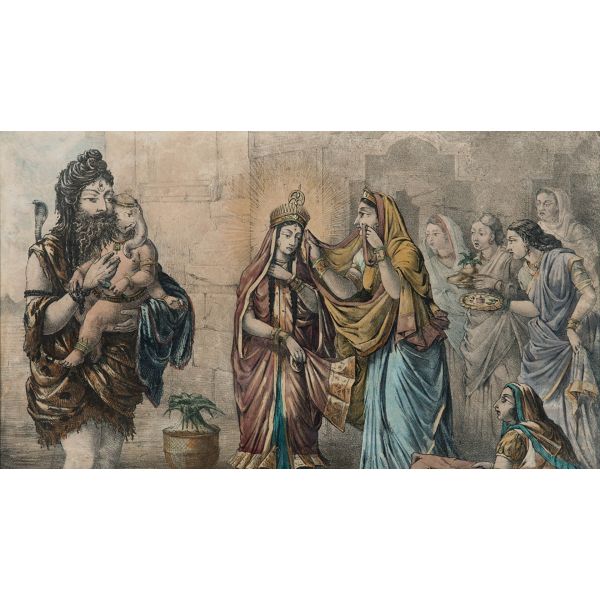
As printing technologies improved around the turn of the 18th century, a large number of cheaply reproduced printed pictures—illustrated books, almanacs and mythological images—became available to the common people. This became an important vehicle of social change because people could own, produce and disseminate images of all kinds—from their beloved deities and favourite fictional characters to political cartoons critiquing colonial authorities. Printmaking was equally treasured by artists for its aesthetic potential, as techniques like lithography, etching, metal engraving, viscosity, gave practitioners infinite opportunities for creative exploration. This landmark exhibition gives us a comprehensive overview of the history of the printed picture in India.
Learn More -
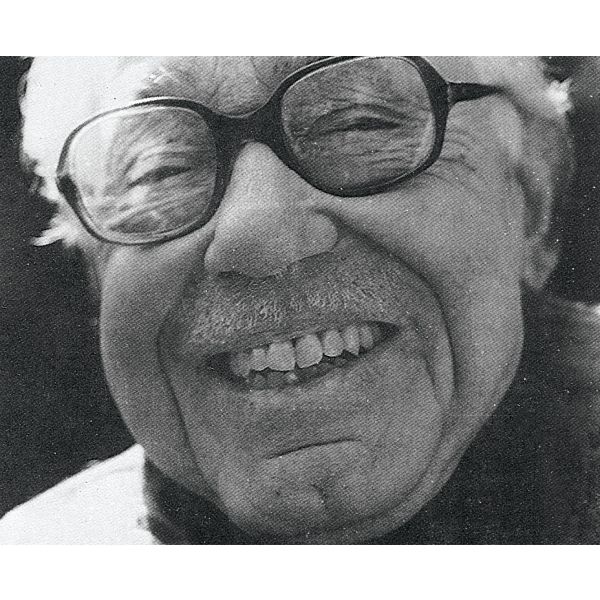 ArtistsR. N. Pasricha$0.00Born in Amritsar on 17 November 1926, R. N. Pasricha grew up in Delhi. Graduating in science, he worked as a typist to earn his livelihood. But, it was painting that drew him—a passion since childhood— and he enrolled for night classes in art. He honed his skills in painting under the guidance of artist Abani Sen. Learn More