


Search results for: 'cuestionario sobre georgia o'keeffe's working'
-
 ExhibitionsRabin Mondal: Kingdom of ExileAs low as $1.00
Rabin Mondal is like a striding colossus of our times, scorching up the firmament with images that reflect societal malaise and his own inner turmoil. His determination to paint in a market-unfriendly manner is characteristic of his resolve. His canvases provide no safety net for the unwary viewer. Here is a confident artist aware of his self and his role with no fig leaf to offer those seeking beauty in art—not that his work is unbeautiful.
Learn More -
 ExhibitionsAvinash Chandra: HumanscapesAs low as $1.00
This is the first-ever retrospective of the Indian modern artist Avinash Chandra who lived most of his life in the West, in London and New York. The artist, who had trained in New Delhi, left soon after for London, and most of his practice was limited to London and New York, the two cities he called his home till his unfortunately early death in 1991. In the roughly three-and-a-half decades of his career, Avinash’s work changed amazingly, reflecting his environment and milieu as he grew and adapted to cities vastly different from their Indian counterparts, with their own sub-cultures. That this happily coincided with a discovery of India, however superfluously, as a land of spirituality and sexuality, seemed to serve him well as his muse.
Learn More -
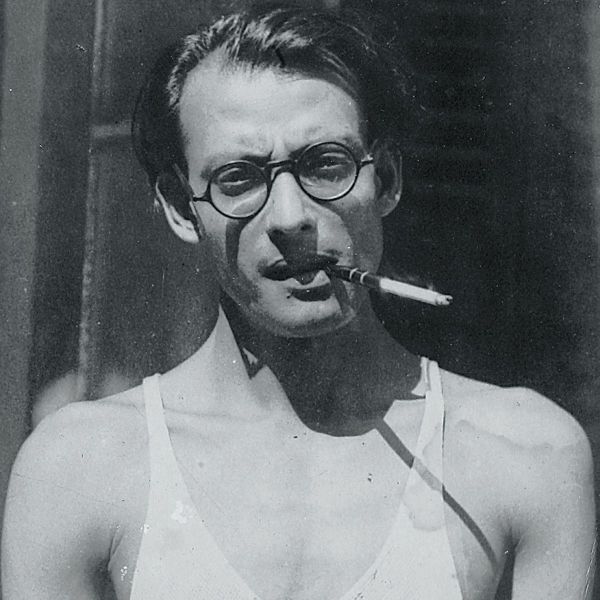 ExhibitionsChittaprosadAs low as $1.00
One of India’s most important artists, Chittaprosad recorded pivotal political and social movements in the country, such as the Great Bengal Famine of 1943-44 and its fallout, in heart-wrenching sketches and drawings, alongside protests against colonialism, economic exploitation, urban poverty and depravity, just as beautifully as the many drawings, linocuts and scraper board illustrations he made for children, recording a beatific phase of plenitude and family values, and involving himself with marionettes for their entertainment.
Learn More -
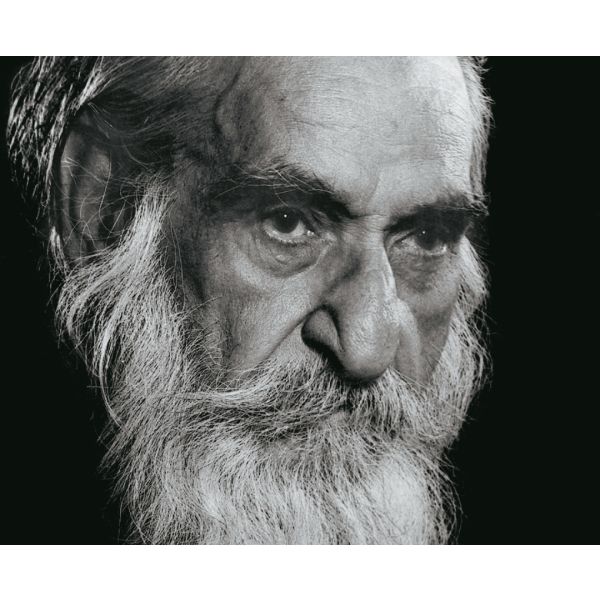 ArtistsKanwal Krishna$0.00Born in Kamalia in pre-Partition Punjab, Kanwal Krishna lived the life, he said, ‘of a wandering gypsy’. In the 1950s, several artists began to explore landscape painting as a separate genre in order to establish a modernist language among whom Krishna’s work stood out. Krishna was inspired by the forces of nature as he travelled to forbidden Tibet, Kashmir, Europe, and other places. Learn More
 -
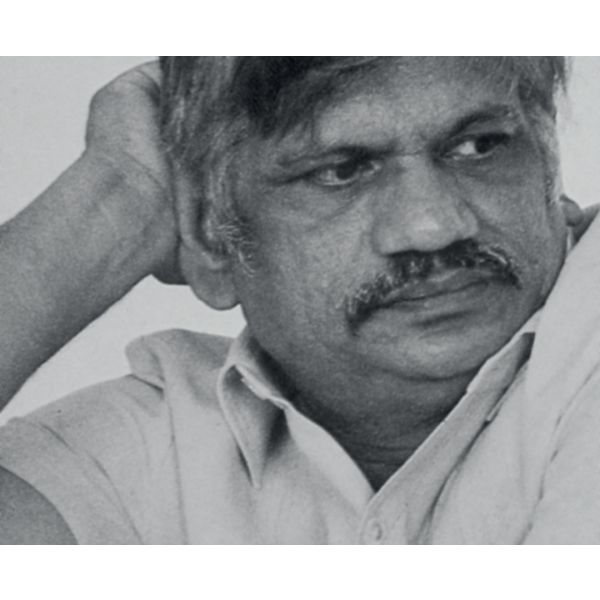 ArtistsB. Vithal$0.00Born in Maharashtra, B. Vithal took a diploma in sculptural art from Sir J. J. School of Art, Bombay. Taking to art with natural ease, he began drawing as early as five years of age, making Ganesha and other popular Hindu deities on his slate using chalk. The inspiration sustained through his entire life, and his work was mainly inspired by Hindu mythology, philosophy, and ancient Indian art. Learn More
 -
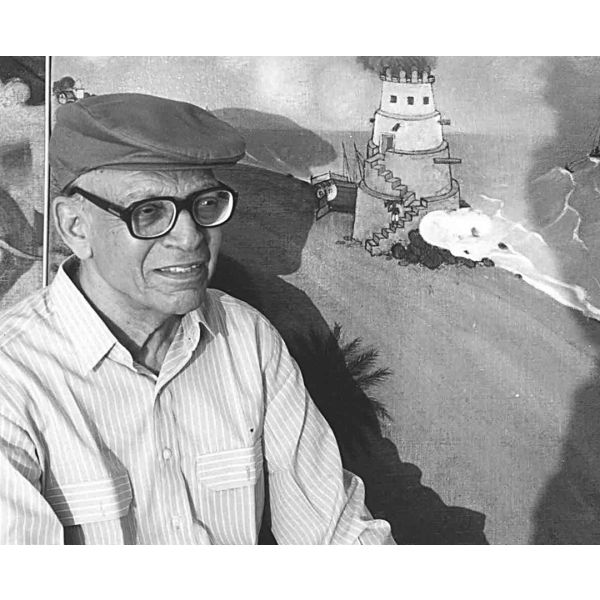 ArtistsA. A. Raiba$0.00Abdul Aziz Raiba was born in Bombay on 20 July 1922 and studied miniature painting at Sir J. J. School of Art upon receiving a scholarship in 1942. He was an early associate of the Progressive Artists’ Group but later struck out on his own due to difference of opinion with other members. Learn More
 -
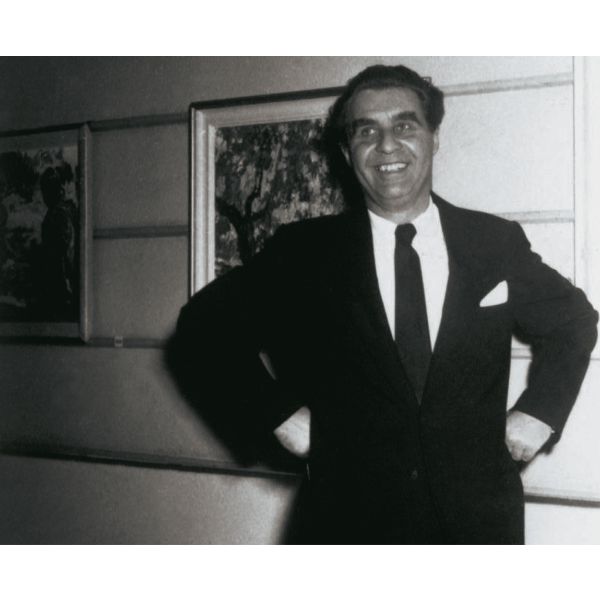 ArtistsWalter Langhammer$0.00Born in Graz, Austria, Walter Langhammer came to India in the 1930s with his wife Käthe Urbäch, escaping Nazi Germany like other refugees. Some media reports suggest that British authorities had arrested the couple on their arrival in India till a friend, noted art critic Rudolf von Leyden, came to their rescue. Learn More
 -
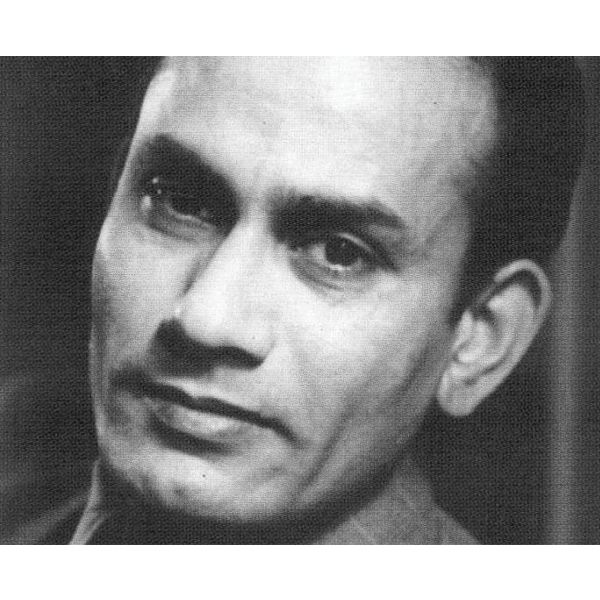 ArtistsVishwanath Nageshkar$0.00Of Goan origin, Vishwanath Nageshkar was born and raised in Kolhapur, Maharashtra, in 1910. He obtained his diploma from Sir. J. J. School of Art, Bombay, in 1930; he also specialised in frescos from the same institute. A contemporary of Amrita Sher-Gil, Nageshkar was one of the first Indian artists to move to Paris for his education—he studied at École National Supérieure des Beaux-Arts from 1930-35. Later, he studied at Kunstakademic in Munich, Germany, from 1938-40, and under Professor A. Strübe in Berlin, 1940-41. Learn More
 -
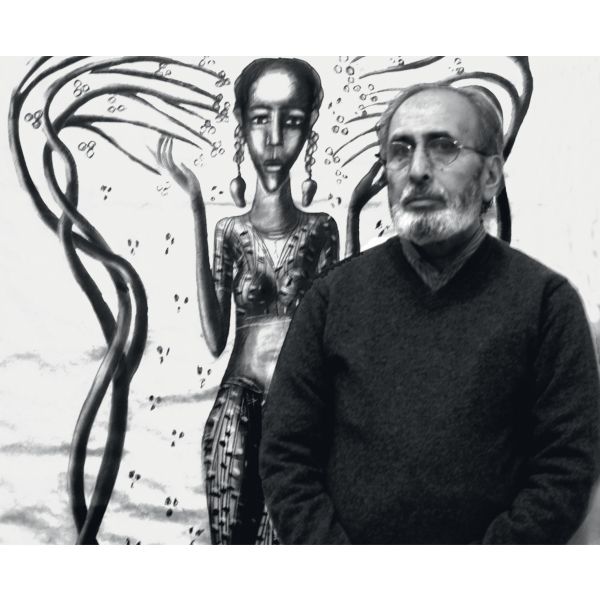 ArtistsVed Nayar$0.00Born in Lyallpur in 1933 in pre-Partition Punjab, Ved Nayar’s earliest creative urges were born out of his close engagement with the jungle around his house. He moved to Delhi as a teenager following Partition and obtained a B.A. degree from the city’s St. Stephen’s College in 1952. He then joined Delhi Polytechnic in 1957 and participated in Lalit Kala Akademi’s national exhibition the same year. Learn More
 -
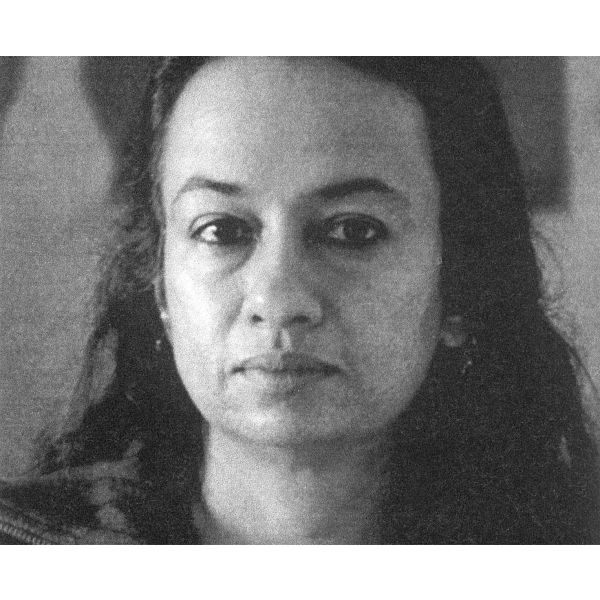 ArtistsVasudha Thozur$0.00Vasudha Thozhur is known for her conscious art practice that seeks to give expression to conflicts which humans encounter daily in a tension-ridden contemporary society. Born in Mysore on 14 October 1956, Thozhur received a diploma in painting from the College of Art and Craft, Madras, in 1972. She received a post diploma in painting from Croydon School of Art and Design, U.K., in 1982. Learn More
 -
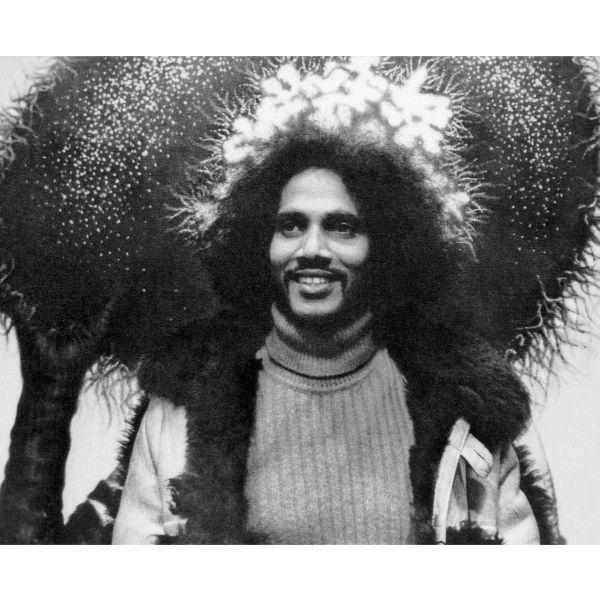 ArtistsV. Viswanadhan$0.00Among artists, Velu Viswanadhan is often referred to as ‘Paris’ Viswanadhan because he made the French capital his home. Born in 1940 in Kollam, Kerala, Viswanadhan joined Government College of Fine Arts, Madras, in 1960, where he studied under K. C. S. Paniker, and along with him became a founder-member of the Cholamandal Artists’ Village. Learn More
 -
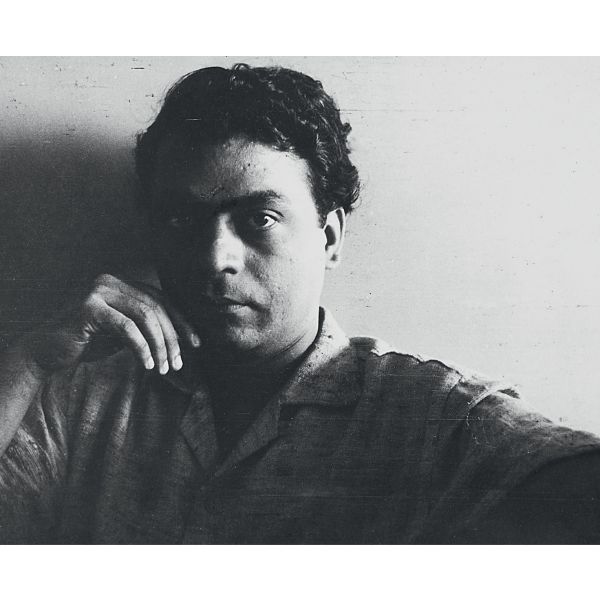 ArtistsV. S. Gaitonde$0.00One of India’s most revered ‘non-objective’ painters—he preferred that term over ‘abstraction’—Vasudeo Santu Gaitonde was born in Nagpur in 1924. He received his diploma in painting from Sir J. J. School of Art, Bombay, in 1948. Impressed by his work, the members of the Progressive Artists’ Group—formed in 1947—pulled him into their meetings. The strength of his talent was soon recognised elsewhere—he won the first prize of the Young Asian Artists Association in Tokyo in 1957, and a John D. Rockefeller III Fund fellowship in 1964. Learn More