


Search results for: 'Ramkinkar baij A r'
-
 ExhibitionsNatvar Bhavsar: HomecomingAs low as $1.00
It is strange that Natvar Bhavsar, one of Indian art’s leading names, should never have been shown in India before. Having lived and worked in USA from 1962 onwards, it remains a mystery why his work has been seen in America but almost not at all in India. In spite of a few eminent collectors who have his work, Bhavsar has remained inexplicably ignored—an anomaly DAG is happy to correct with this seminal exhibition.
Learn More -
 ExhibitionsThe Gold SeriesAs low as $1.00
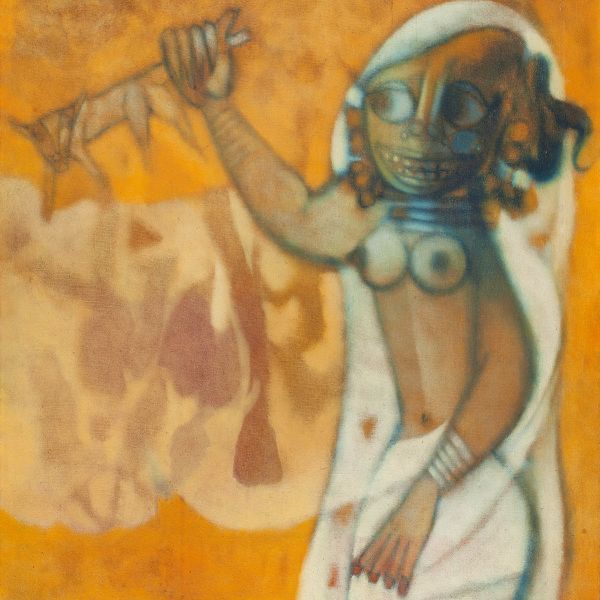
When we launched the Silver Series in May 2020 as our attempt to stay engaged with art-lovers no longer able to visit our galleries, we were unsure of the response. But the feedback we received was heartening, and it was backed by commensurate sales to prove that the art-loving fraternity supported the initiative and gave it a resounding thumbs-up. J. Sultan Ali Altaf Amit Ambalal Amitava Anonymous (Early Bengal) Anonymous (Kalighat Pat) Anonymous (Portraiture) K. H. Ara Prabhakar Barwe Bikash Bhattacharjee Nikhil Biswas Nandalal Bose Eric Bowen Shobha Broota Sakti Burman Avinash Chandra Jogen Chowdhury Sunil Das Prodosh Das Gupta Shanti Dave Rajendra Dhawan M. V. Dhurandhar K. Laxma Goud Satish Gujral Zarina Hashmi K. K. Hebbar M. F. Husain George Keyt Krishen Khanna K. S. Kulkarni Ram Kumar Rabin Mondal S. Nandagopal Laxman Pai Gogi Saroj Pal Madhvi Parekh Jeram Patel Ganesh Pyne Sohan Qadri A. A. Raiba S. H. Raza P. T. Reddy Rekha Rodwittiya Jamini Roy G. R. Santosh Paritosh Sen F. N. Souza Anupam Sud Ramgopal Vijaivargiya
Learn More -
 ExhibitionsGogi Saroj Pal: The Feminine UnboundAs low as $1.00
Gogi Saroj Pal, seen often as one of the first ‘feminist’ women painters in modern Indian art, has consistently explored the condition and inner life of women. Women’s lives, their desires and compulsions, and the complex and magical world of the feminine have been Gogi’s frequent subjects. In her work, Gogi explores and responds to the vast reserve of myths, fables and lore that abound in India, interested in excavating, in particular, its religious and literary traditions. She traces and frequently creates new mythical/celestial female beings of great strength and potency, such as the Hathyogini-Kali—skilled yoga practitioner and potent female force—who assert themselves in a modern landscape where women are frequently denied agency.
Learn More -
 ExhibitionsChittaprosadAs low as $1.00
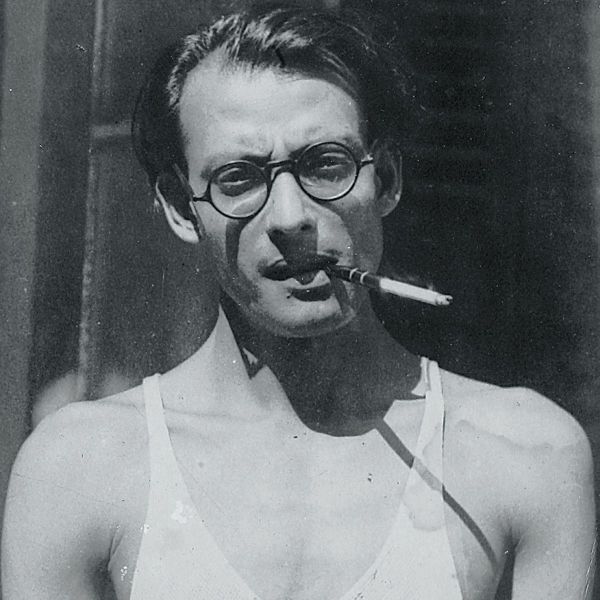
One of India’s most important artists, Chittaprosad recorded pivotal political and social movements in the country, such as the Great Bengal Famine of 1943-44 and its fallout, in heart-wrenching sketches and drawings, alongside protests against colonialism, economic exploitation, urban poverty and depravity, just as beautifully as the many drawings, linocuts and scraper board illustrations he made for children, recording a beatific phase of plenitude and family values, and involving himself with marionettes for their entertainment.
Learn More -
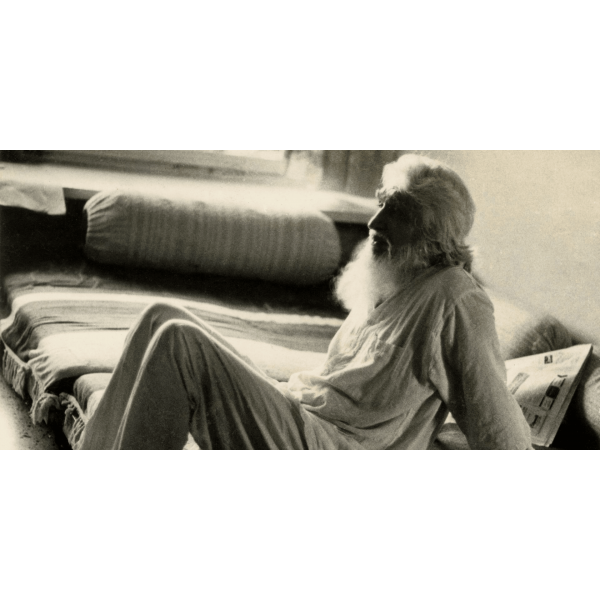 JournalThe Painters’ Camera: Husain and Mehta's Moving Images$0.00Twenty years after India’s independence, Films Division, the government’s documentary and propaganda filmmaking body, was seeking to re-invent itself. It had the mandate of recording the nation’s history on film. It was also a project of moulding the citizen through films that were screened in cinema theatres, before the entertainment feature. The films covered varied subjects from development, self-reliance, social issues, to art and culture, making them an invaluable archive of the Indian state’s record of the nation’s history as a modern, progressive nation. The films remained largely unpopular, like homework, among the unwilling audience of people who waited for the entertainment film to follow the documentary. Learn More
 -
 Institutional CollaborationsIndia Modern: Narratives from 20th Century Indian Art$1.00
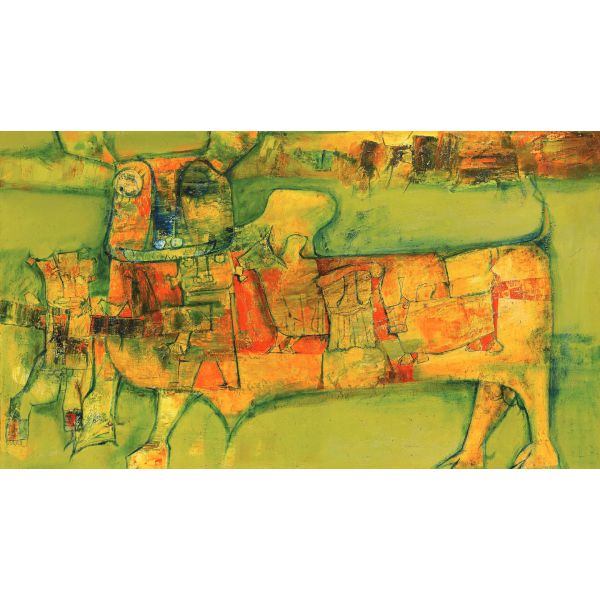
This exhibition takes us on a journey into the lives and works of artists from a diverse range of traditions and practices. Despite differences in technique, philosophy and politics, they are united by an attempt to forge a new language of Indian art which rebels against existing visual vocabularies while seamlessly combining influences from European modernism and the rich history of visual arts from South Asia. This assimilation is achieved in different ways. From M. F. Husain’s figurative renditions of Indian deities to the many languages of abstraction developed by artists like Ram Kumar, Ganesh Haloi and others—we see artists responding variously to the socio-cultural problems of a post-colonial nation.
Learn More -
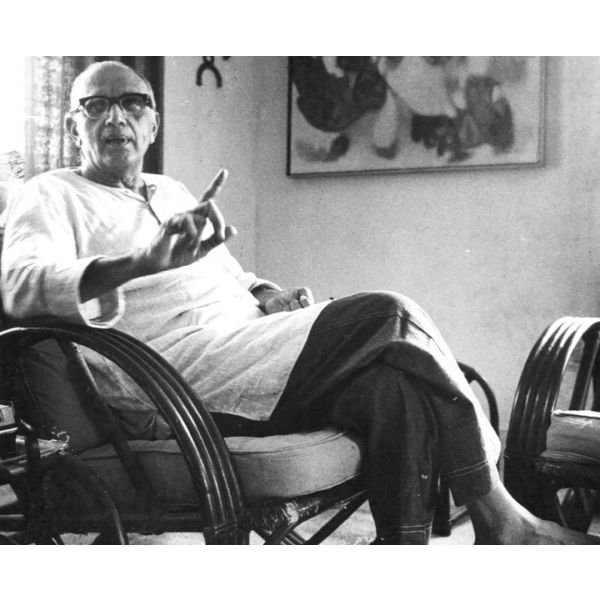 ArtistsJ. Sultan Ali$0.00Born in a Bombay-based business family, J. Sultan Ali’s first act of rebellion was to leave the safety of the family trade and join sculptor-teacher D. P. Roy Chowdhury at the Government College of Art in Madras in 1945. He also studied textile design at the Madras Government Textile Institute, and pursued a photography course in London. Learn More
 -
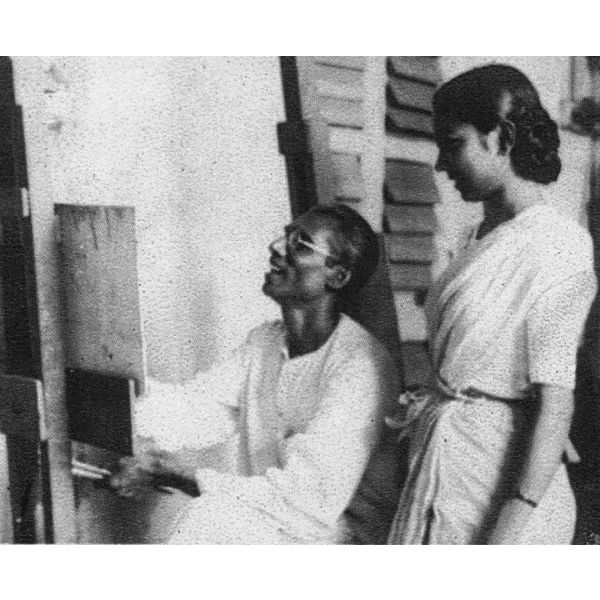 ArtistsGobardhan Ash$0.00Born in 1907, Gobardhan Ash came into his own as an artist at a time when Indian art was in a state of historical flux, when the imagination of young artists was infused with the spirit of country’s freedom from colonial rule. He trained at the Government College of Art in Calcutta from 1926-30, and at the Government School of Arts and Crafts, Madras, till 1932. He was an active member of various artist collectives such as the Calcutta Group that he joined in 1950, the Art Rebel Centre, and the Young Artists Union, of which he was a founder member. Learn More
 -
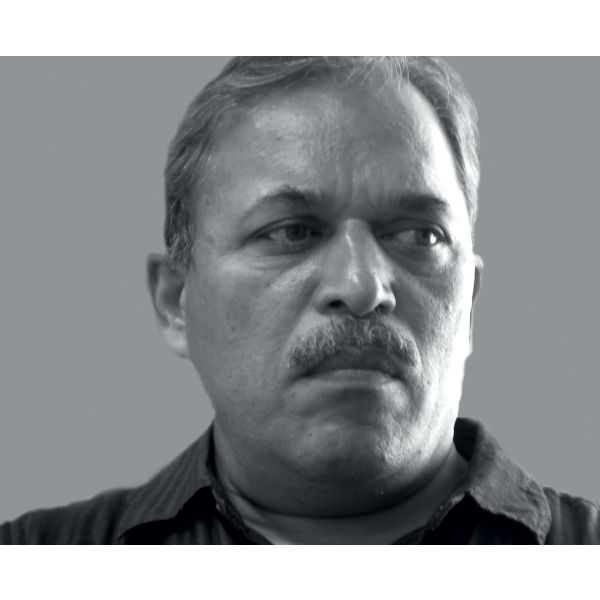 ArtistsDattatraya Apte$0.00Born on 11 April 1953 in Sangli, Maharashtra, Dattatraya Apte grew up in a culturally-charged household. His father was a teacher and used to make Ganehsa idols for puja at home, a skill that young Apte learnt early on. He also learnt to paint photographs and retouch negatives with an uncle who was a photographer. Learn More
 -
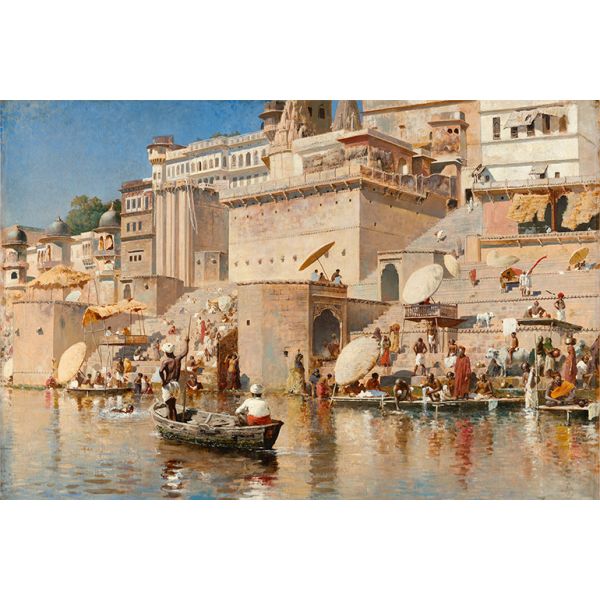 JournalOn the River Ganges, Benares by Edwin Lord Weeks$1.00
Let us take a moment to appreciate this magnificent riverside scene that can be instantly recognised as a view of Benares by the distinctive steep steps, or ghats, running down to the Ganga. American artist and Orientalist Edwin Lord Weeks had a remarkable ability to create an impression of a real-time scene unfolding before viewers, enhanced by the subtle plays of light and colour. A prolific artist who created a visual diary of his travels through his paintings—of which his India works are arguably his finest with an appeal that has transcended time.
Learn More -
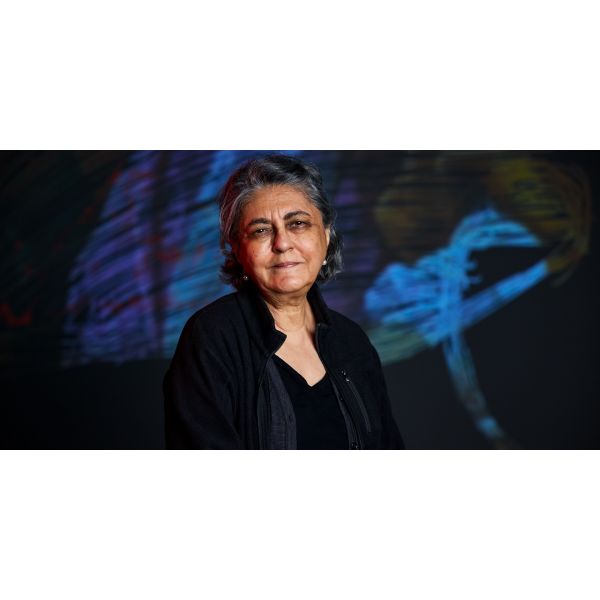 JournalRadical as a way of Being: Inaugural Contemporary Fellow Nalini Malani at London's National Gallery$0.00
What is the role of collectors and collections or archives in the world of art today? Does it simply allude to practices of producing a consumable past today or does it also aspire to question the ways in which history has been shaped by powerful interventions in the form of artworks, performances and installations? In this series of conversations, we wanted to explore the idea of collecting recent or contemporary art—and how it inevitably takes us back to the moderns who influenced such practices heavily.
Learn More -
 ExhibitionsSoliloquies of SolitudeAs low as $1.00
The mid-twentieth century saw a churn in the practice of art in India with a number of artists beginning to explore a genre that had swept the West with its absence of figuration in favour of abstraction. The non-representational began to gain traction as artists found within it a way to express themselves purely through colour as a potent tool to communicate emotions. Abstraction emphasised the relationship between originality and expression in ways that were complex, leading one to debate about the eventual goal of art. Ambadas, Krishna Reddy, Sohan Qadri, Zarina Hashmi, Rajendra Dhawan
Learn More